
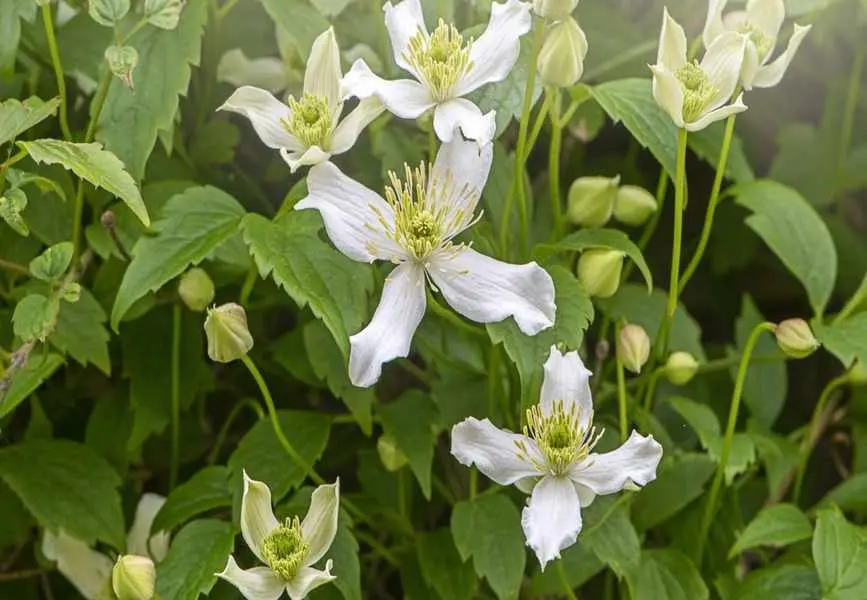
Q. I have a clematis plant in my garden that produces abundant flowers in early summer. I've been curious if I should consistently deadhead it for better blooms. What's the best approach?
A: Clematis are beloved climbing plants, and many varieties can yield a second wave of flowers if you deadhead the initial blooms. With their vibrant colors and fragrances, clematis can quickly enhance fences, arches, or trellises.
When growing clematis, understanding which group your plant belongs to is crucial. This knowledge informs how you care for it, including when and how to deadhead. Specifically, early large flowering types in group two can produce a second flush of blooms with deadheading.

Encourage more flowers by deadheading clematis
Is deadheading clematis necessary?
While not always deemed essential, deadheading clematis is beneficial. This simple task can significantly enhance the plant's health and flowering potential.
By removing spent blooms, you may stimulate new growth and flowers later in the season. Early-flowering clematis varieties gain the most from this practice, ensuring vibrant blooms throughout summer.
Identifying your clematis category is vital for effective deadheading and pruning. Clematis are classified into three groups based on their flowering time and growth habits.
Group 1, the early bloomers, flower on last year's wood and require minimal pruning aside from removing faded flowers. Group 2 flowers on new growth from last year's wood and can blossom again after deadheading. Group 3 blooms later in the season, relying on the current year's growth.
Understanding your clematis group is essential, as improper pruning timing can lead to missed flowering opportunities. This common pruning mistake can adversely affect your plant's flowering.
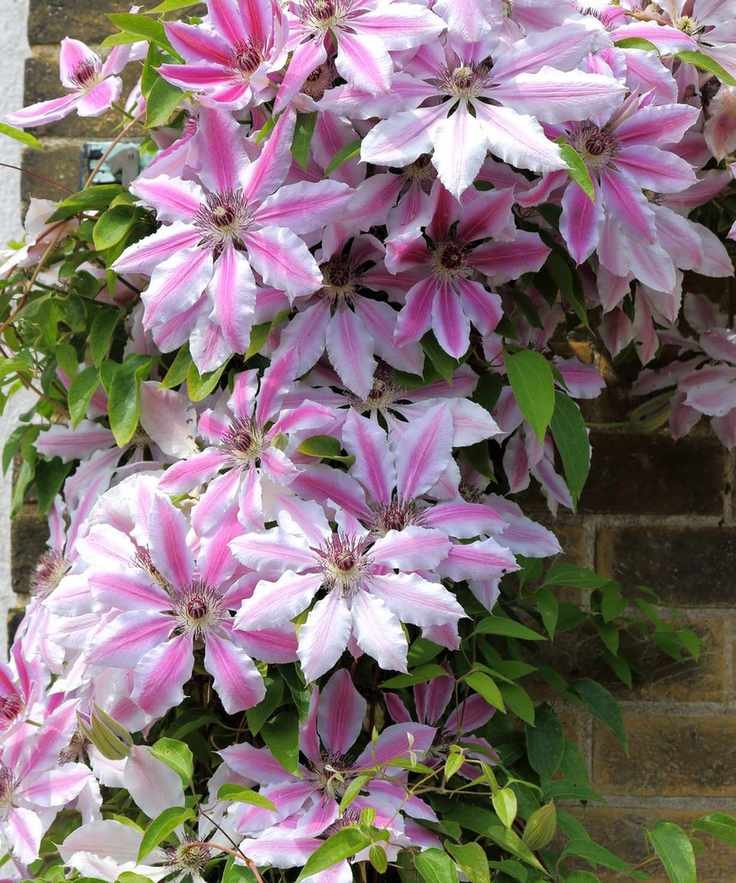
Know your clematis type for optimal deadheading and pruning
An expert in gardening offers the following guidance on when to deadhead clematis based on their classification:
- Group 1: These bloom in winter, spring, and early summer, needing little pruning. Use shears to deadhead and trim any overly long shoots.
- Group 2: This group produces large flowers in early summer. Deadhead post-bloom and avoid pruning until late winter.
- Group 3: These bloom in midsummer; deadhead and cut back in late winter.
Even if a second flowering isn't guaranteed, deadheading improves the overall appearance and promotes new growth. Therefore, it's advisable for all clematis types, whether they're in pots or climbing to provide shade or privacy.

An expert in gardening shares that deadheading clematis is straightforward and requires just a few tools. Utilize clean, sharp pruning shears for effective deadheading, as well-maintained tools reduce the risk of infecting the plant with disease.
Locate faded blooms and trace them down the stem. Snip off the spent flowers along with a portion of the stem. When deadheading, prune above a healthy set of leaves. You can safely remove up to 12-18 inches of stem to promote new growth.
For Group 1 clematis, the approach is simpler: tidy up the plant and remove spent flowers with shears. An example of suitable garden shears is the TRAMITEC Garden Hedge Shears available at Amazon.
To further boost the chances of a second bloom, deadhead and apply a high potassium fertilizer, similar to those used for tomatoes. An example is Espoma Organic Tomato-Tone feed available at Walmart.
Fiskars SmartFit Pruner Bypass | $19.99 at Amazon
These pruning shears are excellent for rapid deadheading and removing smaller branches, offering comfort and control during the task.
Should I remove dead flowers from clematis?
Removing dead blooms from clematis enhances the plant's health, encourages fresh flowers, and improves aesthetics. This practice also helps prevent bacterial and fungal issues that could threaten the plant's vitality.
How can I keep my clematis blooming all summer?
Deadheading not only encourages a second round of blooms during summer but applying a high potassium fertilizer afterward will also help. Additionally, providing a balanced slow-release fertilizer in spring along with a compost mulch will ensure the plant receives the nutrients it needs for robust growth, leading to abundant summer flowers.
Clematis come in diverse flower sizes, colors, and shapes, offering options for various settings. If you're unsure about deadheading your clematis, the answer is a definite yes. It's a quick task that can yield beautiful rewards, especially for early-flowering varieties, allowing for a potential second wave of stunning blooms in summer.



