
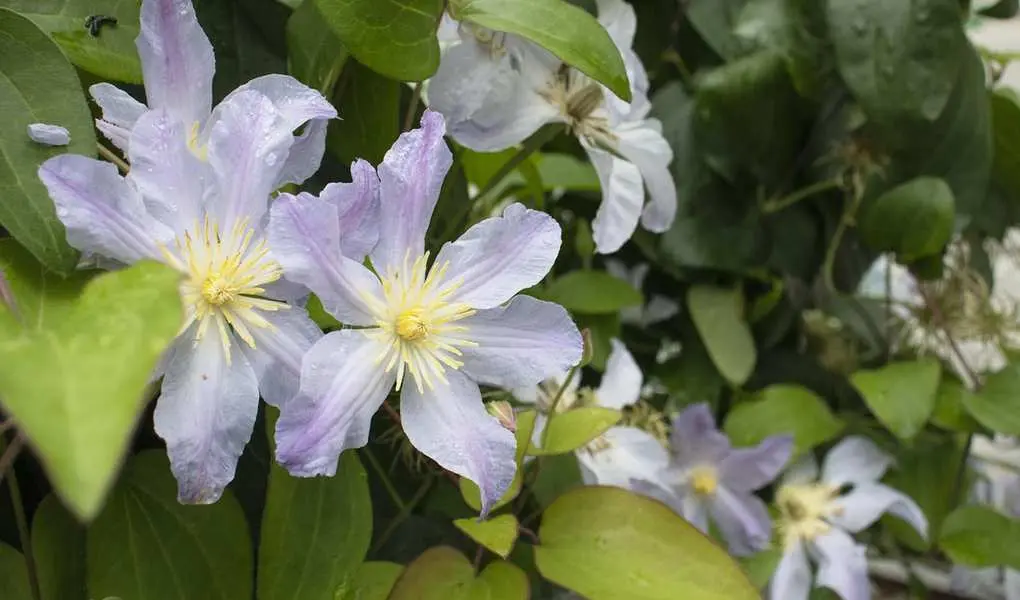
Annual pruning of clematis is essential for maintaining control over these beautiful plants and ensuring a vibrant floral display each year. Yet, many gardeners find themselves puzzled about the proper timing and technique for cutting back clematis.
Clematis are divided into three pruning categories based on their blooming habits, and trimming them incorrectly can lead to a disappointing loss of flowers for the year. So, should you be cutting your clematis back as winter approaches? Is this a task to add to your autumn gardening duties?
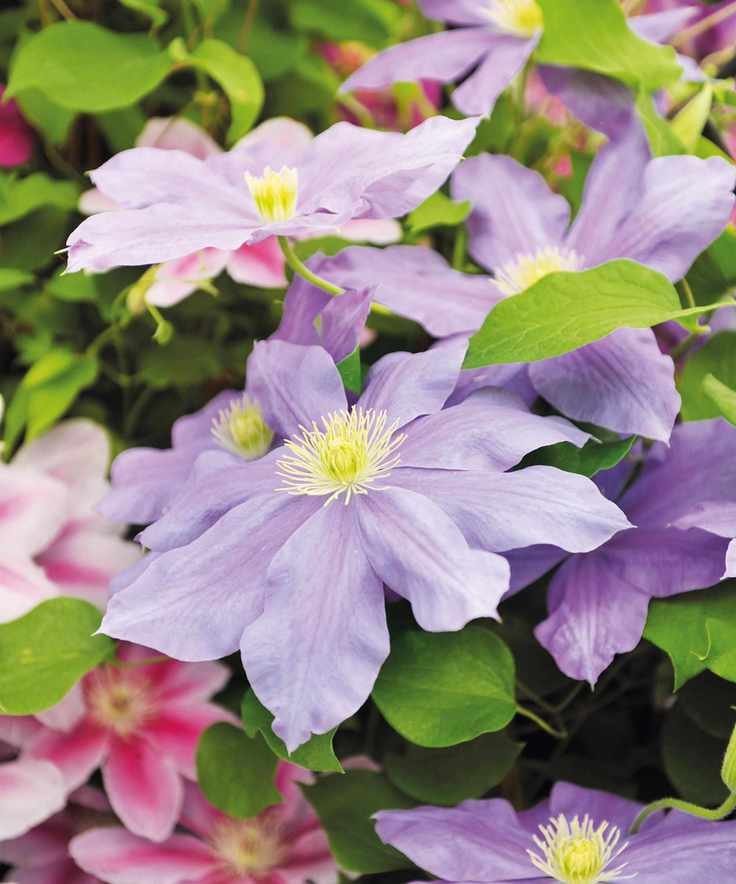
Different clematis varieties bloom on last year's wood or this year's growth
Is Winter Pruning Necessary for Clematis?
No, not all clematis need to be cut back in winter.
Only those in 'Group 3' require winter pruning, but this should be done later in the season, not before winter begins. While there's no need to prep your clematis for winter, trimming these plants in late winter is beneficial to prevent a tangled mess of old and new stems.
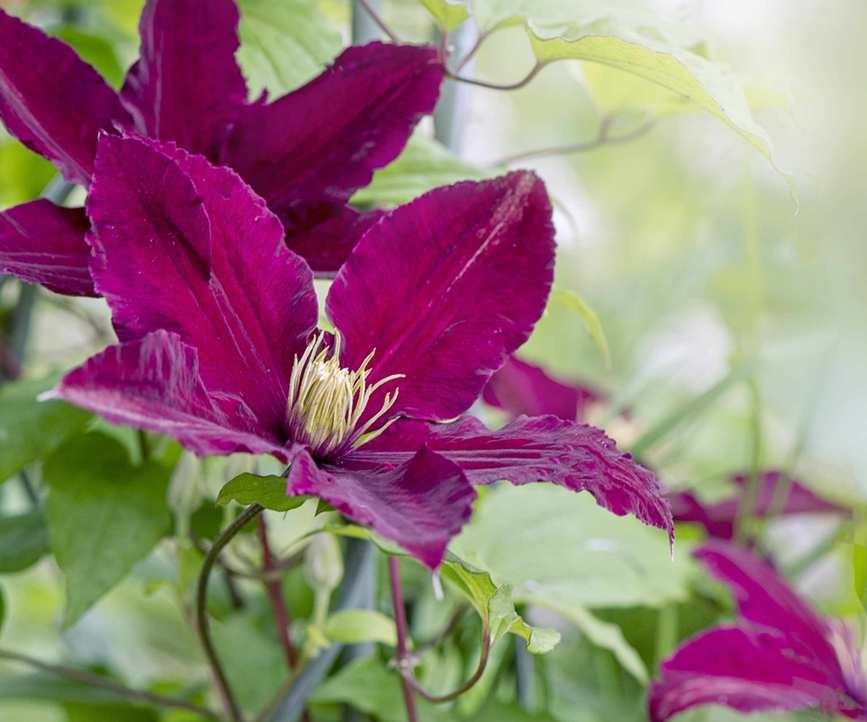
Some clematis varieties require light pruning, while others are cut back more severely
Timing Your Clematis Pruning in Winter
Knowing your clematis type and its pruning group is crucial when cultivating these plants. Group 3 clematis should be pruned hard every winter, as they flower on this year's growth. It's important to cut back these varieties to allow for fresh growth and flowers in the upcoming season. Generally, pruning should occur from late winter onward, depending on your local climate and the last frost date.
According to a horticultural expert, Group 3 clematis are ideal for winter pruning, thriving when cut back significantly before the start of spring growth.
Pruning at the right time promotes rapid recovery, allowing the plant to enter the growing season with strength. This process encourages new growth, leading to a healthier plant filled with blooms. It also aids in maintaining the clematis's shape, preventing overgrowth and ensuring flowers remain visible rather than obscured by a tangle of stems.
After blooming, Group 3 clematis stems will die back and must be carefully unwound from their supports. It's recommended to prune back to about 12 inches above ground, cutting each stem back to an emerging bud while avoiding damage to any developing buds.
While Group 3 clematis will benefit from winter cuts, Group 2 plants may also need light trimming in late winter. This involves using sharp pruning shears to remove dead or weak growth and trim back stems to strong buds. Keeping your tools sharp is essential for efficient cutting.
Pruning too early, such as in late fall or early winter, can lead to weak growth that may be damaged by frost, compromising the plant's hardiness. Additionally, decaying growth can lead to the growth of harmful bacteria and fungi.


Preparing Your Clematis for Winter
Most clematis are hardy and suitable for colder regions. To protect them from frost damage, consider applying a layer of organic mulch around the base to insulate the roots. A four-inch layer is usually ideal, but be cautious not to pile it too high near the plant's base.
If you're growing clematis in pots, the roots are more vulnerable to cold. It can be wise to move pots to a sheltered area or wrap them with protective materials like burlap or fleece.
Adding clematis pruning to your fall gardening checklist might not be necessary, as other plants also need attention, such as sedums and black-eyed Susans.



