
Q: I want my lawn to look its best this year and am committed to a solid care routine. I've heard that aerating and fertilizing are essential, but I'm unsure which to do first, how to do it, and when.
A: Aerating your lawn ahead of fertilizing significantly boosts its ability to thrive, especially during challenging conditions like drought.
We'll guide you through the process, detailing how and when to aerate, as well as the best practices for following up with fertilizer.
Why Aerate Before Fertilizing?
Aerating your lawn prior to applying fertilizer has several advantages, particularly improving fertilizer absorption.
'It's advisable to fertilize and water your lawn within a couple of days post-aeration, ideally within 48 hours. This timing ensures the fertilizer reaches deep into the soil through the aeration holes, allowing the grass roots to access it effectively,' says a gardening expert. 'The combination of aeration, fertilization, and watering fosters a robust and lush lawn. If you plan to overseed, do this between aeration and fertilization.'
'While light and water are vital for lawn health, oxygen is equally essential for keeping your grass thriving,' notes a lawn specialist. 'Aeration promotes air circulation, reduces soil compaction, and enhances drainage, making it a crucial part of lawn maintenance.'
Reducing soil compaction through aeration is critical before fertilizing, as it allows nutrients to penetrate deeper. This is key whether you aim to enhance lawn quality, repair patches, or address issues like waterlogging.

Steps to Aerate and Fertilize Your Lawn
Aeration and fertilization is a straightforward process that doesn't have to be rushed.
Start by raking your lawn to remove thatch and gather any debris like gravel.
For best results, aerate when the soil is moist—wait for rain or water your lawn the day before. If there's been heavy rain, let the lawn dry slightly before starting. You can use either plug aerators or spike aerators (see below).
Plug aeration is more effective but requires more effort.
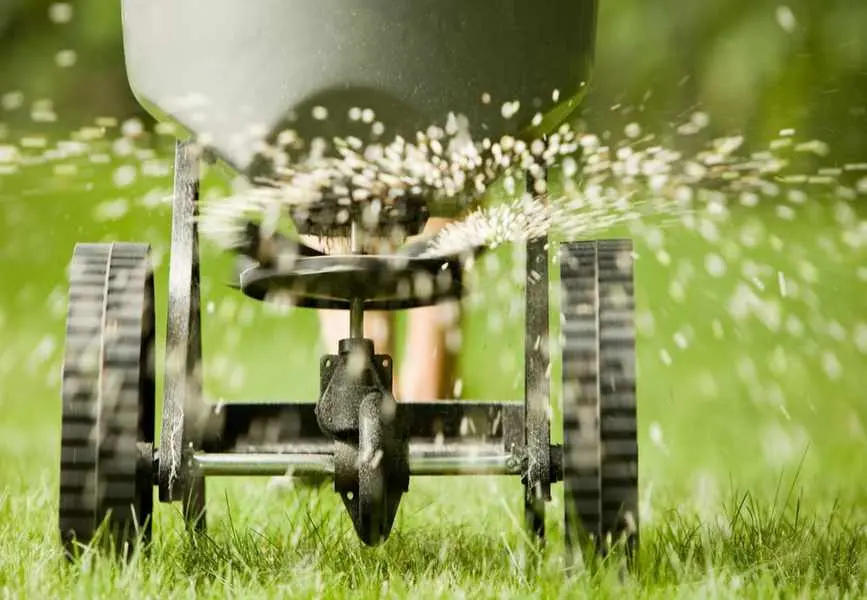
Within 48 hours of aeration, use a seed spreader (see below) to apply fertilizer, following the product's guidelines for application and necessary aftercare, such as watering. This is also a great time to overseed.
Timing for Aeration and Fertilization
When to aerate and fertilize depends on your grass type, as applying these treatments to dormant grass can stress it.
Cool-season grasses thrive in northern regions and should be treated in early spring (March onwards) and early fall.
Warm-season grasses in southern regions benefit from aeration and fertilization in late spring to early summer (around April/May).
Not sure what grass you have? Observe its growth: you should aerate and fertilize as the lawn approaches its peak growth phase; if it's not growing, it's likely dormant.
Apply lawn fertilizer early in the day for best results.
Can You Fertilize Without Aerating?
While you can fertilize without aeration, compacted soil can hinder nutrient delivery, reducing the effectiveness of the fertilizer.
Choosing Fertilizer Post-Aeration
Your choice of fertilizer after aerating should be based on your grass type and lawn size. For optimal results, select an organic lawn feed rich in nitrogen.
A versatile option is The Andersons Professional PGF Complete 16-4-8 Fertilizer with 7% Humic DG, suitable for all seasons and soil types. Highly recommended, it's available on Amazon.
FAQs
What's the Best Month for Aeration and Fertilization?
For warm-season lawns, the ideal period is March to May; cool-season lawns can also be treated during this time and may tolerate it in early fall.
How Can I Tell if My Lawn Needs Aeration and Fertilization?
Signs that your lawn requires aeration and fertilization include poor growth, brown or bare patches, compacted soil, fast-drying grass, or standing water after rain.
When Should You Avoid Aerating and Fertilizing?
Avoid aerating and fertilizing when grass enters dormancy, typically late summer or early fall for warm-season types. Cool-season grasses can be treated in early spring and early fall.
When Will I See Results?
You can expect to see improvements within six to eight weeks after aerating and fertilizing, but be sure to water and mow according to the season, weather, and lawn's needs.
Can I Fertilize Right After Aerating?
Yes, you can fertilize immediately after aerating if conditions are right. Alternatively, you can wait up to 48 hours before fertilizing. Beyond that, the aeration holes will start to close, requiring a fresh start.



