

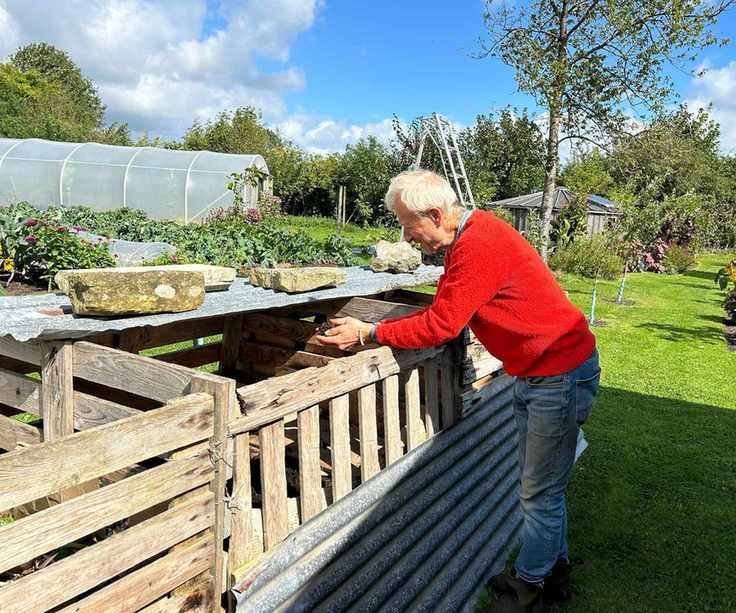
A sunny September day at Charles Dowding's Somerset homestead reveals his thriving 0.75-acre organic garden. As a pioneer of no-dig gardening, Charles showcases how he produces compost for about two-thirds of his crops.
With more gardeners interested in creating compost for a sustainable garden, witnessing Charles's composting success is inspiring. His new book, Compost, available at Amazon, highlights his techniques for transforming food scraps and plant material into quality compost in mere months.
After a hands-on day at Homeacres, I compiled essential composting tips from Charles to help you produce your own backyard 'black gold.'
18 Composting Insights from Charles Dowding
"We use pallet bays, daleks, and a wormery here," Charles says. "Efficiency matters, but remember, compost isn't a finished product even after spreading it."
Over 12 years at Homeacres, Charles and his assistant have established a vibrant vegetable garden. From classic tomatoes to rare purple mermaid's tale cabbage, his composting methods yield impressive results. Here are his top composting secrets.
1. Compost Doesn’t Need to Be Perfect
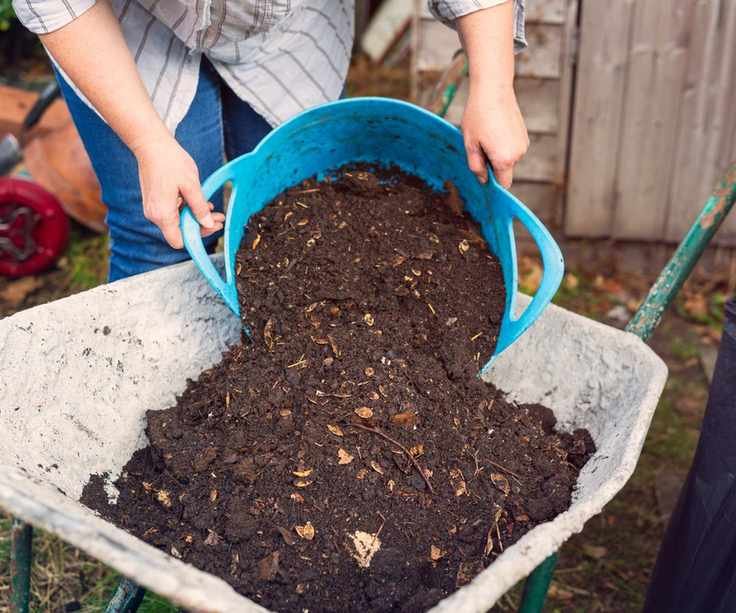
Many gardeners dream of pristine compost, but Charles encourages a different perspective. "There’s no exact finish point; it’s ready when you need it. While letting it sit longer helps, small woody bits won’t harm it. They'll continue decomposing once you spread the compost," he explains.
True maturity means your compost should be dark, crumbly, and smell earthy, with no visible food scraps.
2. Don’t Hesitate to Compost Weeds
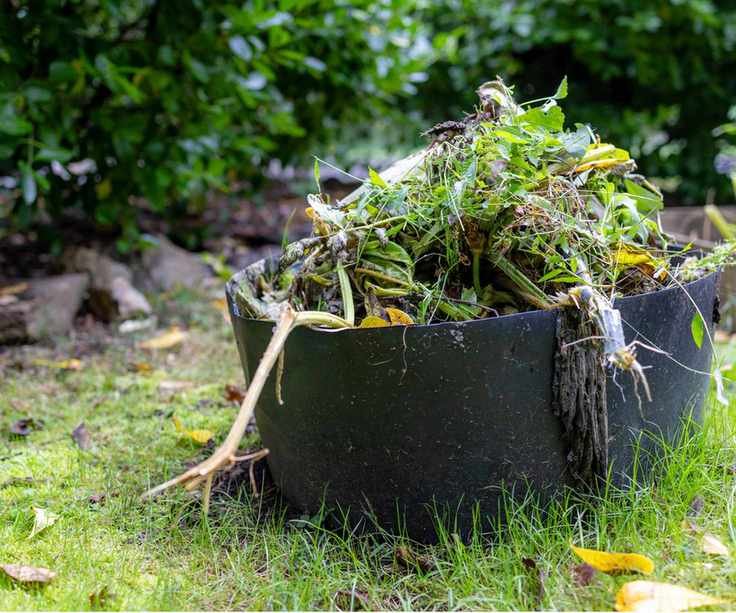
Charles advocates for composting weeds, including bindweed. “They break down just like other materials,” he assures. Hot composting can even neutralize weeds that produce seeds.
3. Shred Materials with a Lawnmower
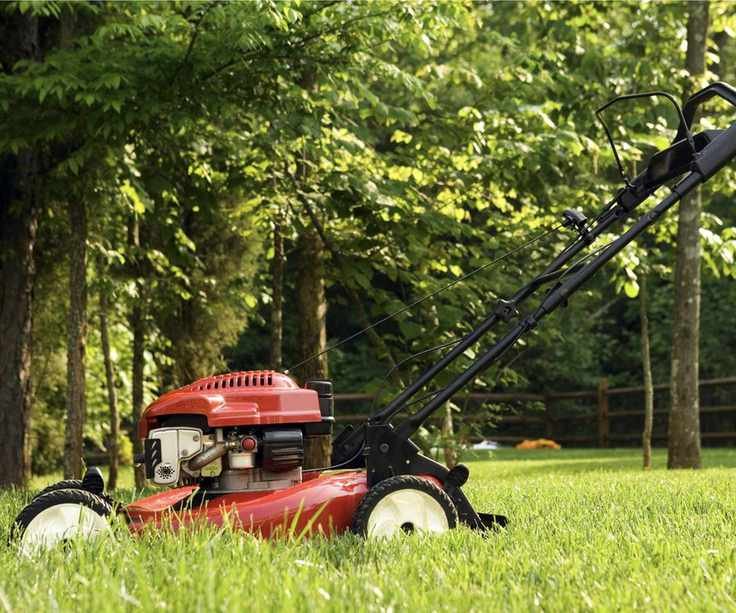
For faster composting, Charles uses a lawnmower to shred materials. Run it over pruned material to chop it up easily. This method is efficient and keeps your compost manageable.
4. Cut Stems at an Angle
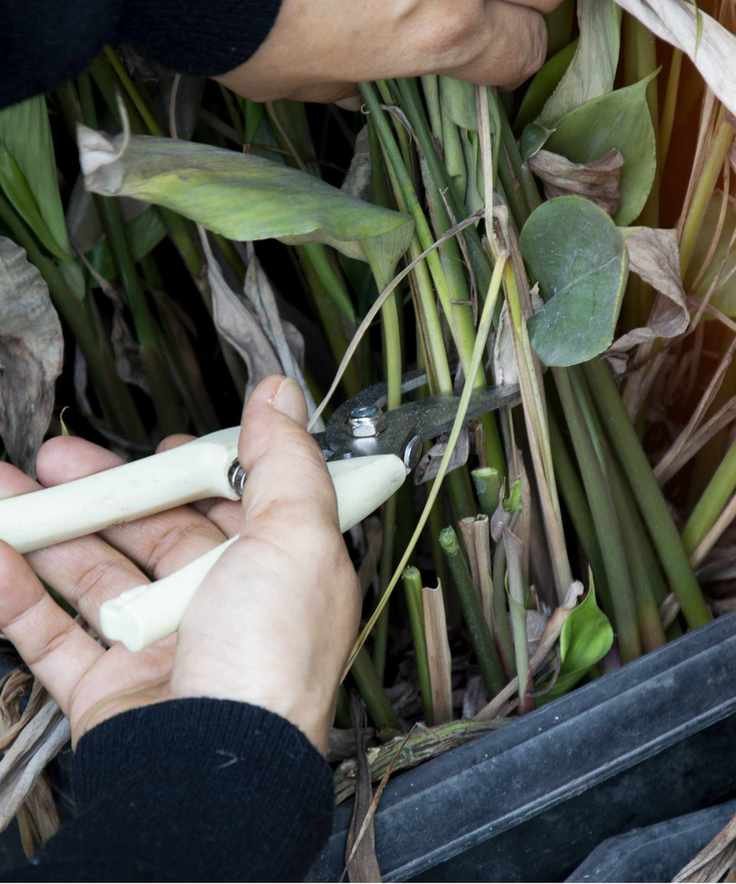
When working with tougher materials, Charles suggests cutting stems on an angle. This provides microbes with greater access to decompose the material.
5. Make Your Compost Bin a Garden Feature
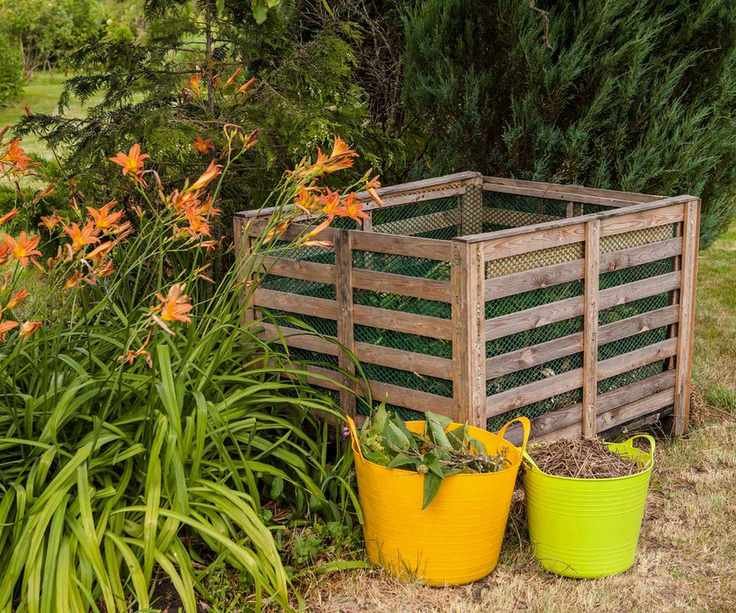
Consider compost bin placement. Instead of hiding them away, position them where they’re easily accessible and visible. This makes composting a proud part of your gardening.
6. Use Multiple Bins

Charles uses several bins for efficiency. Fill one bin at a time and let it sit for about six weeks before transferring it to the next. This method allows for consistent compost turnover.
7. Maintain Compost Temperature
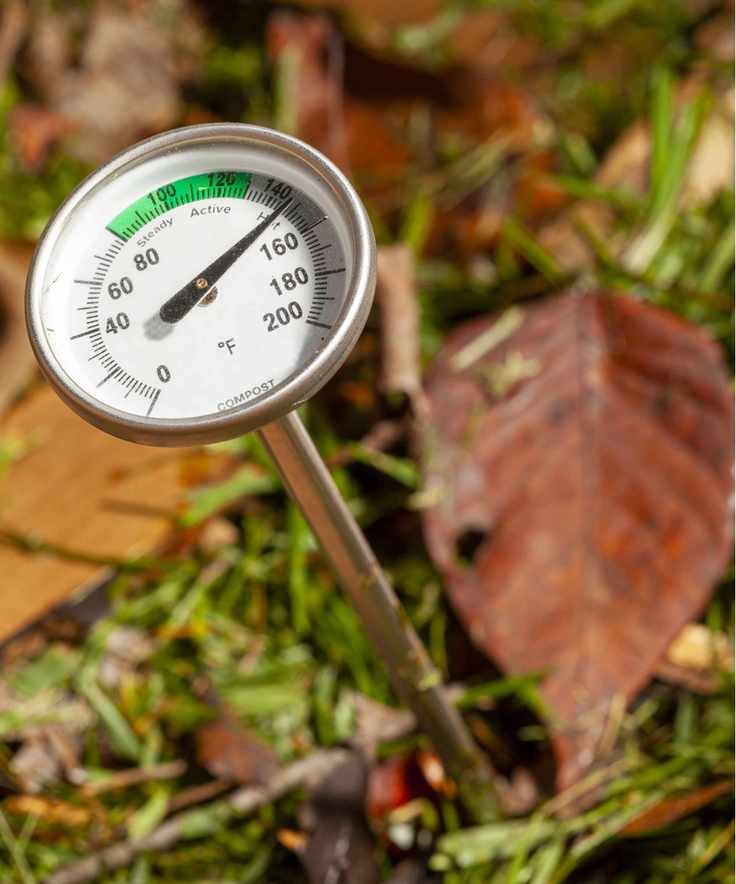
Aim for compost temperatures between 131-158°F for optimal decomposition. Too low slows the process, while too high can hinder microbial activity.
8. Protect Your Worms
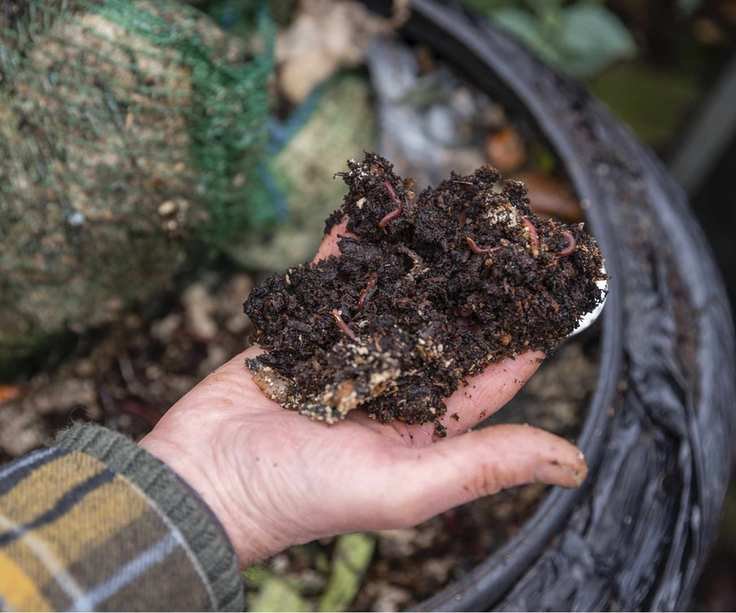
In worm composting, keep your wormery on the ground for temperature regulation. Ideal conditions are between 50-77°F to ensure worms remain active.
9. Add to Your Wormery Regularly
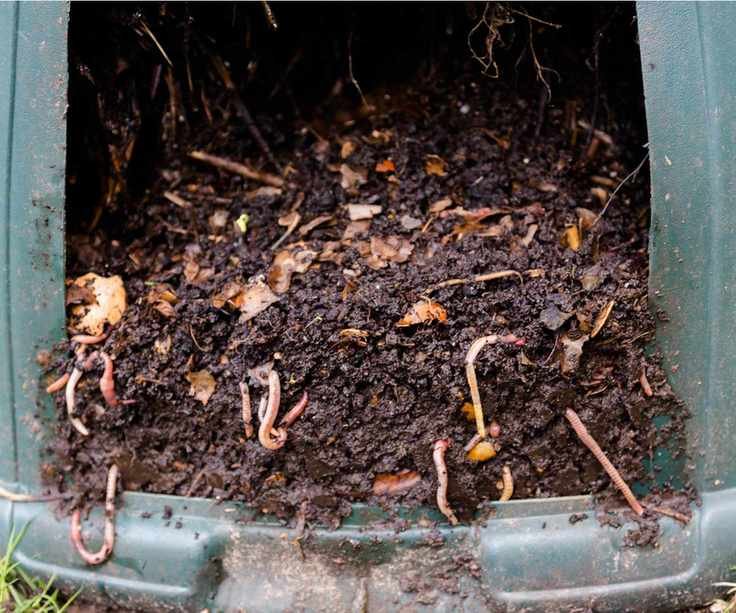
Feed worms small amounts frequently, using scraps that have started decomposing to keep them stimulated.
10. Steam Indicates Proper Greens
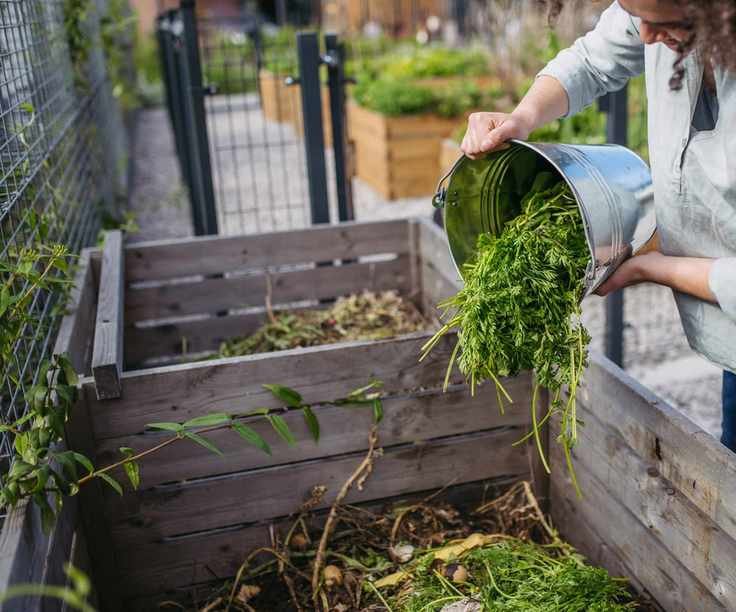
Steam rising from your compost indicates sufficient green materials, which are essential for bacterial activity and heat generation.
11. Use Lower Leaves of Plants
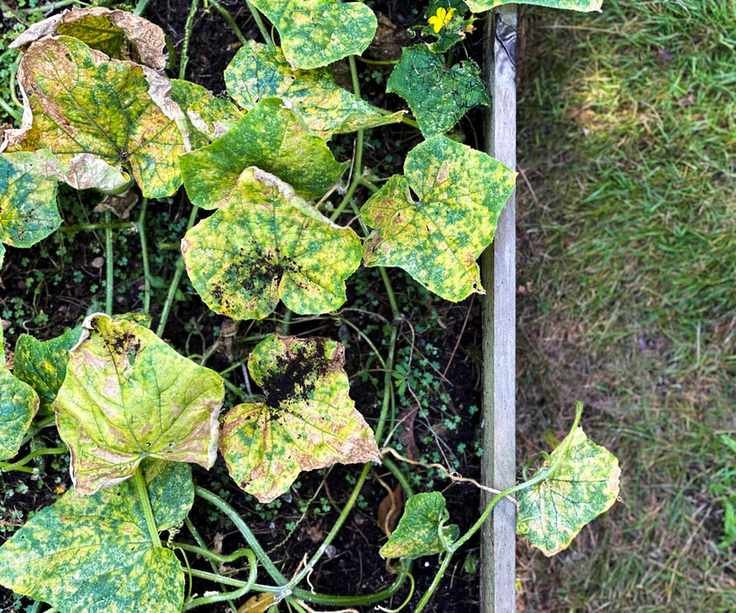
Removing lower leaves from plants helps both your compost and the plants by improving productivity and reducing slug access.
12. Keep Compost Aerobic
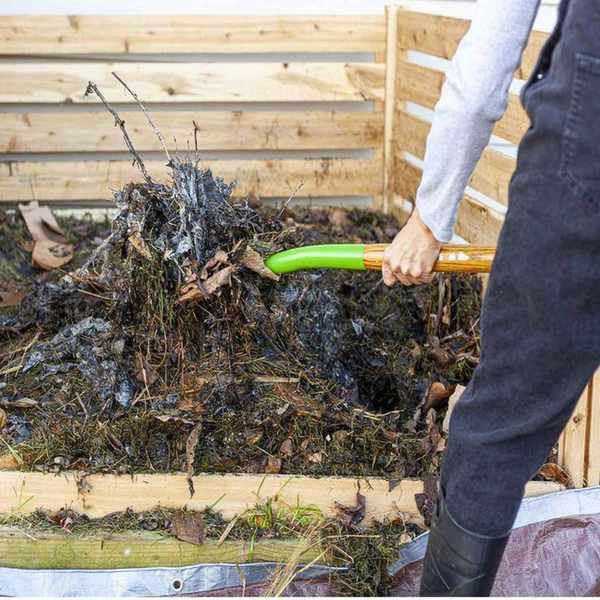
Ensure your compost heap has enough air. If it smells unpleasant or is overly wet, it may lack aeration. Turning the heap regularly will help maintain aerobic conditions.
13. Don’t Worry About Rodents
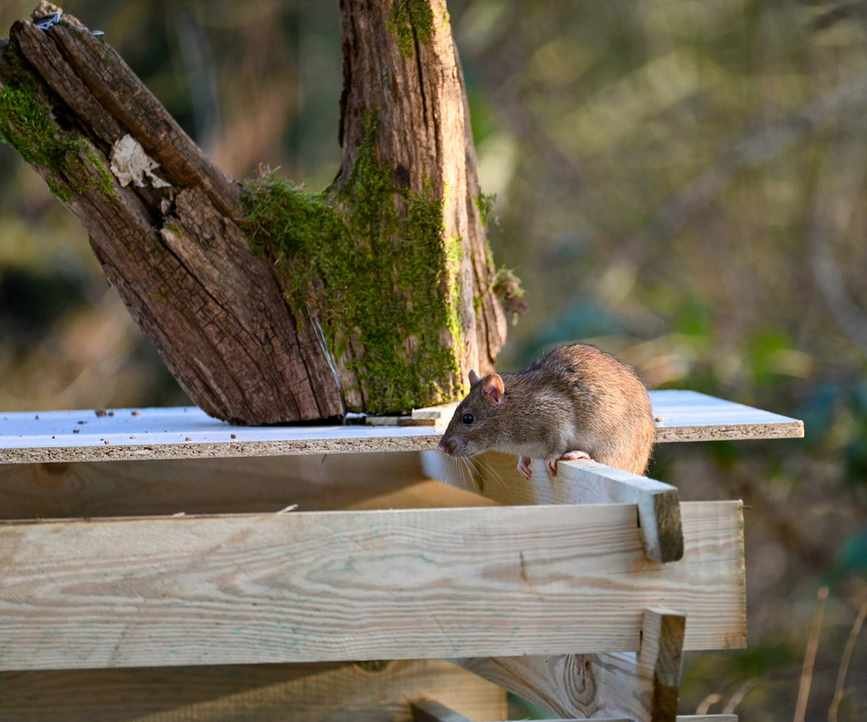
While compost can attract pests, like rats, Charles notes that they can help aerate the compost. If concerned, consider using deterrent plants.
14. Use Compost Consistently
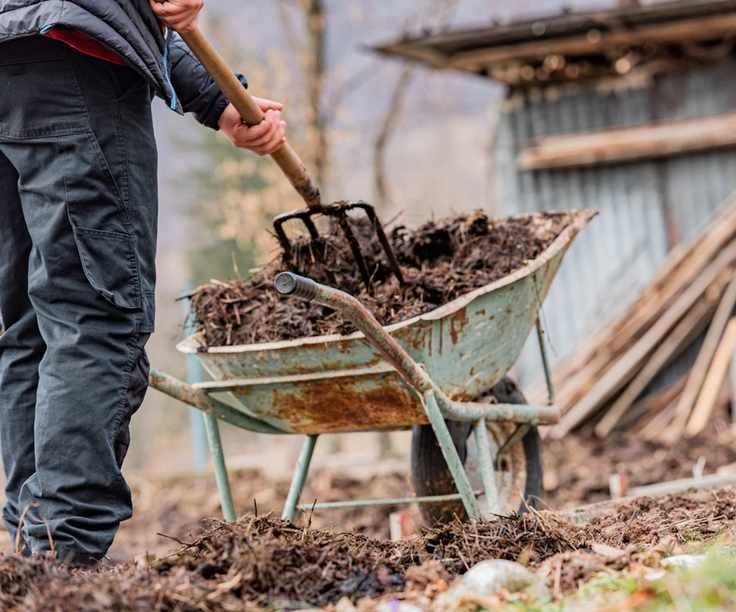
Charles applies the same amount of compost across all crops. It enriches soil life for all plant types, ensuring healthy growth.
15. Source Materials from Various Places
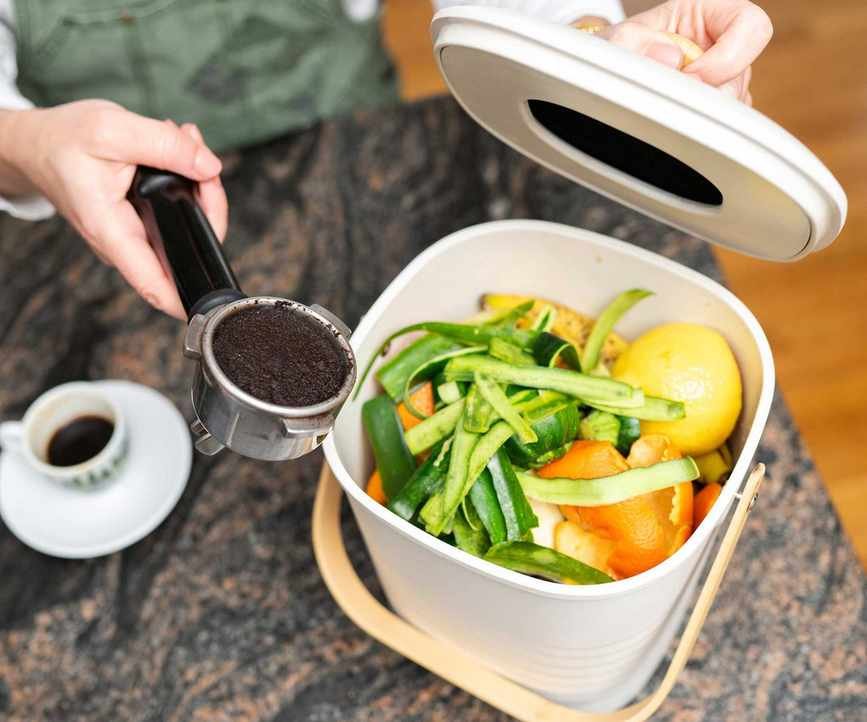
For larger compost volumes, contact tree surgeons for wood chips and ask local coffee shops for spent grounds, both excellent nitrogen sources.
16. Rain Won’t Wash Nutrients Away
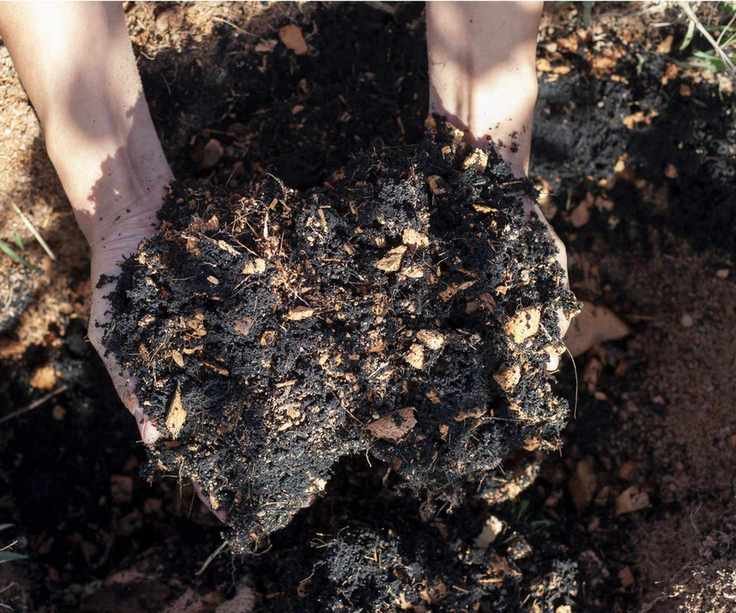
Unlike fertilizers, compost is resilient against rain. Its nutrients remain intact, making winter spreading effective.
17. Check Moisture Levels
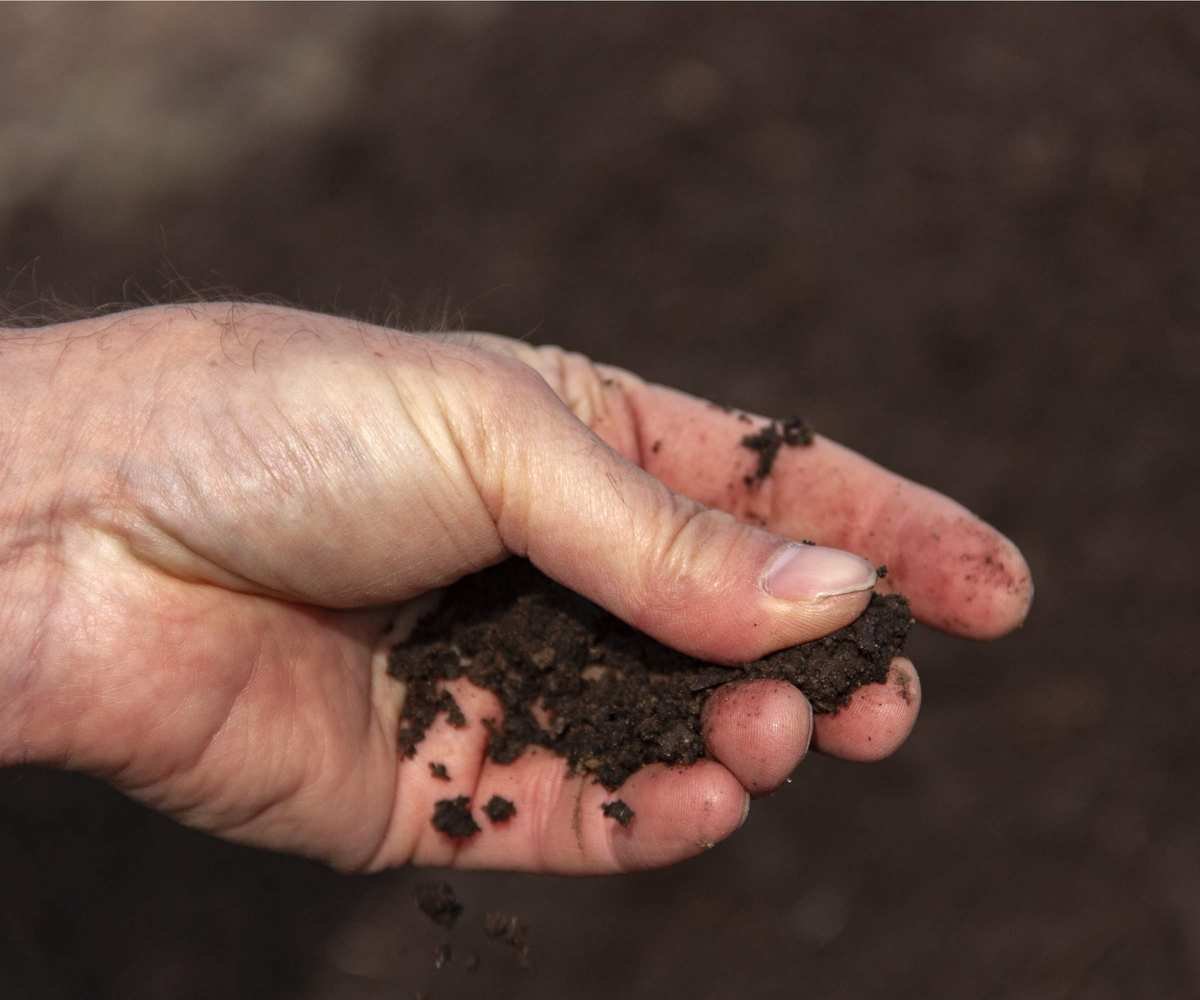
To determine if compost is overly wet, squeeze a handful. If excess water drips out, it’s time to aerate the heap.
18. Build a Compost Bin from Repurposed Materials

Creating your own compost bin can be rewarding. Charles uses pallets to construct practical compost bays, sealing them to retain heat.
FAQs
When Is the Best Time to Start Composting?
Composting can begin at any time. Just gather your materials and monitor moisture and aeration levels.
Why Isn’t My Compost Decomposing?
If decomposition stalls, check ingredient ratios—aim for 3/4 greens and 1/4 browns, ensuring sufficient moisture and airflow.
Charles Dowding's methods at Homeacres demonstrate effective composting, resulting in a flourishing vegetable patch nourished by nutrient-rich compost. His techniques ensure composting success, even during adverse weather conditions.



