With growing awareness of the hazards posed by chemicals and plastics, establishing a non-toxic home has become a priority for many.
Creating a safe living space requires attention to various aspects, including cleaning supplies, furniture, and paint.
Explore these tips for achieving a healthier home, featuring effective cleaning strategies and product recommendations.
Steps to Achieve a Non-Toxic Home
Committing to non-toxic living involves understanding essential concepts and making informed choices for your family.
Focus on these four main categories to start detoxifying your home.
Cleaning

Choose Non-Toxic Cleaning Supplies
Cleaning products often contain lengthy ingredient lists that can be hard to decipher. Fortunately, experts confirm that effective cleaning doesn't necessitate harsh chemicals.
Replace harmful cleaners like bleach and chemical sprays with EPA Safer Choice or EWG-certified options to ensure safety.
 Bleach alternative
The Ecover toilet cleaner uses plant-based ingredients, allowing for effective cleaning without toxic bleach.
 Mineral based
Attitude cleaners, recognized by EWG, use plant and mineral-based ingredients to eliminate grease safely.
 Vegan and CO2 neutral
Switch to Attitude's EWG-approved bathroom spray for effective cleaning without harsh chemicals.
Create DIY Cleaning Solutions
For a truly non-toxic approach, consider making your own cleaning products. Natural ingredients like vinegar can efficiently replace commercial options.
Use vinegar for various tasks, from deodorizing to removing mold, and combine it with baking soda for enhanced scrubbing power.
 XL Container
White vinegar is versatile and safer for both children and pets compared to many commercial cleaners.
 4lb Box
Baking soda serves as a natural abrasive, effectively tackling tough stains without scratching surfaces.
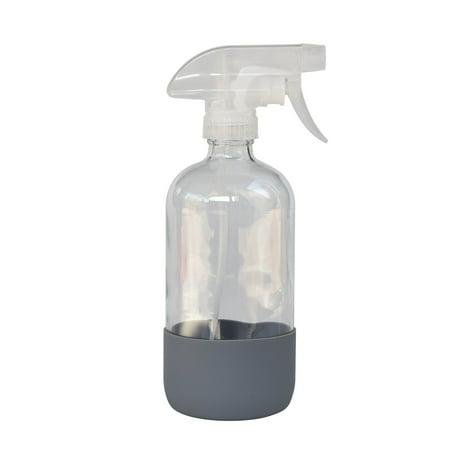 16oz Glass
Glass bottles are ideal for homemade cleaners, minimizing plastic usage and contamination risks.
Replace Toxic Laundry Detergents
Swap out harmful laundry detergents for natural, plant-based alternatives. Expert Ryan Knoll recommends opting for less pungent, eco-friendly options.
While making your detergent is an option, consider using an ECOCERT-certified product like Ecover Zero Laundry detergent, which avoids harmful dyes and scents.
 36 washes
These EWG-certified laundry pods help eliminate toxic detergents from your home.
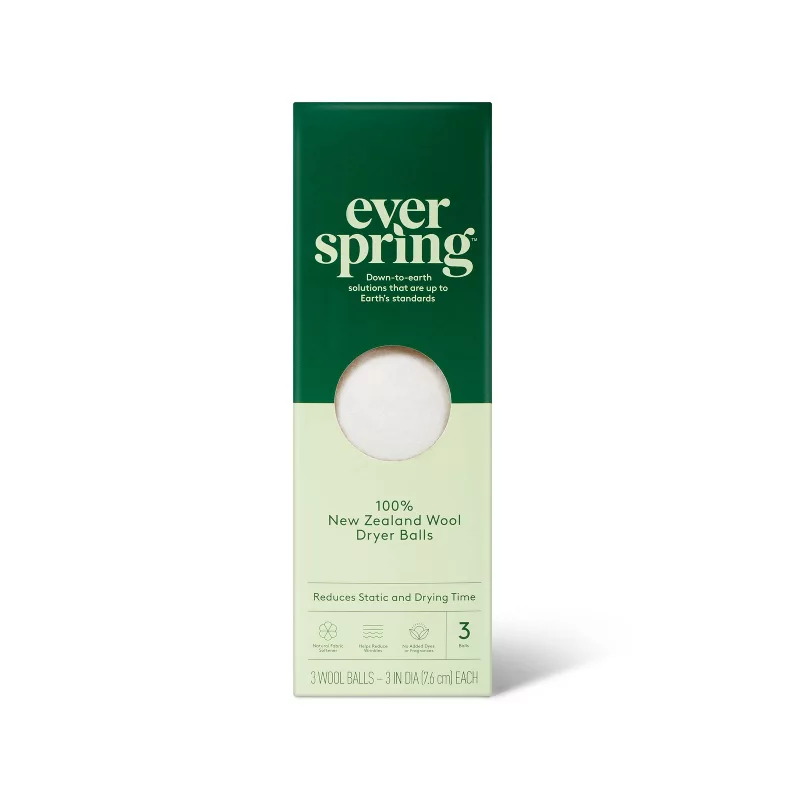 Pack of three
Wool dryer balls offer a natural alternative to dryer sheets, softening laundry without harmful chemicals.
Say No to Dry Cleaning
Research shows that perchloroethylene (PEC), used in dry cleaning, poses health risks. It may not be worth the potential dangers for lightly soiled items.
Consider alternatives like steam cleaning to eliminate bacteria and odors safely.
Utilize Steam Cleaning
Investing in a steam cleaner can be a game-changer for non-toxic living. Although the initial cost may be high, the long-term benefits are significant.
A steam mop like the Black & Decker 7-in-1 steam mop can tackle various cleaning tasks without harsh chemicals.
With steam, you can effectively sanitize surfaces and eliminate dirt with minimal effort.
Cooking and Storage

Replace Non-Stick Cookware
Many non-stick pans contain Teflon, which poses health risks when damaged or heated. Opt for safer alternatives like cast iron, stainless steel, or copper cookware.
 Ceramic coating
This copper cookware set is oven-safe and compatible with various stovetops.
 14-piece set
Stainless steel cookware is durable, easy to clean, and free from harmful coatings.
 12 pieces
Caraway's ceramic-coated cookware is both stylish and free from toxic chemicals.
Eliminate Plastic Utensils
Replacing plastic kitchen tools is essential for a non-toxic home. Studies indicate that many utensils, including non-stick pans and plastic cutting boards, can release microplastics into food.
Opt for wooden or metal alternatives instead, as they can be more hygienic and longer-lasting.
 Acacia wood
Wooden cutting boards are favored for their ease of cleaning and reduced contamination risks.
 Set of six
Wooden utensils prevent chemical leaching and are gentle on non-stick surfaces.
 Set of four
Stainless steel utensils are durable, easy to clean, and don't leach chemicals.
Eliminate Plastic Food Storage
Plastic food containers are notorious for leaching chemicals into stored foods. Chemicals from plastics can disrupt hormones and pose health risks.
Switching to glass, stainless steel, or bamboo storage options can greatly reduce exposure to harmful substances.
Consider alternatives like beeswax wraps for food storage.
 Amazon's Choice
These glass food storage containers feature bamboo lids, entirely removing plastic from food storage.
 Set of seven
Beeswax wraps offer a sustainable alternative to plastic wrap for food storage.
 Fast delivery
Joyjolt containers are perfect for meal prep and safe for various temperature settings.
Invest in Water Filtration
Upgrading your water quality is a small yet impactful change. Research indicates that many tap water samples contain PFAS, known as 'forever chemicals.'
Consider investing in a reliable water filter, such as the EWG-endorsed ZeroWater 5-Stage Filter, which can remove contaminants effectively.
Air Quality

Enhance Ventilation
Proper ventilation is crucial for maintaining air quality and reducing moisture buildup.
Activities like cooking and bathing introduce humidity, which can lead to mold. Improve air circulation by opening windows occasionally.
Invest in an Air Purifier
While ventilation is beneficial, an air purifier can effectively reduce indoor allergens. Regularly clean or replace filters for optimal performance.
Smart air quality sensors can monitor environmental conditions and adjust systems as needed.
Opt for Natural Home Fragrance
While traditional candles and air fresheners can emit harmful chemicals, consider alternatives made from natural ingredients.
Choose candles made from soy or beeswax for a cleaner burn. Essential oil diffusers or DIY sprays with natural ingredients are excellent options.
 Remote controlled
This essential oil diffuser allows you to create a personalized scent profile without toxic ingredients.
Address Mold Immediately
Mold is a significant health concern and should be dealt with swiftly. Symptoms like sneezing or respiratory issues may indicate mold exposure.
Consider professional help for large mold infestations, but also take preventive measures by controlling humidity and cleaning regularly.
Fabrics and Construction

Select Low-VOC Paint
Using low-VOC paints is crucial for minimizing toxic emissions during home improvement projects.
These paints emit fewer harmful chemicals, improving indoor air quality.
Consider Hard Flooring
Carpets can harbor allergens and chemicals. Opt for hard flooring like tile or hardwood for easier maintenance.
Choose Fabrics Wisely
When selecting upholstery and bedding, prioritize natural fibers over synthetic ones to avoid harmful chemicals.
 Set of two
Switch to 100% cotton towels for a luxurious, chemical-free experience.
 Complete set
This bedding set, made from 100% Long-Staple Cotton, ensures comfort without harmful chemicals.
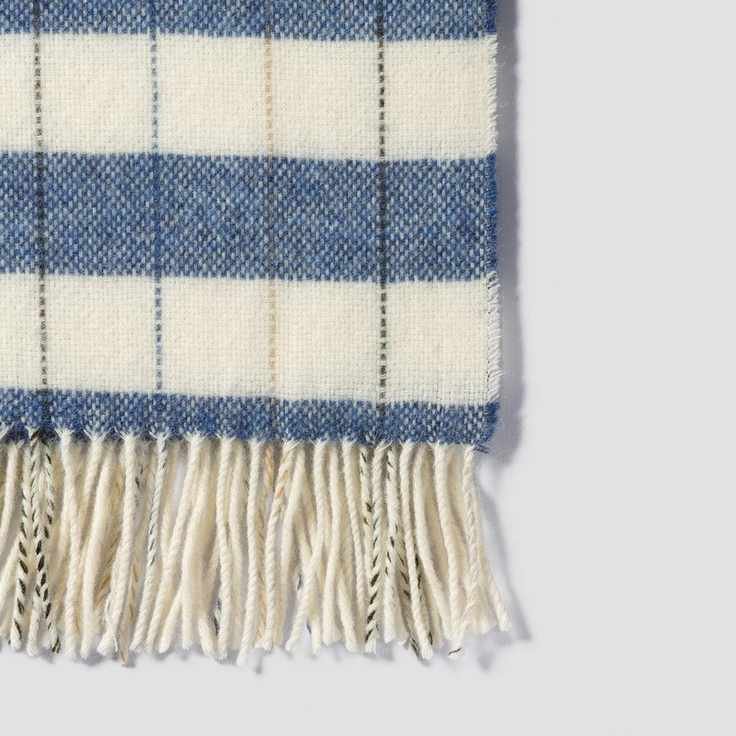 Four color options
This wool blanket, crafted from non-mulesed merino wool, adds warmth and softness to your decor.
Invest in a Healthy Mattress
Replacing your mattress can significantly impact your health. Avoid polyurethane foam, which often contains harmful flame retardants.
Instead, seek organic mattresses made from natural materials like latex and cotton, free of added chemicals.
Transitioning to a non-toxic home may seem overwhelming, but making these changes can lead to a healthier lifestyle.
For further guidance on non-toxic living, explore our recommendations for non-toxic kitchen appliances and safer gardening practices.