Creating an eco-friendly garden goes beyond just minimizing waste; making non-toxic gardening swaps is essential to protect your outdoor space from harmful chemicals, including forever chemicals.
By selecting the right sustainable materials, you can enhance your garden's safety. From replacing toxic plastic tools to using organic pest control, there are numerous steps to eliminate harmful substances from your yard, benefiting both your health and the environment.
7 Non-Toxic Gardening Essentials
Choosing eco-friendly tools has multiple benefits. Cheap plastic and synthetic rubber can leach microplastics and toxic substances into the soil, affecting the food you grow. Over time, these microplastics can lead to serious health issues. Moreover, harmful chemicals can disrupt the ecosystem.
Here are some practical and affordable non-toxic gardening swaps you can easily implement:
1. Wooden Plant Labels
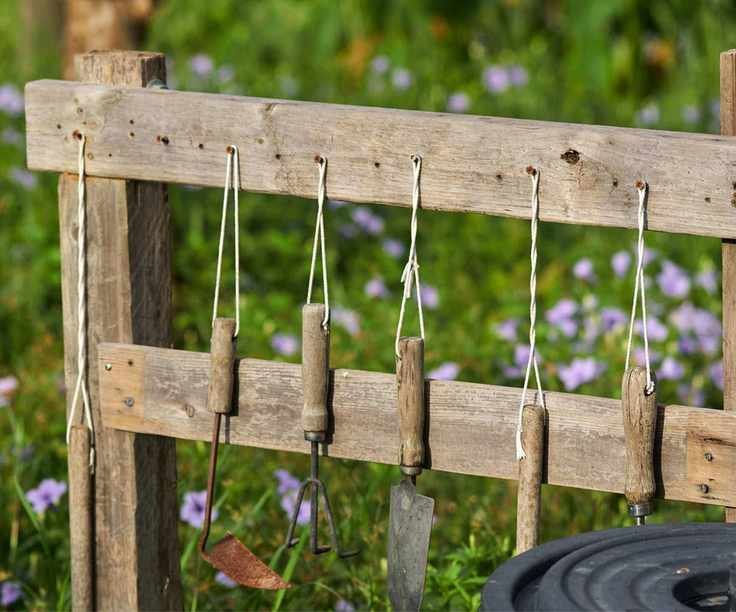
When buying plants, they often come with plastic labels. However, these can leach microplastics into your soil. Instead, consider wooden plant labels, which are a charming and safe alternative. Rachel Bull, our gardening expert, suggests, 'Wooden labels add rustic charm and eliminate the risk of toxicity that comes with metal labels over time.' You can purchase them or simply repurpose items like lollipop sticks.
2. Stainless Steel Garden Hose
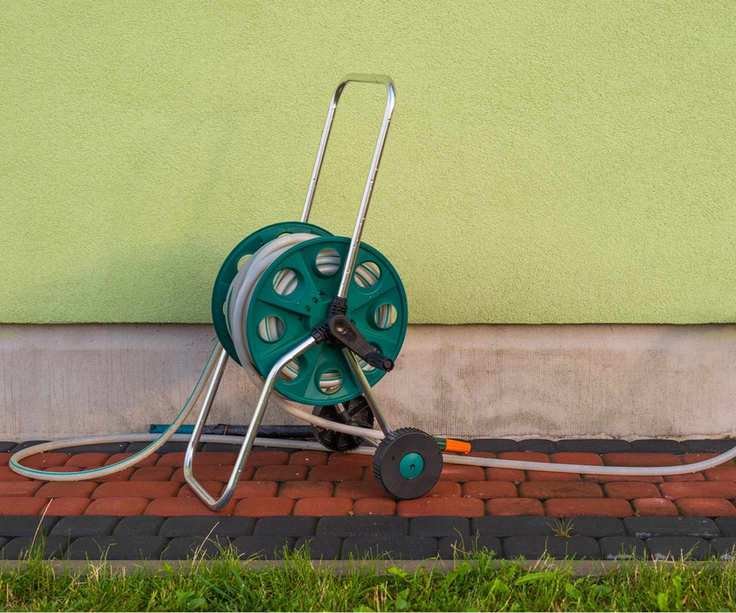
Most garden hoses are made from rubber or soft plastics. Opting for a stainless steel garden hose is a great non-toxic swap. Stainless steel is safe for food items and won't release harmful chemicals into your soil during watering. Plus, it's corrosion-resistant and easy to maintain, so it's a smart long-term investment.
3. Fabric Grow Bags
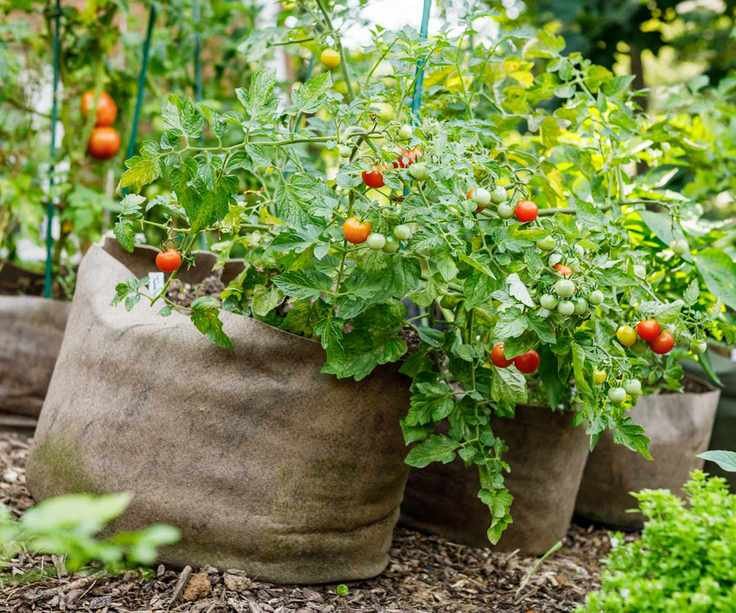
For container gardening enthusiasts, grow bags are a popular choice. However, many are made from plastic fabrics like polypropylene. Instead, choose jute or canvas bags, which are eco-friendly alternatives. Thomas Rutter, our content editor, states, 'Hemp or jute bags are breathable and durable, allowing for optimal water drainage without toxic leaching.'
4. Glass Plant Mister
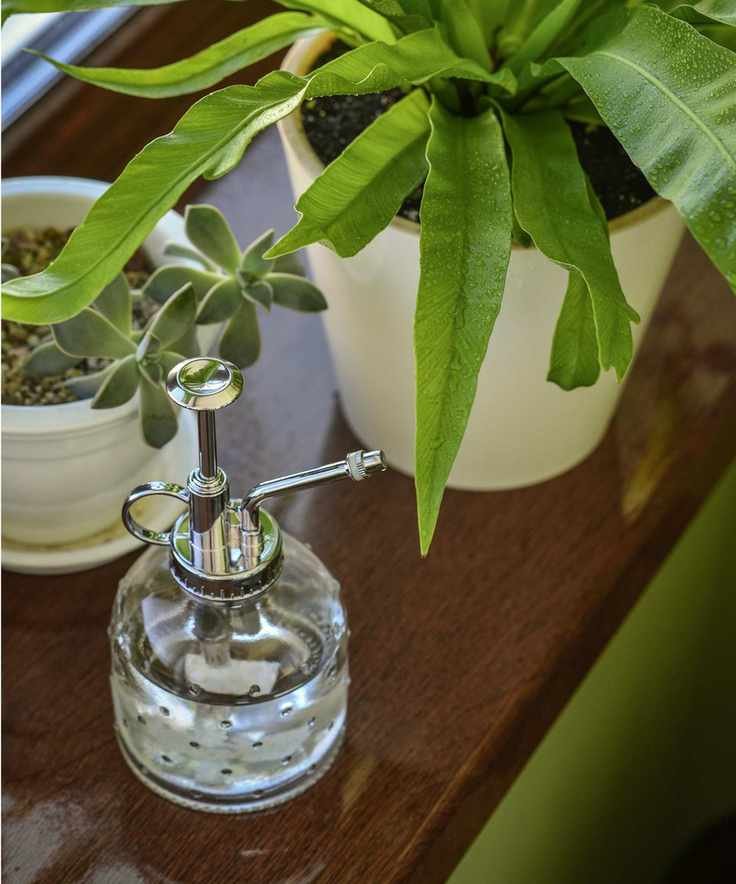
Indoor gardeners will appreciate a glass plant mister, especially for humidity-loving plants. Unlike plastic spray bottles that can release microplastics into the air, a glass mister is safer and more aesthetically pleasing. Opt for clear glass to avoid toxic metal pigments found in tinted versions.
5. Coconut Coir Mats

Whether managing a kitchen garden or a flower bed, consider replacing plastic landscaping fabric with coconut coir mats. Drew Swainston, one of our content editors, recommends them: 'Coir is made from natural coconut husks and works well as a growing medium while suppressing weeds and improving soil quality over time.'
6. Fiber Plant Pots

Fiber plant pots are an excellent substitute for traditional plastic nursery pots. Made from biodegradable materials, they allow you to plant directly without disturbing the roots. These pots are breathable, fostering healthy seedling growth and reducing the risk of harmful chemicals.
7. Glass Cold Frame and Cloches

For a compact greenhouse alternative, consider glass cold frames or cloches. They maintain warmth and protect plants from pests and harsh weather. Glass is a safer choice than plastic, preventing harmful toxins from contaminating your soil. You can also find wooden options with glass panels for added aesthetic appeal.
Non-Toxic Pest Control Methods
Non-toxic pest control can include planting pest-repellent species, using natural repellents like essential oils, or introducing beneficial insects to your garden.