
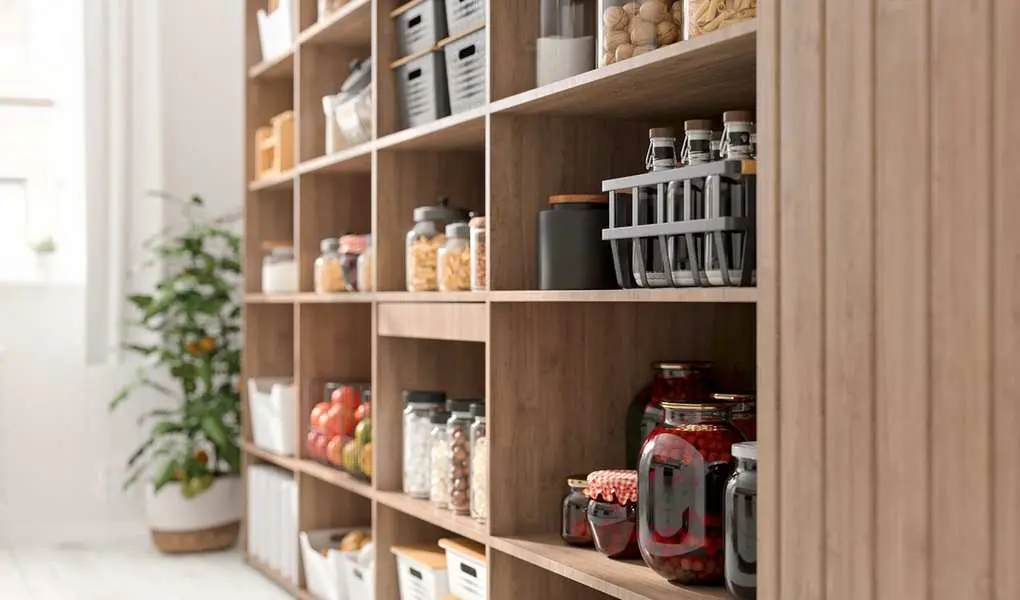
A kitchen pantry is a great storage area, but it often becomes a dumping ground for various items. Experts warn that this can reduce the lifespan of certain foods and even pose health hazards.
When organizing a pantry, prioritizing proper food storage is essential, only considering other kitchen necessities later. For instance, household cleaners (even homemade ones like vanilla vinegar) should be kept under the sink, not near snacks.
Here are 11 items you should steer clear of storing in your pantry, plus tips on where to keep them instead.
11 Items You Should Avoid Storing in Your Pantry
'Pantries have become a must-have in modern homes. We've all admired celebrity pantries that look immaculate,' says Jane Stoller, founder of Organized Jane and author of Decluttering for Dummies, at Amazon.
'While perfect organization is appealing, the goal is to use your pantry effectively and arrange it to suit your lifestyle.' With that in mind, these 11 items would be better stored elsewhere in your kitchen.

Jane, a Swiss-Canadian author and organizer, specializes in decluttering spaces and enhancing organizational processes.
1. High-Oil Foods, Like Nuts
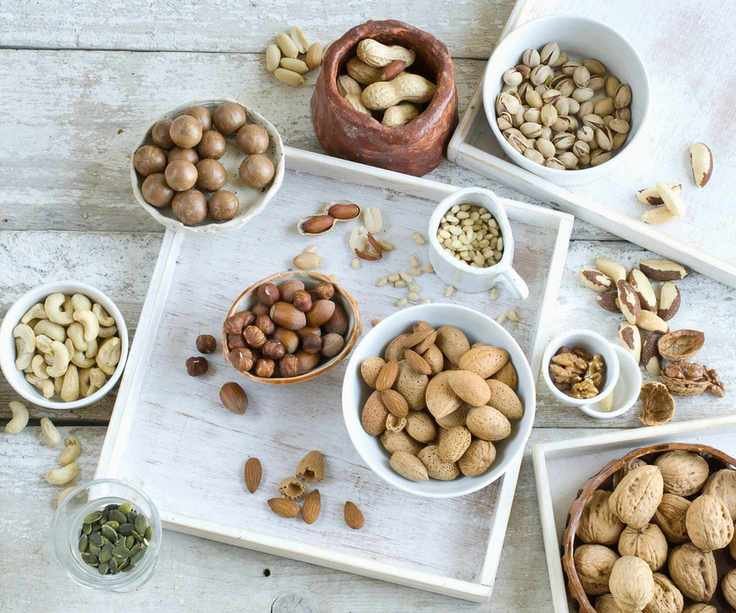
'Pantries lack temperature control, making them unsuitable for foods that spoil easily. High-oil foods, such as nuts, seeds, and coconut oil, can go rancid at room temperature,' explains Ashley La Fond, founder of the organizing company Of Space + Mind. 'Store nuts, seeds, and oils in the refrigerator, especially in a warm kitchen.'
Some oils, like olive oil, can remain in the pantry if stored in a tightly sealed container, as they can thicken in cold temperatures.

Ashley is the founder of Of Space and Mind, a company dedicated to enhancing clients' organizational efficiency.
2. Open Food Bins
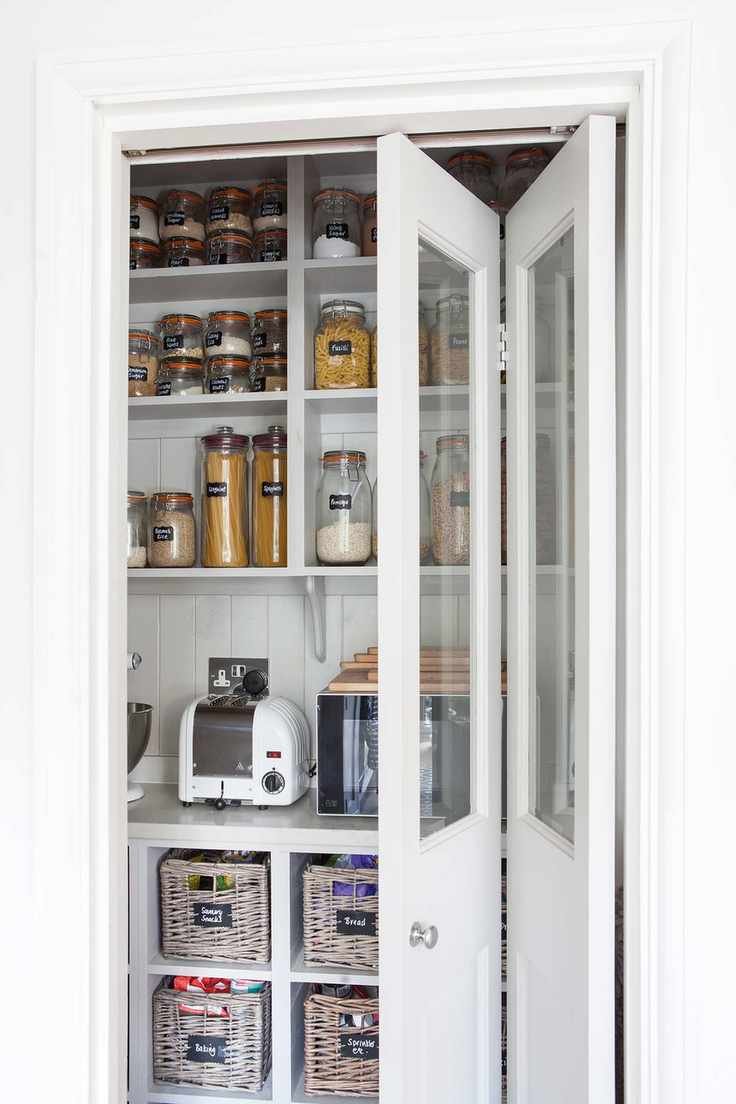
While transparent jars and matching bins can be appealing, using them improperly can lead to pest infestations. 'Avoid storing open food bins in the pantry as they can attract pests,' cautions Darla DeMorrow, a certified professional organizer and owner of HeartWork Organizing. 'Families purchasing rice in bulk should transfer open bags into smaller, airtight containers for long-term storage.'
'The same goes for birdseed, which can attract mice. Even smaller open food bags should be stored in airtight containers. Glass Mason Jars work well for small dry goods like grains and snacks.'

Darla DeMorrow is a Certified Professional Organizer®, Productivity Expert, and author. Her company, HeartWork Organizing, provides hands-on assistance for both residential and business clients.
Rubbermaid Medium Glass Container
These smaller glass containers are eco-friendly options for leftovers, keeping food fresher.
Large Glass Jar with Lid
This large jar features an airtight wooden lid, making it a stylish choice for dry foods.
Brilliance 4 Container Food Storage Set
These top-rated containers from Rubbermaid come with effective airtight seals.
3. Perishable Items, Such as Dairy and Meat
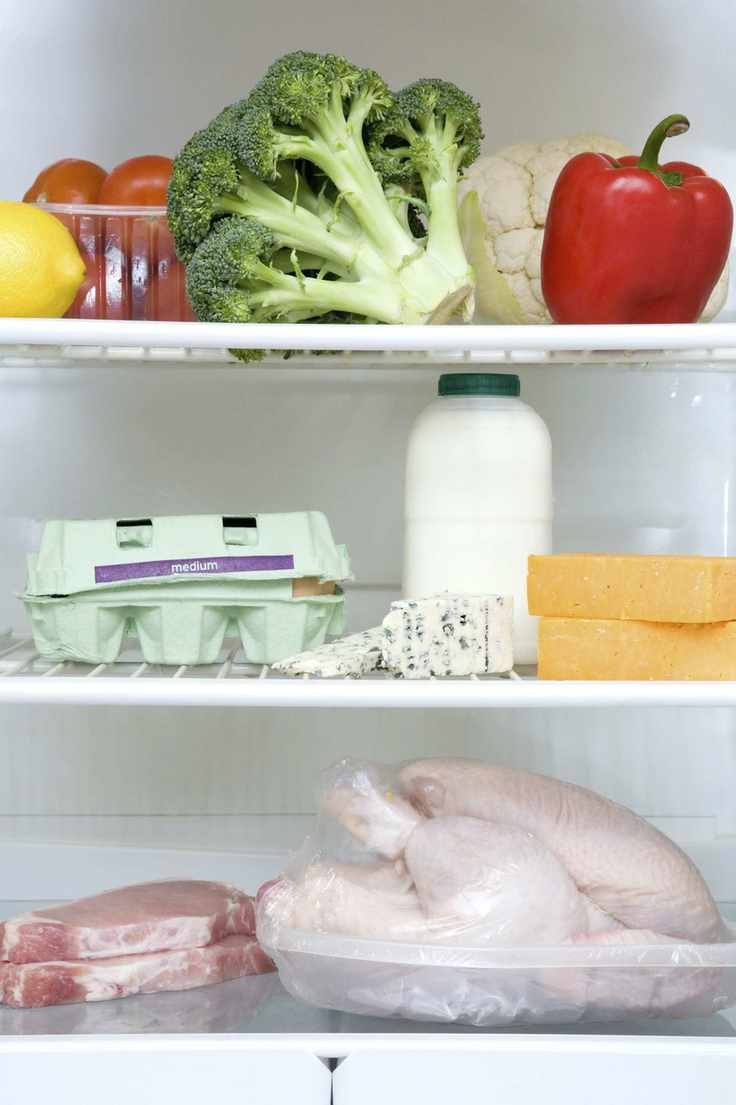
When organizing your refrigerator, ensure you store perishables away from the pantry, says Prerna Jain, operations manager at the Ministry Of Cleaning. 'Avoid storing items like dairy, fruits, and vegetables in the pantry, as they spoil quickly.'
'Store dairy in the refrigerator and strong-smelling or non-food items in a separate area. Fruits and vegetables should also go in the fridge or a cool, dark location.'
4. Kitchen Appliances

Not planning enough space for kitchen appliances is a common storage mistake. 'Avoid utilizing pantry space for appliances you rarely use,' advises Darla DeMorrow. 'If you have gadgets like a breadmaker or fondue pot collecting dust, it's best to pass them on and enjoy the extra space.'
5. Expired Spices
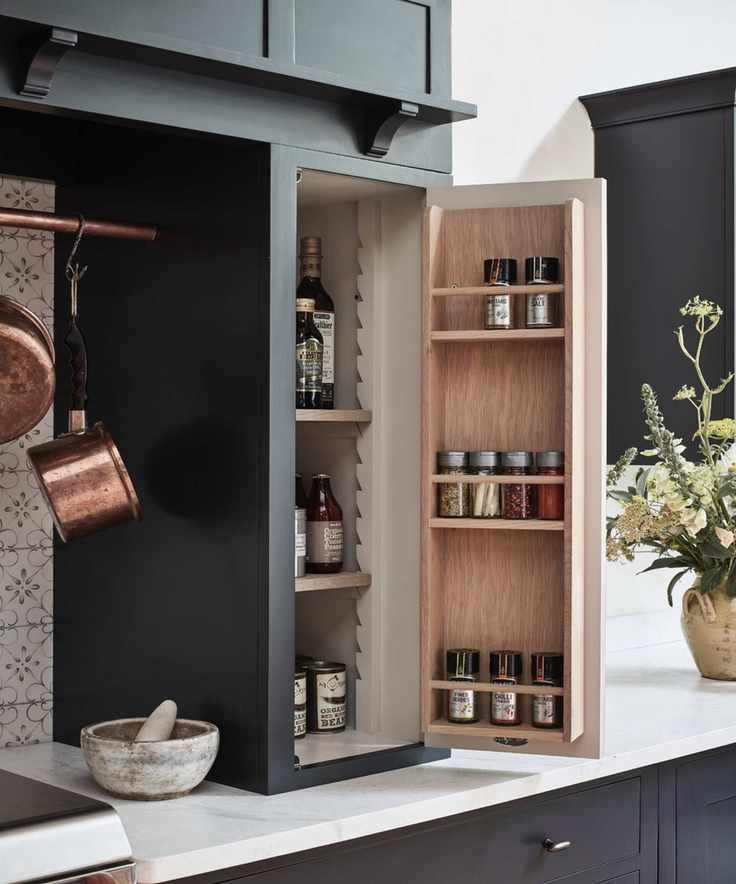
Organizing spices can be visually satisfying, but hiding expiration dates can lead to confusion. 'It's time-consuming, but essential,' says Jane Stoller. 'Many spices may be expired or unused. Discard what you don't need and keep frequently used spices at the front for easy access.'
When storing spices, always record expiration dates on the bottoms of jars to ensure freshness.
DYMO Label Maker | $48.31 at Amazon
Keep track of expiration dates with a portable label maker.
6. Cleaning Supplies
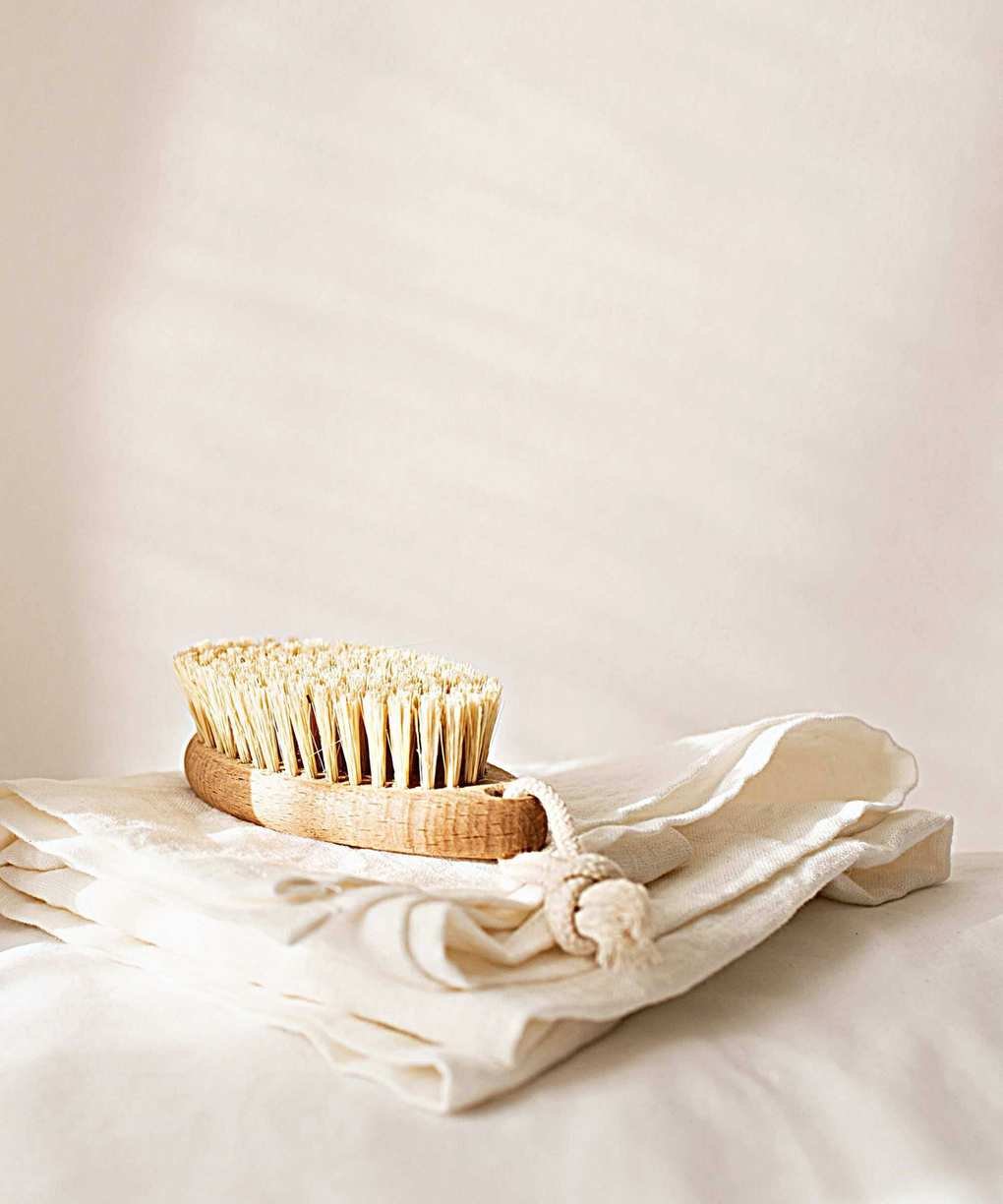
'Hazardous materials should always be stored elsewhere,' warns Darla DeMorrow. 'Cleaning supplies and chemicals can corrode and potentially contaminate food. Also, if children are around, it's safer to keep them out of reach.'
'I dislike seeing dirty items in a food pantry, like used rags or dirty shoes. Keep such things out of your pantry to maintain hygiene.'
Instead, organize under the sink to create space for cleaning products, ensuring they are kept away from food items.
7. Dish Towels
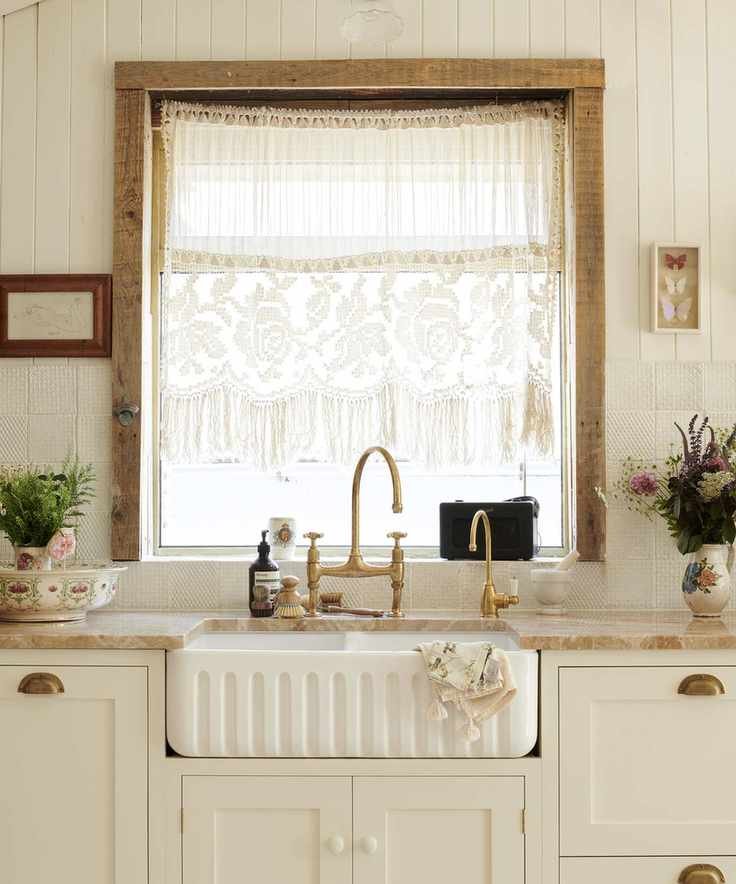
Although dish towels are just fabric, they can attract pests. 'Avoid keeping dish towels in your pantry—they can draw moths, which is not ideal near food,' says Jane Stoller. 'Consider donating worn towels to an animal shelter.'
8. Excess Food You Won't Use
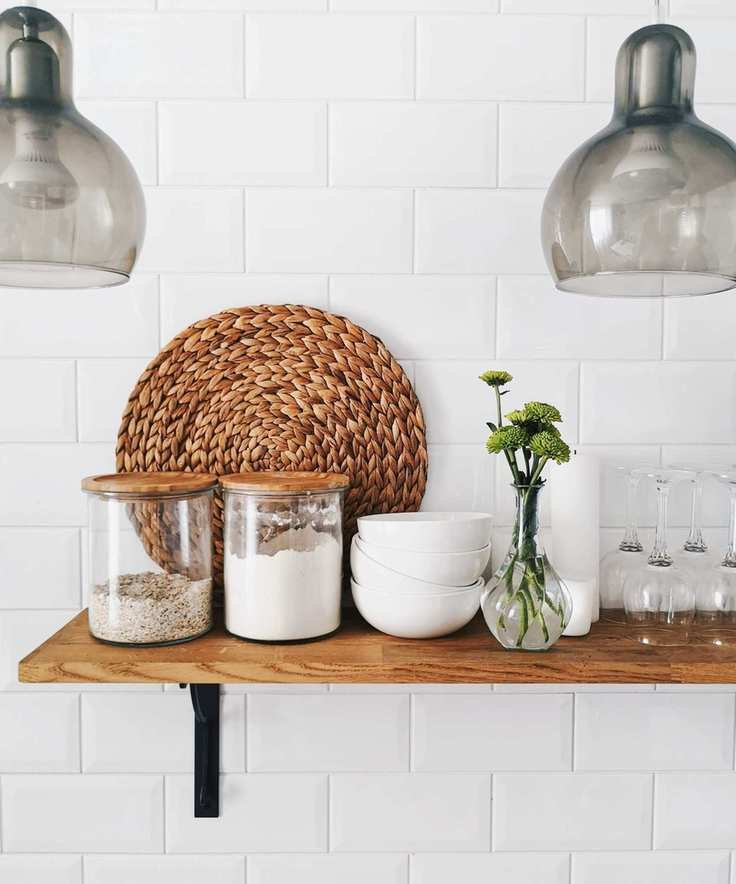
While decanting dried food into airtight containers is appealing, it may lead to overbuying. Avoid stocking perishables that your household can't consume before they spoil.
'Don't buy more food than your family can eat before it expires,' advises Darla DeMorrow. 'We've encountered cases where unopened food was discarded. If your pantry is overflowing, consider reallocating space for other items and reducing food volume to minimize waste.'
9. Containers Without Lids

Holding onto lidless containers in hopes of finding their tops simply takes up space. 'Don't keep lidless containers in your pantry. Find matching lids; if they're missing, it's time to donate them!' suggests Jane Stoller.
Once paired, consider how to organize Tupperware effectively to maximize your pantry space.
10. Cookbooks and Manuals
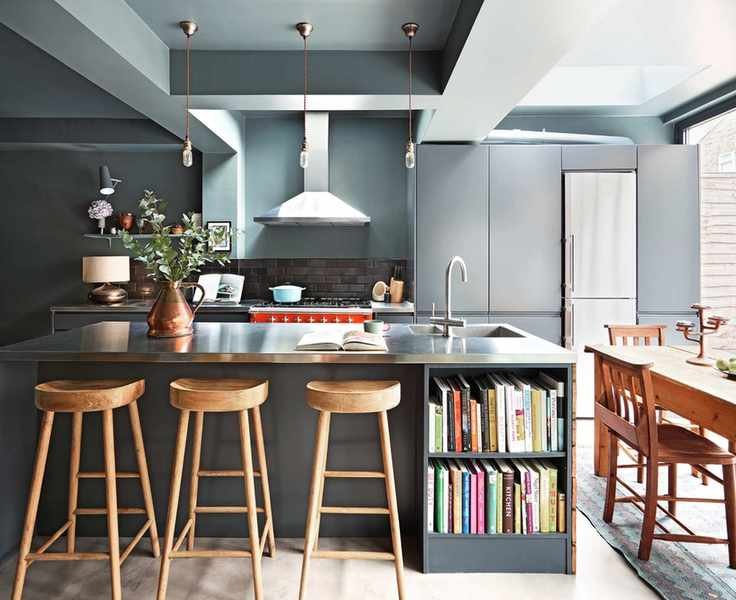
'Avoid storing non-food items like books or paperwork in your pantry,' advises Prerna Jain.
For cookbooks or appliance manuals, consider creative book storage solutions in your kitchen, like above cabinets or tucked in the dining room for easy access.
11. Maple Syrup
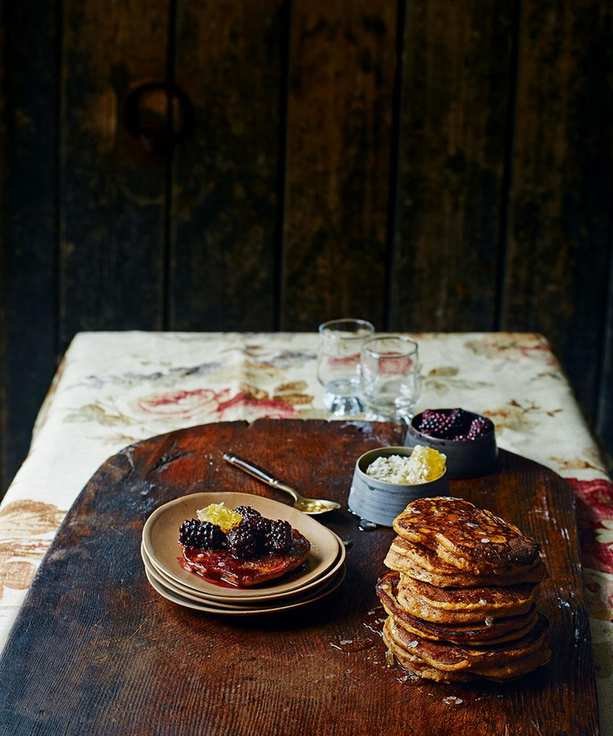
While other preserves like honey can stay in the pantry, pure maple syrup deteriorates quickly. Due to its high sugar content and lack of preservatives, it can develop mold and lose flavor at room temperature.
Once opened, ensure the bottle is tightly sealed and store it in the refrigerator to prevent spoilage.
FAQs
Where Should I Place Items in My Pantry?
Start with the middle shelves, as these are most accessible. Store frequently used items like condiments, spices, and snacks to ensure they don't go unnoticed and spoil.
What Goes on the Top Shelf of a Pantry?
Reserve the highest shelf for items you rarely use, like extra food or long-lasting products. This keeps your pantry organized and practical.



