
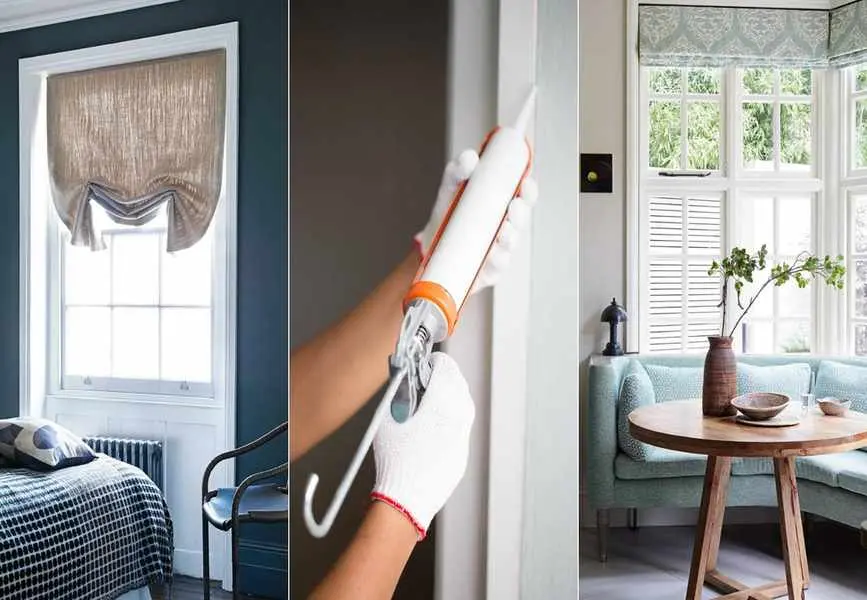
Finding a chilly breeze sneaking into your home through the windows can be quite a shock, especially in winter. I wanted a solution that didn't involve costly window replacements or complex treatments.
I turned to quick and simple DIY techniques to block these gaps and minimize cold air leaks. Below, I present my top recommendations for easy fixes to keep your space warm when temperatures drop.
DIY Techniques for Sealing Gaps in Windows
The three options listed below offer immediate relief from drafts. When spring arrives, you can easily remove them and switch to permanent solutions like weatherproofing or eco-friendly upgrades.
1. Rope Caulk

Duck Brand White Rubber Rope Caulk is a fantastic choice for winterizing windows. Cut it to the needed length and press it into place to block cold air, dust, and pests.
This soft, clay-like caulk comes in neutral colors, allowing it to blend well with most window frames.
Application: Peel off the 1/8-inch strips and shape them to fit gaps, ensuring they adhere well.
Advantages: Rope caulk doesn't leave residue and is easy to remove. It can be stored for four to five years if leftover.
Disadvantages: It can be tricky to apply, so handle the strips carefully to avoid wasting any material.
2. Removable Caulk

Dap 18354 Seal 'N Peel Removable Caulk is clear, easy to apply, and becomes waterproof within minutes. I use it for drafty windows and doors.
This sealant effectively blocks cold air leaks and dries into a clear, flexible layer.
Application: Simply squeeze a bead into cracks up to 1/4 inch and smooth it out with your finger.
Advantages: Its removability is a standout feature; when the weather warms up, it peels off effortlessly. One tube can cover up to 56 feet.
Disadvantages: You'll need a caulk gun to apply it effectively, such as this Dual Spring Trigger caulk gun.
3. Foam Backer Rods

Foam backer rods are made from durable, weather-resistant material, perfect for filling larger gaps and keeping drafts, insects, and dust at bay.
They are constructed from closed-cell polyethylene and come in various diameters, starting from 3/8 inch.
Application: Just press them into the gaps, and they'll be nearly invisible once in place.
Advantages: These rods are non-sticky and fit easily into wide openings. They can be reused if not overly compressed.
Disadvantages: Among the three solutions, this is the most temporary. Larger gaps often indicate it's time for window repairs or replacements.
These simple DIY draft-proofing methods have greatly improved my home's comfort. Each offers an affordable, straightforward way to enhance warmth in winter.



