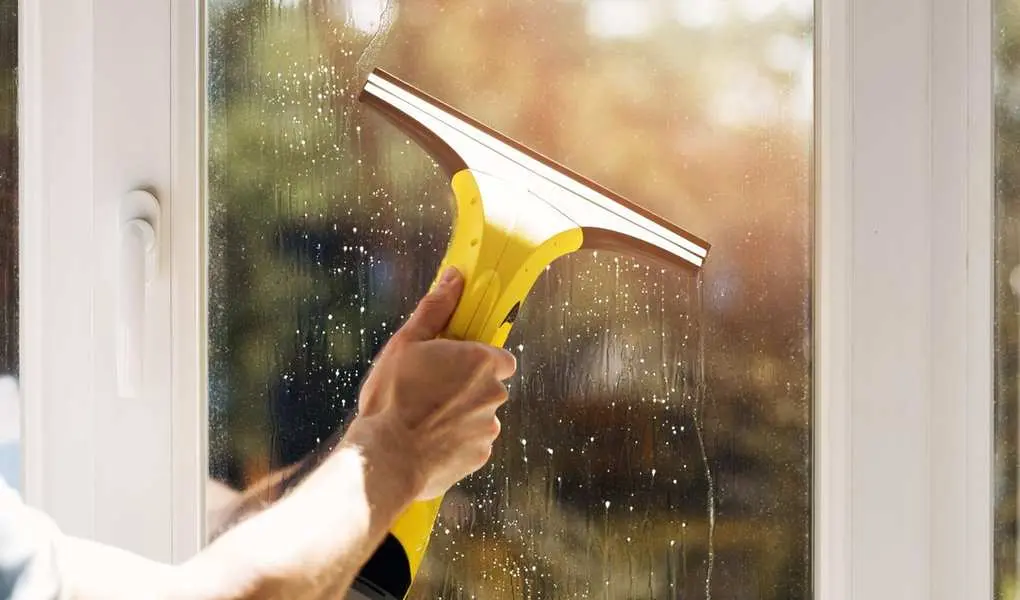
Window vacuums are becoming increasingly popular for achieving spotless glass, whether it's for traditional windows, shower glass, mirrors, or car windshields.
However, just using the vacuum isn't enough to tackle stubborn dirt. To achieve truly spotless windows, you need a reliable cleaning solution that breaks down grime and dust without leaving streaks. But what should you do when you run out of your usual commercial cleaner?
Instead of purchasing more, you can create your own eco-friendly solution for cleaning windows without streaks. I experimented with three homemade cleaning solutions designed for use with my window vacuum, and I found them to be fantastic.
The Top Homemade Window Cleaning Solutions for Your Vacuum
Window vacs operate by sucking up moisture, which helps to minimize streaks and watermarks, leaving behind gleaming glass. The ideal homemade window cleaner should effectively break down grease and grime without clinging to the glass or being too bubbly for the vacuum to handle.
After testing several options (and making a few window cleaning mistakes so you don't have to), I've identified three recipes that work seamlessly.
Before you start cleaning, gather a few essential tools:
- A window vacuum, available at Amazon
- Microfiber cloths from Walmart, or sponges, also from Walmart
- A clean spray bottle, available at Walmart, for easy application
1. Castile Soap and Water

One of my go-to solutions for freshening up windows is cleaning with Castile soap mixed with warm water. I began using this method after discovering Lisa Bronner's Soap & Soul from Amazon – it's essentially a comprehensive guide to Castile soap, filled with nostalgic cleaning tips for various tasks.
This solution is versatile enough for both indoor and outdoor cleaning. I followed Lisa's directions, mixing one tablespoon of Castile soap with one quart of warm water.
For outdoor use, I soaked a sponge in the mixture before applying it to the window, buffing to remove grime and dust. I then rinsed away the soap with plain water (using a watering can from Walmart for convenience) before using the vacuum to remove the water for a streak-free finish.
When cleaning inside, I prepared the solution in a spray bottle, giving it a good shake before lightly misting the window and allowing it to sit for a minute or two prior to vacuuming it away.
Another advantage of this solution is its effectiveness in cleaning window tracks, making it easier to remove built-up grime for smoother operation of your windows.
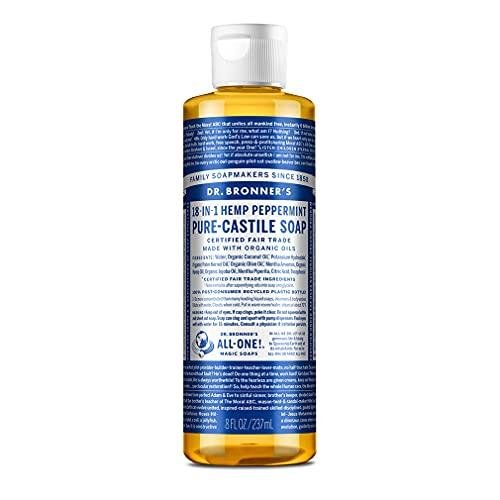
My top choice: Dr. Bronner's - Pure-Castile Liquid Soap (peppermint)
Castile soap boasts numerous uses around the home, from cleaning and laundry to personal care for both people and pets. The Dr. Bronner soaps also have the added perk of delightful scents, making cleaning a bit more enjoyable.
2. Vinegar
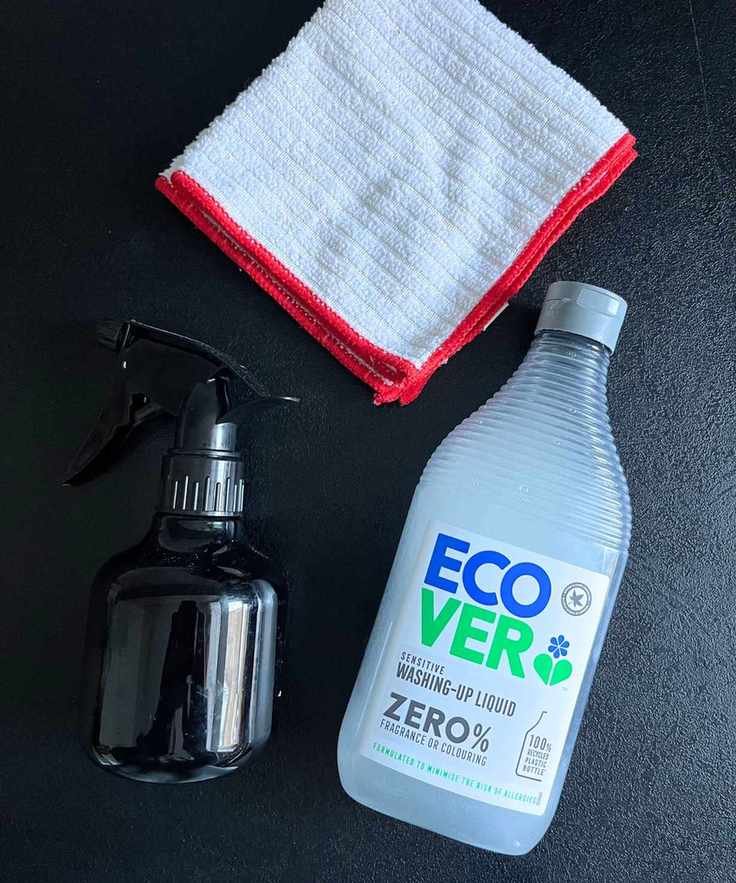
Vinegar is another classic homemade solution that excels at cleaning windows (or even glass shower doors) that are covered with hard or dusty watermarks. The acid in distilled white vinegar effectively removes limescale from shower glass and windows, breaking down minerals for easier removal. Thus, it's much more effective than the Victorian window cleaning hack we recently tested.
Punteha van Terheyden, head of Solved, states, 'Mix equal parts of distilled white vinegar from Walmart, with warm water and a drop or two of high-quality dish soap (like Dawn from Walmart) to create an easy-to-use solution for both sides of your window. The dish soap acts as a surfactant, which helps the solution spread evenly across the glass and cling to it, making buffing with a microfiber cloth or sponge easier before removing it with the vacuum.
When working outdoors, consider letting the mixture sit on the window for a minute or two to break down any limescale buildup before buffing it away.
She also advises, 'Remember to work from side to side slowly so the vacuum can operate effectively.'
3. Baking Soda and Water
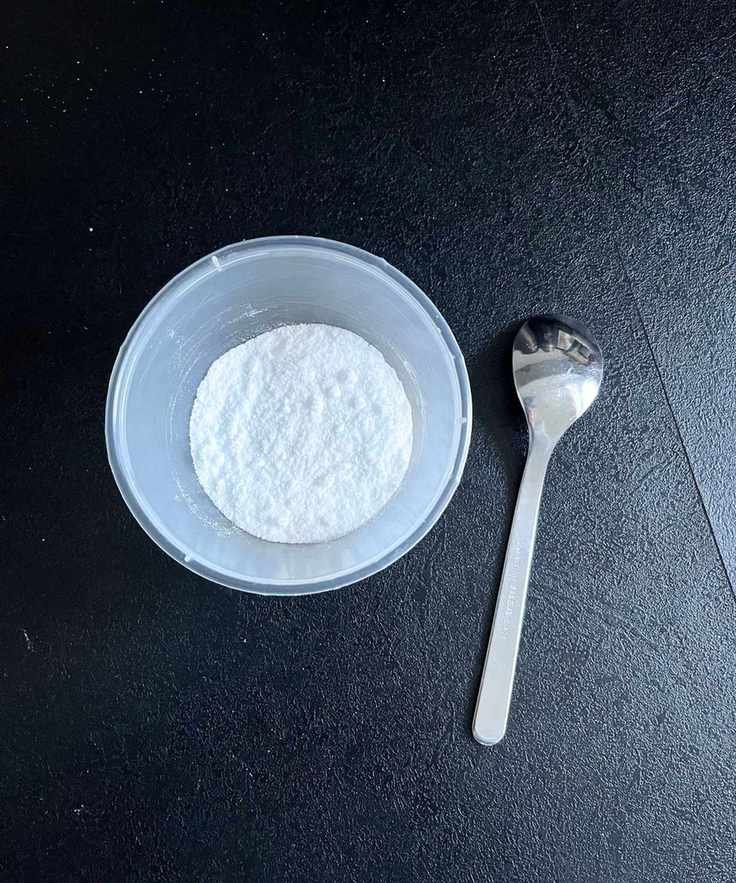
Using a powder might seem unusual, but cleaning with baking soda is a fantastic method for tackling tough deposits on the exterior of windows. I typically use it after a dusty summer rain, but it was particularly effective following some recent construction that left my window caked in grime.
To clean windows with baking soda, you need to create a paste. This is essentially a homemade version of The Pink Stuff paste, available at Walmart.
How much you need to make will depend on the size of your window, but the general idea is to gradually mix warm water with baking soda until you achieve a spreadable paste that can be scooped up with a cloth or sponge (like a Scrub Daddy, from Walmart).
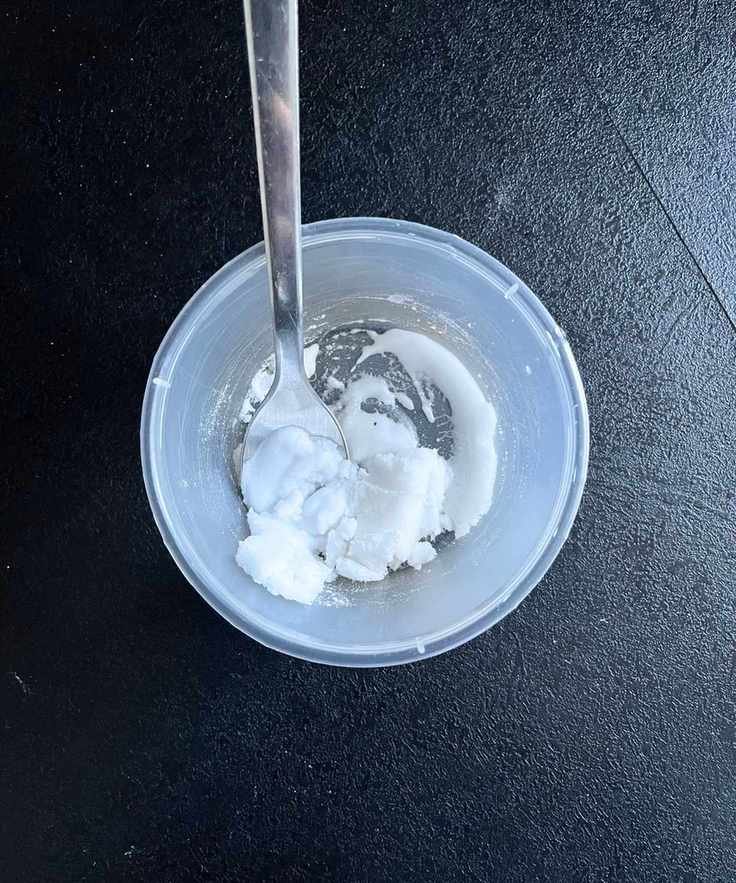
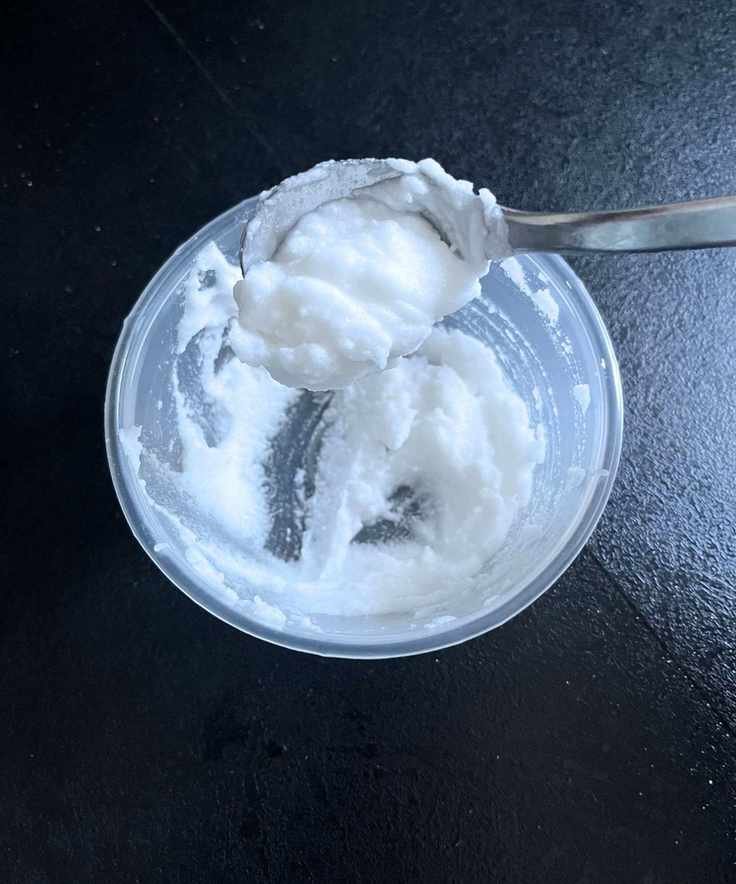

Once applied, buff the paste onto the glass. Damping the glass with plain water beforehand can help the paste glide on more easily. Ensure the entire window pane is covered before rinsing it off with water again.
Perfection isn't necessary; just make sure to remove most of the small baking soda granules before using the vacuum to extract the rest, leaving your window sparkling clean.
Baking soda is effective because it acts as a gentle abrasive that won't scratch the glass, making it easy to eliminate stubborn, stuck-on dirt.

100% pure Arm & Hammer Baking Soda
Baking soda serves as a natural abrasive that effectively breaks down tough deposits without scratching delicate surfaces like metal and glass. When mixed into a paste with water or vinegar, it is safe for use in most areas of your home.
FAQs
Why Are My Windows Streaky After Using a Window Vacuum?
If your windows still appear streaky after using a window vacuum, it might be due to pressing too hard or moving too quickly while extracting water. It requires a bit of finesse to get it right.
However, if you have experience and the streaks are a recent issue, the rubber edge of the vacuum may have worn down from frequent use, creating an uneven surface that results in streaks. It might be time for a replacement. Amazon offers a variety of window vacuums that are available for quick delivery.
What Should You Avoid When Cleaning Windows?
When cleaning windows, steer clear of harsh chemicals like bleach or abrasive tools such as hard-bristled brushes, as these can damage the glass and leave permanent scratches or cloudy marks.
With your windows gleaming, discover more about what I wish I knew before buying a window vacuum to learn additional clever ways to use these surprisingly versatile devices throughout your home.