
There's nothing quite as frustrating as a burnt-out lightbulb positioned above your staircase, especially if your stairs are already dimly lit. Climbing on a stool to replace it isn't always a safe option, but adequate lighting is essential to prevent falls during nighttime trips.
While it may be tempting to delay the change or attempt to do it in a precarious manner, prioritizing safety is crucial. We consulted experienced handymen to gather their advice on how to quickly and securely replace a lightbulb situated above the stairs without risking a dangerous fall.
Steps to Change a Lightbulb Above the Stairs
As you contemplate your staircase design, it's wise to factor in how you'll illuminate it and how you'll handle maintenance for your lighting fixtures. The last thing you want is to risk a fall while trying to adjust a lightbulb at a height.
If you're faced with a bulb that’s out of reach, don’t despair. Follow these steps to change it safely.
1. Utilize the Right Tools

Your safety comes first, and avoiding working at heights whenever possible is ideal. "Keeping your feet on the ground is the safest option," says Josh Rudin, a contractor and owner of ASAP Restoration.
"I recommend using a lightbulb-changing extension tool, available at Walmart,” he adds. “These are budget-friendly and eliminate the need for precariously stacking furniture to reach the bulbs. Most hardware stores or larger retailers stock a variety of these tools for different bulb types.”
If your only option is a ladder, ensure you take the necessary precautions to maintain stability, advises Nick Chatzigeorgakis, a remodeling expert and owner of Intrabuild:
"I suggest using an extension ladder equipped with a standoff, which helps bridge gaps and offers a secure platform. It's vital to ensure that the ladder is stable, particularly on stairs where maintaining balance can be tricky. Anti-slip mats or rubber pads under the ladder's feet can help prevent slips, a common issue we've encountered in renovation projects. This setup not only enhances stability but also protects the staircase from potential damage. Additionally, always lock the ladder in place and double-check its stability before climbing. Having a partner to steady the ladder is also a smart move."
2. Switch Off the Power
Before you begin changing the lightbulb, ensure the power is turned off at the wall switch or the main breaker, advises Shlomo Cherniak, a professional handyman and owner of Cherniak Home Services. The last thing you want is an electrical shock, especially while on a ladder.
If the bulb has just blown, allow it to cool down before proceeding with your DIY lighting tasks.
3. Wear Proper Safety Gear
Although it may not be stylish, wearing the right safety gear is essential when changing a bulb at a height, cautions Kristin Hintlian, co-owner of Bonsai Builders:
"For added safety, I always suggest wearing shoes with good traction and carrying hands-free tools like a small tool belt or pockets to hold the new bulb. This reduces the need to descend frequently."
Additionally, wearing safety glasses can protect your eyes from any shattered bulb fragments that could fall during the process, adds Shlomo Cherniak. Gloves are also advisable to prevent cuts.
4. Choose Energy-Efficient Bulbs

When selecting new lightbulbs, opt for energy-efficient options that tend to last longer. This choice not only helps lower energy expenses but also decreases how often you'll need to change them in the future.
Smart lighting is an excellent alternative, as it allows you to adjust the lighting temperature as needed or set it to illuminate automatically when you use the stairs, suggests Gabriella Dyson, Head of Solved.
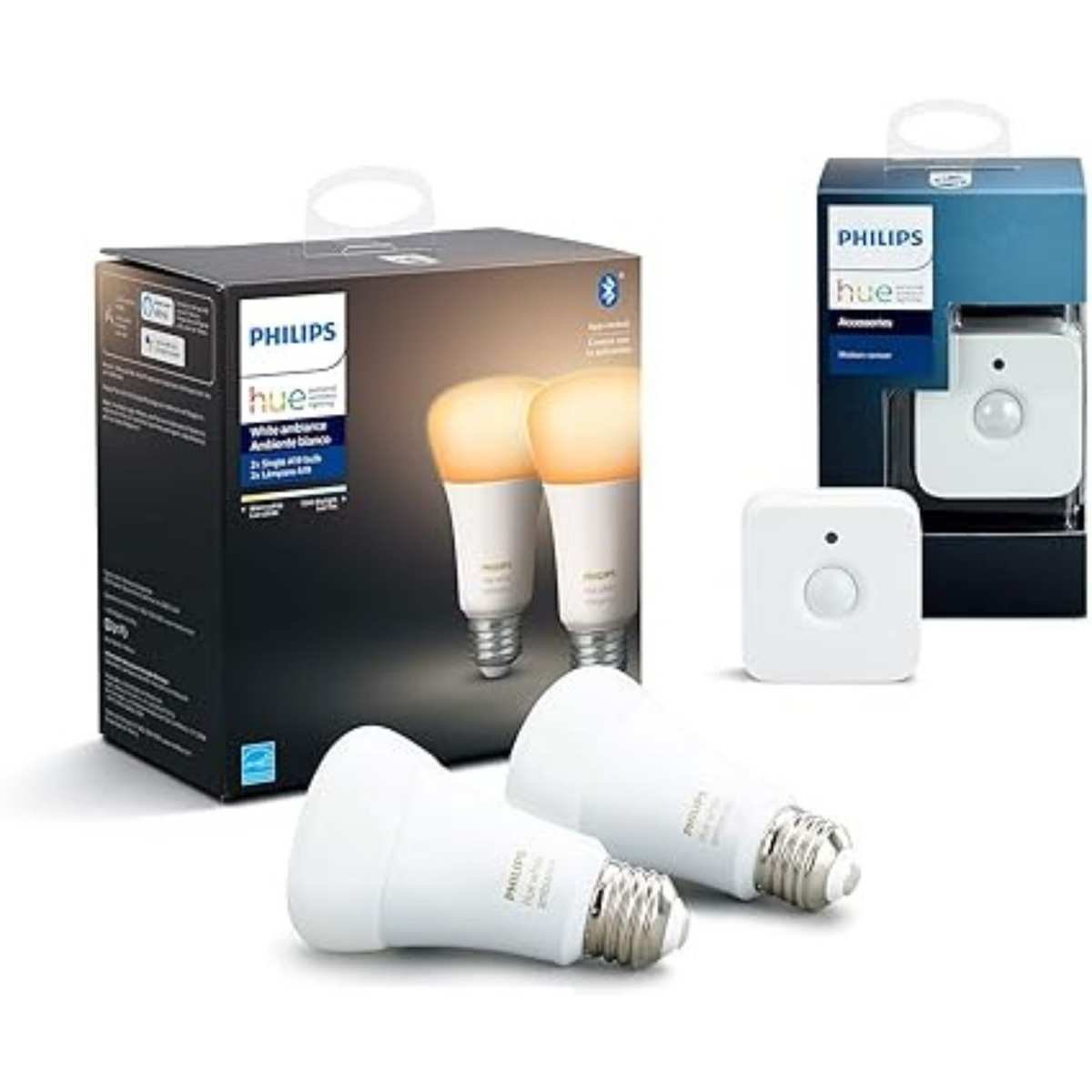
Philips Hue Motion Sensor + White Ambiance Smart Bulb
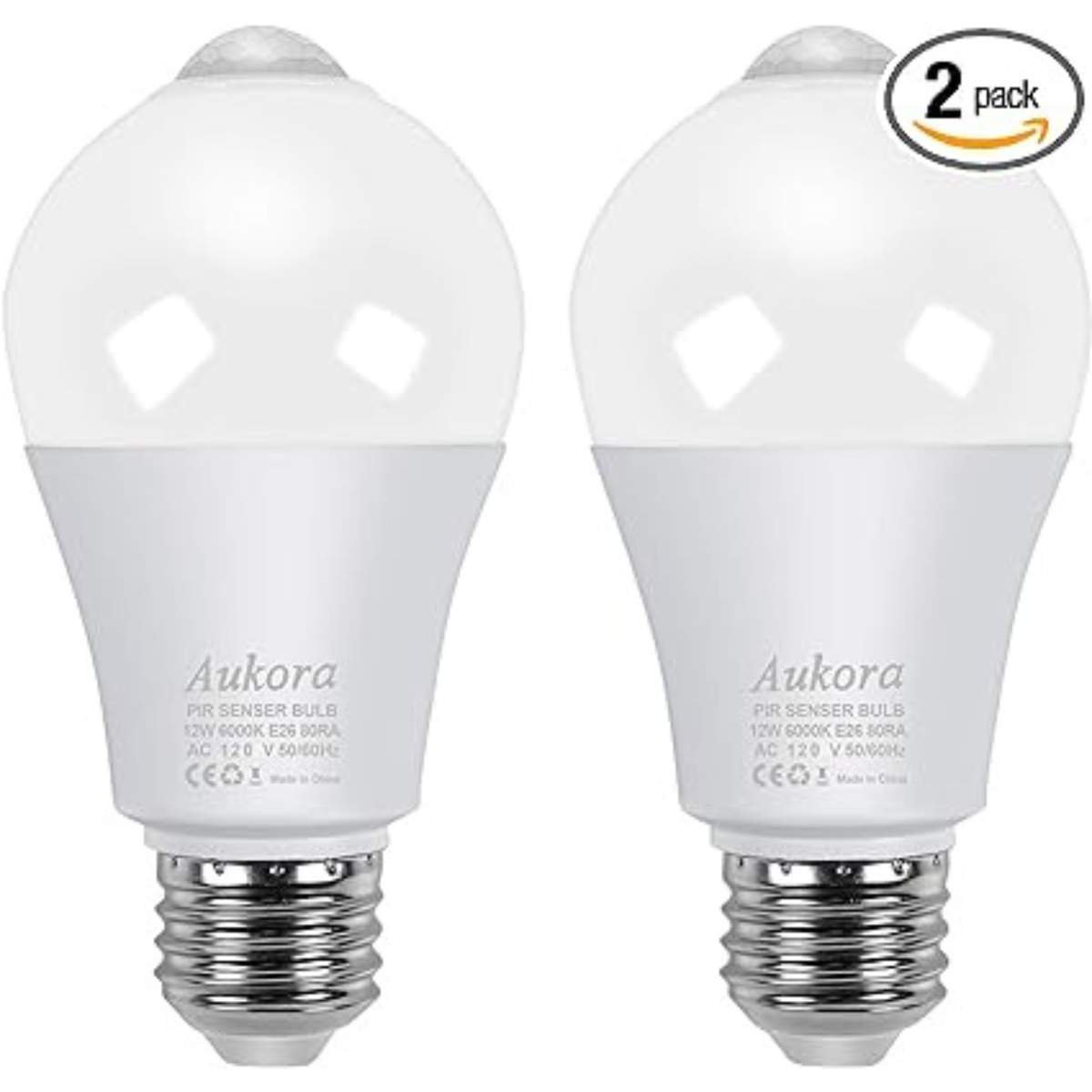
Aukora Motion Sensor Light Bulbs
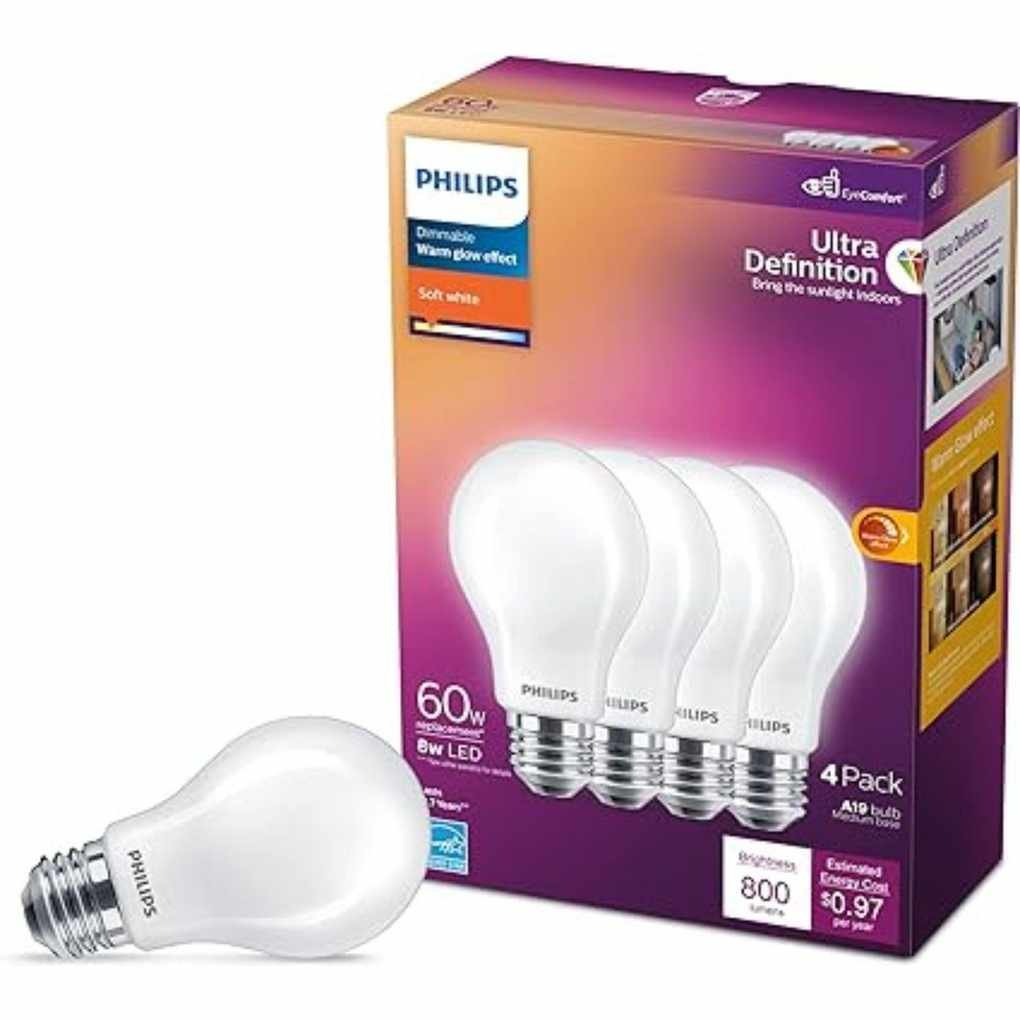
Philips LED Frosted Dimmable Light Bulbs
If you want to avoid the hassle of working at heights, consider alternative methods to light up your stairway that are both practical and aesthetically pleasing. Installing floor-level lighting on each step can illuminate your path at a height that's easy to maintain. Plus, it enhances the architectural appeal of your staircase, making it a win-win situation.



