
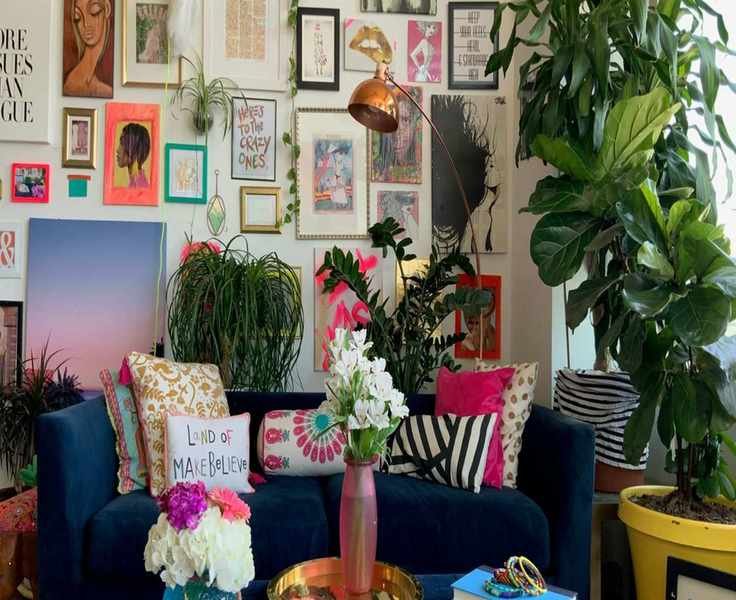
While minimalism promotes a clean, uncluttered aesthetic, maximalism embraces vibrant colors, varied patterns, and layered textures to create a unique space filled with personality. However, for some, this style can lead to feelings of stress and overwhelm.
As someone who appreciates the balance between personal items and a tidy environment, I wanted to know how to recognize when maximalism has gone too far. I consulted professional organizers to highlight four signs that you might be overdoing it and ways to find relief.
4 Signs You've Gone Overboard with Maximalism
1. Rooms Feel Overstimulating

A thoughtfully designed maximalist living room featuring neutral walls and oversized furniture for a balanced look.
If your once-unique rooms now feel overwhelming and burdensome, you may have created an overly stimulating atmosphere. Janine Sarna-Jones, a certified professional organizer, notes that while maximalism appeals to those who love showcasing collections, it can also result in visual chaos.
Tina Alimi, founder of Zen Space Organizers, shares her own experience with sensory overload. She realized that the clutter around her affected her mental clarity each morning, leaving her exhausted before the day even began.
Jamie Hord, from Horderly Professional Organizing, suggests a solution: rather than filling your space with numerous items, consider adding layers of interest through textiles or a feature wall instead of multiple decorative pieces. For example, explore the stunning wallpaper options at Anthropologie, like the Mind the Gap Vintage Ikat Wallpaper, which beautifully combines gold and black for a striking effect.
Alternatively, the Morris & Co. Pimpernel Wallpaper features vibrant prints paired with intricate leaf designs, perfect for those who love a maximalist look.
2. Clutter Overwhelms Your Space
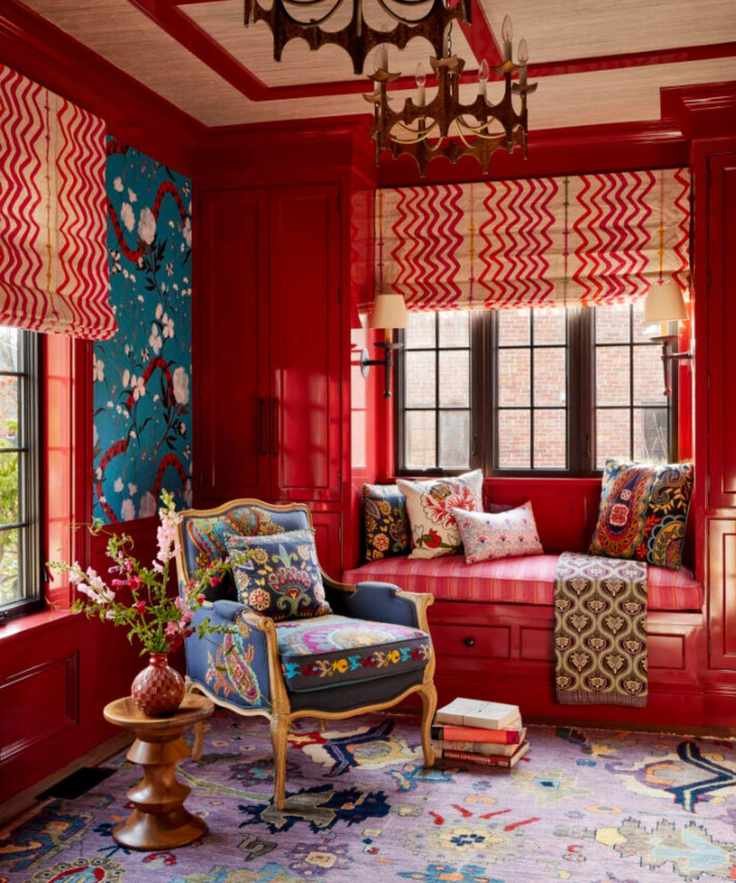
Combine colors and textures effectively to avoid the feeling of clutter, as illustrated here.
Maximalists often have a larger collection of belongings, leading to potential clutter. Tamara Meyer, founder of Nashville Neat Freaks, points out that difficulty in locating favorite items among numerous collectibles is a clear sign of excess. When your beloved items disappear amid the clutter, it's time to reassess.
To tackle the issue of clutter, start by sorting possessions into categories of duplicates or similar items. You might find you have multiple sets of coasters for just two tables. Identifying duplicates can serve as a starting point for decluttering.
3. You Feel Time-Pressed
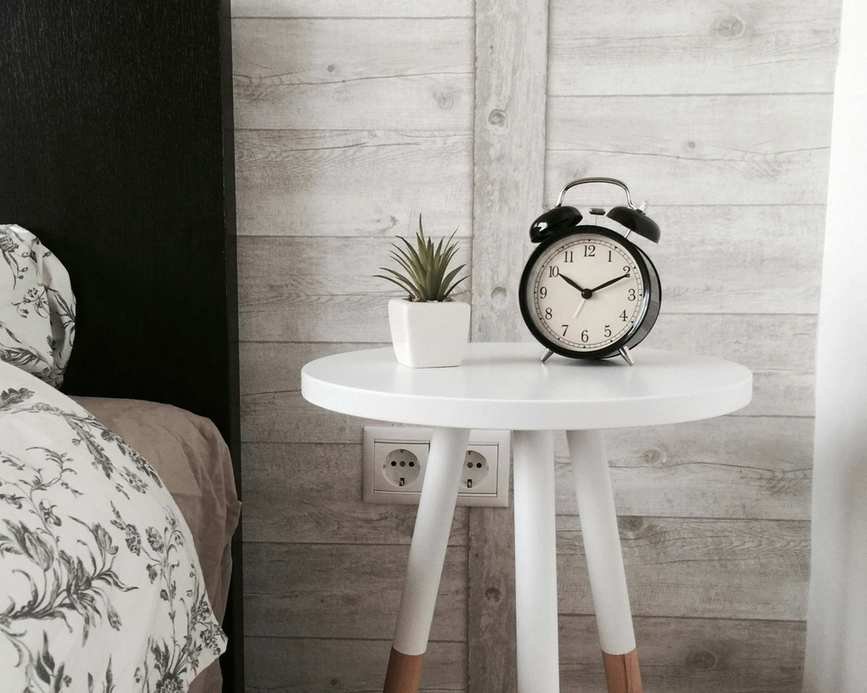
A saying I once heard resonated with me: 'Every item in your home consumes not just space, but also time for upkeep.' Sarna-Jones emphasizes that if maintaining a maximalist collection feels burdensome, it might be time for a reevaluation.
Consider why you've chosen to collect these items and how they contribute to your life now. Do they bring you joy, and how often do you engage with them? If you were to lose one, how would that impact you?
Using these reflections can ease the process of letting go. Rather than viewing it as a loss, think of it as sharing the joy your items provided with others through donations or sales.
4. You Feel Embarrassed When Guests Come Over
Even if you love showcasing your collections, you might secretly feel that your space is cluttered. This can lead to discomfort when hosting friends or family, as concerns about their judgments arise.
Sarna-Jones highlights that clutter can make navigating a space challenging, adding to feelings of unease. Alimi notes that while maximalism can be vibrant and expressive, it shouldn't become an exhausting obligation to maintain.
Finding joy in your space doesn't require overwhelming every room with items. Instead, seek a middle ground between cherishing your belongings and keeping your space manageable. Reflect on what truly matters to you and create a home that feels both personal and inviting.
For more on simplifying your living space, consider insightful reads like 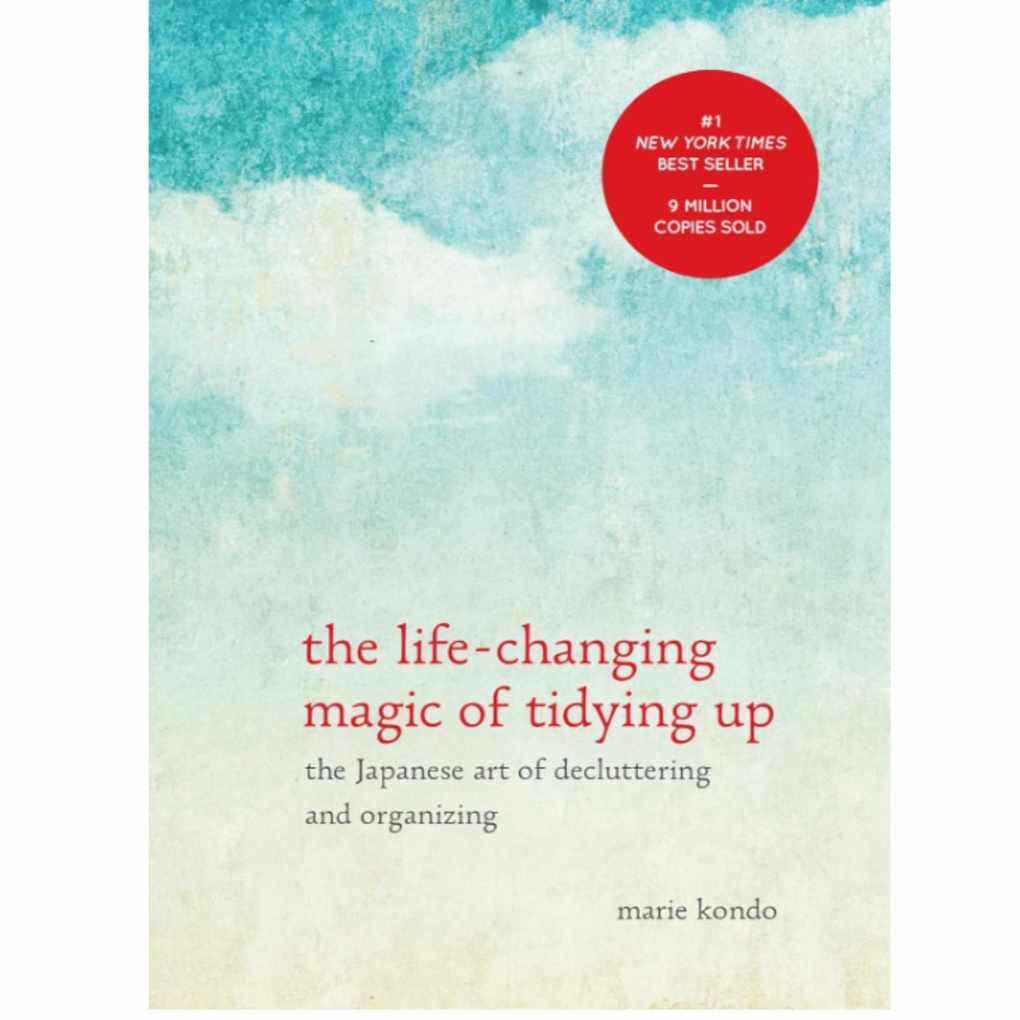 The Life-Changing Magic of Tidying Up, which offers powerful strategies for decluttering.
Or explore 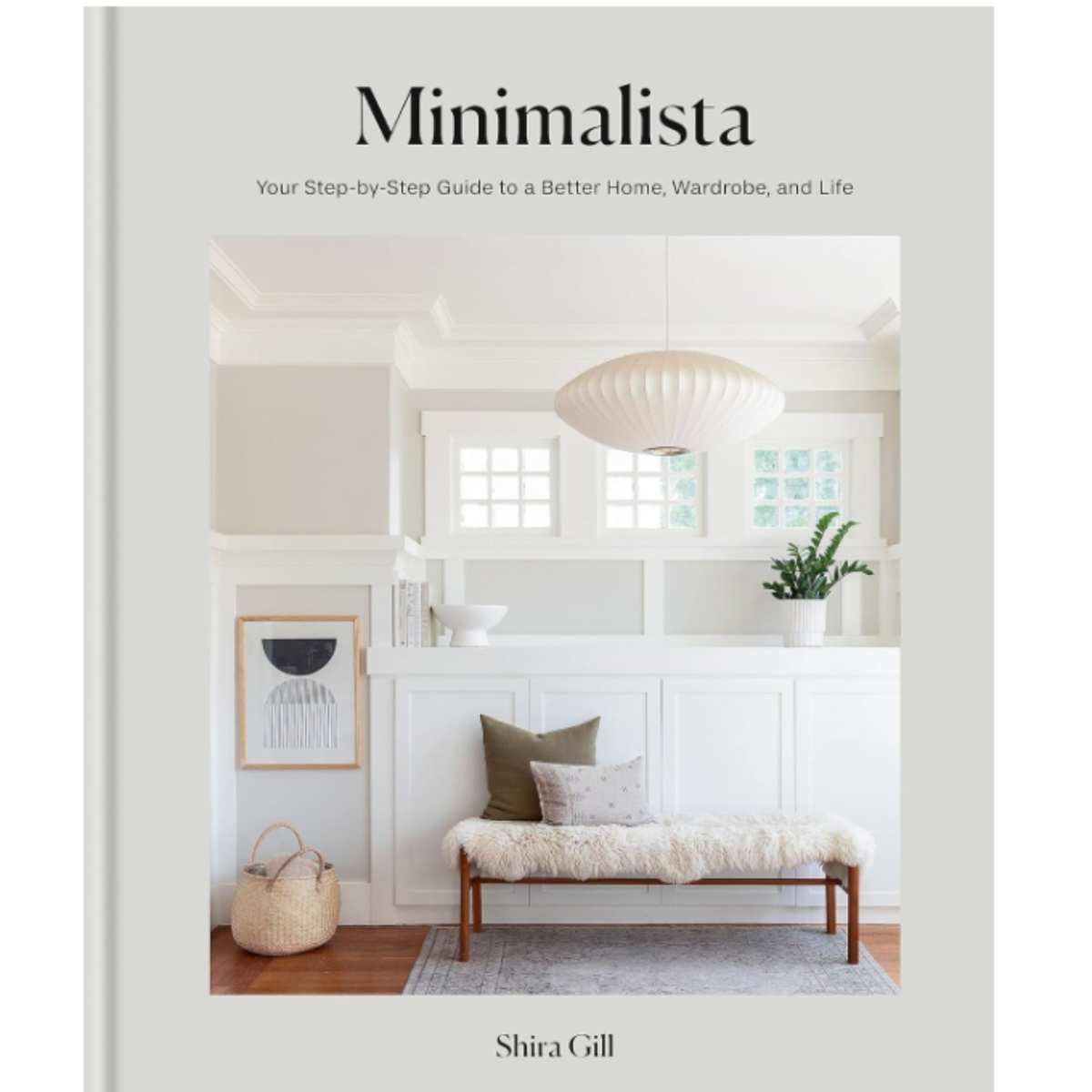 Minimalista: Your Step-by-Step Guide to a Better Home, Wardrobe, and Life, which offers a practical approach to changing your outlook on possessions.
Lastly, 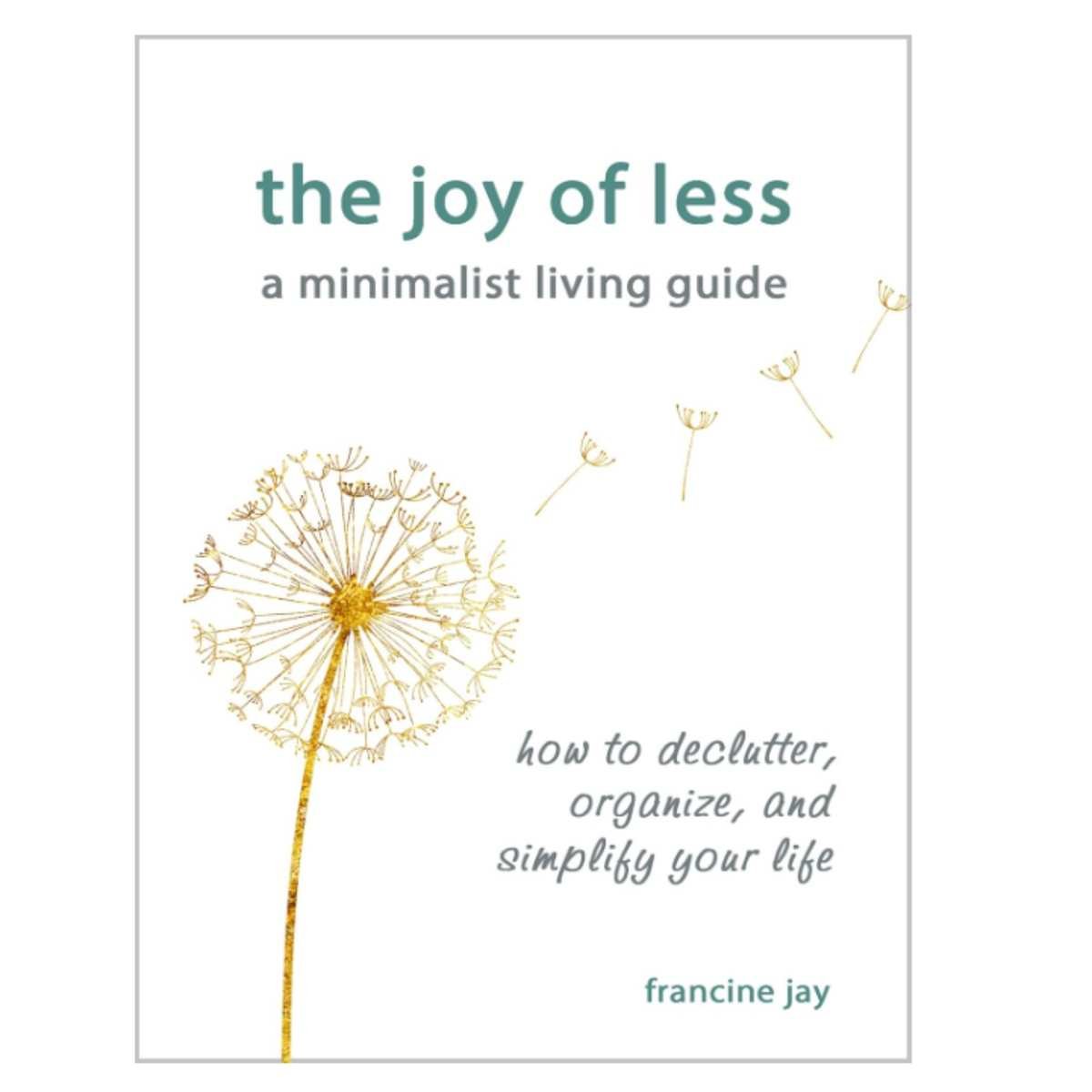 The Joy of Less, A Minimalist Living Guide outlines effective methods for simplifying your life and creating a more serene environment.
It's essential to find a balance in your home. Take a moment, jot down your thoughts, and reflect on what truly matters to you. Best of luck on your journey to a more harmonious space.



