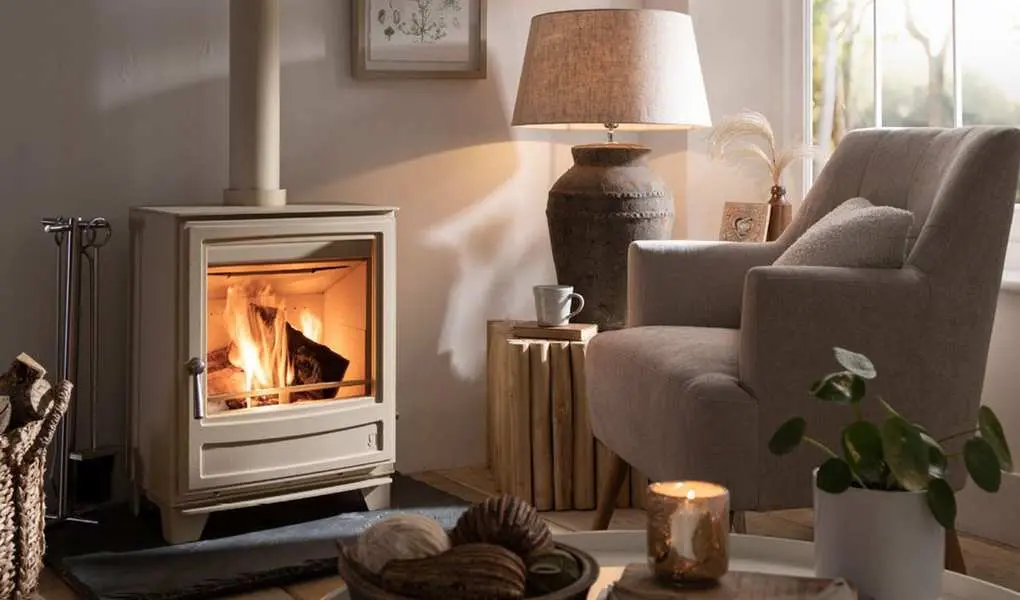
There's nothing quite like a warm log fire during winter, but adding logs too quickly can extinguish the flames and cause blowback. So, what's the best way to start a fire in a fireplace?
Many factors influence how your fire burns, from the type of logs to the setup of your fireplace.
Here are four key considerations to successfully start a fire in your fireplace and ensure a perfect burn.
Starting Your Fireplace Fire
Before lighting your fire, make sure to prepare your chimney for winter. This ensures it's free from blockages and any potential damage won't worsen. It's wise to have it professionally serviced and cleaned for safety.
Once that's settled, you can ignite your fire.
Stacking Wood in Your Fireplace
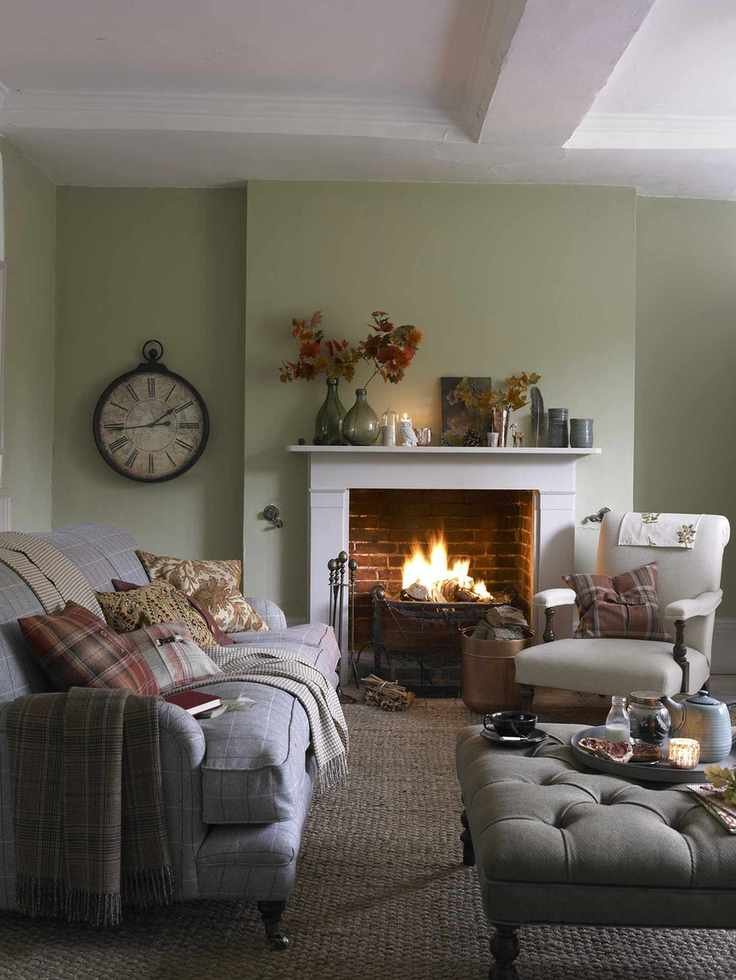
Fireplace expert Richard Fewings shares two effective ways to stack firewood in wood burners:
Upside-Down Method
If you're new to lighting fires, the upside-down method is a foolproof way to get your fire going without smothering it prematurely. Richard explains, 'To ensure your fire ignites regardless of conditions, turn the traditional method upside down. The key is to establish the draw quickly by warming the air in the flue system.'
'Begin by placing a large log with a flat surface on the bottom of your stove (keeping a layer of ash underneath). Create a grid pattern of kindling on top of this log – three pieces front to back and three left to right, leaving gaps for firelighters. Once lit, the fire will spread to the kindling and then to the log below, allowing you to gradually increase the size of the logs.'
This method also applies to maintaining an ongoing wood fire: limit primary air and utilize secondary air.
Traditional Method
If you're comfortable lighting a log fire, the traditional method is ideal for gradually adding firewood to control heat and burn duration. Richard notes, 'Start small and build your fuel bed as the fire grows. Use newspapers and/or firelighters beneath small kindling strips (a pyramid shape is visually appealing) to ignite a small flame. This initial warmth will heat the flue enough to establish your fire, allowing you to slowly add more wood.'
'Once you're satisfied, slowly close the stove door and reduce primary air. The fire may dampen briefly due to reduced oxygen, but with sufficient draw, it will re-establish. Use the secondary air control to manage the burn rate.'
Best Ways to Ignite a Fireplace
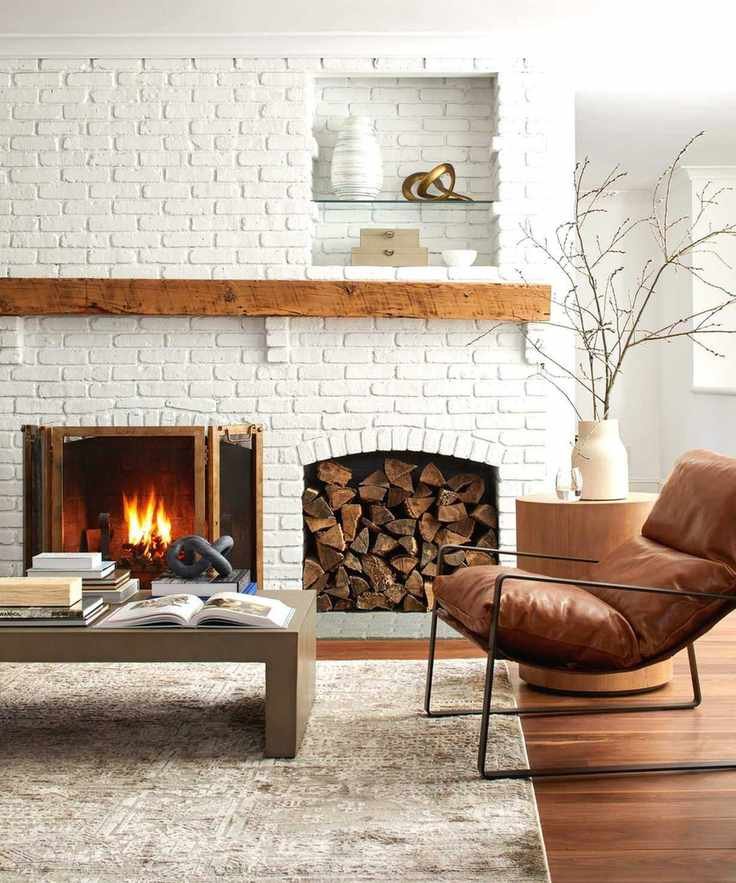
When lighting your fire, you can choose from various ignition aids. Kindling, newspapers, or commercial firelighters work well—it's all about personal preference.
'I always start with kindling,' says Jason Hitchcock, founder of Survival Stoic. 'These small pieces usually come from leftover firewood or misfit shapes. They should ideally be under one inch in diameter and dry, as more surface area helps the fire ignite quickly.'

After the EF4 tornado devastated his neighborhood, Jason founded Survival Stoic to share survival tips. With an engineering background and a love for the outdoors for over 45 years, he emphasizes the importance of fire safety.
He also occasionally uses paper—scraps from newspapers or junk mail work well—to help kindle the fire while also eliminating clutter. This method is often eco-friendly.
Commercial fire starters, fire plugs, or logs are quick-burning alternatives for reliable ignition, but they can be expensive and less environmentally friendly. Jason keeps them in his camping gear for emergencies.
Enviro-Log Fire Starters 24 Ct, Case
Was $23.01 | Now $9.76 at Walmart
These eco-friendly fire starters made from recycled wax offer up to 20 minutes of burn time with consistent flames.
Choosing the Right Firewood
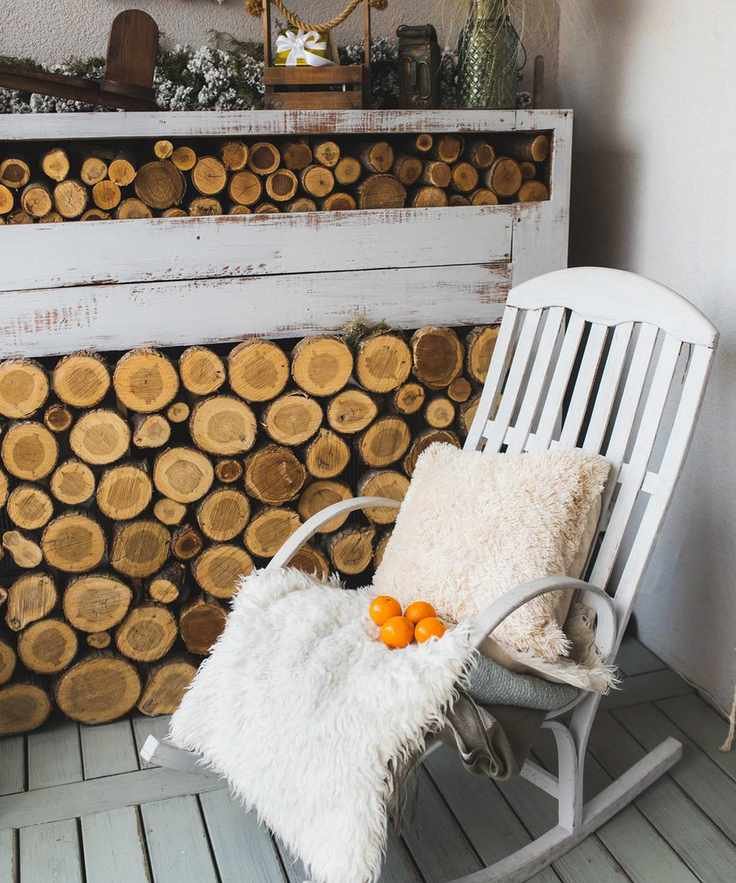
The type of firewood you select is crucial for a successful and clean burn. Jason advises using dry hardwood:
'Oaks, Hickories, and Poplars are ideal. I prefer hardwood that's been cut for at least a year to ensure it dries properly. Wet wood produces more smoke and doesn't burn as efficiently. I avoid softwoods like Pines or Firs due to excess smoke and resin that can create a mess.'
Avoid common firewood storage mistakes by keeping logs dry and pest-free.
Understanding Your Flue
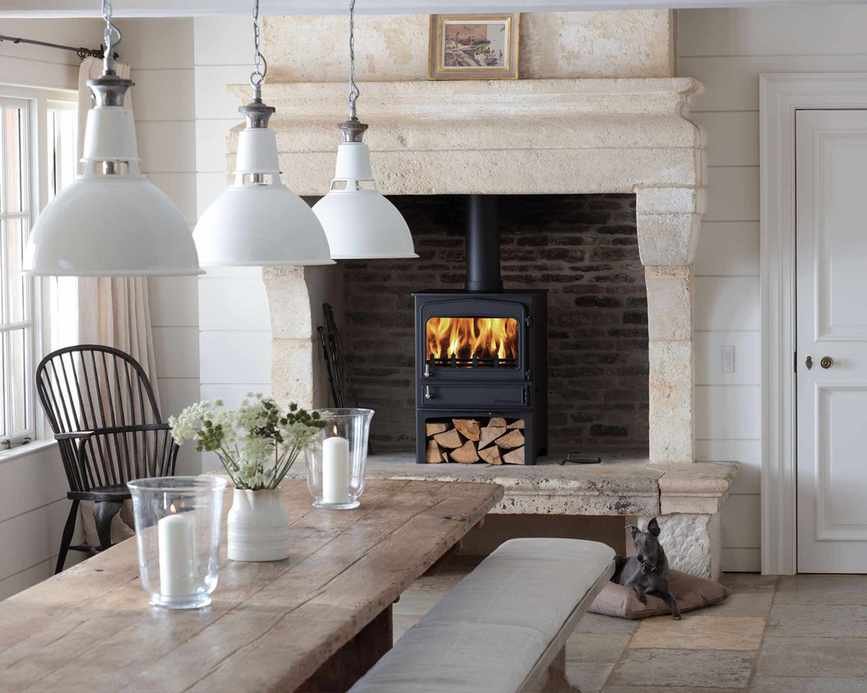
'Your flue isn't just for channeling smoke; it significantly impacts how your log fire burns,' Richard explains. The flue's height and fireplace size work together to create a good draw, directing smoke away from your living space.
Richard recommends a flue height of at least four and a half meters to maintain the necessary air pressure difference for effective draw:
'This principle relies on physics—air seeks equilibrium. If air pressure is lower at the flue's top, it will draw air upward. Once the chimney warms up, hot air creates a stronger draft.'

'To light a fire successfully, ensure your flue is tall enough for initial draw and heat the air in the flue quickly to maximize the draft.'
Flues must also be the right diameter for the stove. A flue liner is recommended to minimize the air volume needing to be heated, making lighting easier.
It's wise to know when to clean your chimney to prevent blockages and consult an expert for selecting and fitting the proper stove and flue size for seamless operation.
Common Questions
Why Won't My Fire Start?
If your fire keeps extinguishing, it may lack oxygen. Check that your chimney damper is open, especially if you experience blowback. If it is, consider scheduling a cleaning to eliminate potential blockages.
How Can I Tell if My Chimney Flue is Blocked?
Signs of a blocked flue include smoke entering your home, alarms triggering when lighting a fire, and quick burnout of your fire. If you notice these issues, cease use of your fireplace and consult a professional for cleaning.
When using a log-burning stove, prioritize safety. Regularly clean your flue and fireplace to prevent flammable soot buildup, and be cautious while decorating your mantlepiece to avoid any hazards.