
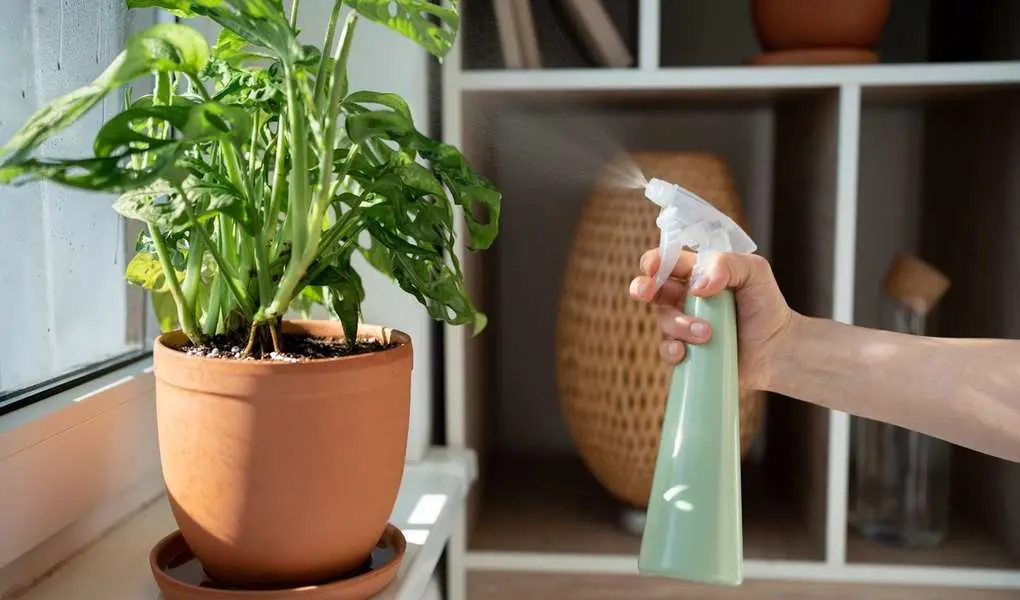
If you cherish your indoor plants, spotting aphids can be quite distressing. These tiny pests can wreak havoc on your green companions.
While chemical options exist, numerous DIY sprays can help you eliminate aphids without harmful substances. Many of these remedies utilize common household items.
Here, experts share their top recipes for DIY aphid sprays and explain how these eco-friendly solutions can eliminate aphids effectively.
Creating Your Own DIY Aphid Spray
Aphids breed rapidly, leading to potential infestations before you're even aware. They often enter homes through small openings or hitch a ride on your plants.
Fortunately, these soft-bodied insects are relatively easy to manage and eliminate.

1. Neem Oil Spray
Neem oil is a favored natural solution for addressing aphids and other common pests. Derived from the seeds of the Neem tree, it's a safe option for your indoor plants.
To create a neem oil spray, mix two teaspoons of neem oil, one teaspoon of mild liquid soap, and one quart of water, advises a gardening expert. 'Neem oil disrupts aphids' life cycles, hindering their feeding and reproduction,' they note.
Apply this mixture every seven to ten days until the aphid population decreases.
2. Alcohol and Water Spray
Using rubbing alcohol is another effective method to tackle aphids. The high alcohol content dehydrates their vulnerable bodies, removing pests that threaten your plants.
To prepare an alcohol spray, combine one part rubbing alcohol and three parts water in a spray bottle. Apply this mixture directly to aphids weekly until the issue resolves. Be cautious with sensitive plants, as alcohol may harm leaves, especially in sunlight.
For gentler control, consider neem oil.
3. Garlic and Water Spray
Garlic is renowned for its pest-repelling qualities, making it an excellent addition to your aphid-fighting arsenal. While you might not want garlic plants indoors, its scent can effectively deter these pests.
To concoct this spray, blend two garlic cloves with one quart of water, strain, and mix in a few drops of liquid soap. Alternatively, a permaculture designer suggests: 'Soak a crushed garlic clove in hot water. Once cooled, strain and add a few drops of dish soap. Fill a spray bottle and apply directly to affected areas. Use every seven to ten days as required.
4. Soap and Water Spray
Dish soap is an unexpected yet powerful pest control ally. It makes it difficult for pests to cling to your plants, effectively suffocating aphids, as noted by a gardening expert. Combine one to two teaspoons of mild liquid soap with one-quarter cup of water.
Mix this solution in a spray bottle and apply directly to aphids. The soap disrupts their protective coating, leading to dehydration. Use this spray every four to seven days until control is achieved.
5. Essential Oil Spray
If you prefer to avoid the scents of alcohol or garlic, consider using essential oils. Many of these oils have aromas that pests dislike while also freshening your home.
For this spray, mix four to five drops of rosemary, clove, cedar, orange, or peppermint oil (or a blend) with a cup of water in a spray bottle. Apply generously from leaf to root. Essential oils repel aphids, ensuring that any that aren't killed will want to leave. Always dilute your mixtures, as too much oil can harm your plants. Use every four to five days, and once the aphid numbers dwindle, switch to every two to three weeks to prevent a comeback.
Using Your DIY Aphid Spray
To effectively manage aphids, focus on both prevention and treatment to stop them from spreading between plants.
It's advisable to isolate affected plants away from others and thoroughly spray visible aphids with your chosen solution,' states a pest control professional. 'Repeat as needed until all signs of infestation are gone.'
Regularly inspect your plants, particularly the undersides of leaves and new growth, and use essential oil spray to deter future infestations,' they suggest.
Since aphids are generally attracted to new growth, trimming any infested areas and disposing of them can help lower their numbers significantly. Physically removing heavily infested foliage is an efficient way to control the population.
Identifying Aphids
Aphids are simple to recognize. These small, soft-bodied insects feed on plant sap, which can lead to yellowing, curling, or dropping leaves. They also produce a sticky substance called honeydew, which may encourage sooty mold growth.
The best approach to managing aphids is to implement sprays and preventive measures as soon as you notice signs of their presence. Keep a close watch on your plants for indications of aphids, like white cast skins, honeydew, or ant activity, and use these sprays to maintain healthy, aphid-free indoor plants.



