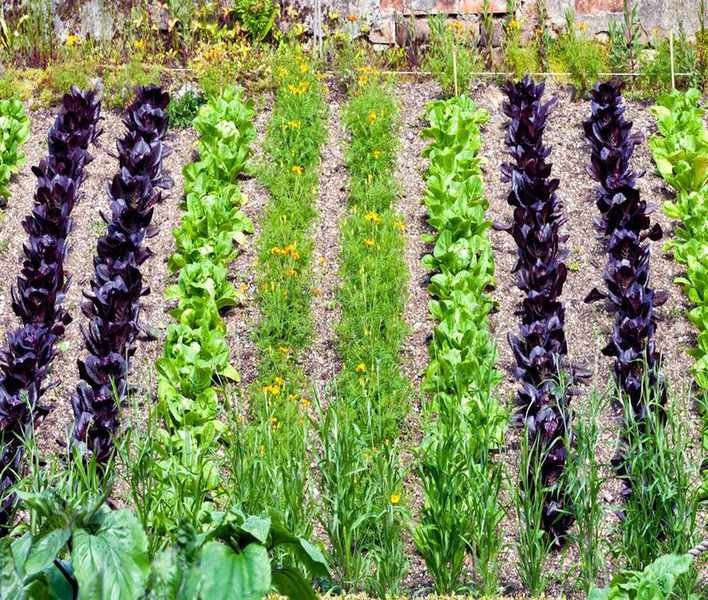
Summer brings a host of pests that can wreak havoc on your plants if you're not careful. Now is the perfect time to inspect your garden for signs of pests preparing to invade.
Managing these plant pests is essential for vibrant flowers and a thriving vegetable garden. They not only damage plants but can also spread various pathogens. If left unchecked, you might have to resort to chemical methods, which can harm beneficial wildlife like bees and butterflies.
Regular checks on your garden will help you catch pest issues early, allowing you to use natural solutions before considering harsher measures. Discover how to prevent pests that threaten your plants and learn to identify signs of plant diseases. We'll guide you through simple natural methods to eliminate common pests.
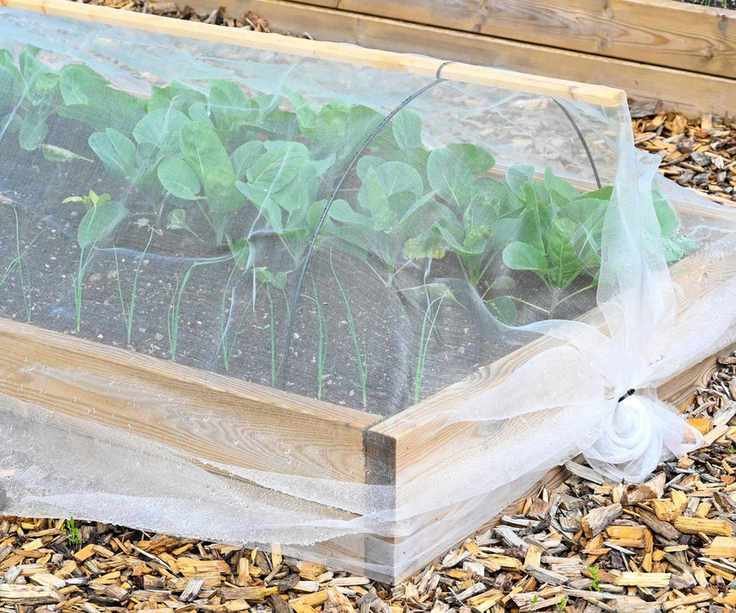
Young cabbage plants protected by light netting from pests.
8 Common Plant Pests and Natural Control Methods
A three-tiered natural approach is best for managing most plant pests. Regular plant inspections are crucial, and if you notice an infestation, act quickly and gently.
Handpick bugs when possible or use a strong water spray to dislodge them. Trim off any affected leaves to prevent the problem from spreading. Additionally, practice companion planting to attract beneficial insects like ladybugs and lacewings.
1. Aphids

A single ladybug can consume up to 75 aphids daily. Attract them by planting aromatic herbs.
Aphids are a common nuisance in gardens, sucking sap from plants and inhibiting their growth. They can turn leaves yellow and, in severe cases, kill plants. Additionally, they can transmit viral diseases across plants.
Natural predators like ladybugs and lacewings can help control aphid populations, reducing the need for pesticides. Plant herbs such as mint, basil, and cilantro near vulnerable crops to attract these beneficial insects. Conversely, nasturtiums, marigolds, and calendula lure aphids away, giving you a chance to manage them effectively.
For significant infestations, consider spraying your plants. Mix one tablespoon of neem oil with a few drops of dish soap in water. This solution disrupts aphid life cycles while protecting beneficial insects. Apply it every 7-10 days for best results.
Household spices like cloves, cinnamon, and chili may also repel aphids.
2. Spider Mites
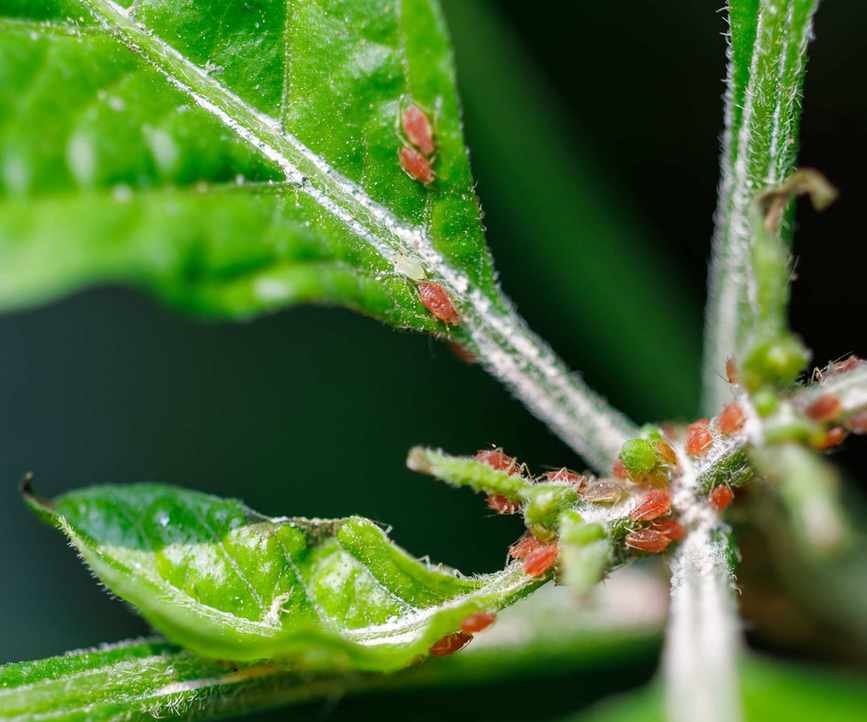
Red spider mites are among the easiest to spot.
Spider mites are challenging to detect and thrive during hot weather. They infest many plants, causing leaves to deteriorate. These pests reproduce quickly and form colonies.
To tackle spider mites, mix one part rubbing alcohol with three parts water. Apply with a cotton ball on affected areas. This kills mites instantly; rinse the plants afterward.
3. Fruit Flies
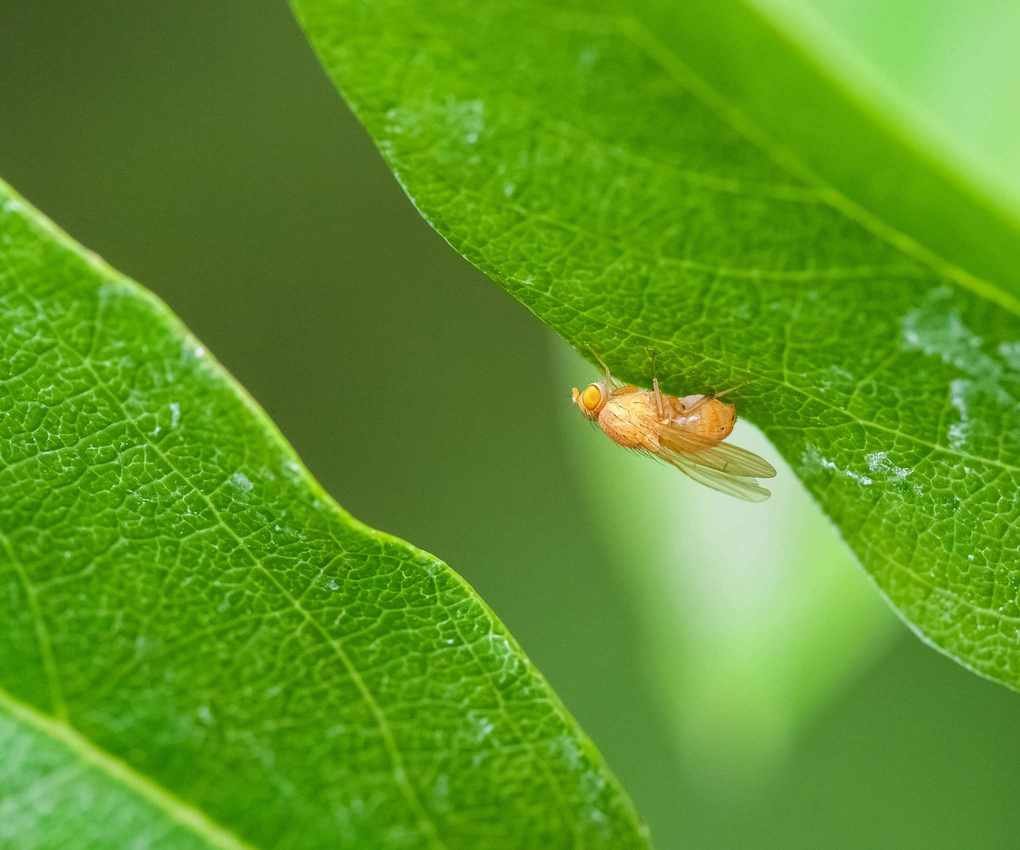
Fruit flies are a nuisance both indoors and outdoors.
Fruit flies emerge when the weather warms up, typically breeding in decaying fruits and vegetables. They can cause damage by laying eggs in ripe fruit.
To control them, keep your garden tidy. Secure compost bins and trash cans. For a DIY trap, fill a jar with apple cider vinegar, cover it with plastic wrap, and poke holes for flies to enter. Dispose of trapped flies regularly.
4. Flea Beetles
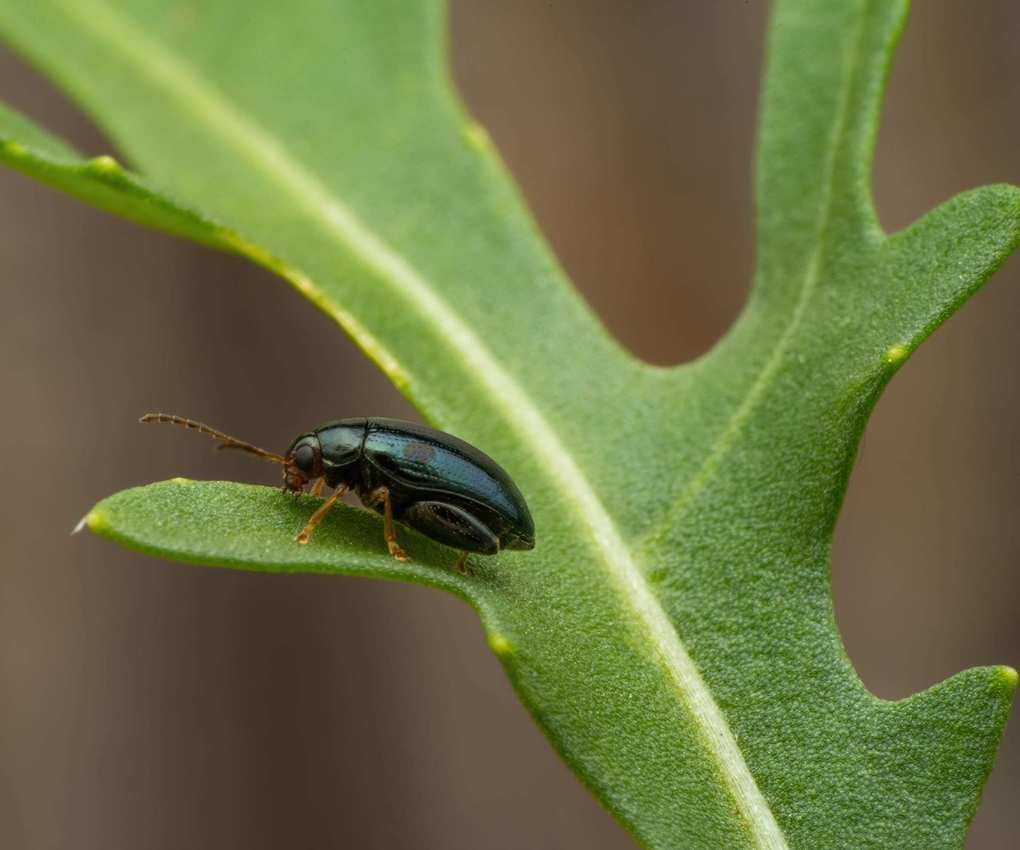
A flea beetle causing damage to an arugula leaf.
Flea beetles are tiny and can create holes in the leaves of plants like tomatoes and radishes. Young seedlings are particularly vulnerable, and severe infestations can lead to plant death.
To manage them, use row covers or insect netting to protect young plants. This prevents flea beetles from accessing your crops.
5. Caterpillars
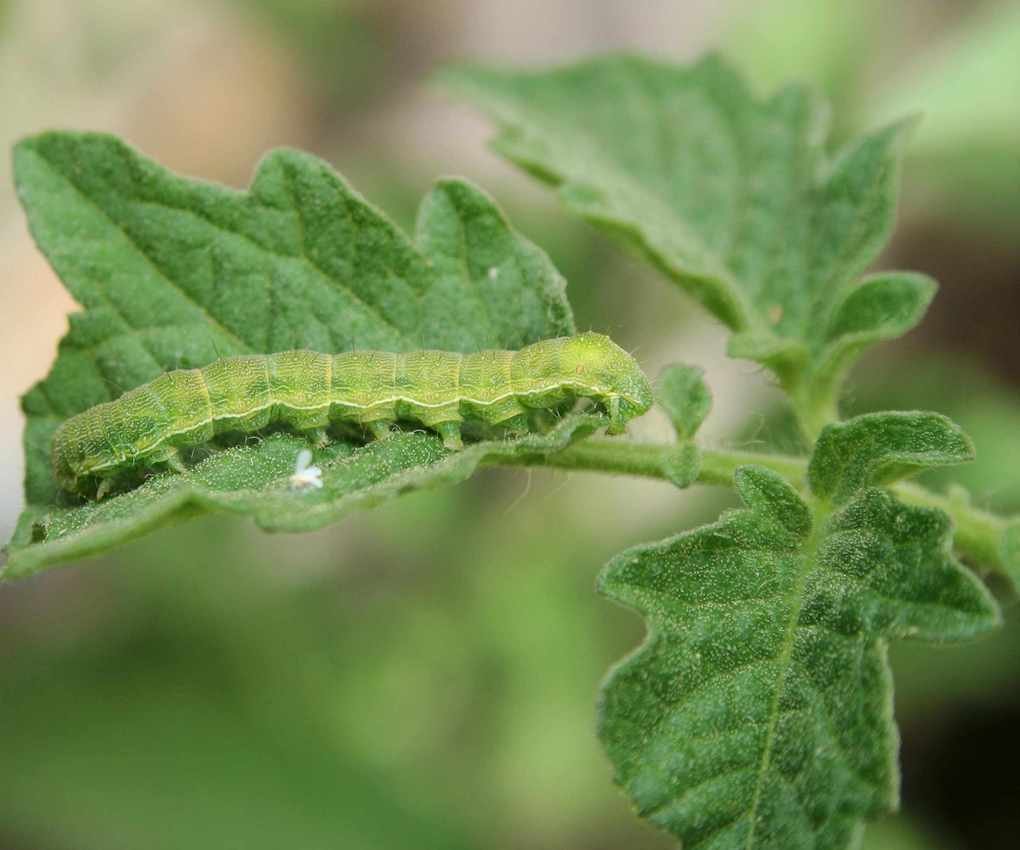
These caterpillars are notorious for damaging garden plants.
Caterpillars are common late in summer, particularly enjoying brassicas like cabbage and kale. Natural predators such as birds and parasitic wasps can help control their populations.
Manually removing them can also be effective. Regularly check your plants and eliminate caterpillar eggs to prevent future infestations.
6. Japanese Beetle
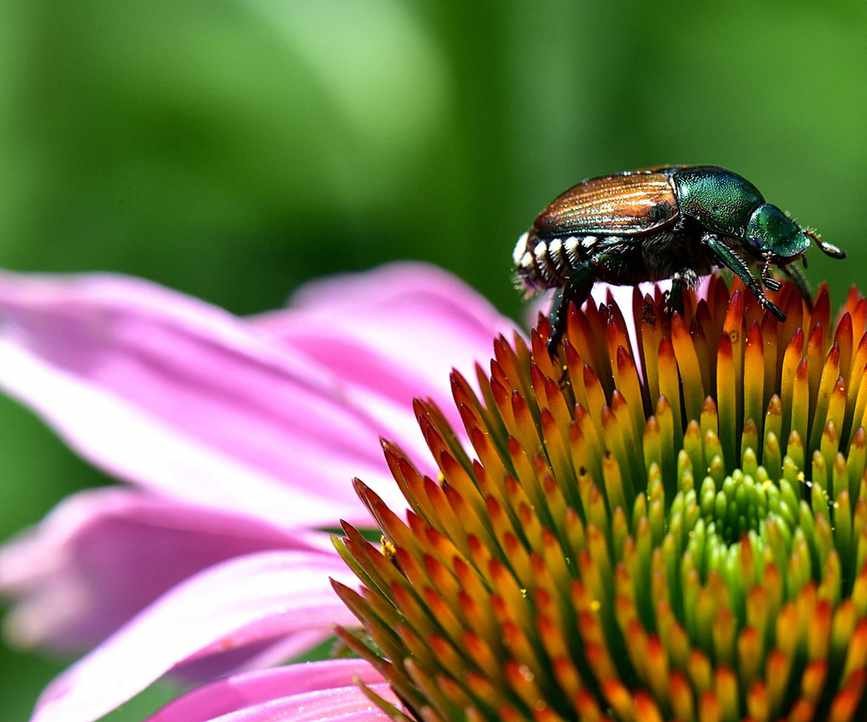
Japanese beetles can cause significant damage to various plants.
Japanese beetles feed on many plants, damaging leaves and flowers. They overwinter in the soil before emerging in warmer weather.
To protect your plants, remove mulch after the last frost to reduce hiding spots. Various control products are available, but always follow the instructions on the label.
7. Scale Insects
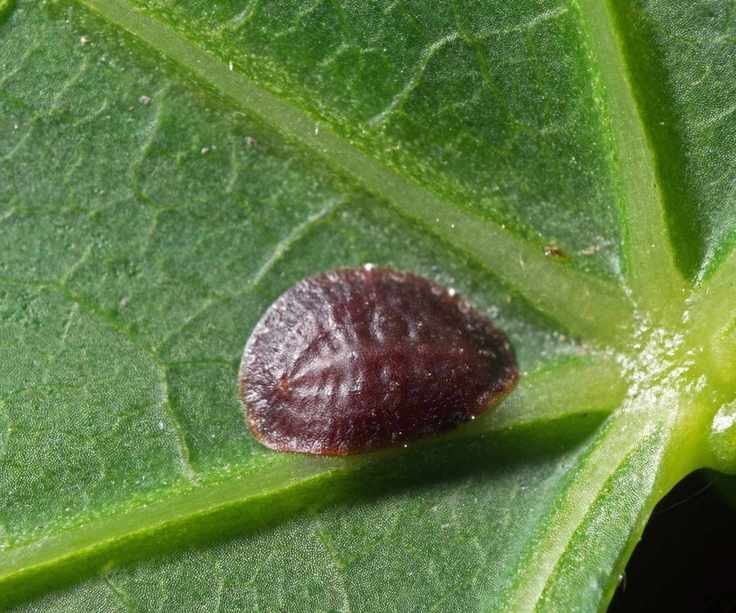
Scale insects can be wiped off easily with a damp cloth.
Scale insects suck sap from plants, leading to yellowing leaves and honeydew buildup. These tiny pests can weaken plants if infestations worsen.
Encourage natural predators like lacewings. For bad infestations, scrub the insects with soapy water or simply wipe them off with a damp cloth.
8. Leaf Miners
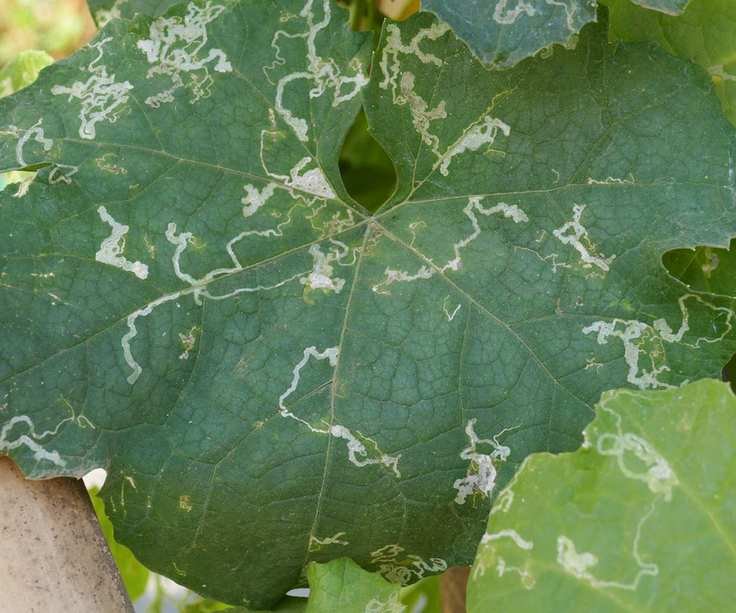
Leaf miners create visible trails in plant leaves.
Leaf miners tunnel inside leaves, especially in spinach and Swiss chard. They lay eggs on the undersides of leaves, making them hard to spot.
Regularly check for eggs and scrape them off to prevent damage. Using row covers can also stop them from laying eggs on your plants.
FAQs
Is climate change increasing plant pests?
Yes, climate change likely contributes to a rise in plant pests. It alters pest development and host plant resistance, leading to more pest occurrences and challenges for plants.
Experts note that pests adapt quickly to new conditions, taking advantage of shorter winters and longer growing seasons. This means they may multiply faster and cause more damage.
While you're here, check out ways to manage slugs and eliminate snails to keep your garden thriving against all threats.