

Are you overwhelmed by household chores? They don't need to consume all your free time.
Professional organizers suggest five key habits to change that will help you save both time and energy at home, allowing you to focus on what truly matters.
Here are some effective home organization tips to simplify your chores and establish better tidying routines.
Key Changes to Reduce Time Spent on Chores
Implementing these habits of highly organized individuals may take some effort initially, but with commitment, you'll find your home becoming more manageable.
1. Leaving Items Out Instead of Putting Them Away
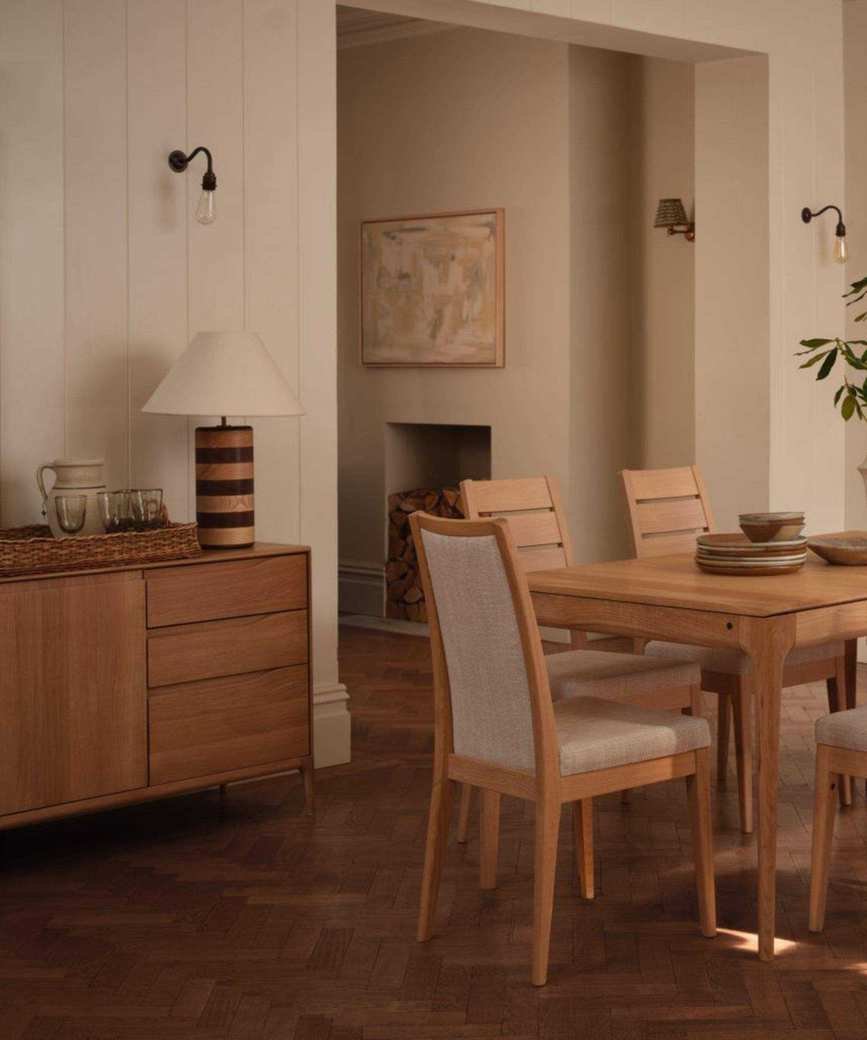
Establish drop zones near common clutter areas, like sideboards, to minimize visual mess.
Placing items down instead of returning them to their proper spots can significantly increase chore time. For instance, draping your coat over a chair might seem trivial, but doing this repeatedly throughout your day can accumulate wasted time. Instead, adopt the one-touch rule to maintain tidiness.
Tracy McCubbin, a decluttering expert, emphasizes, 'Don't put it down, put it away.' This simple mantra can save you considerable organizing time. Rather than dropping items wherever, take a few seconds to return them to their rightful places to avoid clutter buildup.
Baskets are excellent for creating designated drop zones. Whether in your entryway, living room, or hallway, they can help contain clutter and make tidying up easier.
2. Relying on 'Junk Drawers'

Using organizers in drawers prevents random items from piling up.
Simply tossing items into drawers or cabinets isn't effective tidying and can add to your chores over time.
Jennifer Williams, a professional organizer, notes, 'Hiding things in drawers may seem like a quick fix, especially for surprise guests, but it creates future frustration. Utilize dividers or bins to keep items sorted.'
For closets, custom organizers can help keep small items like socks and accessories neatly arranged. Also, consider adding a drop zone by your side door for family members to easily place their essentials like keys and bags.
To tackle the junk drawer, empty it out and only return functional items like batteries and chargers.
3. Waiting for the Perfect Moment to Start

Putting off tasks only prolongs the problem, making it harder to manage later.
It's best to avoid postponing decluttering until you notice signs of mess and instead make it a continuous practice. Regular tidying will save time and energy in the long run.
Tracy advises, 'Decluttering isn't a one-time event; it's an ongoing process. Your home will never stay perfect after an organizing spree, as life brings new items and messes. Instead of waiting for a free day, dedicate just 15 minutes to tackle clutter. This habit will help prevent overwhelming buildup.'
Maintaining a decluttering schedule can keep you on track.
4. Over-Organizing Your Space
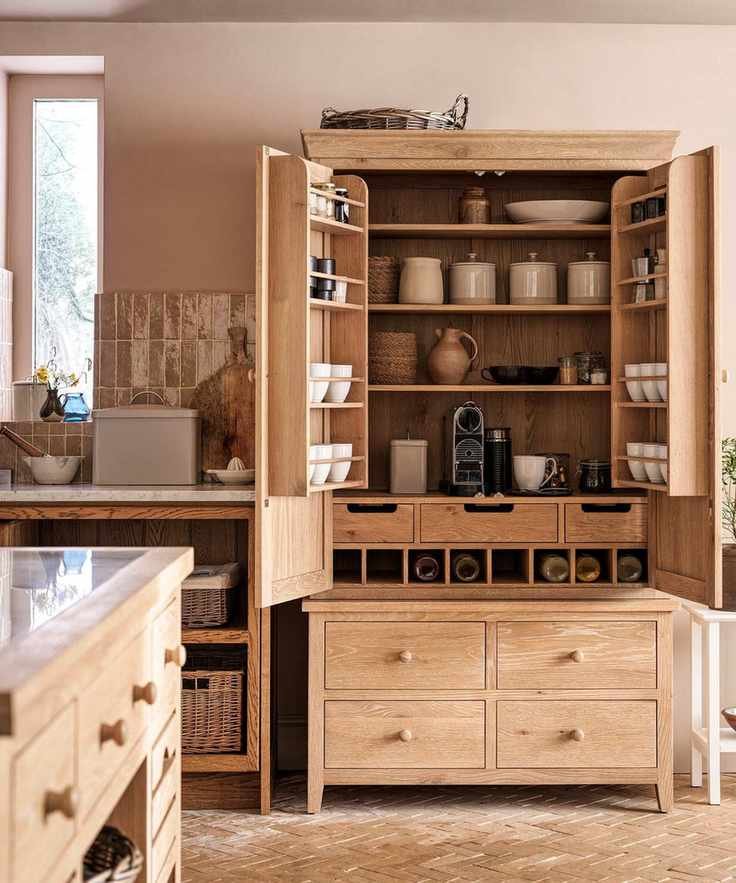
Simplified storage encourages tidiness and efficiency.
Tracy cautions against excessive organization: 'While bins and containers can help keep things tidy, overdoing it can turn maintaining that order into a full-time job. It's crucial to be realistic about the effort you want to invest in achieving a Pinterest-worthy home.'
This simple clear bin can hold packets and loose items on shelves, making it easy to keep spaces organized without clutter.
5. Allowing Clutter Hotspots

Reducing clutter hotspots helps prevent mess accumulation.
Several factors contribute to home clutter, with the key issue being allowances for messes, like a designated clothes chair in your bedroom. This habit leads to more items being tossed aside, creating a larger mess to tackle later.
Jennifer adds, 'Dropping clothes on surfaces increases clutter, making laundry day more overwhelming. Place a hamper, like the Joseph Joseph Divided Hamper, in a convenient location to encourage proper clothing disposal.'
Meet the Experts

Tracy McCubbin has spent over two decades helping clients develop lasting organizational habits.

Jennifer Williams, a home improvement expert, is also a CEO and member of the Association of Closet and Storage Professionals.
FAQs
How can I maintain a clean home with a hectic schedule?
To keep your home tidy amidst a busy lifestyle, minimize chore resistance by creating efficient organizing systems that align with your routine, such as utilizing drop zones for daily items like keys and mail.
Also, simplify closet storage to make returning items as easy as dropping them. After using an item, put it back immediately. When waiting on a task, like preparing dinner, take a moment to tidy your kitchen.


