
Struggling to manage clutter in your home? Experts suggest that establishing a decluttering schedule, similar to a cleaning routine, can effectively halt clutter buildup.
Professional organizers reveal how combining your favorite decluttering strategies with a systematic schedule will enhance your organizing efforts and how to implement these routines for maximum efficiency.
Is a decluttering schedule necessary?
Emily Guerra, a productivity coach and professional organizer, emphasizes that many people should consider adding a decluttering schedule to their cleaning routine.
She states, 'Decluttering schedules can be very effective in keeping your spaces organized. Having a set plan prevents clutter from piling up and helps maintain accountability.'
'Flexibility is crucial,' she continues. 'Spontaneous decluttering can help nip small messes in the bud before they escalate. A blend of routine decluttering and occasional tidying creates a more manageable home environment.'

Utilizing shelving and storage solutions simplifies quick cleanups.
A decluttering schedule differs from a weekly organizing plan by designating specific times to identify and tackle sources of clutter before they spiral out of control.
Barbara Brock, a home staging expert, adds, 'Decluttering can be approached in small increments. You might choose to declutter a drawer, shelf, or cabinet weekly or monthly. Larger spaces like garages might be best tackled annually with assistance.'
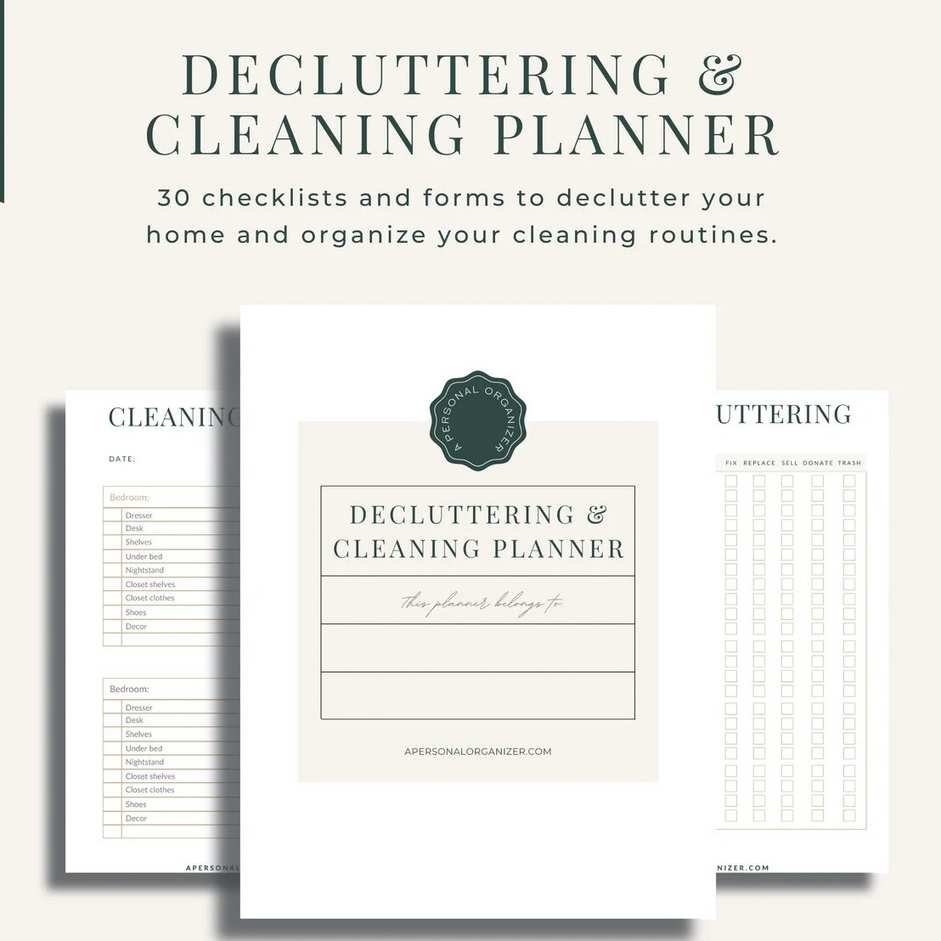 PDF download
This planner categorizes decluttering tasks by room, making it easier to tackle this daunting process.
 Undated
An undated planner on your desk helps keep track of important tasks without sifting through journals or digital calendars.
 Goal planning sheets
Documenting your goals with a planner is one of the best methods to prepare for a productive decluttering session. This journal includes daily to-do lists and habit trackers to help set objectives and nurture better routines.
However, Jill Yesko Diana, a professional organizer, cautions against rigid scheduling.
She mentions, 'Decluttering schedules can work wonders, especially for individuals facing chronic disarray, offering clarity and direction. Yet, some find it challenging to stick to a schedule due to emotional attachments or anxiety surrounding change.'
'Dedicated time is essential, and many prioritize other tasks over organizing. A well-crafted schedule should reflect personal needs, objectives, and emotional readiness.'
Creating a decluttering schedule
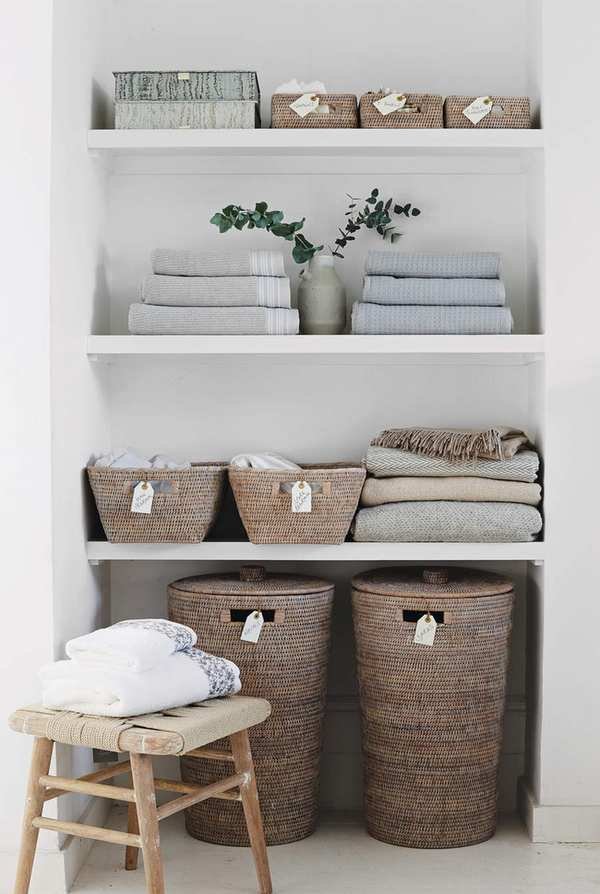
High-traffic areas benefit most from a focused decluttering schedule.
To ensure a successful decluttering session, you need a plan that aligns with your daily routine. Otherwise, decluttering might get overlooked altogether.
1. Combine decluttering with established habits

Decluttering your vanity while brushing your teeth helps manage bathroom clutter.
Pamela Wilkie, a professional organizer, suggests task stacking as a way to integrate decluttering into existing habits, preventing overwhelm. For instance, after your weekly grocery shopping, clear expired items from the fridge. If you clean the bathroom on Saturdays, dedicate a few minutes to decluttering inside the cabinets. When making your bed, take a moment to declutter your nightstand. As soon as you pick up the mail, recycle junk immediately.
'This redefines task completion, incorporating decluttering as a natural step. Integrating decluttering into your regular tasks ensures it becomes a frequent activity, relieving the stress of adhering to an additional schedule.'
 Multi-Purpose
This cleaner is ideal for disinfecting surfaces while decluttering, using a plant-based formula for safe cleaning.
 Multipack
Keep microfiber cloths in each room for quick dusting and spill cleanup during decluttering.
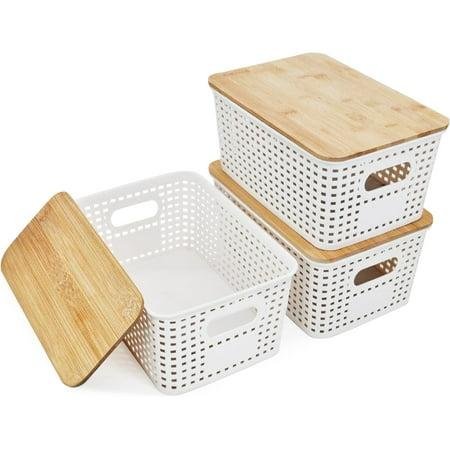 Set of three
These stackable storage bins are versatile for use throughout the home, maximizing vertical shelf space.
2. Divide tasks into time frames
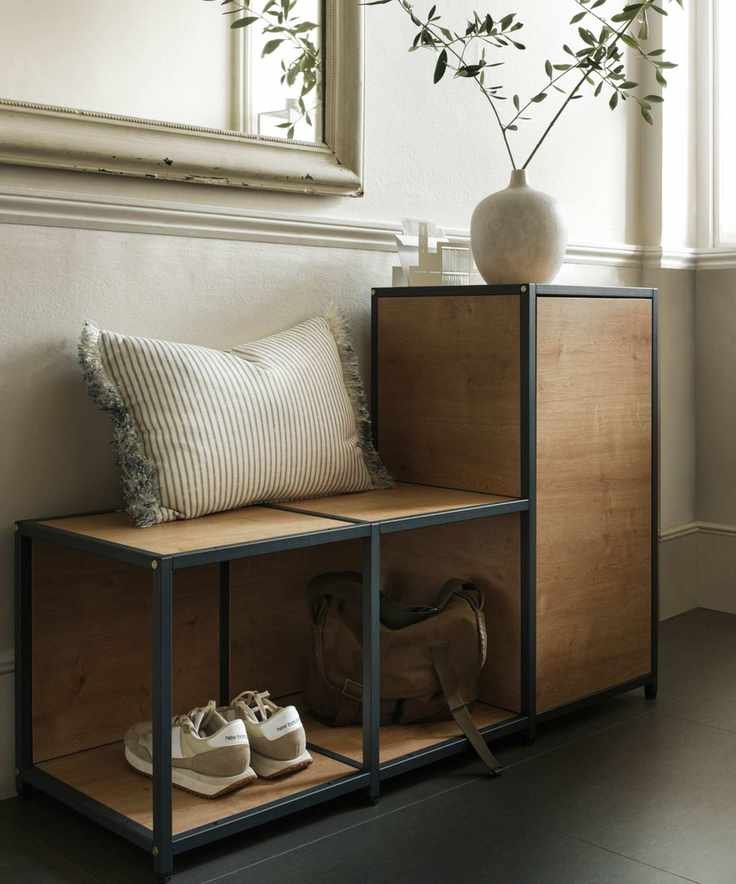
More frequently used areas, like entryways, should be decluttered more often than seldom-used spaces.
While certain decluttering tasks can be done daily or weekly, like organizing paperwork or clearing the fridge, others may require a longer timeframe.
To keep your decluttering plan manageable, categorize tasks into daily, weekly, and seasonal sections, incorporating them into your spring cleaning checklist and fall cleaning checklist.
Emily Guerra suggests spending 10 minutes daily tidying high-traffic areas, like countertops or desks. She sets aside 30-45 minutes weekly for focused tasks, such as clothing or paperwork.
'Use seasonal changes, like spring cleaning or pre-holiday prep, to tackle larger spaces, including closets or garages. Spring is perfect for donating unneeded items. Finally, reserve one day annually for a comprehensive review of your home, focusing on areas prone to hidden clutter, like attics or basements.'
'Start with small, manageable goals to build momentum and avoid burnout. If your schedule feels too overwhelming, it may lead to frustration.'
Emily advises that beginning small is always better than not starting at all.
3. Set clear decision-making standards

Defining your criteria for what to keep, sell, or donate will enhance your decluttering success.
Jill recommends establishing rules to simplify adherence to your decluttering plan. 'Clear decision-making standards can minimize hesitation and speed up the process,' she explains.
Try applying rules like the 90/90 decluttering rule or the five-second decluttering rule to be more decisive in decluttering.
4. Embrace flexibility

Resting is preferable to forcing decluttering when feeling overwhelmed.
For successful decluttering, flexibility is essential, Jill reminds us. 'Adjust your schedule according to your emotional readiness.'
Emily adds, 'Make room for changes – life happens! Missing a session isn't failure. Remember how much better your space feels after each decluttering session; that's motivating!'
This mindset will help you overcome roadblocks and enhance efficiency.
A well-structured decluttering plan not only keeps you organized but also offers a toolkit of decluttering techniques to avoid common mistakes for a tidier home.