
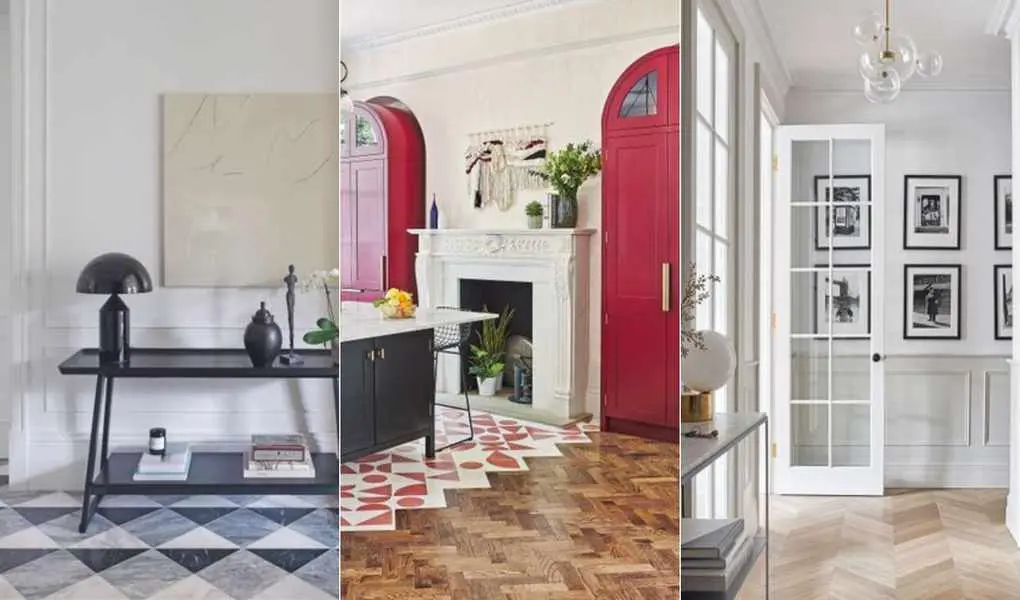
Finding the perfect flooring is crucial for creating a basement that combines durability, moisture resistance, and visual charm.
Because basements are below ground, they can face moisture and foundation issues. When selecting flooring, consider these factors along with its installation and intended use. With thoughtful planning, you can find the flooring that aligns with your style and the structural needs of your basement.
Our experts outline essential considerations for choosing your basement flooring along with the best options that promise longevity while enhancing comfort and design.
Top Basement Flooring Options
Whether upgrading an existing floor or installing new flooring due to damage or moisture issues, understanding key features necessary for below-ground spaces is vital.
Key Features to Consider
Recognizing your basement's specific needs allows you to select materials and features that effectively tackle challenges, ensuring your flooring choice meets current and future requirements. Here's how to select the right flooring for optimal use of your basement space.
1. Moisture Resistance

Basements often experience moisture, making waterproofing essential in the flooring selection process. Assess moisture levels to determine if subflooring and moisture barriers are necessary.
Choose flooring materials designed to handle moisture and potential water exposure. Sealants and moisture barriers play a crucial role in preventing damage. Options like epoxy flooring, laminate, and vinyl are ideal choices.
Proper drainage systems are also recommended to protect the basement.
2. Installation and Maintenance Considerations

Some flooring options require professional installation and specific maintenance, so factor these into your decision to ensure you select a flooring solution that matches your installation and upkeep preferences.
Interlocking vinyl planks or tiles are user-friendly and suitable for DIY projects.
Maintenance is key, especially in basements prone to moisture. Sealed concrete or epoxy coatings offer an easy-to-clean, water-resistant surface.
Spray Mop for Floor Cleaning with 3pcs Washable Pads | Was $33.99, now $24.98
View DealSweepulire Electric Spin Scrubber | Was $65.99, now $44.99
View Deal3. Foundation Considerations
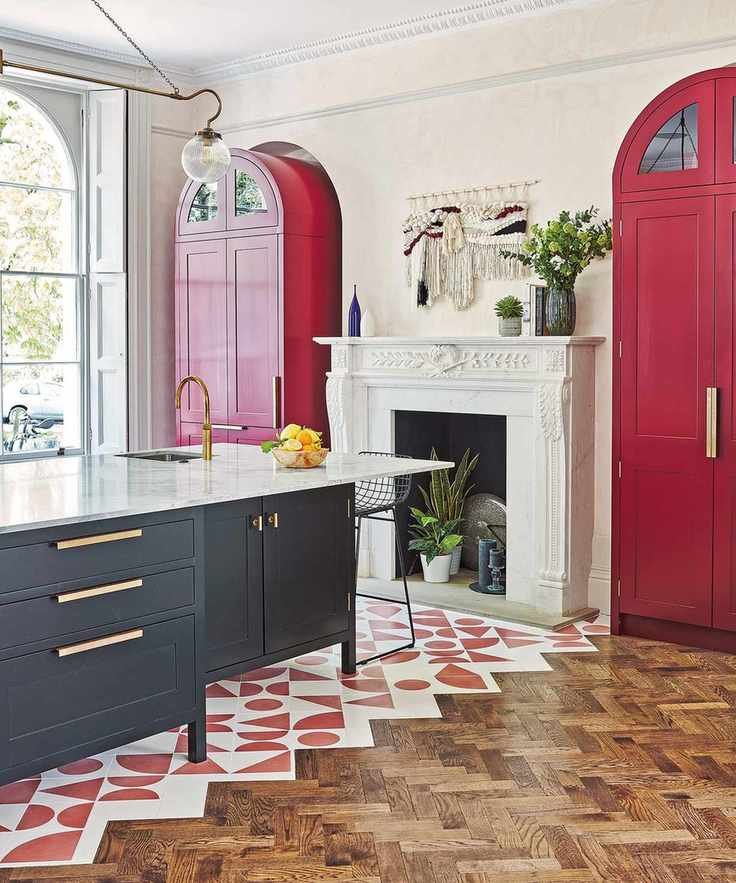
Understanding your basement's foundation is critical for selecting flooring. A strong foundation supports the longevity of your flooring material.
Address any existing foundation issues before installing new flooring. Consult experts to evaluate and fix underlying problems to avoid future damage.
Engineered wood and laminate flooring are excellent options that can handle minor foundation shifts effectively.
4. Durability and Longevity

Select flooring that can withstand heavy foot traffic and potential impacts.
Durable choices such as porcelain tiles, luxury vinyl, or engineered hardwood offer resilience without sacrificing style.
5. Insulation and Comfort
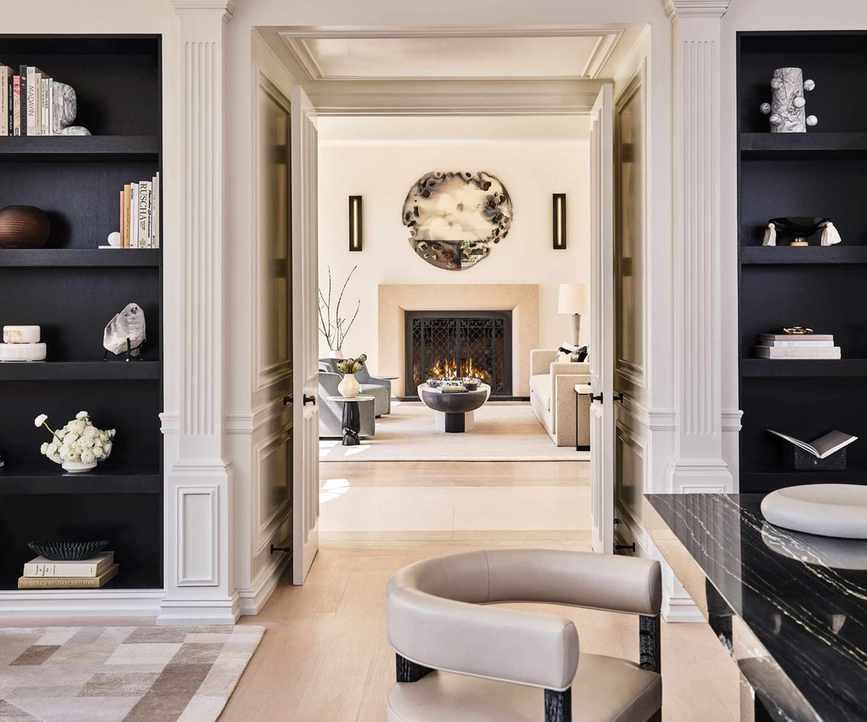
Look for flooring materials that provide insulation to create a comfortable atmosphere.
Carpeting or cork flooring not only retains warmth but also feels cozy underfoot.
6. Aesthetic Appeal
Aesthetics are vital when choosing basement flooring, as they enhance the overall character of the space. Matching flooring with your interior design creates a cohesive environment.
Consider customizable materials like sealed concrete or versatile options such as luxury vinyl tiles (LVT), stained concrete, or ceramic tiles.
"Select flooring that aligns with your home's overall design style," advises an expert. "Neutral tones are timeless and adaptable. Maintain a consistent design from upper levels to the basement for a harmonious flow throughout your home."
Best Flooring Materials
Material choice is crucial for basement floors. Here are some popular options:
1. Vinyl Flooring
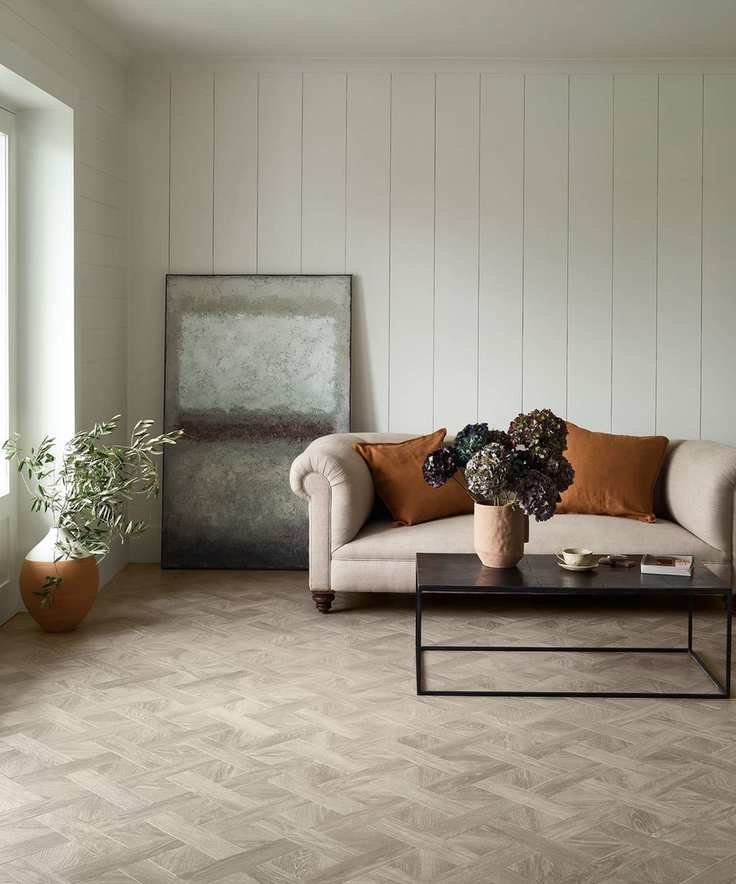
Vinyl flooring is known for its durability and water resistance, making it ideal for basements. Luxury vinyl tile (LVT) and luxury vinyl plank (LVP) are particularly robust and stylish.
"LVT is an affordable option that shouldn't be overlooked," notes a home improvement expert. "Solid vinyl tiles are more flexible and durable during installation, plus they can be refinished to an extent and come in various colors, including classic black-and-white checkerboard patterns."
"LVP mimics the look of hardwood, tile, or stone, is moisture-resistant, and is easy to maintain, making it suitable for high-traffic areas," adds another expert. "It can also be installed as a floating floor, making it ideal for DIY enthusiasts."
"Sheet vinyl with fiberglass backing is an excellent choice as it enhances durability and waterproofing, yielding a seamless flooring solution perfect for basements," suggests another professional.
These options are easy to install, clean, and durable, making them ideal for active family spaces.
2. Ceramic or Porcelain Tile Flooring
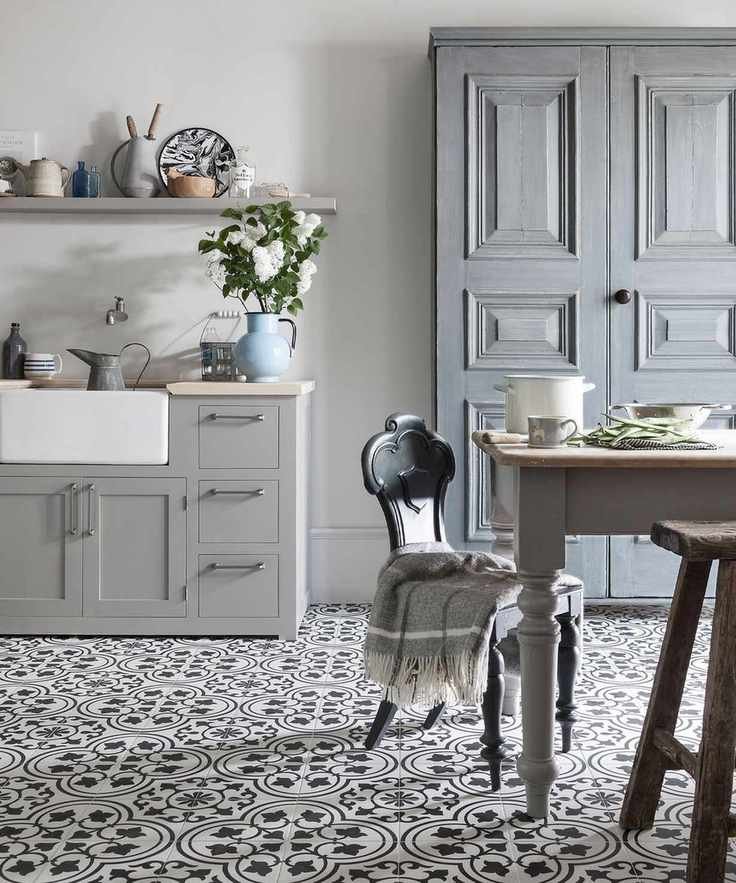
Tile flooring is perfect for basements due to its moisture resistance and easy cleaning. Ceramic or porcelain tiles are not only durable but also come in various styles and colors.
However, tiles can be cold, so consider area rugs or radiant floor heating for added comfort.
Installing a moisture barrier under the tiles can help prevent water seepage.
3. Epoxy Flooring

Epoxy flooring is a strong and waterproof choice, consisting of a resin and hardener mix that creates a seamless surface. It resists stains, chemicals, and moisture, making it perfect for basements prone to spills.
Available in various colors and finishes, epoxy adds to the aesthetic appeal. Professional installation is recommended due to the need for proper surface preparation.
4. Engineered Wood Flooring

Engineered wood is a suitable alternative to solid hardwood in basements. Made from a real wood veneer atop plywood or fiberboard layers, it offers stability under varying conditions.
Each plank can be longer and wider, allowing for more modern looks. It's essential to control moisture levels in the basement to prevent damage.
For unique charm, consider reclaimed wood tiles with a marine-grade finish for added waterproofing.
Bamboo flooring with a protective nano-coating is also a sleek and eco-friendly choice, enhancing water resistance.
5. Laminate Flooring
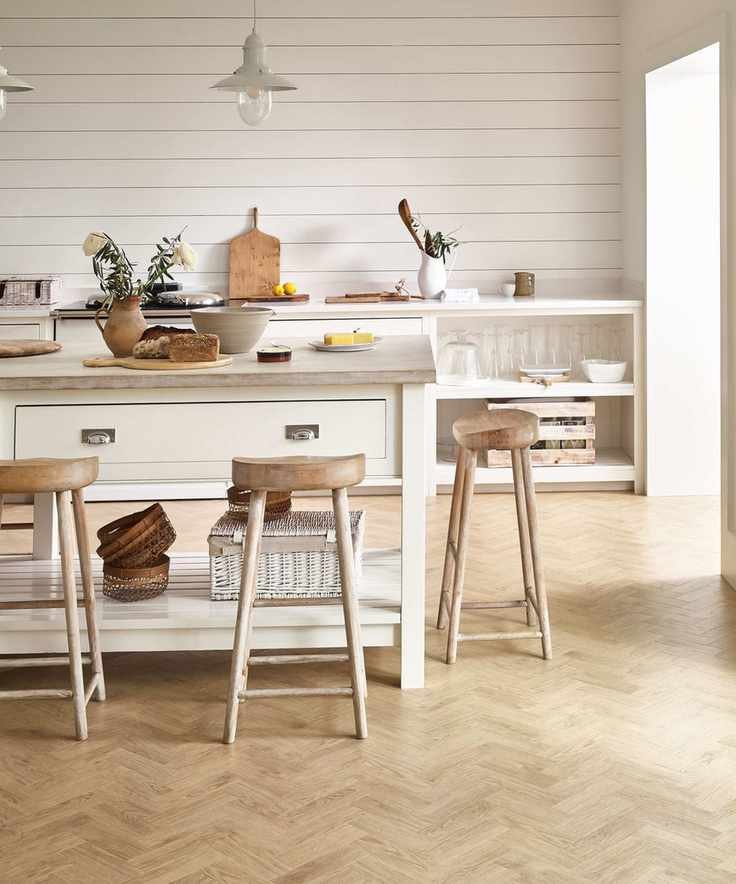
Laminate flooring is a budget-friendly alternative that resembles hardwood or stone. Made from compressed fiberboard with a wood or stone image, it's moisture-resistant and easy to clean.
Ensure it includes a moisture barrier to avoid issues in damp basements.
6. Sealed Concrete Flooring

Polished and sealed concrete is a tough, water-resistant option ideal for heavy foot traffic. For an industrial look, keep the concrete as is or enhance it with finishes like epoxy coatings.
FAQs
How can you warm your basement floor while keeping it waterproof?
Cold basement floors can be uncomfortable, but solutions exist. Interlocking vinyl planks or moisture barrier carpet tiles can provide warmth and ease of maintenance.
"Moisture-resistant carpet tiles are easy to install and replace if damaged," says an expert. "Install them over a moisture barrier or raised subfloor to prevent water damage."
What flooring options can make a basement feel cozier?
"Cork flooring is surprisingly suitable for basements," notes an expert. "It resists mold and mildew, providing a soft surface while offering thermal insulation for a warm environment."
Improving ventilation with raised subfloor systems can also help reduce mold and mildew risks.



