
Keeping your home clean can often feel like an endless chore. With various rooms, each presenting its own hurdles, tackling cleaning tasks can quickly become overwhelming.
It's easy to spot dirt, yet many areas are frequently neglected, leading to dust accumulation, unpleasant odors, or even mold.
Designing a sustainable cleaning routine requires thoughtful planning and setting achievable goals to ensure you stay on track.
Establishing a Sustainable Cleaning Routine
Here's how to create a cleaning routine that fits your lifestyle and keeps your space tidy and organized:
1. Evaluate & Set Your Schedule

'Think about your daily and weekly commitments, including work, family, and personal time,' advises Angela Rubin, a cleaning expert. 'Identify the time you can realistically dedicate to cleaning without feeling stressed.'
Pinpoint essential areas in your home that need regular attention. Concentrate on high-traffic zones and spots that accumulate clutter. Rank tasks by urgency and significance to keep your routine balanced.
Assign specific days for cleaning tasks. For example, you might reserve Mondays for floors, Tuesdays for bathrooms, and so on. Designating days can make the process feel less daunting.
Also, create a separate deep cleaning schedule to address those often-overlooked areas of your home.
2. Break Down Daily and Weekly Tasks
Split cleaning tasks into smaller, manageable bits. This approach helps you avoid feeling overwhelmed while allowing you to focus on specific areas each day.
Spend 10-15 minutes tidying key areas and putting things back in their place. Start your day by making the bed to create a positive atmosphere. Wipe down kitchen surfaces post-meals to keep grime at bay. Quickly declutter living areas, returning items to their rightful spots. Consistency is crucial in stopping small messes from escalating into major clean-ups.
Plan for weekly chores that require more thorough attention, such as vacuuming, mopping, and dusting. Set aside monthly tasks for deeper cleaning, like washing windows or cleaning out appliances.
3. Monthly Deep Cleaning Sessions
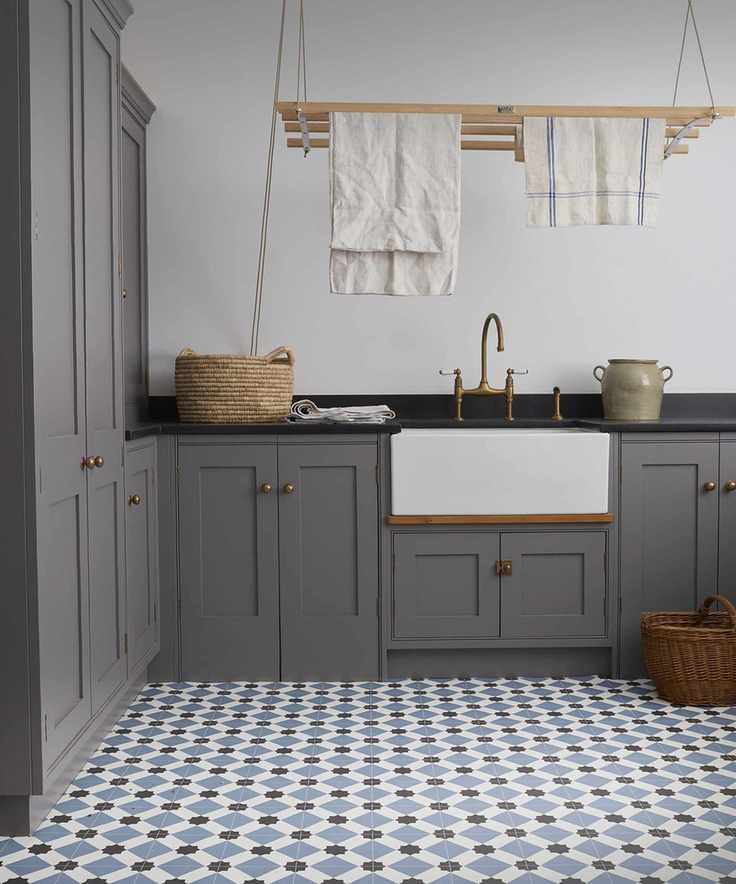
Parveen Garg, a cleaning manager, recommends setting aside one weekend a month for deeper cleaning activities. This can include tasks like dusting blinds, washing windows, and organizing closets. Focusing on monthly tasks ensures every area gets the attention it needs.
Incorporate seasonal deep cleaning to tackle specific challenges. For instance, spring is ideal for thorough dusting and decluttering, while fall is perfect for preparing your home for winter and holiday gatherings.
4. Invest in Cleaning Supplies
Gather essential cleaning supplies in a portable caddy, including all-purpose cleaner, microfiber cloths, and scrub brushes. Having everything accessible makes the cleaning process quicker and more efficient.
Consider investing in storage solutions like bins and baskets to help organize your home. These sliding drawer storage bins from QVC can help bring order to your closets and cabinets, enhancing the overall organization of your space.
5. Regular Decluttering

Regular decluttering is essential for preventing item buildup and making cleaning easier. Clear out each room before deep cleaning by donating or discarding items you no longer need. Less clutter means easier cleaning and more organized spaces.
Break tasks into short time blocks to prevent overwhelm and make it easier to squeeze in cleaning on busy days. Set a timer for each task to maintain focus and avoid spending too long on any one area. This method also provides a sense of achievement as you complete tasks.
'Life can be unpredictable, and schedules may shift,' notes Shayne Jeramos, cleaning specialist. 'Be adaptable and modify your cleaning routine as necessary, but aim to keep consistency.'