
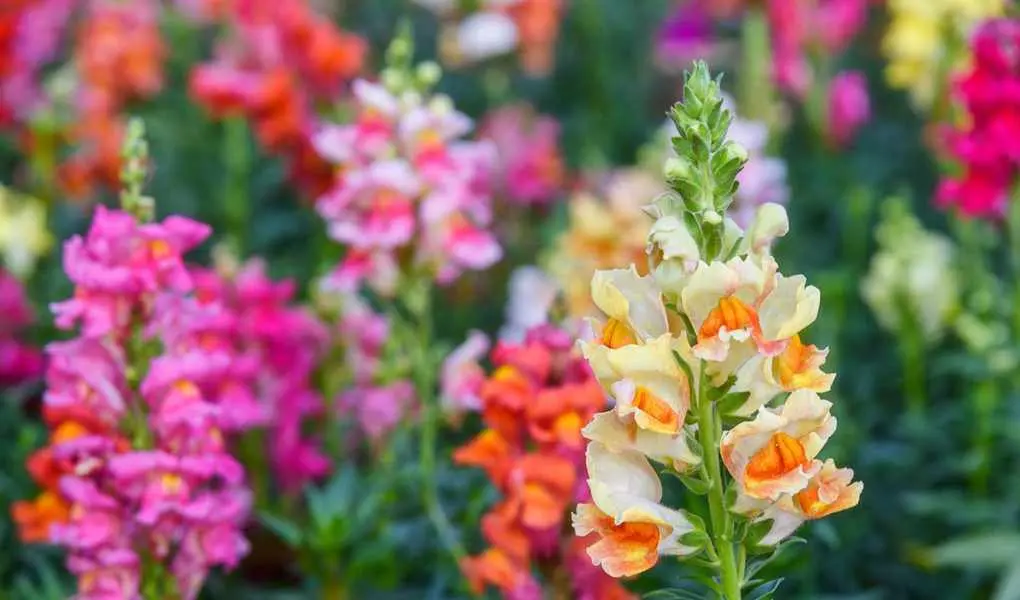
Snapdragons are a colorful addition to any cutting garden, boasting upright stems that yield numerous dragon-like blooms in a range of striking hues throughout summer.
To enjoy their beauty for as long as possible, remember to deadhead regularly. The common varieties, belonging to the Antirrhinum majus species, are native to the Mediterranean.
Last summer, while gardening in Italy, I grew various snapdragon types, with a standout being the peach variety, Antirrhinum majus 'Costa Apricot'. If you're looking for cut-and-come-again options, this romantic salmon-peach choice is a must, especially if you master deadheading. Here's what you need to know about this technique to keep your blooms flourishing.

Successfully Deadheading Snapdragons
When growing snapdragons, treat them as annuals in cooler areas, like US hardiness zone 5, or as short-lived perennials in warmer zones, such as zone 9 and above. Regardless of your region, deadheading is key to extending their blooming period significantly.
Timing for Deadheading Snapdragons
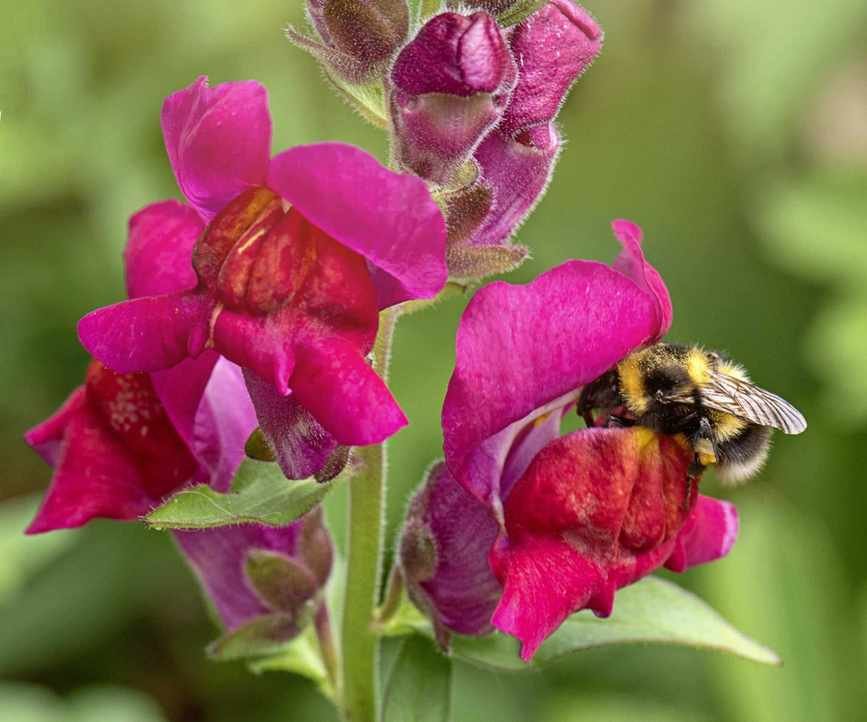
Snapdragons typically bloom from spring to fall, with flowering starting in April or May and lasting until September or October. The timing depends on when you sowed seeds or planted them, as well as your local climate in the US hardiness zone.
'Deadheading is crucial in spring and summer,' says gardening expert Rachel Bull. 'As soon as the first blooms start to fade and petals drop, it's time to begin deadheading. This remains an essential task on your summer gardening checklist.
Rachel emphasizes that deadheading is an ongoing task. Personally, I spend about five minutes each evening, preferably when it's cooler, to remove faded blooms from various annuals in the garden, including snapdragons, cosmos, and dahlias.

Rachel Bull
Rachel is a gardening editor and floral designer whose passion for container gardening began at Country Living magazine. After over a decade in journalism, she became editor of The Flower Arranger and has spent six years as a floral designer in London.
For all your deadheading tasks, these Felco snips make it easy to prune faded flowers and thin stems efficiently.
Steps to Deadhead Snapdragons
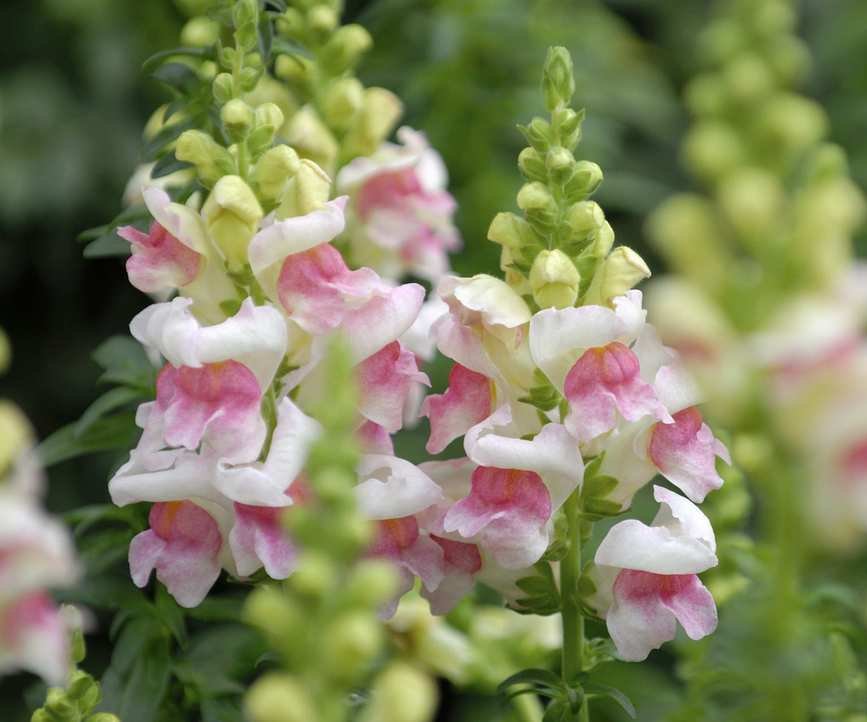
Once the first flush of snapdragons has faded, it's time to deadhead. 'The signs include wilting, browning, and dropping petals,' Rachel notes. 'Removing these will enhance the appearance of your plants and encourage new flower stems.'
All you need are clean, sharp pruning snips, available from Walmart, along with a garden bucket or green waste bag from Amazon.
'Similar to deadheading dianthus or lilies, promptly removing faded flower stems is crucial to prevent the plant from wasting energy on seed production,' Rachel advises. 'By cutting away these old stems, expect new blooms to emerge, extending the snapdragon display as long as possible—who wouldn't want more flowers?'
A common deadheading mistake is trimming the flower stem incorrectly. 'Make sure to cut down to a leaf node or remove the stems entirely,' Rachel points out, 'snipping all the way to the base.' Encouraging basal shoots will keep your snapdragons lush and full of blossoms.
'Be cautious not to damage other flower stems,' Rachel adds, 'as it's essential to protect unopened blooms and buds.'
Consistent deadheading will allow your plants to bloom late into the season. In mild years, some plants may even produce flowers into October and November, so stay proactive with your deadheading routine.
This orange snapdragon variety is sure to attract attention and will delight bees and butterflies in your garden.
FAQs
Can I compost the removed flowers and stems?
Absolutely! You can add any snapdragon stems or flowers removed from your pots and borders to your compost heap. Just be sure to cut the stems to a few inches long to expedite the composting process.
By dedicating a bit of time to deadheading, you can extend the floral display of snapdragons in your garden, encouraging them to produce blooms well into the season. For more floral inspiration, check out our guide on cottage garden plants, featuring some of the best annuals and perennials to cultivate this year.



