
Dianthus plants are generally simple to maintain, and removing their spent blooms—known as deadheading—is a key summer task that encourages the growth of new flowers.
These beloved flowers are incredibly versatile, thriving in various settings. They shine as excellent choices for hanging baskets, frequently seen in flower beds, suitable for cottage garden borders, and perfect for container gardens. With a range of options available, both perennials and biennials can be found.
In this guide, we'll explore when and how to effectively deadhead dianthus, ensuring you enjoy more vibrant blooms while keeping your plants looking their best throughout your garden.

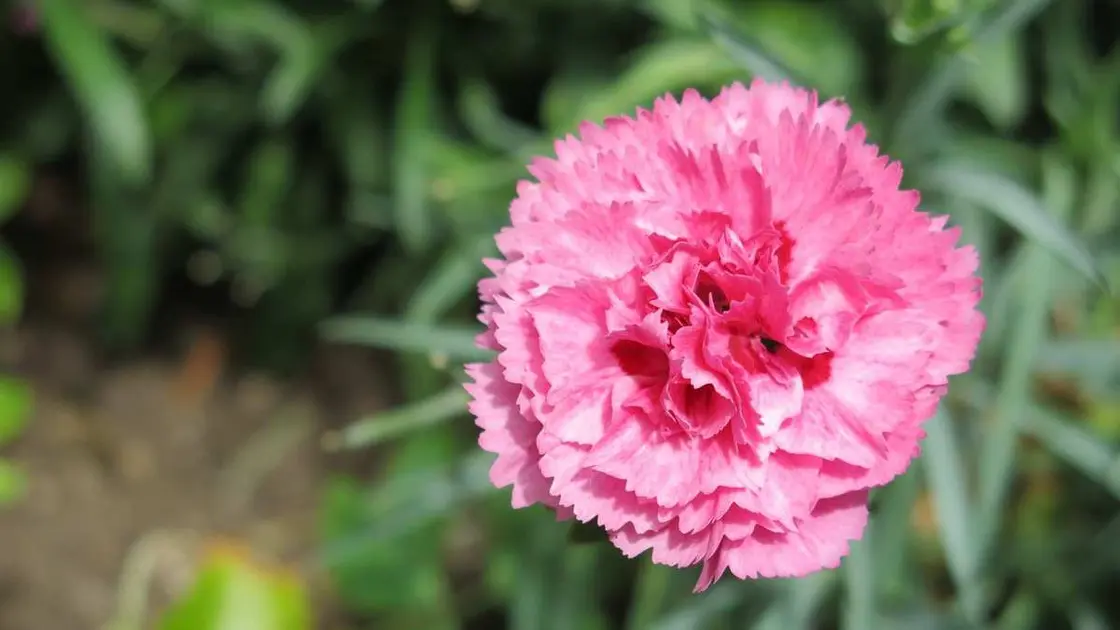
Dianthus feature frilly petals and slender leaves
Is Deadheading Necessary for Dianthus?

Dianthus are also known as pinks and sweet william
Deadheading is a crucial gardening practice that entails removing old flower heads from plants. This process not only maintains the plant's aesthetic appeal but also redirects its energy towards producing fresh blooms. While many gardeners routinely deadhead roses and dahlias, extending this practice to dianthus can keep them looking lush and full of flowers for an extended period.
Dianthus thrive in sunny locations with fertile, well-drained soil. Regardless of where you plant them, it's essential to deadhead the faded flowers to prevent the plant from focusing its energy on seed production instead of flowering.
According to gardening expert Camilla Phelps, proper watering, feeding, and deadheading are vital for ensuring dianthus produce an abundance of blooms. She suggests: 'Begin the growing season with general fertilizer, followed by liquid feed throughout the summer, and deadhead frequently to maintain those blossoms.'
If you're wondering whether dianthus requires deadheading, the answer is a resounding yes. Regular deadheading not only prolongs flowering but also keeps the plant looking well-groomed. Be sure to add this task to your gardening checklist if you have dianthus in your garden.
Purchase dianthus plants at Nature Hills

An experienced gardener, Camilla has designed planting schemes for various gardens throughout the UK, and has appeared on TV gardening shows for the BBC. She has authored numerous articles on plants and their care, and frequently contributes to Amateur Gardening magazine.
When to Begin Deadheading Dianthus
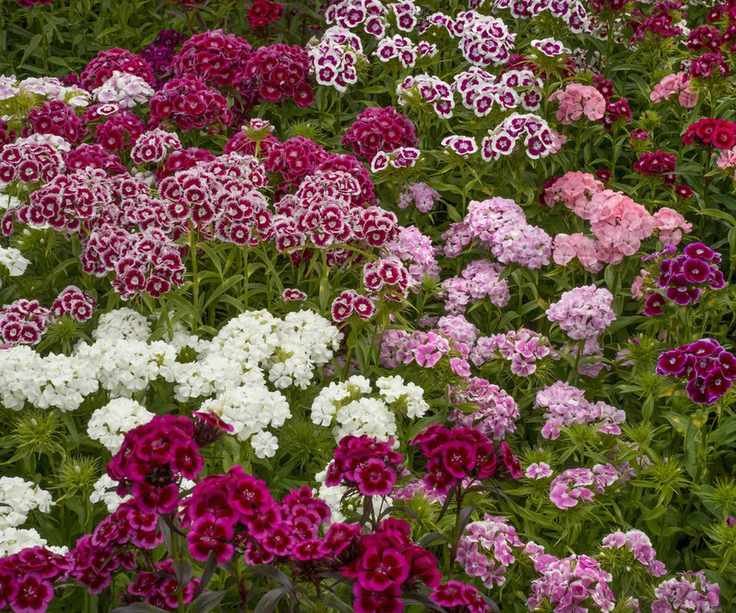
Dianthus can produce a profusion of flowers over an extended season
Dianthus can bloom from spring until fall, typically starting in May and continuing through October. The timing depends on when you planted the seeds or established the plants, as well as your local US hardiness zone.
Start deadheading as soon as you notice flowers beginning to fade. Flowers will start to wilt and turn brown, which not only looks unattractive but can also increase the risk of diseases. Watch for signs of wilting petals and remove them promptly; none of us want a plant that's covered in dead flowers instead of vibrant ones.
Steps for Deadheading Dianthus
Deadheading is a straightforward gardening task that requires minimal tools—sometimes none at all! Regularly inspect your plants and make deadheading a routine part of your summer gardening.
You can pinch off spent blooms with your fingers, or use pruning shears for a cleaner cut. If using shears, ensure they are clean to avoid damaging the plant. A recommended tool for this task is the Micro-Tip Pruning Snips, available on Amazon.
Camilla Phelps advises: 'Once a flower has faded, remove the entire stem (not just the flower head) to prevent the plant from becoming leggy and messy.'
As Camilla explains, identify a spent flower and trace its stem down to make a clean cut at the base, where it connects with another lateral stem or the crown. Be careful not to harm other flowers or unopened buds while doing this, and repeat the process for all spent blooms.
Additionally, regularly check the plant and remove any dead or damaged foliage to reduce the risk of disease. Disposing of dead or unhealthy leaves and flowers is an effective way to combat common issues, like powdery mildew.
FAQs
Should I Cut Back Dianthus in Winter?
After flowering has finished for the season—often extending into fall—you should cut back dianthus to ground level. Trim the stems to leave just an inch or two above ground. This will allow the plant to enter dormancy over the winter, conserving energy to emerge again in spring.
John Negus, a seasoned gardener, notes that cutting back stems post-flowering can even enhance the longevity of certain dianthus varieties. He states: 'Many are short-lived perennials typically regarded as biennials, developing leaves one year and flowers the next. If you remove the flower stems after blooming, it's possible to encourage a second summer of growth, though they may not be as robust the following year.'

With over 50 years of experience, John is a garden journalist who frequently addresses readers' questions in Amateur Gardening magazine, focusing on topics like evergreen shrubs. He has authored four books and has delivered numerous horticulture talks over the years.
Dianthus also make fantastic options if you're designing a cut flower garden. They come in a wide array of colors and have a long vase life when cut and displayed.



