When tackling tough cleaning jobs, it’s easy to feel tempted to mix various products for a quick fix. But combining certain cleaning supplies can lead to serious health risks.
Here are five combinations that cleaning professionals strongly advise against, along with safer alternatives for your cleaning routine.
Cleaning product combinations to avoid
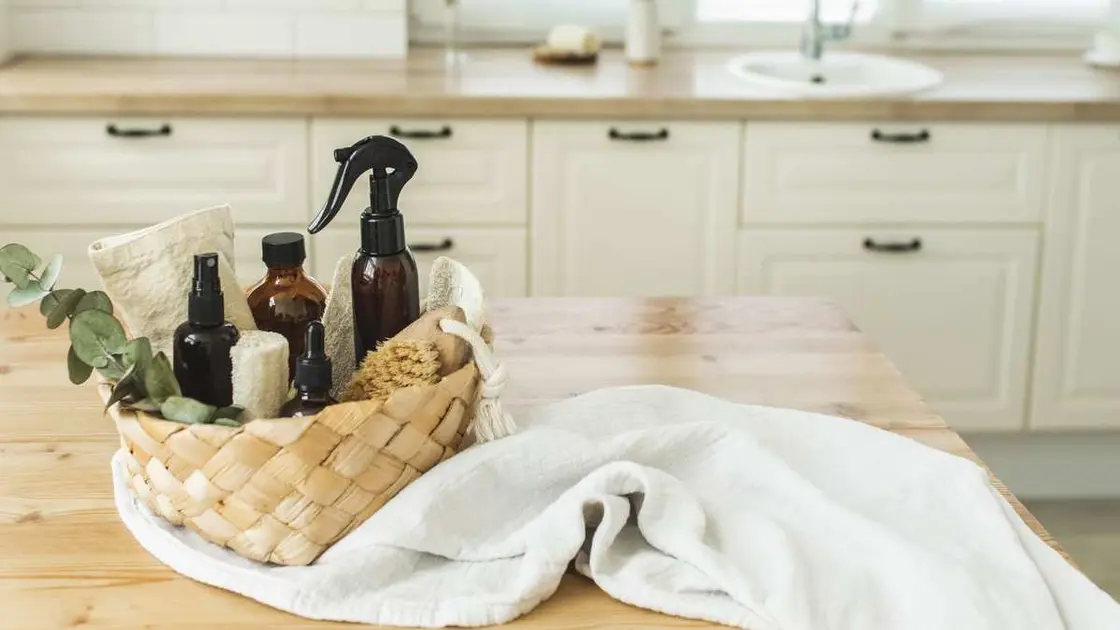
To minimize risks, it’s wise to keep volatile cleaning agents apart. Organizing your supplies can help prevent accidental mixing and spills. This is particularly true for strong chemicals like bleach.

1. Bleach and vinegar
Vinegar is a popular natural cleaning agent, but it shouldn’t be mixed with bleach. Daniel Feliciano, an expert in laundry, warns that this combination produces hazardous chlorine gas.
“Chlorine gas can lead to coughing, respiratory issues, and eye irritation,” he cautions. “Use them separately and follow safety guidelines for effective cleaning.”
Additionally, avoid mixing bleach with baking soda. Instead, use baking soda on its own for cleaning tasks.
Cleaning Vinegar | Shop at Target
Keeping a bottle of cleaning vinegar handy is useful for various household chores.
2. Bleach and rubbing alcohol
Rubbing alcohol is often used for cleaning mirrors or windows, but combining it with bleach is a mistake.
“Mixing these can create chloroform and chloroethane,” caution experts from a cleaning service. “Both can cause dizziness, nausea, and potential organ damage.”
Choose one product based on your specific cleaning needs instead, or go for a dedicated cleaner for safe results.
3. Hydrogen peroxide and vinegar
Hydrogen peroxide is another commonly used natural cleaner, but don’t mix it with vinegar. Shayne Jeramos, a cleaning expert, warns that this creates peracetic acid, which can be irritating to skin, eyes, and lungs.
Typically, one of these options will suffice for effective cleaning. For tougher jobs, consider a reliable commercial cleaner that’s both safe and effective.

4. Vinegar and castile soap
“Castile soap might sound neutral,” explains Karina Toner, a cleaning expert, “but it’s more alkaline than most soaps. Mixing it with vinegar makes the solution ineffective.”
“This blend can also leave a sticky residue behind,” she adds. Instead, create a different DIY cleaning solution like a scented vinegar spray or a baking soda scrub.
Dr. Bronner's Pure-Castille Liquid Soap Set | Shop at Amazon
This set includes four versatile castile soaps that can be diluted for gentle yet effective cleaning.
5. Bleach and ammonia
Mixing bleach with ammonia is one combination to avoid at all costs, warns Angela Rubin, a cleaning specialist.
“This mixture produces toxic gas that can lead to severe respiratory problems or worse,” she states. “Both are powerful cleaners, but they should never be combined.”
For tough stains, consider using hydrogen peroxide as a safer alternative.

FAQs
What should I do if I've mixed cleaning products by accident?
Act quickly. First, ventilate the area by opening windows and doors to disperse fumes. Evacuate the space and watch for any symptoms. If anyone feels unwell, call 911, and contact poison control for guidance.
How can I prevent accidental mixing of cleaning products?
Implement a color-coded cleaning system to designate specific products for different areas. Store cleaning supplies in their respective rooms, ensuring incompatible products aren’t kept together. Educate your household about the dangers of mixing cleaning agents to make informed choices.
Even eco-friendly cleaners can pose risks if mixed improperly. Always check online before combining products to avoid hazardous situations.