
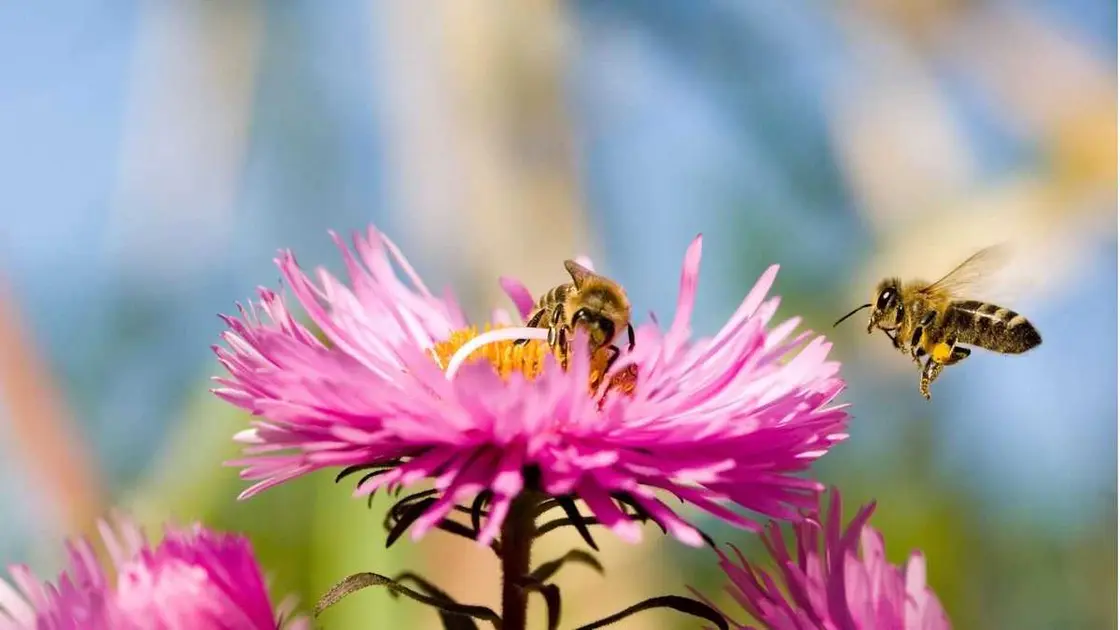
As spring arrives, your garden may not yet be filled with flowers, which can be a challenge for pollinators.
During this season, bees return to gardens searching for nectar and pollen. However, since most plants bloom later, these essential pollinators may struggle to find energy sources. Early-blooming flowers such as bluebells, Aubrieta, and dogtooth violet can help.
These flowers are essential for pollinators in April and early May, providing crucial nectar before other plants come to life. Additionally, they infuse your garden with vibrant colors and delightful scents, making them a wonderful addition.
1. Dandelions
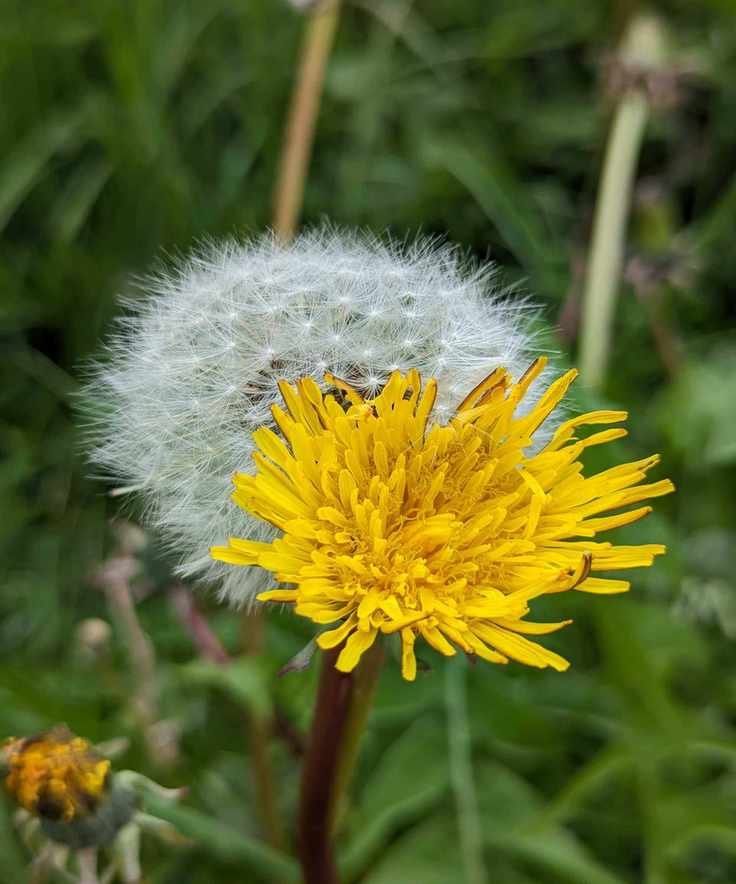
Often dismissed as weeds, dandelions are vital to any pollinator-friendly garden. They offer both nectar and pollen when these resources are scarce, filling the gap for hungry pollinators before summer blooms.
If your garden attracts bees but lacks nectar-rich flowers, dandelions are your solution. Their flat, wide shape allows easy access for pollinators.
Consider allowing dandelions to grow in your lawn or borders, or for an extra touch, consider heirloom dandelion seeds available on Amazon.
2. Bluebells
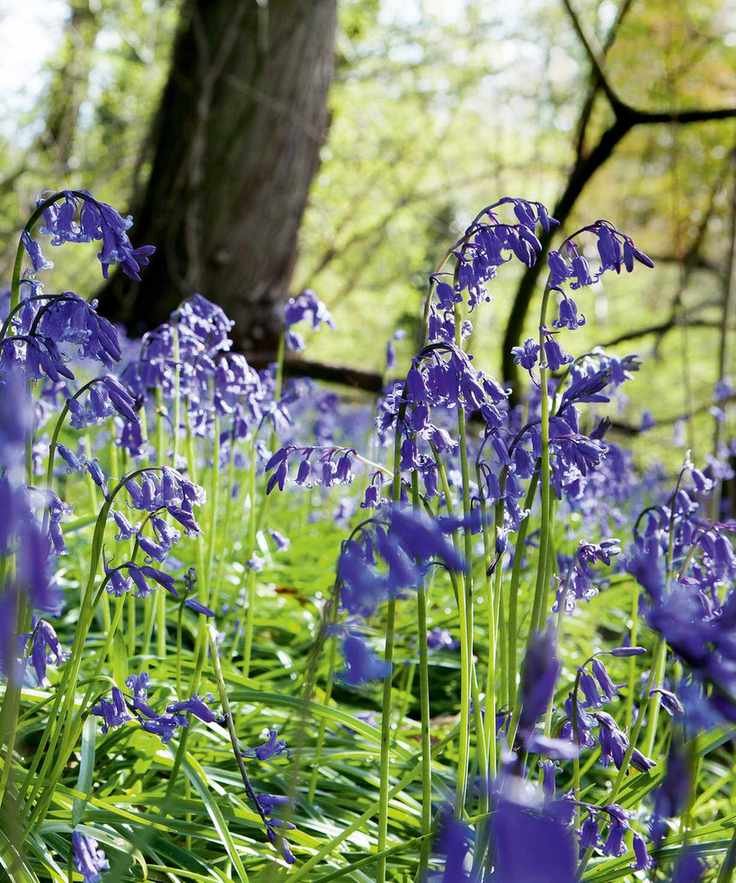
Bluebells are not only a charming addition to nostalgic gardens but also significant for pollinators, providing consistent nectar and pollen for queen bumblebees, butterflies, and hummingbirds.
These flowers thrive in shaded woodlands and floodplains. If you're looking to purchase some, Virginia bluebells from Plant Addicts are an excellent choice.
Once established in rich, well-draining soil with partial sunlight, bluebells require minimal maintenance and will beautify your garden.
Importantly, bluebells bloom early enough to support various insects throughout spring; in some growing zones, they start flowering as early as March.
3. Aubrieta
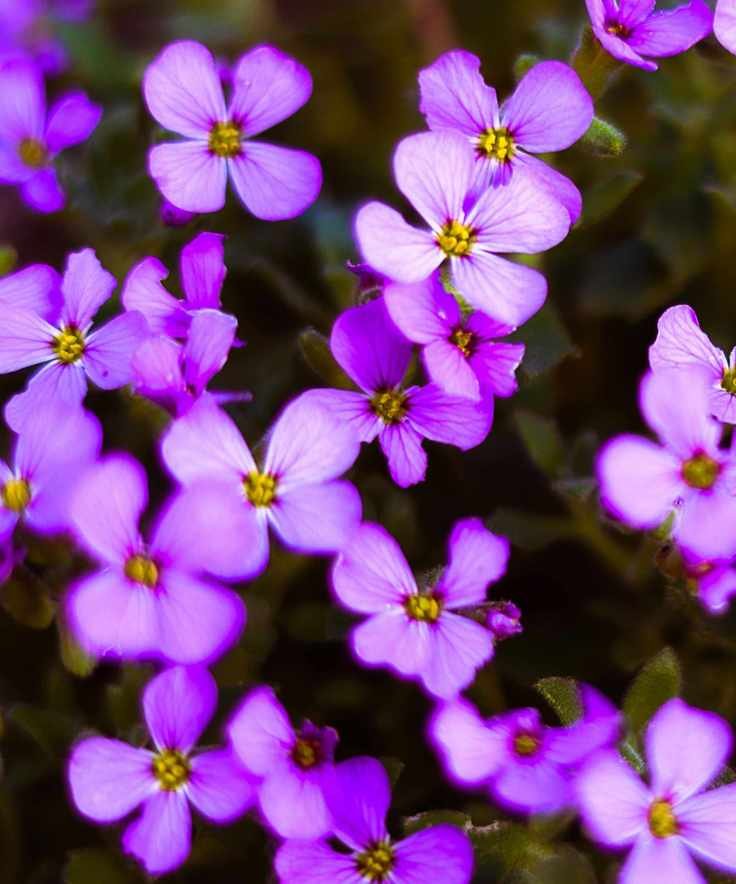
Aubrieta is a fantastic, nectar-rich addition to your April garden. Known for its tiny purple flowers, it attracts plenty of pollinators and is among the top choices for butterfly gardens.
'Cascade purple' Aubrieta from Walmart is a hardy, deer-resistant option that loves full sun and forms a lush mat of foliage adorned with delicate blooms.
While butterflies are drawn to Aubrieta, it's also favored by bees and hummingbirds. Like bluebells, Aubrieta blooms early in the season, supporting pollinators during spring's early weeks.
This plant, also known as rock cress, is popular for rock gardens, helping attract pollinators even to drier areas.
4. Dogtooth Violet
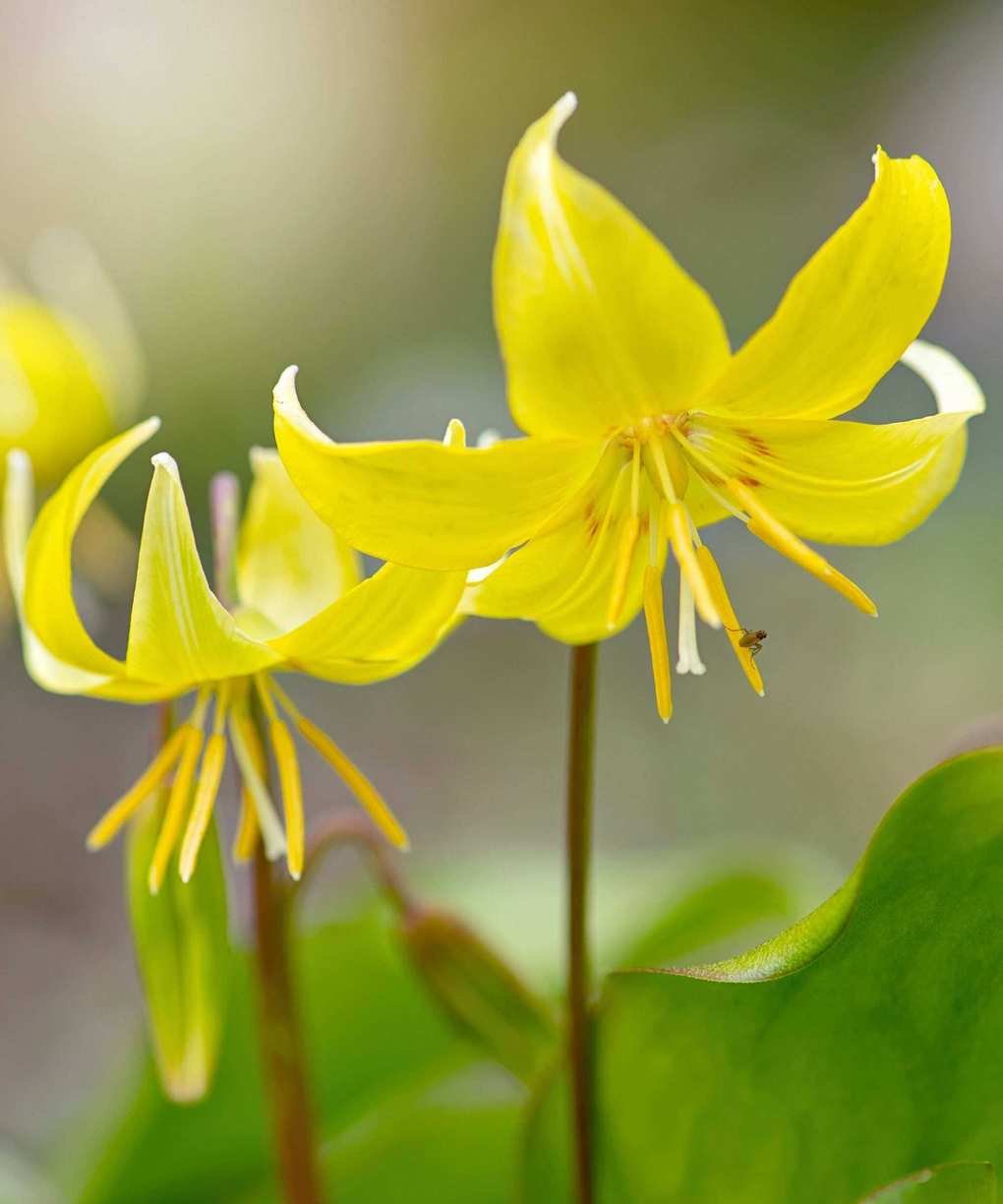
Dogtooth violet, or Erythronium, is among the best spring bulbs for nurturing a vibrant wildlife garden. The pale yellow Erythronium 'Pagoda' variety is especially beneficial for pollinators. (You can find Erythronium pagoda bulbs at White Flower Farms.)
Commonly known as trout lily or fawn lily, this resilient bulb begins blooming in April and thrives in partial shade, often found beneath trees or shrubs in rich, moist, well-draining soil.
While native bees mainly pollinate Erythronium pagoda, it also attracts butterflies, moths, and hummingbirds, bringing spring charm to your borders while supporting these important insects.
5. Hellebores
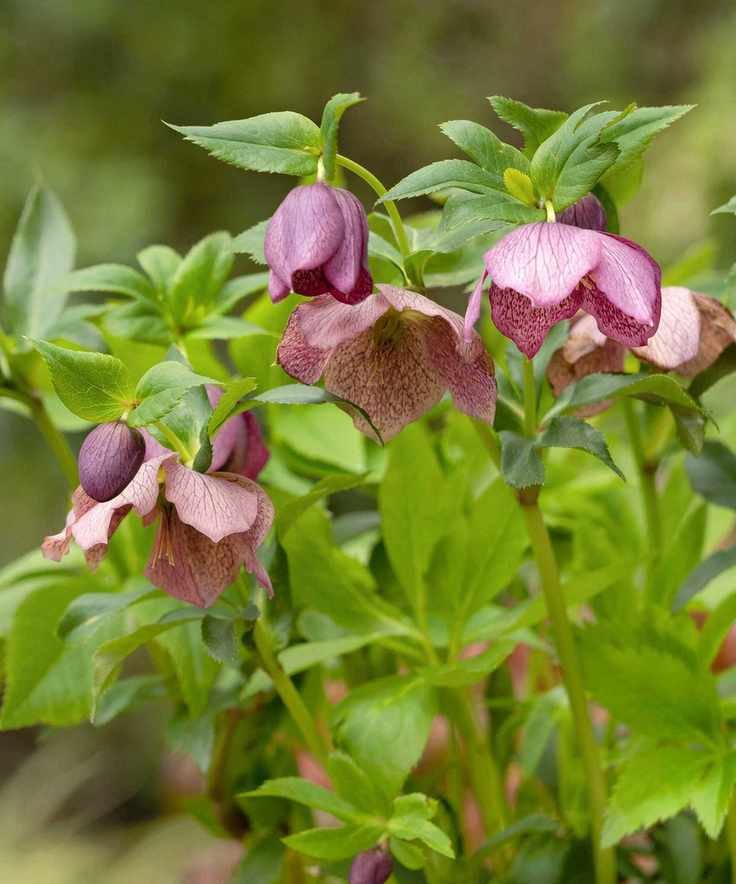
Planting hellebores offers dense ground cover and helps nourish pollinators.
Many hellebore varieties provide essential nectar as early as December, sustaining bees and butterflies throughout winter and spring.
Hellebores thrive in shaded areas with well-drained soil. The Lenten rose is the most commonly grown type; consider options like the Frostkiss elemental lenten rose from Plant Addicts, which features beautiful two-tone blooms and striking deep green foliage year-round.
Recommended Products
 Classic print
These stylish long-sleeved gardening gloves protect your hands and arms while you work in the garden.
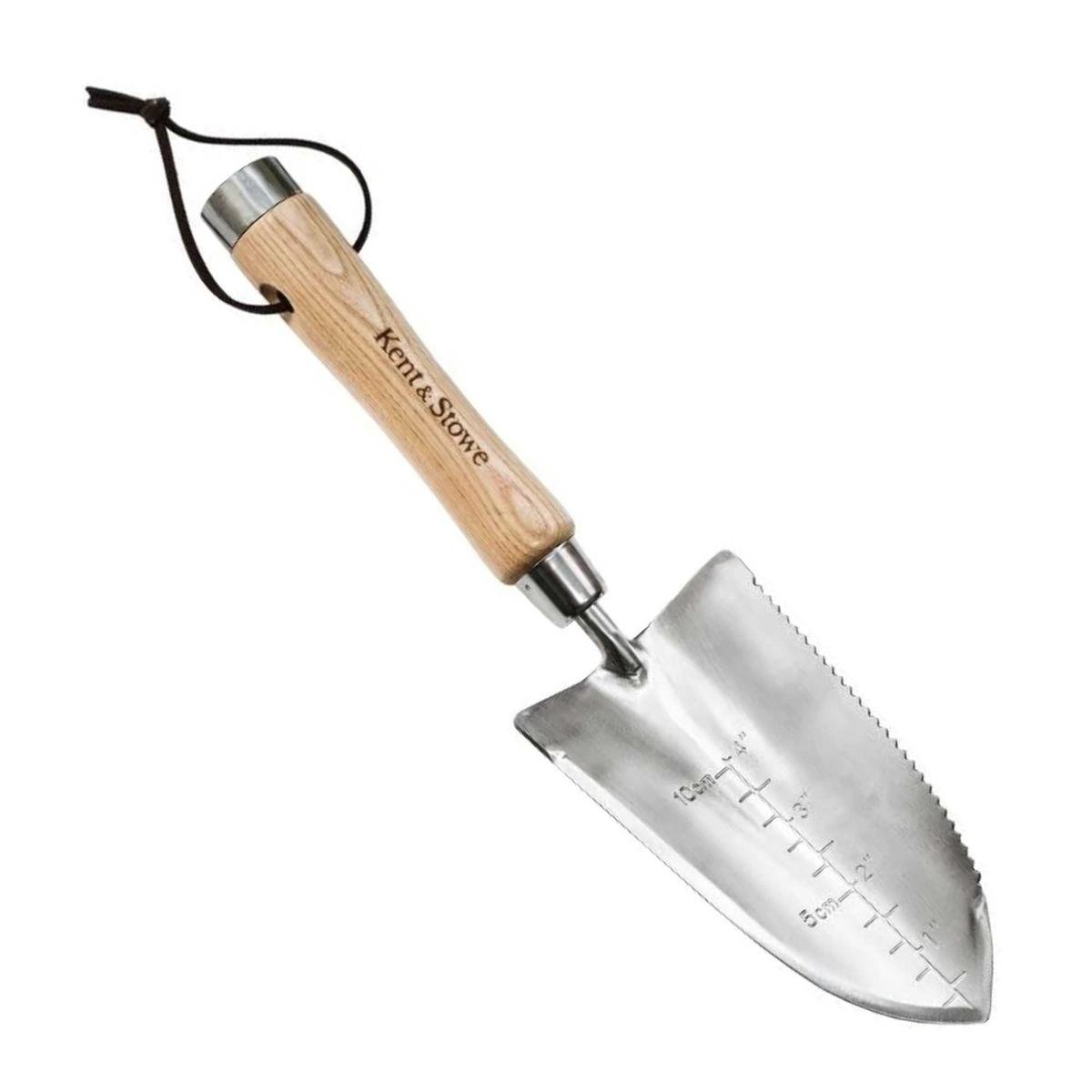 Gardening essential
This trowel is sturdy and reliable, featuring a serrated edge, handy depth gauge, and a hammer on the handle for small stakes.
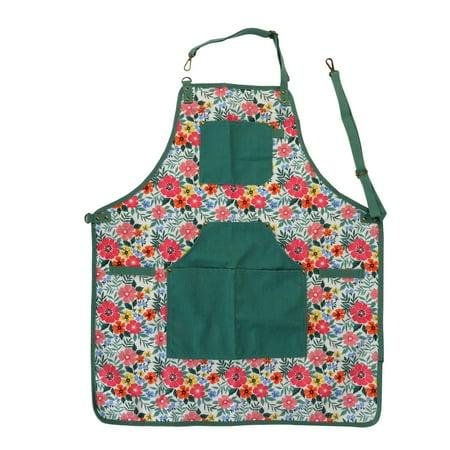 Multiple pockets
This cheerful gardening apron keeps your essential tools handy, featuring adjustable straps and easy-clean fabric with a vibrant floral design.
Looking to attract more bees to your garden this spring? We consulted experts for tips on creating the ideal pollinator haven.



