
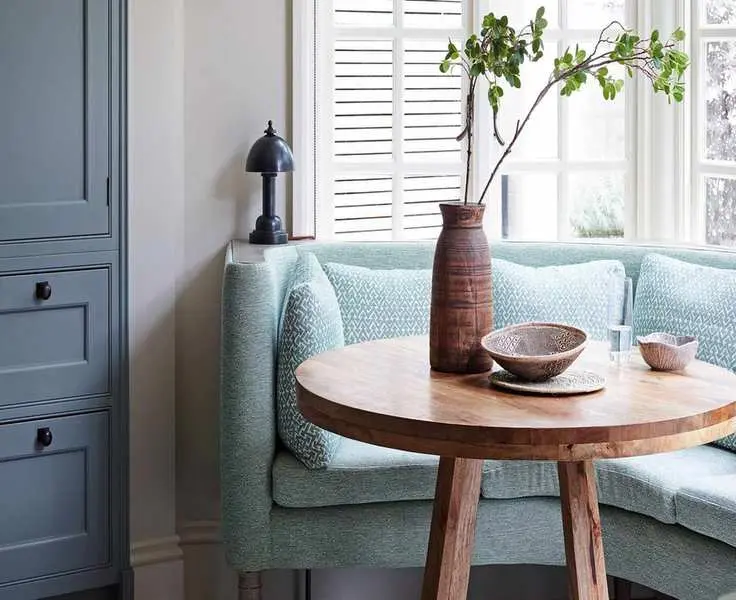
Creating systems, routines, and rhythms transforms our homes into organized sanctuaries. These intentional habits streamline our daily lives, making everything run effortlessly.
By establishing a system, we pre-plan the habits we wish to adopt. This initial investment of thought transforms tasks into automatic routines, saving us time later on.
These strategies allow us to set up processes just once, putting daily chores on autopilot. Implementing these systems can save precious time and mental energy! (Who doesn't love that?) They also make delegating tasks easier, especially when you want to take a break.
With kids around, I can't afford to waste time retracing my steps while doing chores or sifting through heaps of mail. My home needs to function efficiently, helping me juggle motherhood and business while still squeezing in some personal time.
5 Home Organizing Systems That Help Me Stay Grounded
Before diving into my favorite systems, let's explore where you might benefit from some organization in your own home.
First, jot down all tasks you tackle regularly. Think big or small—this might include sorting mail, brewing coffee, laundry, bedtime routines, grocery shopping, or checking kids' backpacks.
Next, identify which tasks feel unnecessarily difficult. Choose one manageable system that will improve your daily life without overwhelming you.
Then, strategize on how to automate that task, test it out, and adjust as necessary. You can start with one of the simple organizing systems I'll share below, but feel free to create your own that fits your home!

Caroline Roberts is a KonMari consultant and runs a home organization service in Eastern North Carolina. She and her team assist clients in decluttering, ensuring that everyone in the house knows where to find and return items. She also shares her expertise in various publications.
1. Establish Drop Zones

Most folks benefit from a drop zone. If you often misplace your keys or struggle to keep your counters tidy, a drop zone is a must.
A drop zone is simply a designated space to drop items upon arriving home. This could be a cabinet, a drawer chest, wall hooks, or a more intricate storage system. In my home, we have two zones: one in the entryway and another in the pantry.
In our entryway, I've set up The Container Store's Elfa System to keep keys, mail, sunglasses, sunscreen, hand sanitizer, and the kids' backpacks organized.
Our second drop zone consists of two simple hooks in the pantry for the kids' lunchboxes. They empty them as soon as they come home from school, making it easier to manage.
No more daily searches for items means more time and energy for other priorities.
2. Implement Seasonal Storage
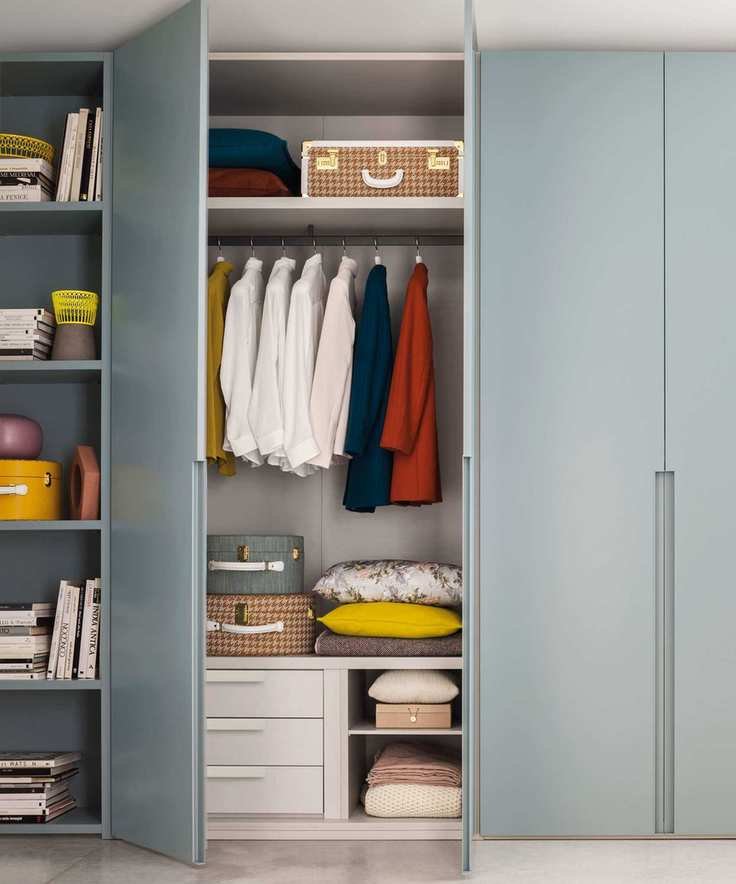
Seasonal changes influence what items need to be at hand, so consider areas in your home for summer and winter storage. If your region lacks distinct seasons, think about how school schedules affect your needs.
For example, our school drop zone transitions to a summer zone when school ends. Similarly, our coat rack that holds winter gear adapts to store beach items and sports bags. Use long-term storage solutions for off-season items, keeping frequently used items readily accessible.
3. Manage Incoming Paperwork
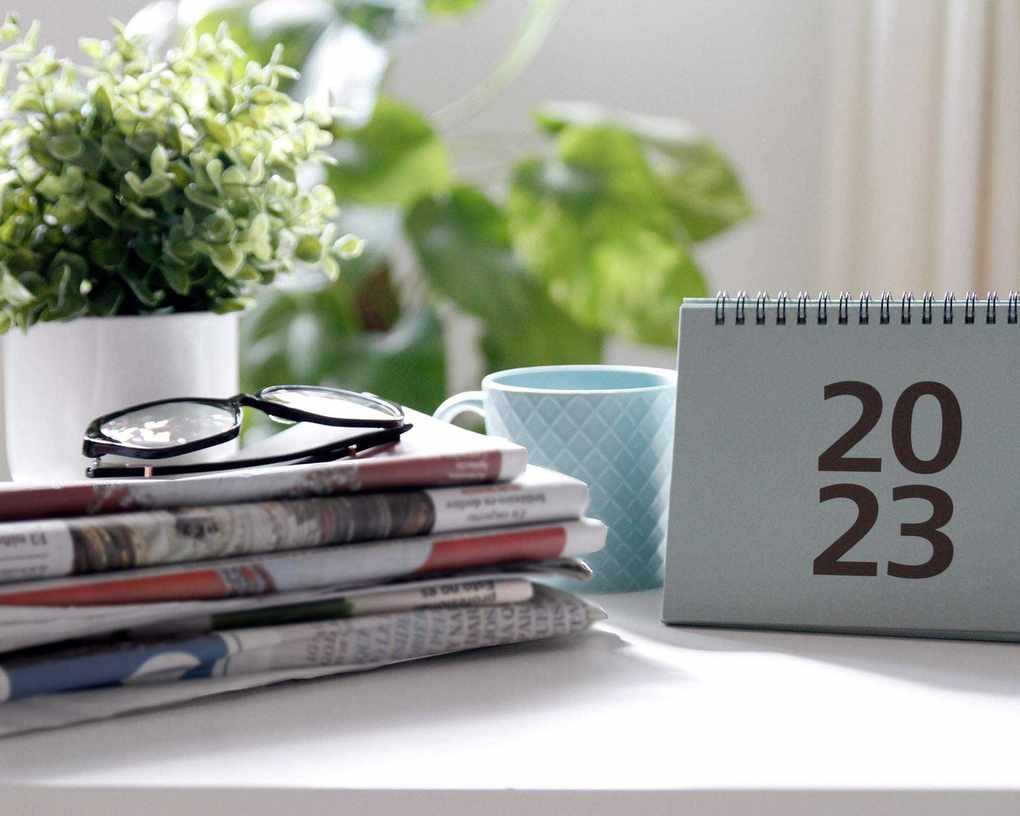
While some items don't need organizing, paper clutter is not among them. To tackle paperwork, avoid treating stacks as your to-do list. These 'tasks' accumulate and can weigh you down without a clear plan.
Instead, schedule time on your calendar to handle these items. If you need to complete a form, note its due date and plan when you'll handle it (ideally before the deadline). For paper calendars, clip documents to the date or set a digital reminder.
Keeping track of when to manage paperwork will help prevent clutter from spiraling out of control.
4. Streamline Kids' Lunch Prep

Preparing kids' lunches doesn't have to be a chore. Systems shine in this area! It's easy to feel overwhelmed with choices, so setting some boundaries around food options can simplify the process.
Decide on the types of food to include each day. I typically choose one protein, two servings of fruits or veggies, and a snack. This way, grocery shopping becomes straightforward, and I can mix and match foods throughout the week.
Once you define food options, streamline your storage containers. My sons use either a metal bento box or individual containers, ensuring consistency every day. No more searching for lids or guessing what fits where—lunch prep becomes automatic, even on busy mornings!
5. Tackle Small Tasks Together
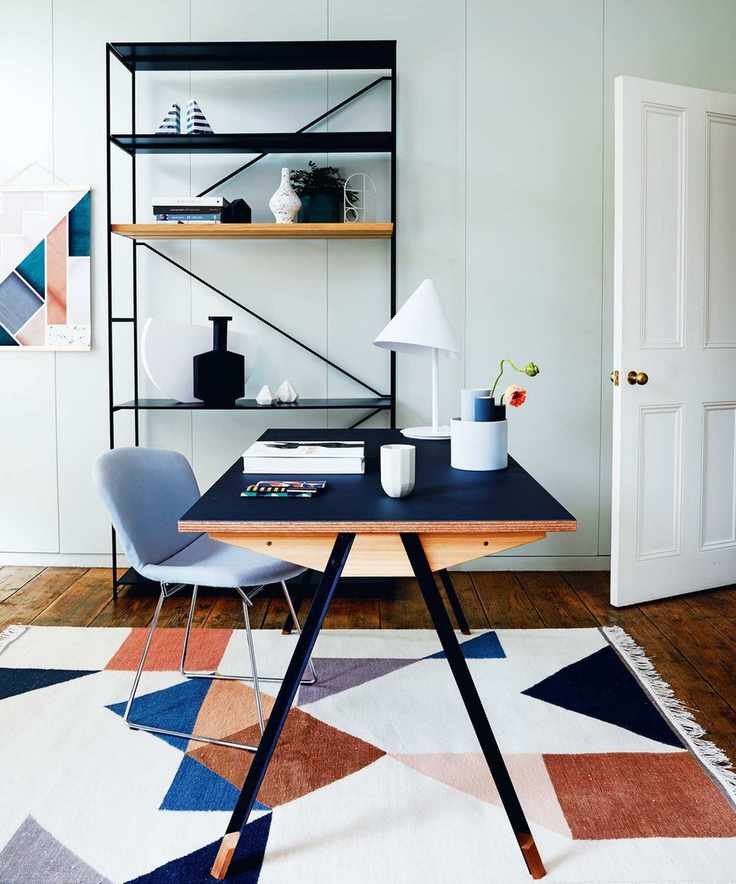
I like to address little tasks as they arise, but that's not always feasible. So, I set aside time weekly to knock out all the small chores that piled up. Preparation is key to preventing small tasks from turning into major headaches.
Keep a running list to ensure nothing slips through the cracks, and gather all necessary materials in one spot. This way, you can work efficiently—put on some upbeat music and see how quickly you can get through the list!
Don't feel restricted by the examples I've mentioned. If laundry feels overwhelming, think about how to simplify it. You could designate a specific laundry day, tackle smaller loads more frequently, or even consider a laundry service.
What are the Basic Steps to Organizing Your Home?
Focus on one area that isn't functioning smoothly in your daily routine. This could involve improving clothing storage or organizing your pantry to reduce waste. Get inspired by social media for ideas on design and functionality, and then create a plan to implement your new organization system.
The hardest part of establishing systems at home is taking the time to recognize when something isn't working. Daily life can be hectic, but observing the chaos can lead to a smoother routine. Experiment with different approaches, and if one doesn't pan out, keep trying until you find what works.
With a little effort, your home can become a peaceful and supportive environment.



