Think you know how to do laundry? You might, but learning the best practices can save you time, money, and effort, while extending the lifespan of your clothes, bedding, and towels.
Whether you're a laundry aficionado or just figuring out your washing machine, this guide is packed with essential tips to help you tackle laundry like a pro.
Understanding how long laundry cycles should typically take can help identify any issues with your process or machine. Most clothing is perfectly clean after a quick wash cycle, usually around 30-40 minutes, which can also help reduce energy costs.
Familiarize Yourself with Washer and Dryer Settings

Different settings are suited for various types of laundry
Your washer and dryer have pre-set cycles that vary in length, speed, and water temperature. Knowing what these settings do will help you maximize their efficiency.
- Delicate cycle: This gentle cycle mimics hand-washing, perfect for items like cashmere, silk, and wool. It typically uses cold water.
- Normal cycle: Ideal for everyday items like cotton and linen, towels, and undergarments, this cycle offers a thorough clean.
- Permanent press cycle: A shorter cycle using warm water, it helps reduce wrinkles, making it suitable for dress shirts and pants.
- Heavy-duty cycle: For bulkier items like towels and sportswear, this cycle uses longer wash times and higher temperatures.
- Pre-wash: Use this setting for very dirty clothes to give them an extra soak.
- Extra rinse: Add this option to ensure all detergent is washed out, especially beneficial for allergy sufferers.
- 'Rinse and spin': This setting removes moisture from items without detergent—great for rinsing out swimwear.
Washing Temperatures

Some fabrics require warmer washes for effective cleaning
Always check garment care labels, but generally, wash clothes at temperatures between 68 and 104°F (30 and 40°C). Delicates like silk and wool can't handle heat, while towels and bedding benefit from higher temperatures.
Items That Should Be Washed in Hot Water
Hot washes (130°F and above) are essential for sanitizing certain items:
- Bedsheets and towels: These attract bacteria and allergens, so wash at high temperatures regularly, typically after every three uses.
- Kitchen sponges: Sponges can harbor germs. Clean them by microwaving for one minute or washing in the dishwasher.
- Whites: Higher temperatures help lift stains from white fabrics.
- Rags and cleaning cloths: Wash these in hot water to ensure they're thoroughly disinfected.
- Heavily soiled clothes: Use hot water to effectively clean tough stains and germs.
Temperature Tips for Dark Clothes
To avoid fading dark garments, wash them at cooler temperatures (60-80°F). This helps maintain vibrant colors and prolongs their life.
- Turn dark clothes inside out to protect colors.
- Use a delicate wash setting.
- Select a suitable detergent, such as Woolite Dark Care.
- Use low heat settings or air-dry to prevent fading.
Prices were accurate at the time of writing.
Available in four colors and two sizes. Joseph Joseph Tota Laundry Hamper Separation Basket is perfect for organizing laundry.
Managing Detergent and Fabric Softener

Choosing the right detergent and softener for your laundry is crucial
Where to Place Detergent in the Washer
It might seem straightforward, but where to place detergent matters:
- Liquid detergent: Add directly to the drum for even distribution.
- Powdered detergent: Place in the designated drawer, typically marked with a 'II'.
- Laundry pods: Toss in before adding clothes.
- Fabric softener: Add to the drawer marked with a flower symbol, avoiding use with microfiber towels.
- Pre-wash detergent: Put this in the compartment marked with an 'I'.
- Scent boosters: Toss in before adding detergent or laundry.
Never wash clothes without detergent. Water alone won't effectively remove odors or stains.
For eco-friendly options, explore sustainable cleaning products or even consider making your own detergent.
Laundry Pods vs. Liquid Detergent
Each type has its pros and cons:
- Pods: Convenient, easy to store, concentrated, and good at stain removal.
- Cons: Costlier, may leave clothes less soft, not suitable for delicates, and limited fragrance options.
- Liquid detergent: Effective in cold water, variety of options, generally better fragrances, and more specialized for different fabrics.
- Cons: Less concentrated, messy, and potentially wasteful.
Both options have their merits; it depends on your laundry needs.
When to Avoid Fabric Softener
Fabric softener is popular but can negatively impact certain items:
- Towels and microfiber cloths: Softener reduces absorbency.
- Gym wear: Can affect stretch and moisture-wicking properties.
- Flame-retardant clothing: Softener can compromise safety.
- Cloth diapers: Softener can reduce their absorbency.
Avoiding Common Laundry Pod Mistakes
Here are some common pod pitfalls:
- Incorrect loading: Always place pods in the drum before adding clothes.
- Wrong amount: Follow dosing instructions; more doesn't mean cleaner.
- Using with delicates: Hand-wash delicate fabrics instead.
- Unwrapping: Don't cut or unwrap pods.
- Improper storage: Keep pods sealed and dry, away from children.
- Overloading: An overloaded machine reduces cleaning effectiveness.
- Using hypoallergenic pods on tough stains: These may not effectively remove heavy soils.
Common Laundry Issues and Solutions

Prevent issues like lint, static, and odors
Preventing Lint Balls on Clothing
Pilling can make even new clothes look worn. To prevent lint balls:
- Choose detergents with cellulase: This enzyme helps break down lint.
- Use dryer sheets: These reduce static cling and lint build-up.
- Hand wash delicate items: This helps maintain their condition.
- Use mesh bags: Protect delicate items from friction with other fabrics.
Reviving Dingy Whites
To restore the brightness of white clothing, consider these tips:
- White vinegar: Add 1/2 to one cup during the rinse cycle for a fresh clean.
- Baking soda: Add 1/2 cup in the wash to neutralize acids and enhance cleaning.
- Commercial whiteners: Use products like Vanish Gold White Powder for stubborn stains.
- Hydrogen peroxide: Add a cup to the wash cycle for whitening effects.
Softening Towels
To make towels fluffy again, follow these steps:
- Use vinegar: This softens fabrics without reducing absorbency.
- Avoid common mistakes: Wash towels separately to prevent fiber transfer.
- Check labels: Ensure proper washing conditions for softness.
- Shake towels: This helps loosen fibers before drying.
- Vary drying methods: Avoid radiators; alternate between dryer and line drying.
- Store properly: Use racks or rolls for optimal storage.
Dealing with Musty Smells
If clothes smell sour after washing, consider these factors:
- Extended drying time.
- Dirty washing machine.
- Excess detergent used.
- Delayed washing after use.
- Overloaded machine.
- Leaving clothes in the washer too long.
- Lingering bacteria or hard water issues.
Washing Delicates

Hand-washing is essential for delicate fabrics
Steps for Handwashing Clothes
Handwashing is crucial for delicate items. Here's how:
- Check care labels: Ensure handwashing is safe for the item.
- Pre-treat stains: Use a targeted solution for any visible stains.
- Fill the sink: Use warm water and add detergent suitable for delicates.
- Swish gently: Soak items without overcrowding the sink.
- Let soak: Allow items to sit for about 15 minutes.
- Rinse until clear: Repeat rinsing until the water runs clear.
- Dry carefully: Lay items flat on a towel to dry; avoid hanging.
Handwashing Wool
For wool, follow these guidelines:
- Use wool-specific conditioner: This prevents damage and enhances softness.
- Soak gently: Avoid scrubbing to prevent pilling; agitate gently.
- Dry flat: Never wring wool; use a drying rack with dehumidifier underneath.
Creating a Pleasant Laundry Scent

Keep laundry smelling fresh
Maintaining Fresh Laundry Smell
To keep your laundry smelling great beyond wash day:
- Select quality products: Don't compromise on detergent quality.
- Store clean items properly: Avoid musty storage conditions.
- Use linen sprays: These can help maintain that fresh scent.
- Add odor busters: Ingredients like Borax can enhance freshness.
Folding Laundry Efficiently

Streamline your folding process with these tips
Folding laundry needn't be tedious. Here are some strategies:
- Fold immediately: Tackle laundry as soon as it's dry to avoid piles.
- Sort before folding: Group items to streamline the process.
- Use retail folding techniques: This ensures a neat presentation.
- Incorporate folding into your routine: Set a schedule and pair it with enjoyable activities.
Essential Laundry Room Items

Quality products make laundry chores easier
Choosing the right laundry products is crucial for achieving the best results:
 Whitens and brightens
OxiClean White Revive is essential for pre-treating stains effectively.
 Pack of three
Honeycomb mesh laundry bags help protect delicate garments during washing.
 Saves drying time
Wool dryer balls improve drying efficiency and reduce static.
 Works with top and front load washers
Keep your washing machine clean to prevent musty odors.
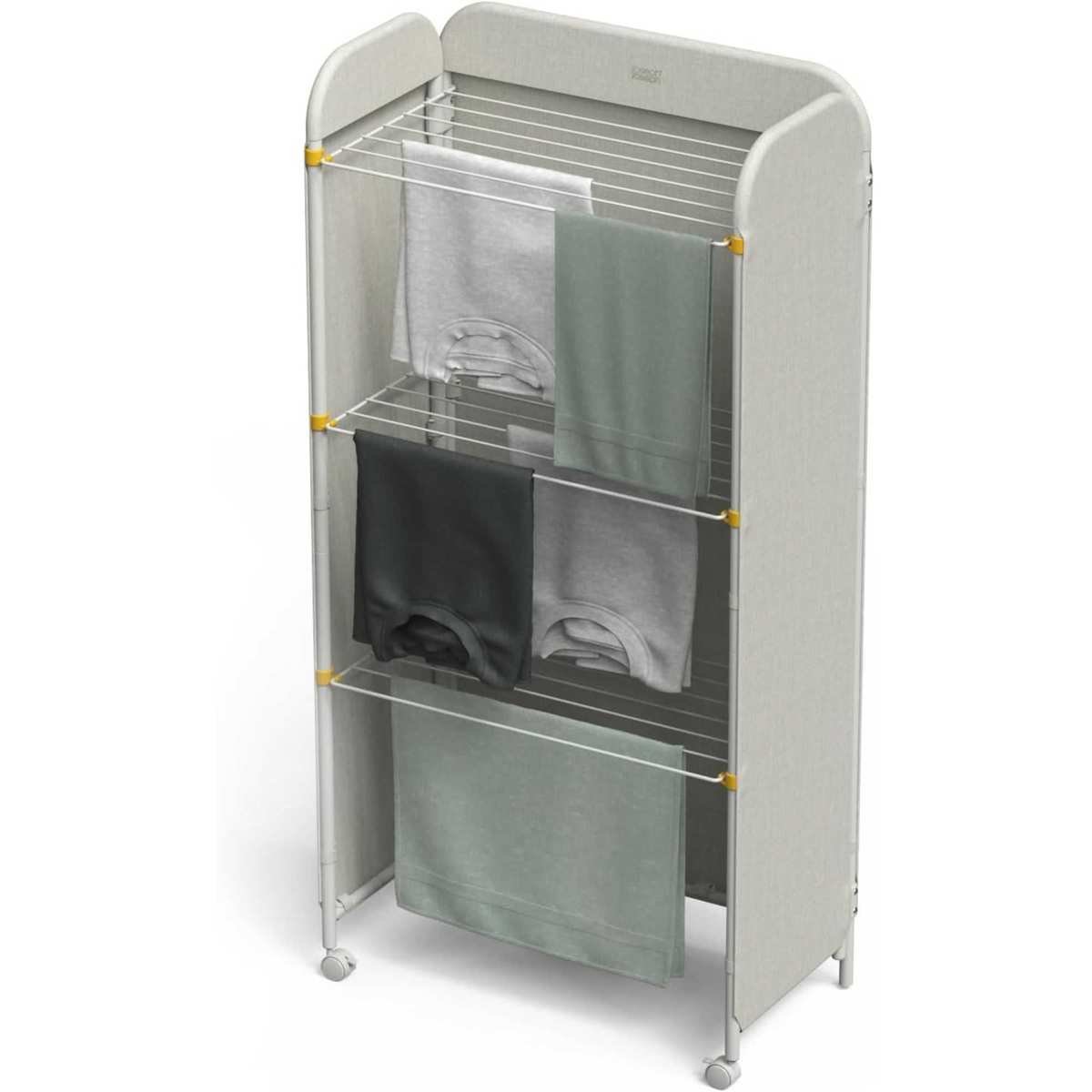 Perfect for tiny spaces
This indoor airer is stylish and functional for drying laundry.
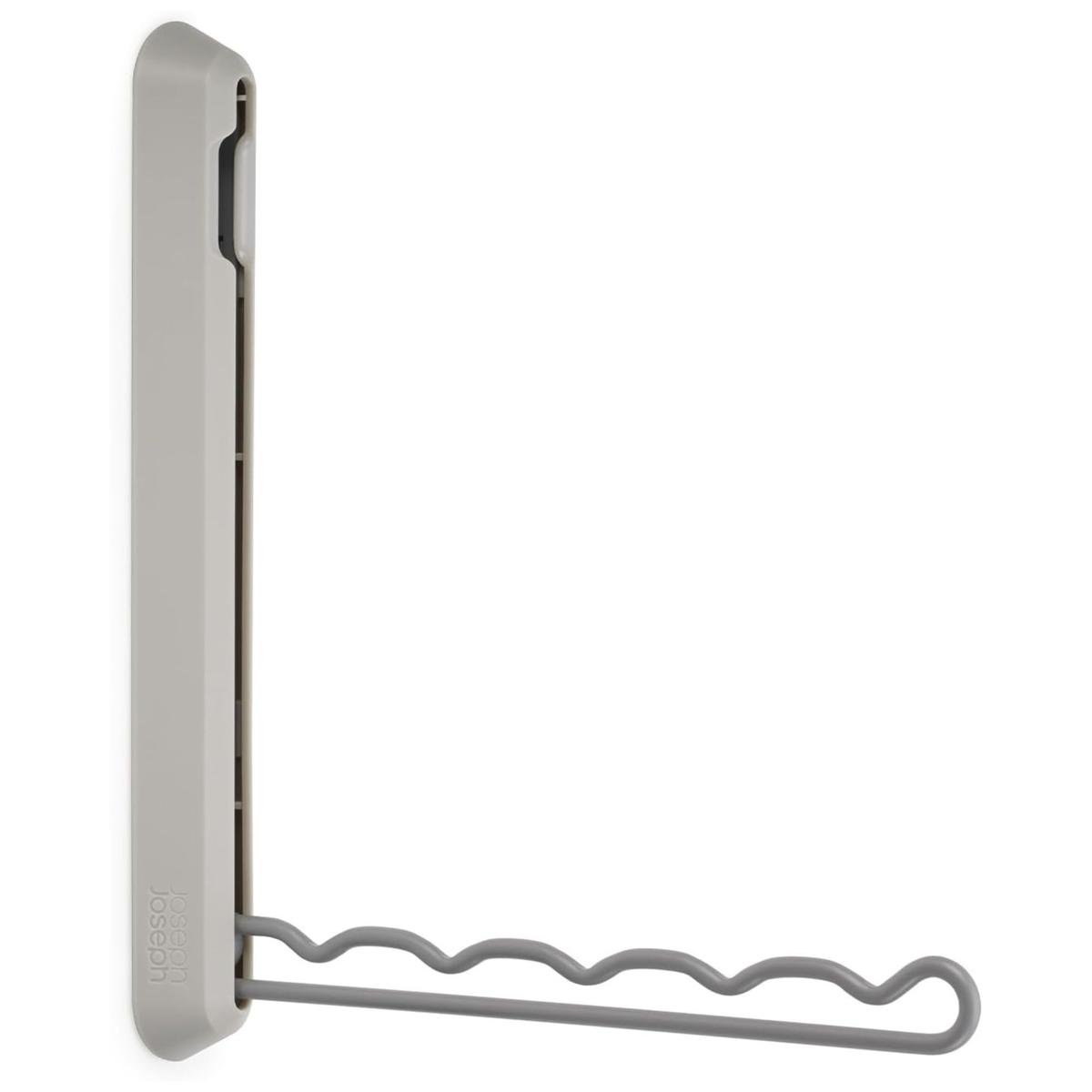 Folds away
This foldaway rail keeps clothes organized while drying.
FAQs
Managing Laundry with Guests
When hosting, consider these tips:
- Use light fragrances for laundry.
- Pre-wash all towels and linens.
- Check your washer's load capacity.
- Sort laundry to avoid damaging items.
Washing Backpacks
Most backpacks can be machine washed, but check the care labels first. Hand wash any leather or embellished bags.
How to Strip Laundry
Laundry stripping can be done as a deep clean:
- Fill a tub with hot water and add detergent, Borax, and washing soda.
- Soak items for four to five hours, stirring occasionally.
- After soaking, wash without detergent and complete an extra rinse cycle.
Strip laundry infrequently to maintain fabric longevity.
Washing New Items
Always wash new clothes and linens to remove dust and bacteria.
Boiling Clothes
Avoid boiling clothes; it can damage fabrics and set stains.
Social Considerations for Doing Laundry
It's best to avoid laundry between 10 PM and 7 AM for a peaceful household.
To ensure perfect laundry results, regularly clean your washing machine and detergent drawer for optimal performance.