
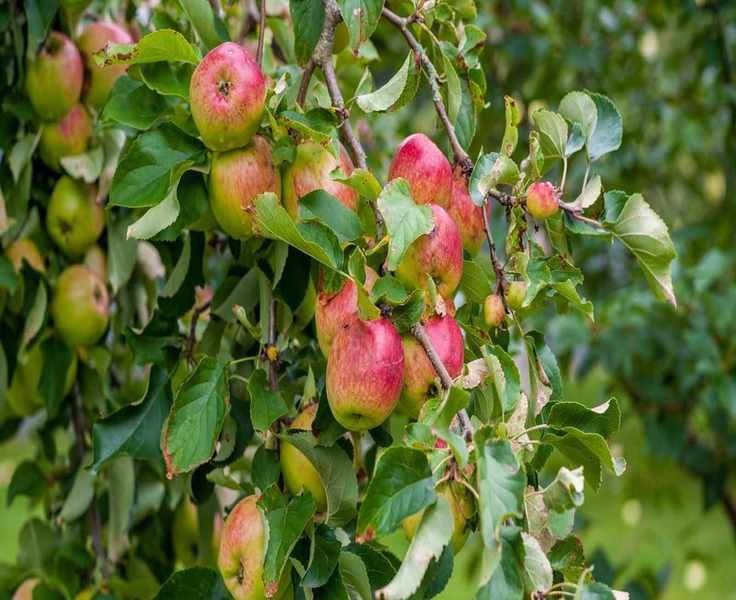
Growing fruit trees can be tricky. Unpredictable weather, pests, and diseases threaten your fruit yield. However, opting for disease-resistant varieties can greatly simplify your gardening experience while ensuring steady harvests.
Many popular fruit trees have disease-resistant options available. If you're considering apples, pears, plums, cherries, or peaches, you'll find varieties that fend off common ailments like scab, fire blight, and bacterial spot. This reduces the need for frequent chemical treatments and minimizes stress.
If you're after a garden that requires less upkeep, these resilient fruit trees are an excellent choice. Here are five cultivars that balance hardiness with productivity, giving you delightful harvests without the headaches.
Top 5 Low-Maintenance Fruit Trees
While disease-resistant fruit trees provide great benefits, they aren't foolproof. They're bred to resist specific ailments, but can still face challenges, especially when stressed. Nevertheless, they are low-maintenance and ideal for home gardening.
1. Liberty Apple
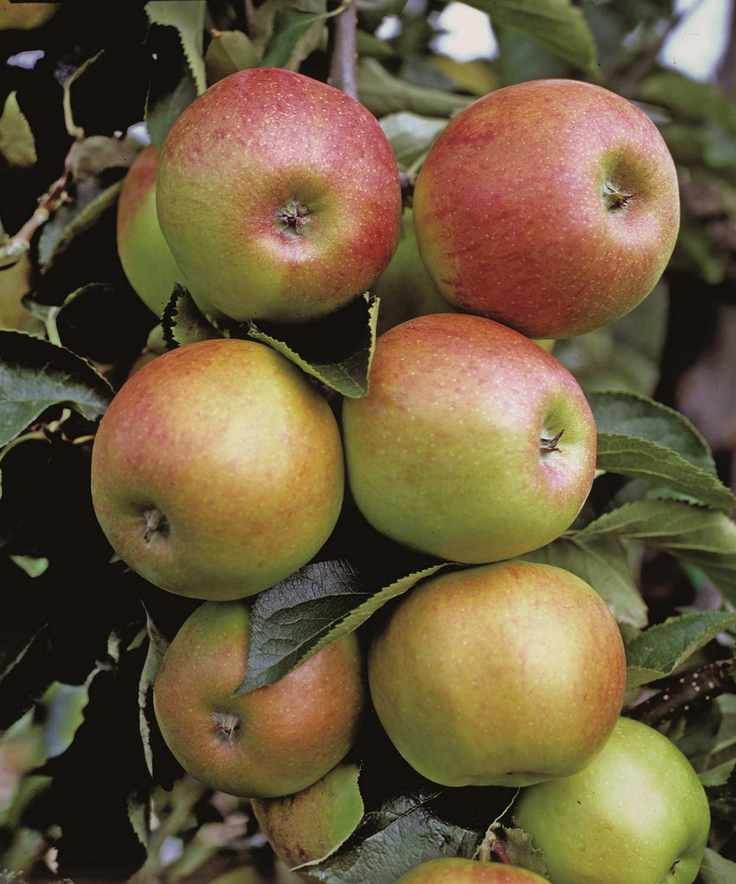
The Liberty apple tree is renowned for its disease resistance.
It effectively wards off common issues like scab, fire blight, and powdery mildew, ensuring a healthy yield.
If you want a dependable apple tree, consider Liberty. It's suitable for US hardiness zones 4-7, yielding medium-sized yellow-green apples that are crisp and juicy, perfect for eating or cooking. These apples typically ripen in mid-to-late September and can be stored for up to three months.
Other disease-resistant apple varieties worth exploring include Enterprise, Freedom, and Triumph, the latter being developed by the University of Minnesota and known for its strong resistance to scab and fire blight. You can find a Triumph apple tree at Fast Growing Trees.
2. Ayers Pear
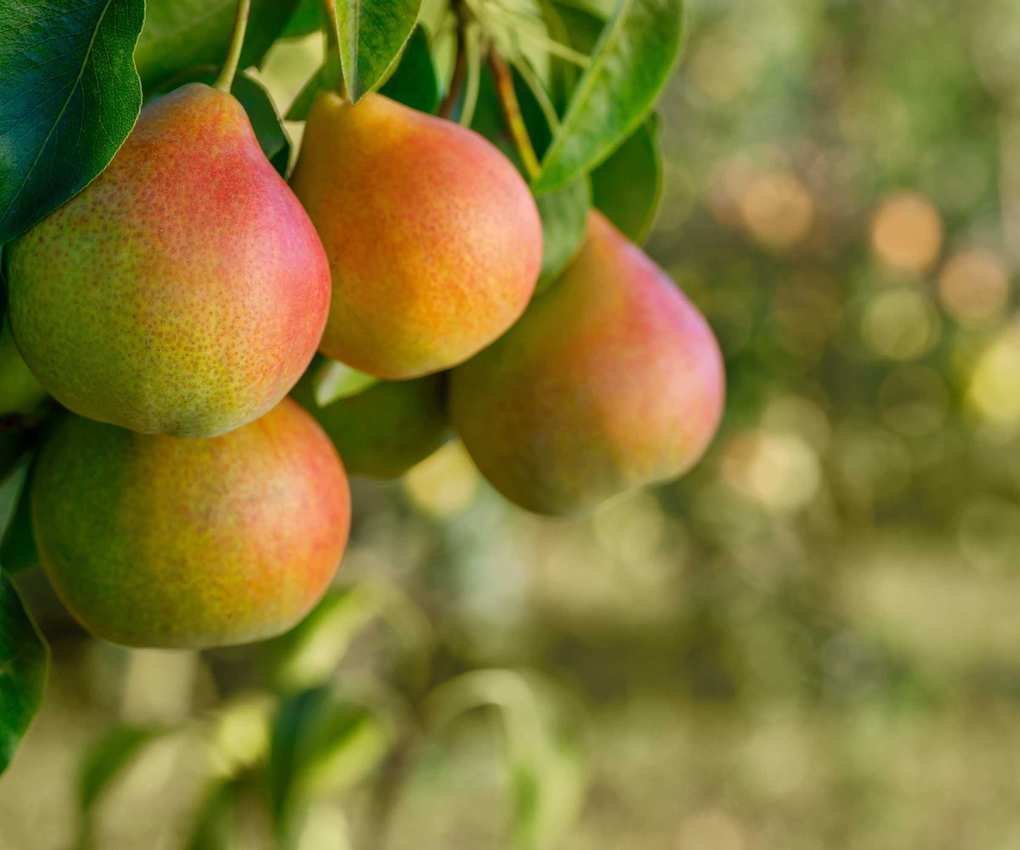
Fire blight can devastate pear trees, affecting their branches and fruits. To combat this, it's wise to select disease-resistant options like the Ayers pear tree, known for its resilience. You can find a live Ayers pear tree at Amazon.
Ayers not only resists fire blight but also black spot and powdery mildew. It's self-pollinating, although planting another tree nearby can enhance fruit production, yielding juicy pears in mid-to-late summer—great for eating or cooking.
Other varieties resistant to fire blight include Warren, Blake's Pride, Harrow, and Hosui Asian. A live Hosui Asian pear tree at Amazon produces crisp, golden fruits.
3. Frost Peach
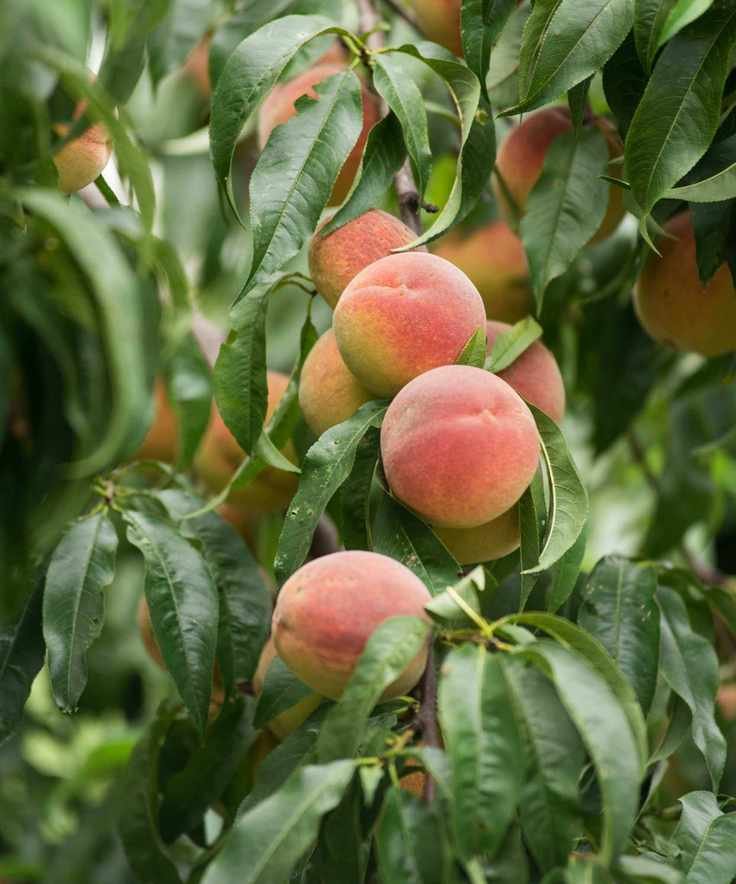
For gardeners in colder areas, growing peach trees can be challenging due to issues like peach leaf curl and late frosts. The Frost peach is an excellent choice, thriving in cooler temperatures and resistant to leaf curl.
This fungal issue affects spring leaves, causing them to curl and fall. With a Frost peach tree, maintenance is simpler, as it naturally withstands these challenges.
These peaches are golden-yellow and juicy. You can find a Frost peach tree at Fast Growing Trees, which can grow to 12-15 feet tall.
Other peach varieties that resist leaf curl include Contender and Avalon Pride.
4. Harcot Apricot
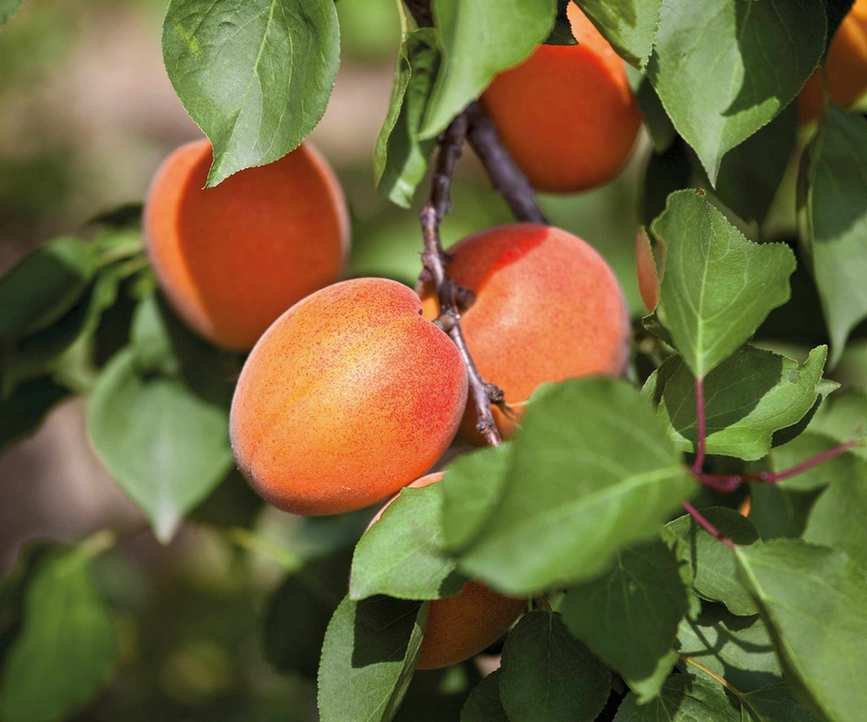
Bred in Canada during the 1970s, Harcot is perfect for colder regions and offers several advantages over other apricot varieties.
It blooms later, tolerating cold spring temperatures, but should be covered during harsh cold snaps. This variety is also resistant to bacterial spot, brown rot, and canker, making it a reliable choice.
Harcot apricot trees produce medium to large orange fruits with a red blush, yielding firm, juicy flesh when ripe.
This compact semi-dwarf tree is suitable for smaller gardens. Regular pruning can keep it manageable. While it self-pollinates, having another tree nearby can boost fruit production. You can purchase a Harcot apricot tree at Fast Growing Trees for sunny spots or even in pots.
5. Persimmon Trees
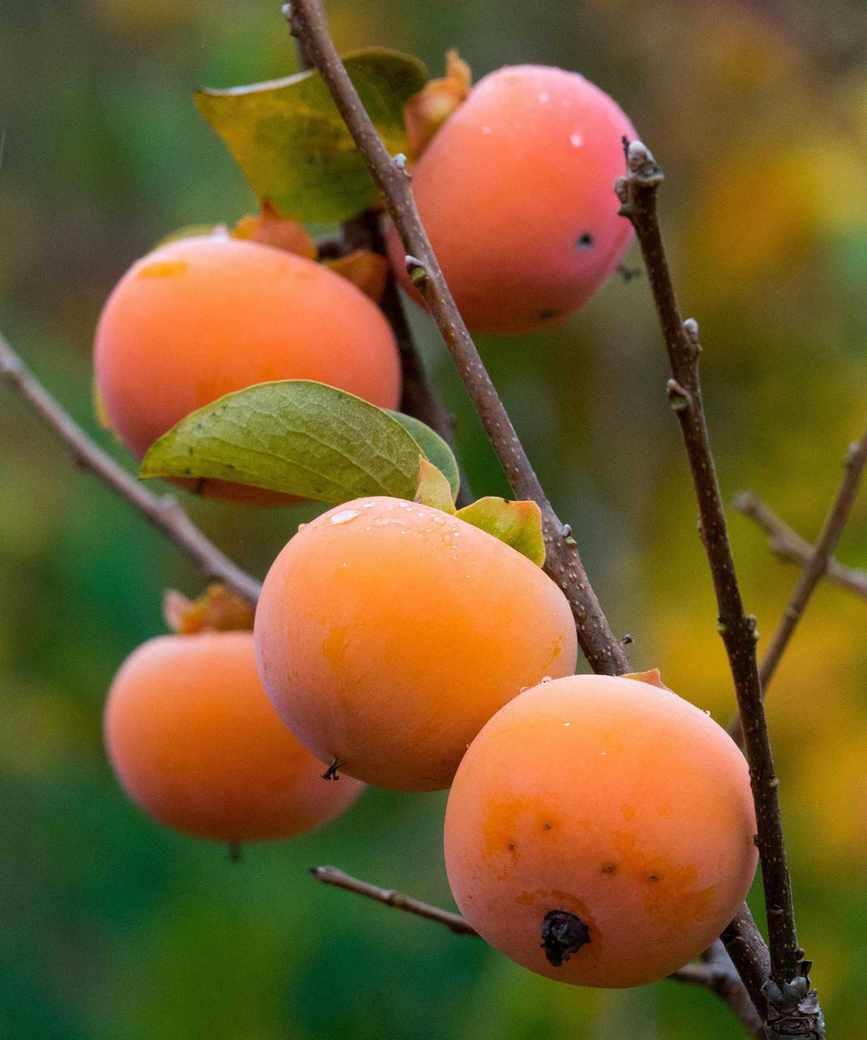
If you're looking for a unique fruit tree that's both pest and disease-resistant, consider persimmons. Though not commonly planted, they add year-round beauty and produce sweet fruits.
There are Asian (Diospyros kaki) and American (Diospyros virginiana) persimmons, both known for their disease resistance.
Asian persimmons yield larger fruits, while American varieties are hardier in cold climates, and dwarf cultivars are available for container planting.
You can find a Asian Fuyu persimmon tree at Fast Growing Trees, the most popular variety globally, known for its natural resistance to pests and diseases.
Alternatively, consider getting a live American persimmon tree at Amazon.
Gardening Essentials
A digging spade is an must-have tool for planting trees, featuring a stainless steel head and durable hardwood handle for long-term use.
Wood landscape stakes are crucial for newly planted trees, especially in windy areas. This set includes six 60-inch untreated stakes with a pointed end for easy installation.
After planting, mulching around your fruit trees is highly beneficial for moisture retention and weed control. This organic mulch is perfect for the job.
Disease-resistant fruit trees generally require less care than other types. Additionally, consider their drought tolerance when selecting trees.
Among the most drought-tolerant varieties are fig, pomegranate, persimmon, and loquat trees. These thrive in warmer climates and need less water during hot months, saving you time and effort.



