
Mildew odors in laundry are a common issue, particularly when items remain damp for too long, like towels often do.
Like tackling pet hair in laundry, addressing mildew smells is crucial for both a pleasant scent and a fresh closet. Here are five effective methods laundry experts recommend to keep your clothes and towels smelling great while avoiding common laundry pitfalls. Following these steps can help prevent musty odors from becoming a bigger problem.
Eliminating Mildew Smells from Clothes and Towels
Mildew is a type of mold that flourishes in damp, poorly ventilated spaces, leading to unpleasant smells in fabrics. To effectively combat mildew odors, it's important to remove both the smell and the mold. Regular cleaning, proper drying, and correct storage practices can help keep mildew at bay.
1. Soak Towels and Clothes

Begin by soaking towels and clothes in a bucket filled with warm or hot water mixed with oxygen bleach for 30 minutes to an hour before washing. Use 1/4 cup of oxygen bleach per gallon of warm water, ensuring it's completely dissolved before adding the laundry.
This pre-soaking step loosens mildew spores trapped in the fabric, making them easier to remove during washing. It also allows cleaning agents to work more effectively, tackling odor-causing bacteria.
Using an odor-neutralizing solution, like oxygen bleach or even a mix of baking soda and vinegar, can significantly reduce mildew odors. Always refer to garment care labels for specific bleach guidance. If oxygen bleach isn't available, aspirin can serve as an alternative stain remover.
Biokleen Laundry Oxygen Bleach Plus | $18.70 from Amazon
Oxygen bleach effectively kills bacteria, viruses, fungi, and algae while having no odor.
2. Wash Clothes Quickly

As soon as you notice mildew smells, wash your towels or clothes promptly. Victor Zhu, CEO of Zechuang Clothing Co, suggests using hot water and quality detergent, as heat kills mildew spores.
Load your items into the washing machine, add a cup of vinegar, and initiate a hot cycle with detergent. Pause halfway to let the towels soak for an hour.
For particularly stubborn odors, add half a cup of baking soda during the rinse cycle. Dario Ragnolo, founder of Tidy Town Cleaning, recommends running a second hot cycle with another cup of vinegar and your usual detergent.
3. Incorporate Antibacterial Scents

While deodorizing clothes and towels is vital for removing mildew smells, infusing them with essential oils that possess antimicrobial properties can enhance freshness. Scents like tea tree, lavender, lemon, and eucalyptus not only mask odors but also help neutralize them.
Mix 5-10 drops of your chosen oil into a gallon of warm water in a bucket. Soak the fabrics for 30 minutes to an hour before washing as usual.
Essential Oils by PURE AROMA | $9.98 from Amazon
This set includes eucalyptus, lavender, lemongrass, orange, peppermint, and tea tree oils.
4. Dry Clothes in the Sun
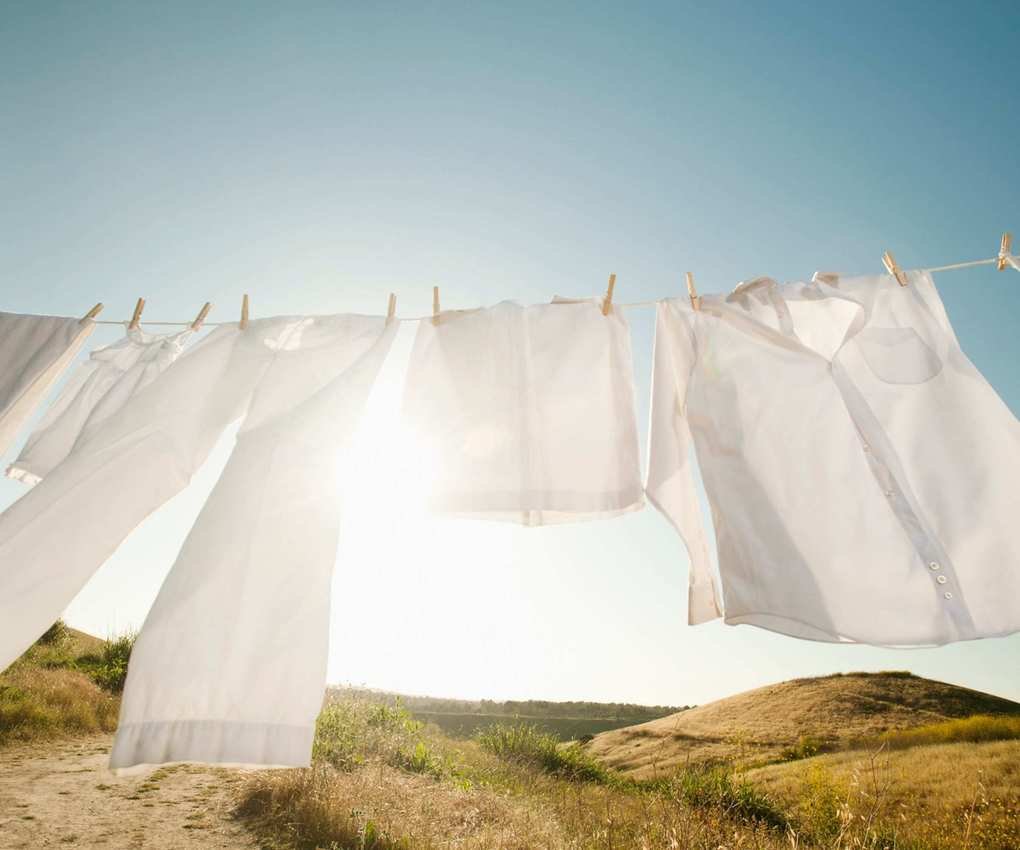
If possible, dry washed clothes or towels outside in direct sunlight. Victor Zhu advises that sunlight not only ensures complete drying but also acts as a natural disinfectant against mildew spores.
The UV rays in sunlight can penetrate fabrics, effectively eliminating mold and mildew, which are responsible for musty odors.
5. Store Fabrics Correctly

Properly storing towels and linens is crucial for keeping them fresh and mildew-free. Make sure items are entirely dry before storage, as dampness encourages mold growth.
Avoid packing them tightly, as this limits airflow. Instead, use well-ventilated containers or storage areas to prevent moisture accumulation.
If the above methods don't work, consider laundry stripping to eliminate built-up residues that can dull fabrics over time. This process involves soaking your laundry in hot water with borax, washing soda, and a mild laundry detergent for several hours.