
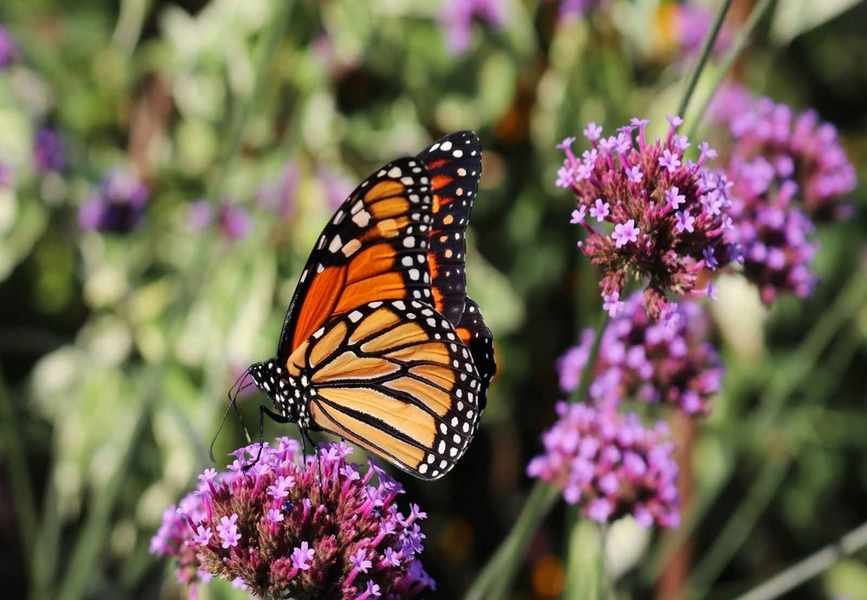
Transform your backyard into a sanctuary for bees, butterflies, and hummingbirds by incorporating plants that offer rich nectar. This not only invites these vital pollinators but also fosters a thriving ecosystem. However, not every flower appeals to all pollinators. Some species are dependent on particular plants, and by adding these to your garden, you can significantly enhance its biodiversity.
Specialist pollinators, which include various bees and butterflies, have very specific feeding habits. These species often depend on just one type of plant family, unlike generalist pollinators that are more versatile in their diets. This specialization makes them particularly sensitive to habitat disruptions, highlighting the need to cultivate the plants they rely on.
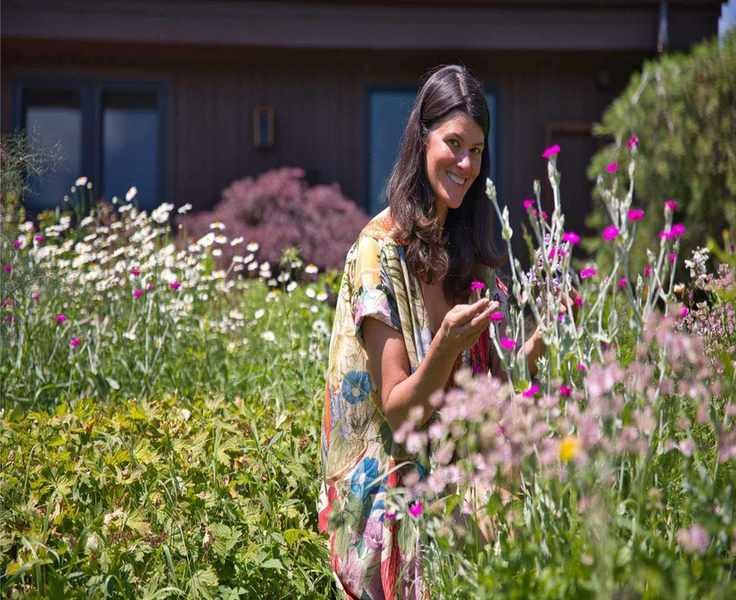
Summer Rayne Oakes, a passionate gardener from New York, emphasizes the importance of such plants at her homestead. 'Our pollinator garden is tailored to the needs of specialist insects,' she explains. Here are her top five plants that attract these essential pollinators, helping you nurture your own garden.
Understanding Specialist Pollinators

Summer notes that her garden prioritizes species beyond just the common honeybees and bumblebees. 'We focus on specialist pollinators that depend solely on specific plants, such as those that feed on squash and blueberry flowers,' she shares.
These specialist species have evolved alongside their host plants, emerging at the same time each year. This relationship makes them vulnerable to environmental shifts, making it crucial to cater to their needs.
Specialist plants not only provide nectar and pollen for these insects but also serve as a food source for their larvae, contributing to a healthy food chain. 'This encourages more birds, as nearly 96% of bird species depend on insects for sustenance,' Summer adds.
1. Fringed Loosestrife
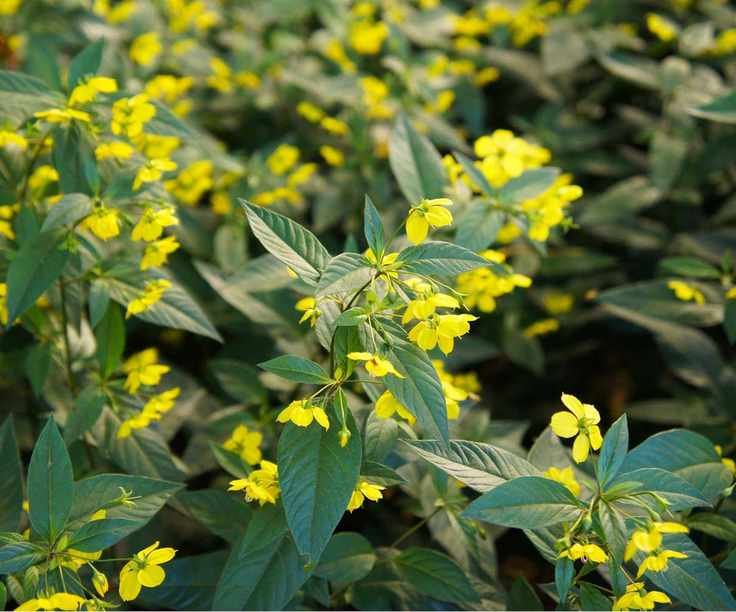
- Ideal for: oil-digger bees
Fringed loosestrife, or Lysimachia ciliata, thrives in wet environments and is crucial for oil-digger bees that utilize its resin to waterproof their nests. This native plant features lance-shaped leaves and star-like yellow flowers, flourishing in USDA zones 4-8 while enjoying full sun or partial shade.
However, be cautious with other Lysimachia varieties, as some can become invasive, such as creeping jenny and purple loosestrife, which is prohibited in California.
2. Heuchera Americana
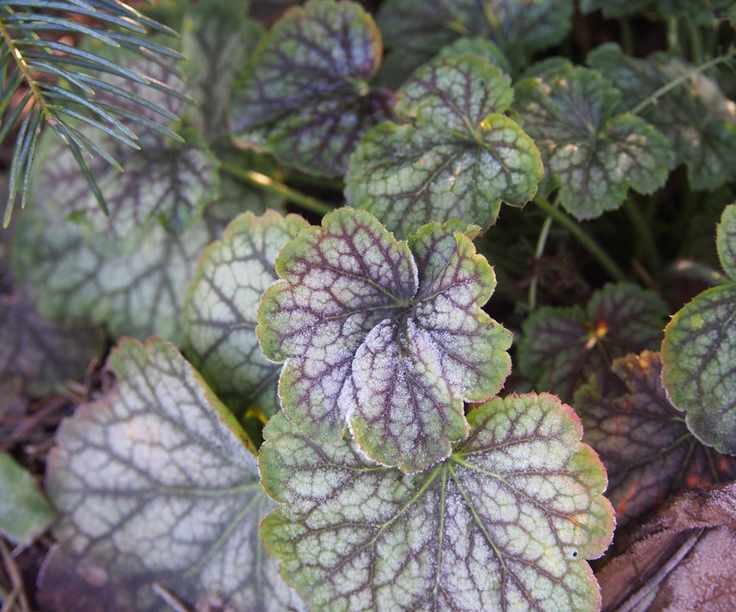
- Ideal for: alumroot cellophane bee
In Summer's garden, Heuchera americana draws in alumroot cellophane bees that forage for its pollen during spring and early summer. This native heuchera showcases lobed evergreen foliage in varying shades, transitioning from purple and bronze to green, with flower spikes blooming in late spring through summer.
It thrives in USDA zones 4-9, preferring well-drained, consistently moist soil and can adapt to sun or partial shade. You can find a lovely cultivar named 'Green Spice' at various garden retailers.
3. Sedge
- Ideal for: skipper butterflies and specialist moths
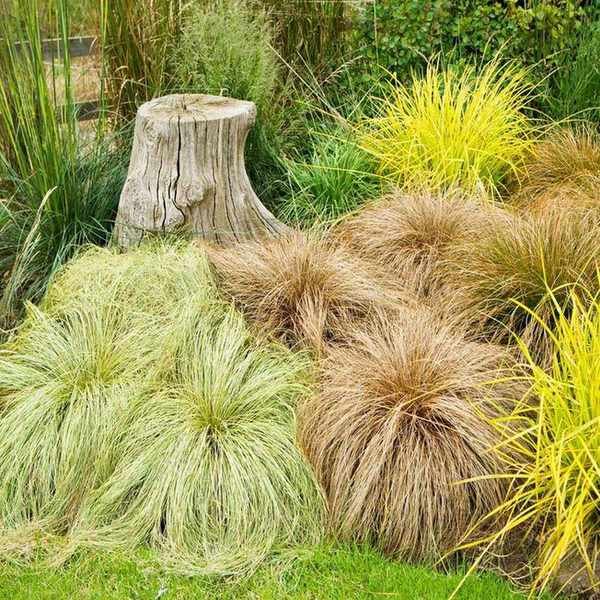
Choosing a sedge lawn over traditional grass was a strategic move for Summer, as these plants serve as food for skipper butterflies and certain moths. While primarily wind-pollinated, sedges provide habitat and shelter for ground-nesting bees.
Appalachian sedge (Carex appalachica) is a popular native choice, known for its fine-textured foliage and adaptability.
4. Milkweed
- Ideal for: monarch butterflies
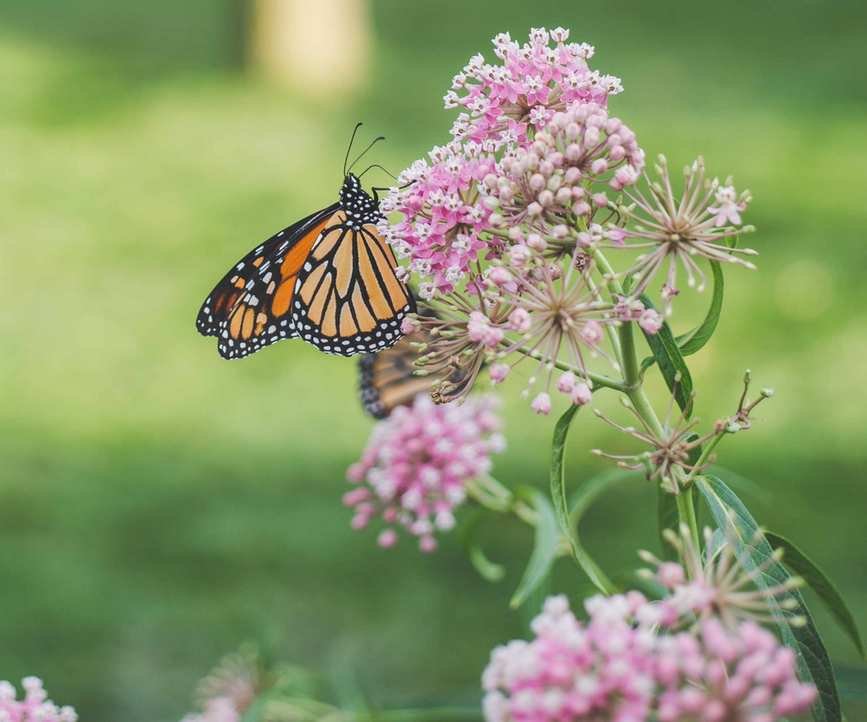
Although adult monarch butterflies aren't specialist pollinators, their caterpillars are dependent on milkweed for survival. Consuming its leaves makes them toxic to predators, highlighting the crucial role milkweed plays in their life cycle.
This hardy plant grows in USDA zones 3-10, requiring 6-8 hours of sunlight daily and is drought-tolerant once established. You can find milkweed plants at local nurseries.
5. Gumweed
- Ideal for: oligolectic bees
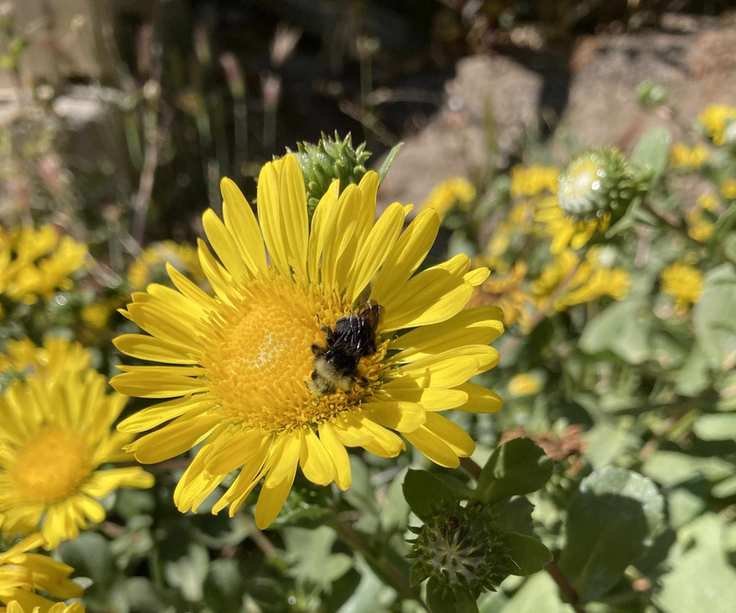
Gumweed, or Grindelia, is another fascinating plant that supports numerous oligolectic bee species seeking late-season pollen and nectar. Its sticky flowers and daisy-like yellow blooms are not just visually appealing but also essential for these bees' nesting needs.
Gumweed flourishes in USDA zones 3-10 and is commonly found as a native wildflower across North America.
Shopping Essentials
Consider these items to enhance your pollinator garden:
- Pollinator Wildflower Mix: A blend of 18 varieties to attract various beneficial insects.
- Pollinator Watering Station: Provide water sources for bees and butterflies to hydrate and bathe.
- Bee House: A natural wood house with compartments for bees to nest.
There are countless ways to support bees, butterflies, and birds in your garden. Consider creating a pollinator strip or a designated area to attract these creatures this spring.



