
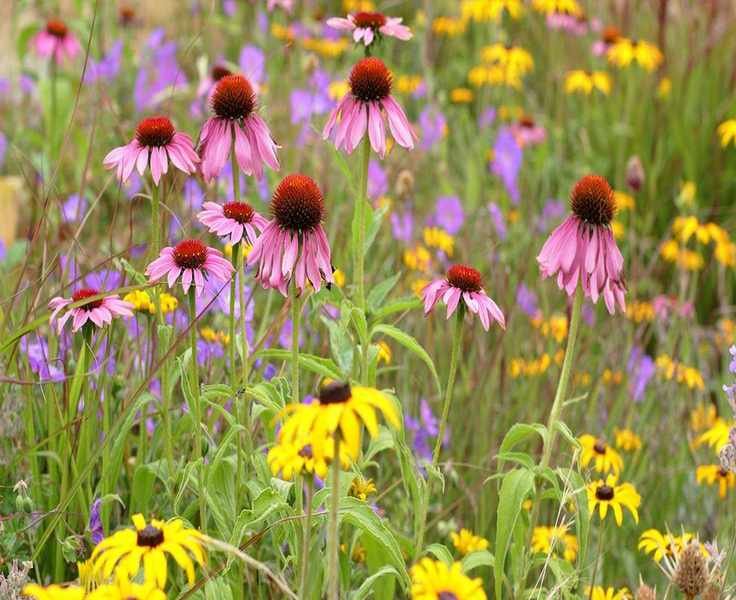
Your backyard can be more than just a patio and decorative plants; it holds the potential to enhance local wildlife. Transforming it with features that support the ecosystem is a rewarding endeavor.
Recently, there's been a movement toward adopting eco-friendly gardening techniques and wildlife-friendly additions. This trend often involves using native flora and exploring alternatives to traditional lawns.
If you're eager to incorporate this strategy into your outdoor space next season, now's the perfect time to start planning. A pollinator strip is an excellent first step — these plantings provide essential support for bees, butterflies, and other pollinators while being visually appealing and low-maintenance once established. I consulted landscape designers for their expert advice.
Understanding Pollinator Strips

Pollinator strips are designated areas filled with plants specifically chosen for their appeal to pollinators. Megan Bryant, a horticulturist and landscape designer, notes that these strips are frequently planted near farms and marginal spaces, originally gaining traction within agricultural circles to boost crop productivity.
In suburban settings, they often occupy narrow plots known colloquially as 'devil's strips' or 'hellstrips.' Megan describes these as compacted, nutrient-poor areas of grass between sidewalks and roads, typically facing foot traffic, road salts, and heat from asphalt.
Ecological gardening groups have redefined these spaces into vibrant pollinator strips to enhance local biodiversity.
Beyond their practical purposes, pollinator strips enchant gardeners with their ability to attract various pollinators and provide year-round floral interest and seed heads. Once established, they require minimal care. Megan emphasizes their aesthetic appeal and ecological significance, likening them to planting a wildflower meadow that enriches personal outdoor spaces.
According to Catherine Trudeau and Paul Blanding from a Chicago-based landscape architecture firm, these strips allow homeowners to contribute positively to their ecosystems. 'When designed thoughtfully, they create a cohesive look that integrates beautifully with the rest of the garden,' they explain.

Megan Bryant serves as the lead horticulturist and landscape designer, focusing on creating engaging ecological designs at a senior living community in Maryland. Her work merges artistic expression with environmental advocacy.

Catherine Trudeau has over 15 years of experience in landscape design, blending creativity with horticultural expertise. She is passionate about transforming outdoor areas to meet the needs of various stakeholders.

With a background in both residential and commercial landscape design, Paul Blanding has collaborated on diverse projects worldwide. His designs emphasize functionality while maintaining aesthetic appeal.
Choosing Plants for Your Pollinator Strip

Megan suggests starting with gallon- or plug-sized plants, interspersing annual and perennial seeds as your garden grows. The selections are inspired by native prairie plant varieties, including goldenrod (Solidago spp.), wild bergamot (Monarda fistulosa), and clustered mountain mint (Pycnanthemum muticum).
Paul and Catherine emphasize the importance of selecting plants that serve as food sources for local birds and insects. They also recommend choosing species that provide blooms in succession, ensuring flowers are available from spring through fall.
In the Midwest, favored options include echinacea, ajuga, rudbeckia, allium, coreopsis, asclepias, and anemone. Trees and shrubs like hawthorn, serviceberry, weigela, and lilacs are also excellent choices.
 5 Varieties
Milkweeds (asclepias) are fantastic for pollinators. This collection offers various types, such as pink swamp milkweed and orange butterfly milkweed.
 Non-GMO Heirloom Seeds
These well-rated seeds for dwarf lance-leaved coreopsis will bring a sunny-yellow perennial to your pollinator strip year after year.
 For Larger Spaces
This bulk bag of wildflower seeds for larger areas includes 18 varieties and covers up to 1,000 square feet.
Common Questions
Do Pollinator Strips Need Upkeep?
Pollinator strips are ideal for busy gardeners since they require minimal maintenance.
Megan points out that while they need watering initially, the plants thrive in dry, compacted soil and prefer to be left undisturbed. Their primary maintenance task is weed management, so it's wise to familiarize yourself with the local invasive species.
It's essential to leave seed heads intact during winter, as they provide food for birds and add visual interest to the garden.
Where Should I Place a Pollinator Strip in My Yard?
Megan explains that pollinator strips can vary greatly; they can occupy large expanses or be as small as the grassy area by your mailbox.
Consider where these unique gardens will be most beneficial. For those interested in birdwatching, she suggests positioning a strip near a sunroom window.
Most prairie plants thrive in sunny, well-draining soil, so ensure your location supports their needs. While a natural look is often preferred, think about how to harmonize it with your overall backyard design.
Paul and Catherine stress that a well-designed garden requires clear organization, especially with pollinator strips. They recommend a space framed with hardscape or structural elements like boxwood to create a neat appearance.
As you explore flower bed trends for 2026, don't overlook pollinator strips. They offer a fantastic way to support local wildlife. Other helpful methods include installing a bee watering station and being mindful of certain plant choices.
Even the color of your fence can influence pollinator attraction, so keep that in mind when planning your outdoor space.



