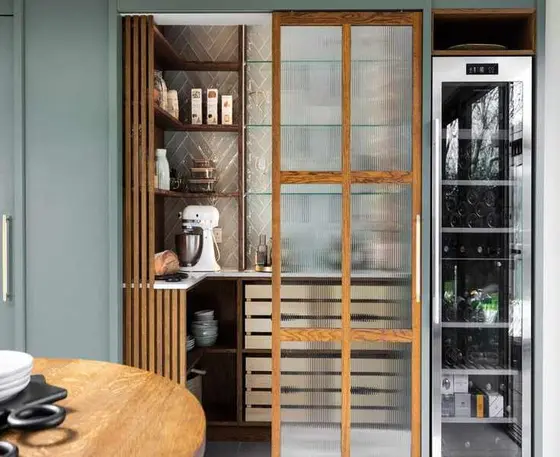
Nothing is more frustrating than a cluttered closet where you can't easily find or put back your clothes.
If you struggle with organizing a closet overflowing with clothes and are hesitant to part with any, you’re certainly not alone. Professional organizers encounter this dilemma more often than you might imagine.
Here are six effective methods to enhance your closet space without investing in a brand new storage solution.
Maximizing Your Closet Space
While many professionals advocate for decluttering before organizing your wardrobe, you don’t have to get rid of everything to improve your limited storage. Lauren Saltman, a professional organizer and the founder of Living Simplified, suggests an editing technique to identify which items you frequently wear and which ones you can let go:
“Reverse all your hangers on the hanging rod. After wearing an item, wash it and return it with the hanger facing the right way. After about four weeks, you’ll easily see which clothes have gone unworn,” she advises. “These are the pieces you should consider donating, giving away, or selling online.”
Once you complete this process, you can focus on creating more space for the items you truly want to keep.

For professional organizer Lauren Saltman of Living Simplified, organizing is part of her everyday life, whether she’s working on a client’s home, a friend’s office, or a garage. Her resourceful approach keeps clients satisfied, helping them develop techniques for a simpler, happier lifestyle.
1. Utilize Your Closet Door for Extra Storage

A practical closet storage idea is to extend your storage onto the door, providing extra space for awkwardly shaped items like shoes and accessories. Ashley Murphy, a professional organizer and co-founder of NEAT Method, recommends using an over-the-door rack for this purpose. Opt for a modular solution, like this over-door unit from The Container Store to maximize your new storage space.
“You can also stack modular shoe shelves on the floor and hang hooks for hats on the wall,” she adds.

Ashley Murphy is one of the organization enthusiasts behind NEAT Method. Founded in 2010, NEAT Method was born from a desire to bring a fresh perspective to the industry. Murphy leads the team as they expand across the US and Canada.
2. Add More Shelves
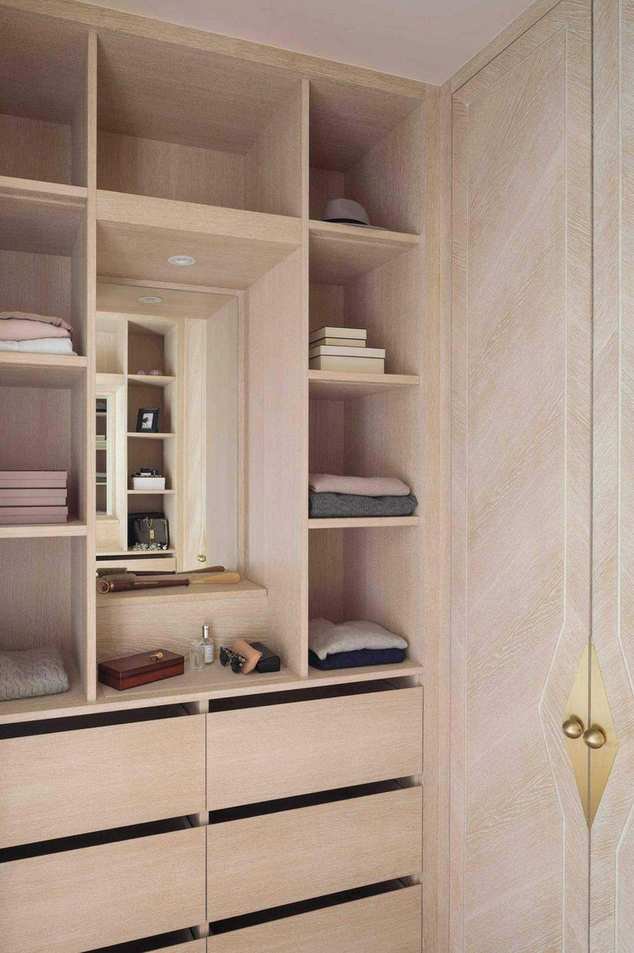
Bedroom shelving is a lifesaver when it comes to increasing closet storage, according to Brenda Scott, a professional organizer and the owner of Tidy My Space. She frequently recommends installing additional shelves to fully utilize closet height:
“Most closets come with just one shelf and a clothes rod, wasting a lot of potential space,” she explains. “For example, if you have many sweaters that need stacking, adding another full-length shelf above the original with dividers or bins is the way to go.”
High shelves are also great for storing items you only use occasionally, as well as seasonal items and luggage. Make sure to keep a small step stool in your closet so you can easily access these higher shelves when needed.

Brenda Scott is passionate about home organization, decluttering, and creating a safe living environment. Through Tidy My Space, she helps individuals maintain tidy homes, even during hectic times. Brenda provides practical tips and assistance with sorting and editing her clients' spaces, helping them feel less stressed while enjoying more time with loved ones.
3. Install a Lower Hanging Rail
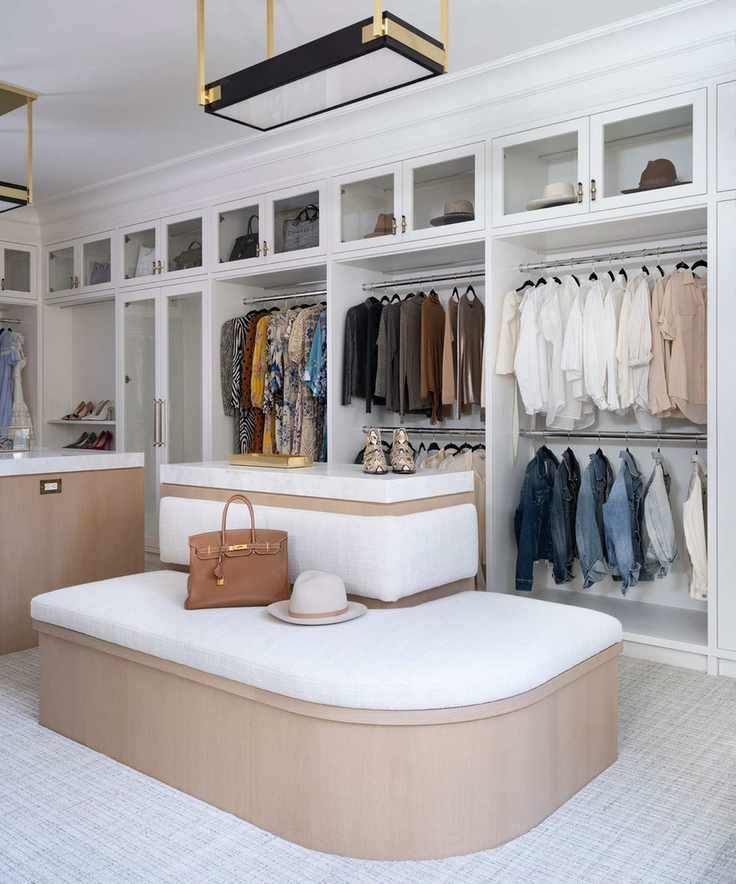
If you have a lot of clothes or are trying to organize without seasonal storage, adding a second, lower rail can be an excellent solution, according to organizer Lauren Saltman. “Consider doubling your hanging space by installing a second rod in your closet. This may require folding pants and getting creative with longer dresses, but the added hanging space will be invaluable,” she suggests.
Brenda Scott reminds us that whether this option works depends on how many items require full-length hanging. She recommends choosing a rod that clips onto your existing rod but is shorter, allowing for some longer hanging space on one side of the closet for dresses and dress pants.

Hanging Closet Rail | View at Amazon
These hanging rails simply clip onto your existing rod for extra storage without any DIY effort. They are also adjustable to fit any closet, leaving space for long-hanging items.
4. Opt for Slimline Hangers
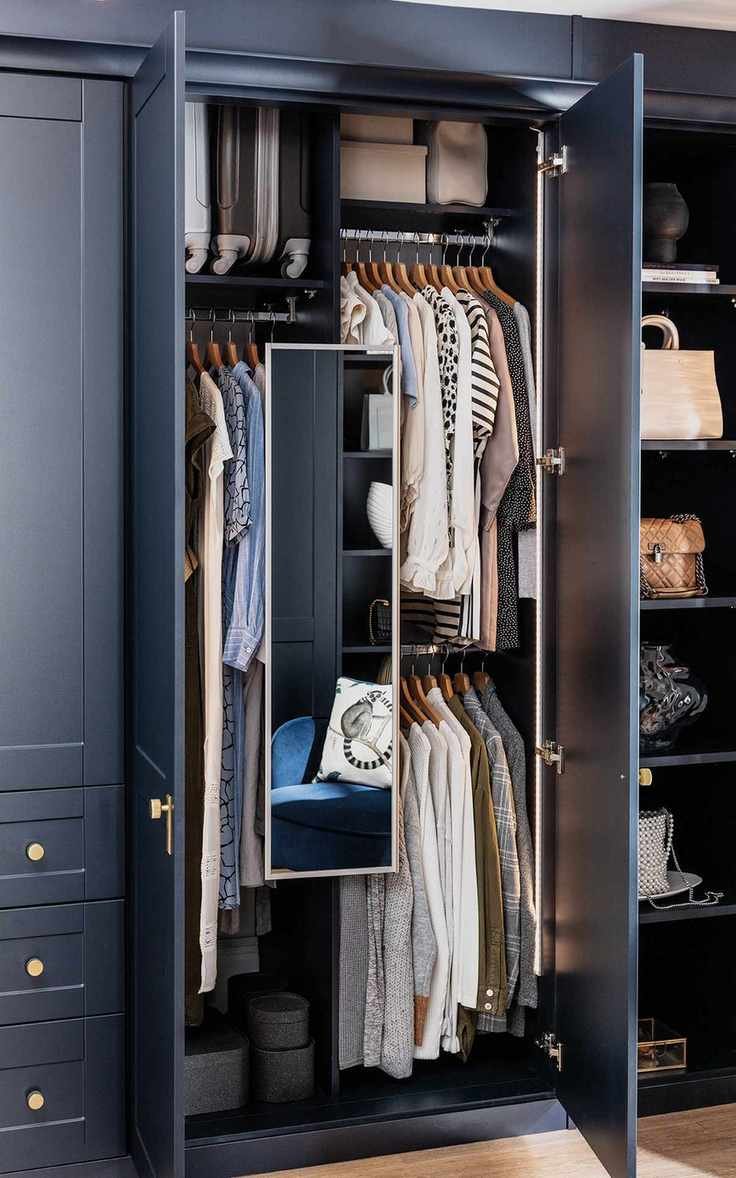
Slimline hangers are undoubtedly the top pick among closet organizers. Professional organizer Darla DeMorrow always opts for slimline hangers, like these velvet hangers from Amazon: “Replace bulky plastic or awkward wire hangers with slim hangers, flocked or not. They provide a uniform look and can save as much as half the space compared to tubular hangers,” she explains.
If you’re really in need of space, consider hanging multiple items per hanger as well, suggests Jackie Pittman, a professional organizer and founder of Chez Nous Organizing. Just be cautious not to overload them or hide clothing you might forget to wear. “There are various options available for hangers that hold several clothing items or accessories,” she adds.

Darla DeMorrow is a certified professional organizer, productivity expert, home stager, and author. Her company, HeartWork Organizing, located in Wayne, PA, offers seminars, training, and hands-on assistance for residential and business clients.

Jackie Pittman is the owner of Chez Nous Organizing, having launched her business after multiple cross-country moves and learning to streamline belongings while organizing essential items.
5. Rotate Seasonal Clothing

“Storing seasonal clothing is essential for maintaining a functional closet year-round without sacrificing any of your favorite pieces,” Ashley Murphy advises.
“Keep out-of-season items in a bin tucked away to free up room for what you actually wear. When the seasons change, swap everything out,” she suggests.
If closet shelving is tight, consider moving these items to under-bed storage in vacuum-sealed bags to keep them in pristine condition.
6. Incorporate a Dresser into Your Closet
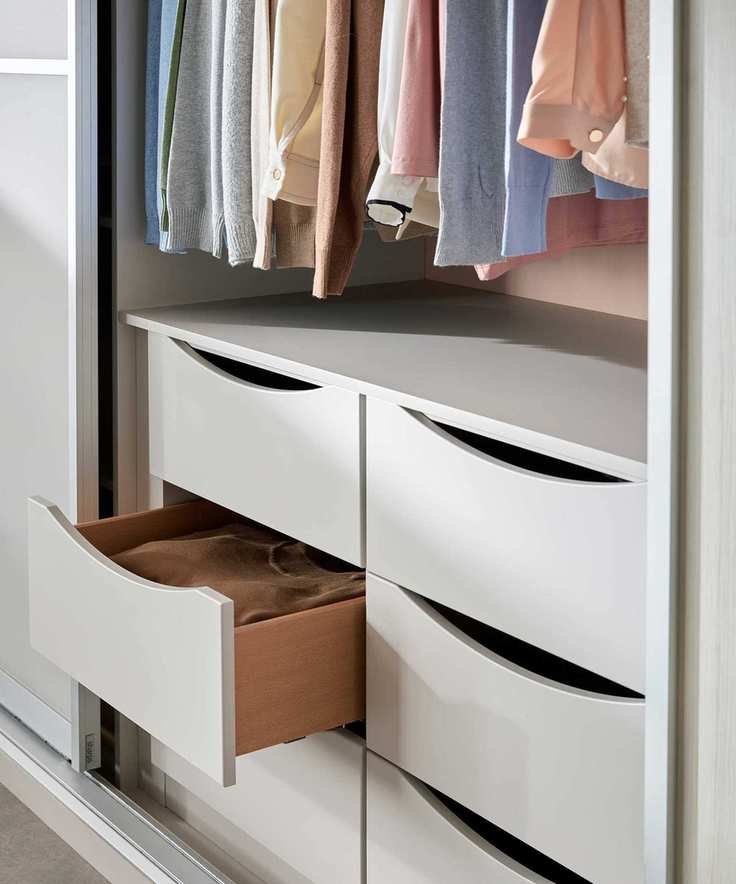
If adding another rail isn’t feasible but you notice unused space at the bottom of your closet, professional organizer Lauren Saltman suggests including a dresser. This addition is perfect for stowing away items that don’t need to be hung, while also providing a small amount of shelf space on top:
“If you don’t have a dresser in your bedroom, consider placing a small one in your closet. Having drawer space for your delicates and workout clothes will significantly help with organization,” she states.
Frequently Asked Questions
Why do I have a closet full of clothes but nothing to wear?
If you find yourself with plenty of clothes but struggle to find something appealing to wear, it’s likely due to disorganization in your closet, causing you to lose track of your options. This is a great opportunity to declutter your wardrobe — remove everything so you can see what you have, and eliminate pieces that no longer fit, that you don’t like, or that are damaged. Afterward, you can categorize your remaining items into sections like pants, skirts, and tops to make outfit selection easier.
Is it okay to have too many clothes?
Having an extensive clothing collection is perfectly acceptable as long as you regularly wear the items and rotate through them, instead of holding onto pieces that no longer bring you joy or fit properly. It's advisable to periodically declutter your wardrobe to remove items that don’t make you happy — even if it’s just one or two pieces each time, keeping your closet manageable.
It’s essential to recognize that there’s only so much you can do to fit a lot into a small closet. Brenda Scott, a professional organizer, reassures us that it’s alright to utilize bedroom space for clothing storage as long as it remains organized:
“If you’ve tried everything and still have overflowing clothes, and you have the floor space, consider investing in a free-standing rolling clothes rack,” she recommends. “They come in various sizes and often include shelves for accessories, allowing you to expand your closet space without major renovations.”