
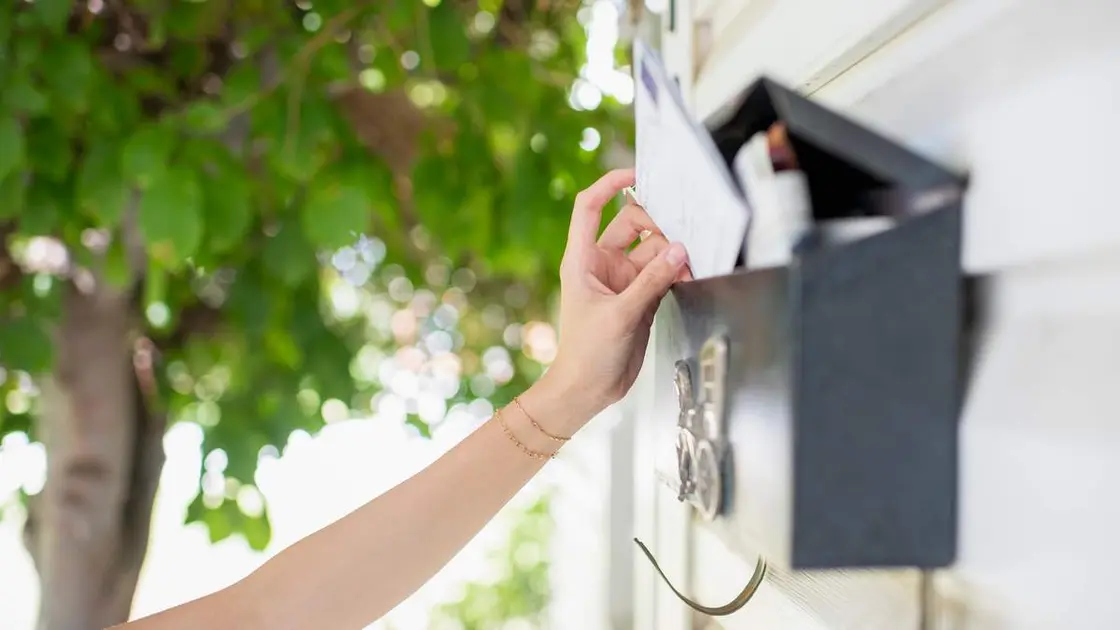
Home security often brings to mind robust locks, cameras, and alarms. Yet, subtle oversights—like how you discard your mail or manage old credit cards—can jeopardize your safety.
Experts highlight that many identity theft cases initiate at home, impacting countless individuals annually with significant financial repercussions.
Here, we outline six common missteps you might be making that elevate your risk of identity theft and offer effective security solutions.
Home Security Oversights Contributing to Identity Theft
Small adjustments, such as enhancing privacy measures, can greatly bolster your home security with minimal effort.
1. Discarding Mail Without Shredding

Managing your mail extends beyond simply bringing it inside. The method of disposal—especially for sensitive documents like bills and medical records—can significantly impact your security. This is why mail is among the items best avoided in entryways.
Cybersecurity specialist Seth Geftic cautions that thieves can easily gather personal data from discarded items, including old bills and credit offers. Shredding this information is crucial to thwart potential identity theft.
“Using a shredder or tearing sensitive documents can be very effective. To ensure maximum security, consider disposing of the pieces in separate bins,” he advises.
All prices correct at time of publication.
 Seven sizes
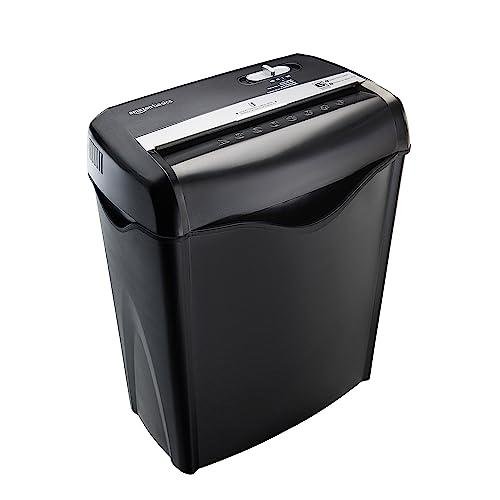
Amazon Basics 6 Sheet Cross Cut Shredder
This standing shredder can handle both paper and credit cards, making it a valuable addition to your home security toolkit, enabling you to shred mail effortlessly.
 Bestseller
Excelmark Identity Theft Roller Stamp
If space is tight for a shredder, this handheld stamp fits nicely in your entryway drawers to quickly obscure personal information before disposing of sensitive mail.
 Amazon's Choice
Magideal Shredder Scissors
For a straightforward, low-tech solution, shredder scissors are a practical choice. Simply chop your papers as you recycle them for immediate security enhancement.
2. Failing to Secure Your Home WiFi

When setting up new WiFi, many focus on the placement of the router but overlook password security. Security expert Joe Warnimont emphasizes prioritizing password strength to safeguard your network.
“Often, people neglect to change default settings on their routers, making it easy for hackers to access their networks. Default names can reveal model details, while personal information in network names can be used to guess passwords,” he explains.
It’s essential to alter the default network name to something unrelated to your location or personal data.
3. Leaving Personal Information Unprotected

Investing in a quality safe for your home is crucial for keeping personal documents secure, especially when securing your home without a security system.
Paige Schaffer, CEO of an identity protection platform, recommends locking up important items like passports, credit cards, and financial records in a fireproof, waterproof safe. “Encrypting or password-protecting sensitive data on your computer is also vital,” she adds.
SentrySafe Fireproof and Waterproof Safe Box
This compact safe can withstand temperatures up to 1550° Fahrenheit for 30 minutes and is waterproof, protecting your critical documents from theft and disasters.
Geftic also warns against storing passwords carelessly. “Writing them down or saving them unprotected on computers invites risk,” he notes. “Using a password manager can keep your credentials safe from prying eyes. There are many free options available, like 1Password or Last Pass.”
4. Not Forwarding Mail When Away
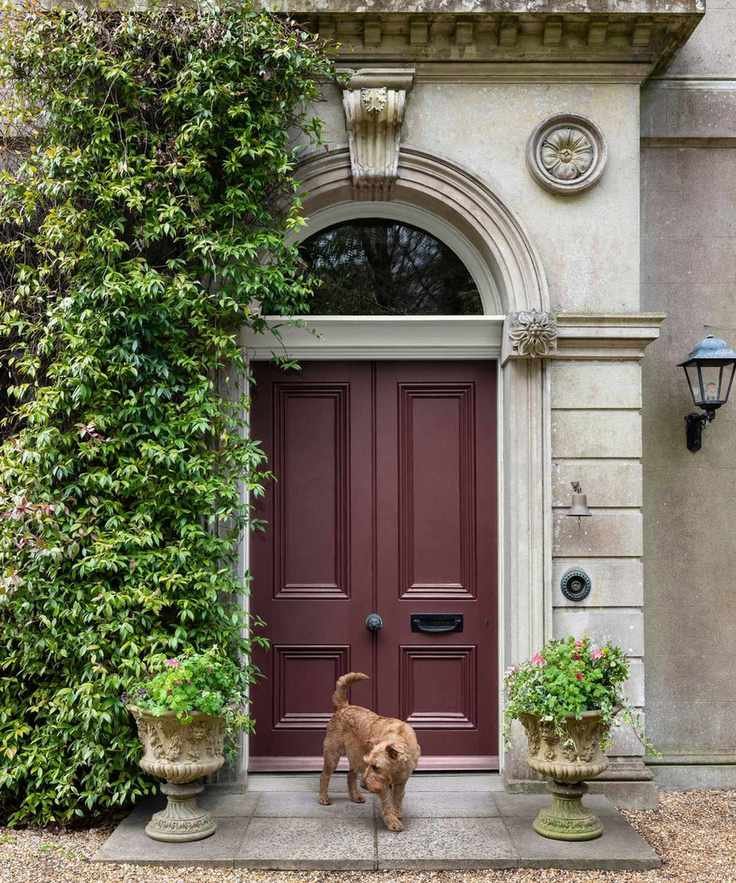
When preparing for a vacation or relocating, forwarding your mail should be a top priority, advises Schaffer.
“If you're away for a long time or your home is under renovation, ensure your mail is forwarded or have a friend collect it. Regular visits to your property are also essential to deter squatters and monitor for suspicious activity,” she suggests.
Managing your mail from afar prevents a pile-up that signals your home is unoccupied, making it a target. Additionally, it stops porch pirates from stealing your mail.
5. Neglecting Home Security System Updates
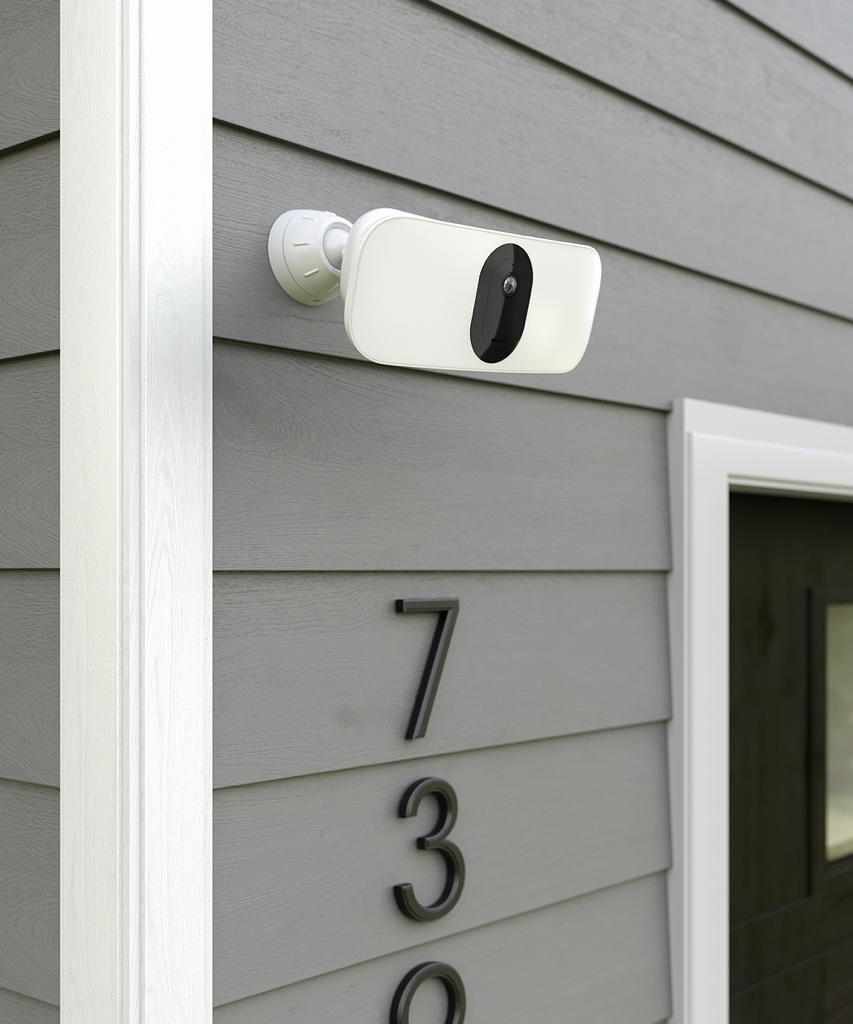
Having a top-tier home security system is only part of the equation; keeping it updated is equally important.
Jeff Ketelaars from Security Guards Only stresses the need for strong passwords and regular software updates to protect your cameras from hackers who might exploit vulnerabilities to observe your daily routines.
Combining a solid security system, like the Ring 14-piece Security Kit from Amazon, with effective garden security lighting will further enhance your home security.
6. Sharing Information with Door-to-Door Salespeople

While many door-to-door salespeople are genuine, some may attempt to exploit unsuspecting homeowners.
Erik G Schneider, an investigative expert, warns that canvassers might ask seemingly harmless questions—like confirming your name or inquiring about household members—that can be used to piece together sensitive information. They may even probe about your schedule, which poses a safety risk.
Implementing these identity theft prevention strategies alongside your standard home security measures creates a comprehensive approach to safeguarding your home and protecting your personal data.



