The world of interior design often mirrors the trends seen in fashion. Just as fashion weeks unveil the latest styles, the interior design landscape constantly evolves with new colors, collections, and trends.
From swapping traditional decor for modern aesthetics to embracing bold colors over neutrals, some changes transcend fleeting trends, paving the way for lasting design transformations.
Significant shifts are taking place in interior design, and these changes are set to influence how we decorate our homes for years to come.
We consulted a range of interior designers and experts to highlight outdated design rules that are now being challenged. Here's how these changes are reshaping the design landscape...
1. Rooms Should Be Bright and Airy
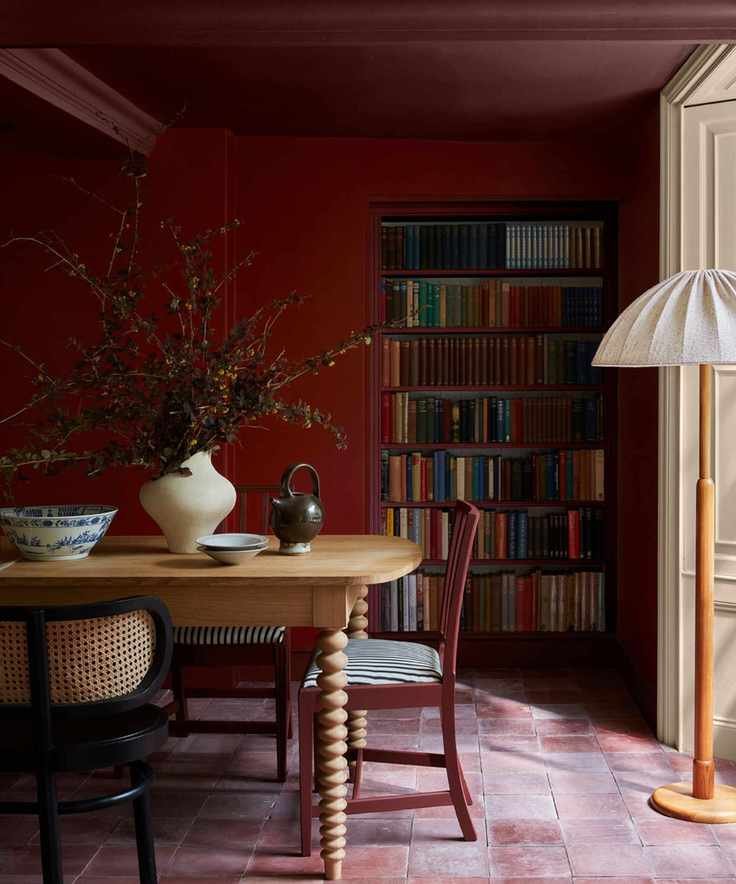
For years, the common advice has been to keep spaces bright and airy, creating an open atmosphere. While this works for many areas, some rooms benefit from a bolder approach.
"The typical guideline suggests avoiding dark colors in small spaces, but I encourage homeowners to break this habit," says Emily Kantz, a color marketing manager.
Jena Quinn, co-founder of Studio QD, adds, "It's a misconception that dark colors make small areas feel cramped. Embracing rich, deep hues can turn a modest space into a welcoming and luxurious retreat."
Jena elaborates, "Dark accents can bring depth and sophistication, transforming perceived limitations into opportunities for warmth and elegance. Instead of resisting darker shades, embrace them to enhance your room's appeal."
Emily further notes, "Using bold colors in smaller areas can create a striking and beautiful environment when done thoughtfully. Guest bathrooms, for instance, are ideal for experimenting with darker tones, allowing visitors to experience a touch of drama without impacting the entire home."
2. Furniture Must Coordinate Perfectly
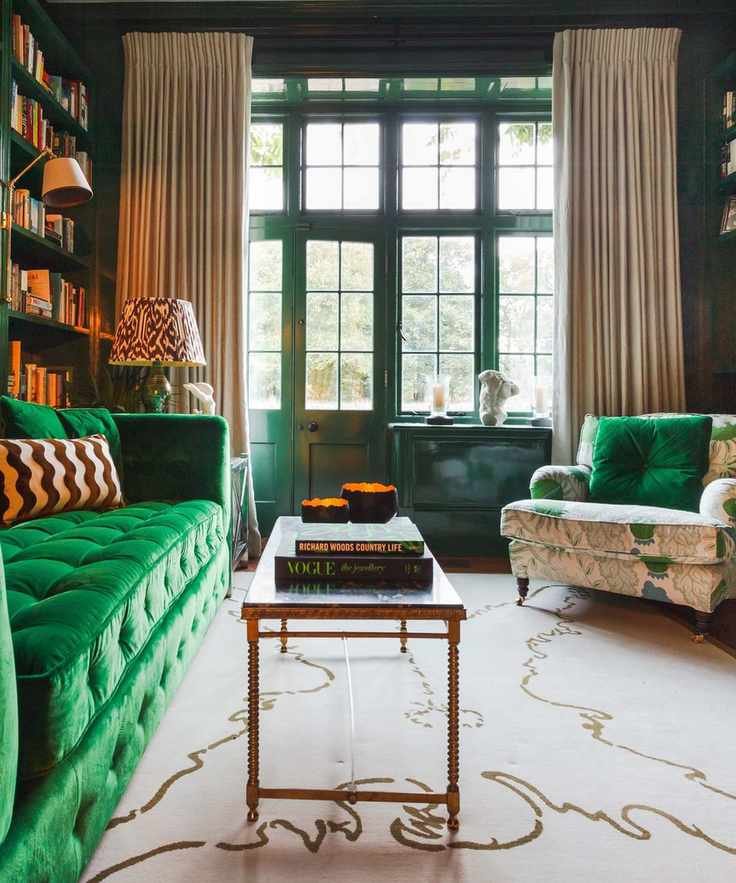
The traditional belief that matching furniture sets create the most sophisticated look is outdated. Today, a mix of pieces can add character and variety to any space.
Victoria Fletcher, a senior buyer, states, "The idea that only matching pieces create harmony is a myth; diversity brings character to a room."
Caroline Milns, head of interior design, points out that clients often hesitate to mix furniture styles, opting for matching sofas and chairs to play it safe. "However, a room becomes more dynamic when each item is appreciated as a unique element," she explains.
Caroline continues, "This doesn't mean every piece should clash. You can create a cohesive look by varying materials and styles, blending contemporary finds with vintage treasures to achieve aesthetic appeal."
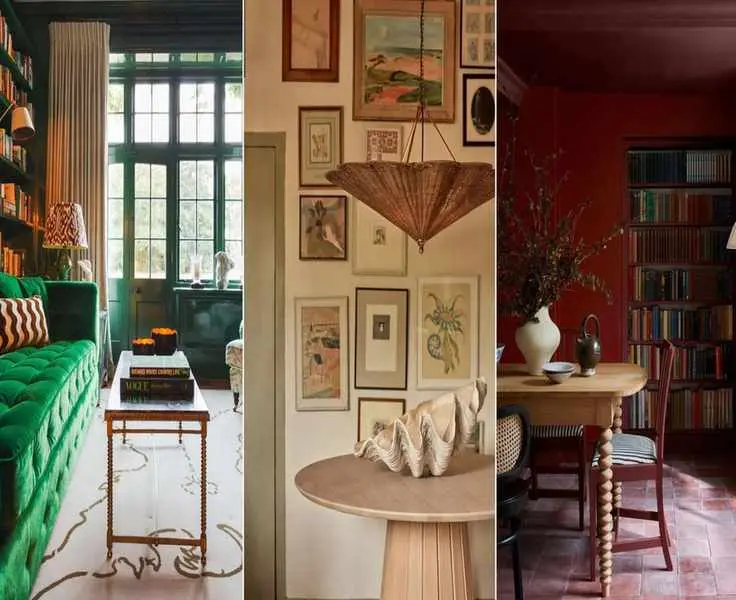
In this living room, the green button-tufted sofa pairs beautifully with a patterned cream armchair, creating focal points that complement one another.
3. Stick to One Design Style
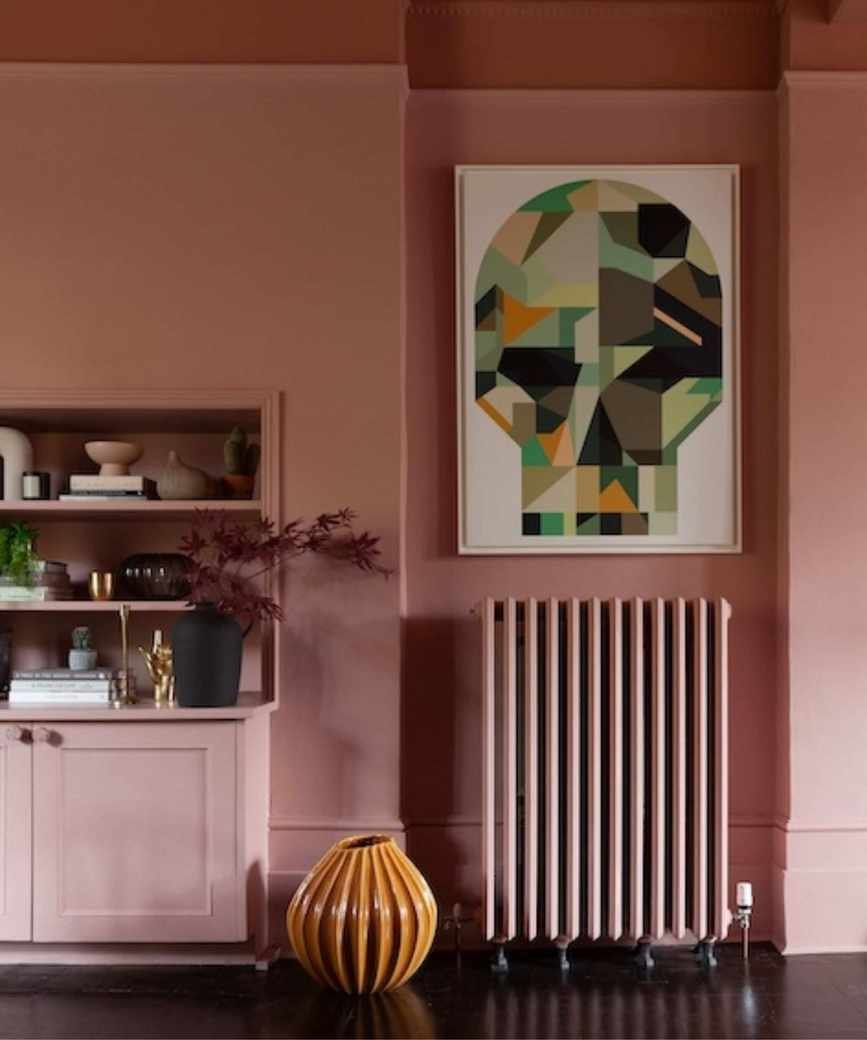
The notion of adhering strictly to a single style, such as 'Scandinavian' or 'mid-century modern,' has been prevalent in design. However, this rigid approach is increasingly outdated as modern styling encourages fluidity and creativity.
Jo Plant, head of design, advises, "Don't shy away from combining old and new styles. Mixing vintage items with contemporary elements can enhance depth and interest in a room."
For example, a Victorian cast-iron radiator can coexist beautifully with a modern geometric artwork, creating an eclectic and lively atmosphere.
4. Maintain Consistent Scale
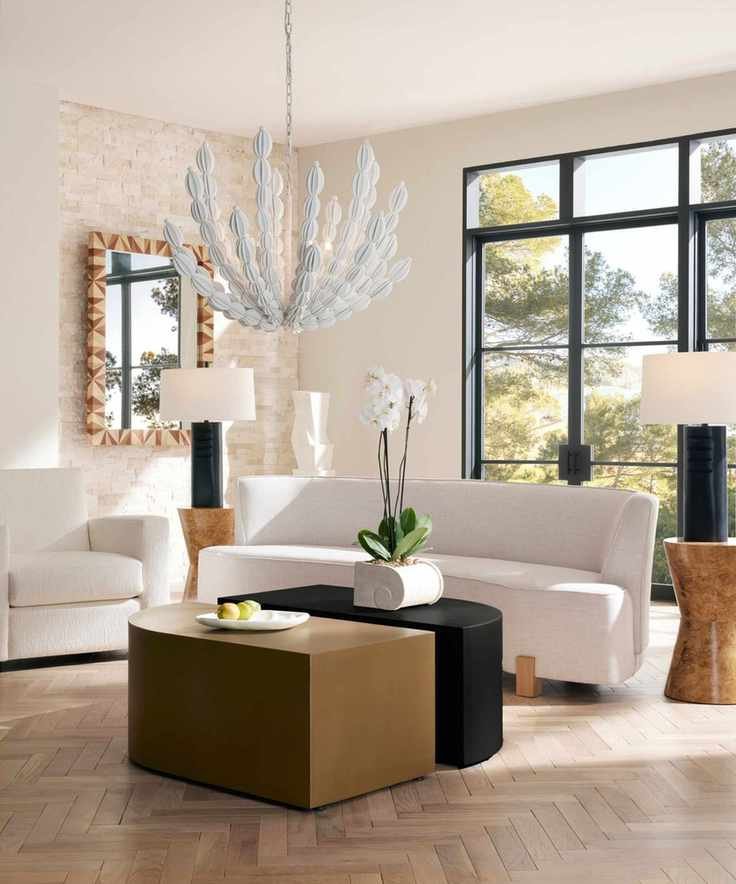
Traditionally, designers have emphasized the importance of maintaining consistent scales within a room. However, playing with scale can create focal points and enhance the overall aesthetic.
Jo notes, "While it's often advised to keep scale uniform, experimenting can elevate a space. Large elements can actually make small areas feel more expansive, and oversized lighting can define open-plan spaces."
The large pendant light and statement table lamps in this setting bring clarity and sophistication to the room.
Caroline mentions that when using neutral tones, varying the scale of items can add personality, as seen in the monochrome design where large lamps on smaller tables create a striking visual effect.
5. Hang Artwork at Eye Level
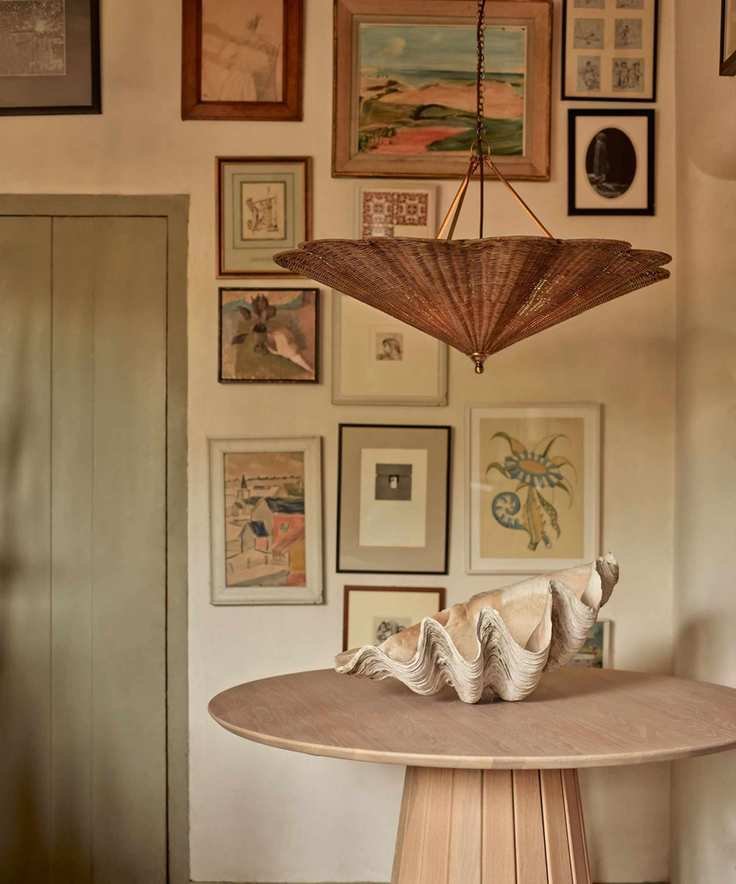
The conventional wisdom dictates that artwork should be displayed at eye level. However, breaking this rule can infuse a space with creativity and personality.
Lauren Gilbert-Thorpe, a creative director, suggests, "Hanging art at varying heights can create a dynamic gallery wall. Leaning larger pieces against walls or displaying them on shelves adds a relaxed yet curated vibe to your space."
Consider the usual vantage point for viewing your art. If you spend time at a dining table, lowering the height of your gallery wall can allow guests to appreciate your favorite pieces up close. Alternatively, utilize high ceilings by displaying art all the way up, making the most of vertical space.
This approach fosters a unique and personal atmosphere in your home.
6. Avoid Wallpaper in the Kitchen
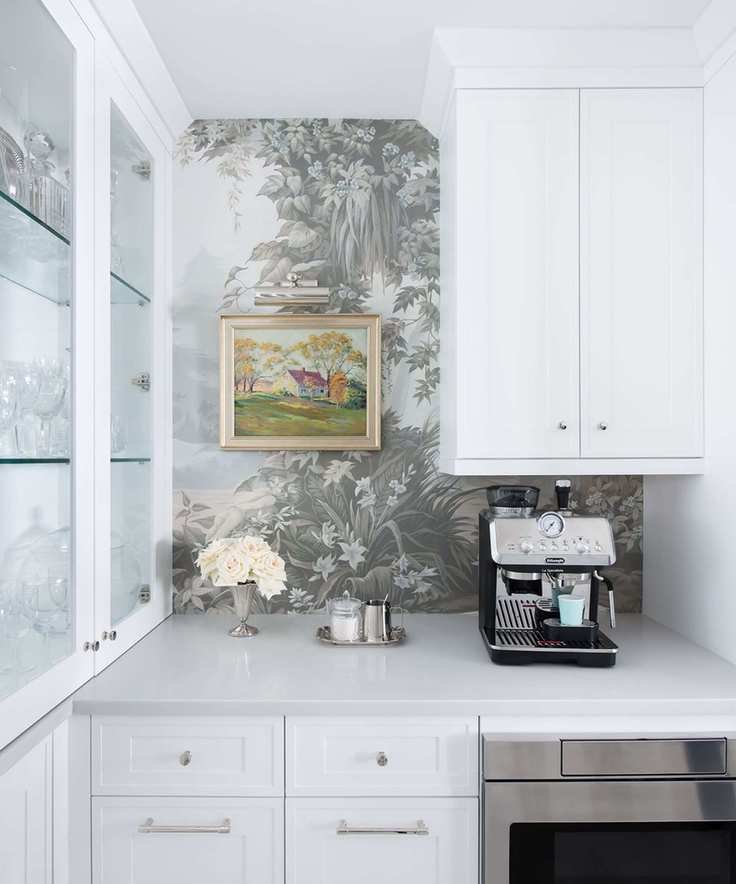
Wallpaper has often been seen as unsuitable for kitchens due to concerns about stains and damage. Fortunately, modern advancements in wallpaper technology are changing this perspective.
Shani Core, an interior designer, states, "Wallpaper is making a comeback, and one of my favorite rules to break is the ban on wallpaper in kitchens. New materials make it easy to clean, allowing for creative use in spaces where it was previously deemed impractical."
In the kitchen featured above, the wallpaper creates a cozy environment, transforming it from a mere cooking space into a welcoming area for relaxation. If you have wallpaper not designed for kitchen use, simply apply a protective sealant to safeguard your design.
In the realm of interior design, rules exist to be challenged. Some of the most stunning spaces emerge when we disregard conventional wisdom. Embrace what works for you and your home, even if it means stepping outside the comfort zone of tradition.