

During winter, you might not feel inclined to keep your windows open constantly, but there are times when fresh air is welcome. Whether it's to improve sleep, reduce condensation, or simply enjoy the cool breeze, keeping windows open occasionally is often necessary.
However, if you own a dehumidifier, you may wonder if it functions effectively with windows ajar.
To clarify common misconceptions, we consulted HVAC professionals who unanimously agree that leaving your windows open while using a dehumidifier is not advisable. Instead, here's how to maximize the efficiency of your unit.
Does a dehumidifier work effectively with windows open?
After speaking with various HVAC specialists, it's clear that even the top-rated dehumidifiers do not operate well when windows are open.
John Gabrielli, an HVAC expert and owner of Air Temp Solutions, explains, "You can technically use a dehumidifier with the window open, but it's not the most efficient method. These devices are designed to remove moisture from air in a sealed environment.
When a window is open, outside air enters, which typically has a different humidity level. This causes the dehumidifier to work harder, attempting to manage moisture from both inside and outdoors. This inefficiency not only reduces performance but can also lead to increased energy costs.
All prices are accurate at the time of publication.
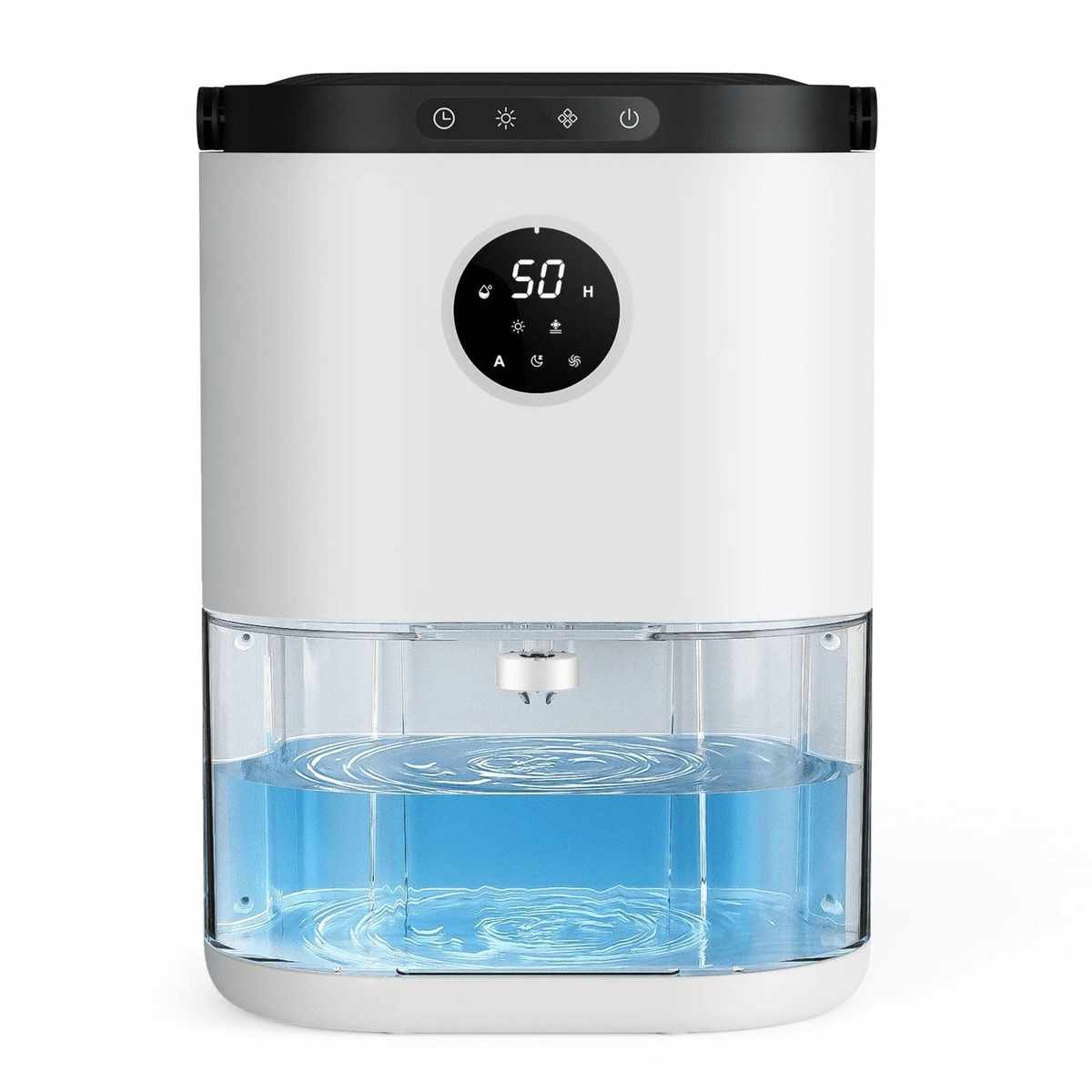 Energy efficient
This 500 ml capacity dehumidifier is ideal for larger or more humid areas, such as living rooms or bathrooms.
 Ultra quiet
This compact and lightweight portable dehumidifier extracts 450 ml of moisture daily in humid conditions and features an auto shut-off function for safety.
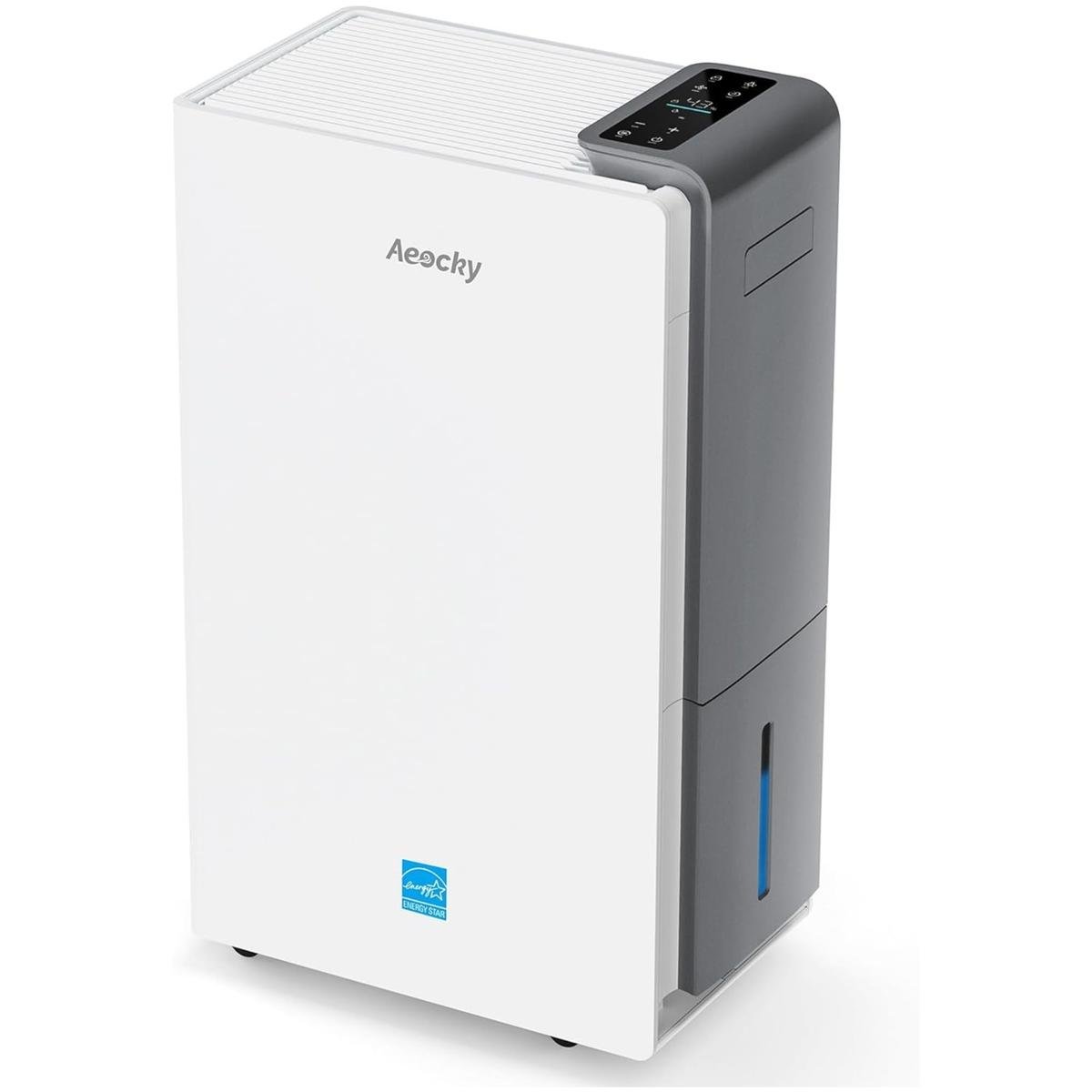 Most Efficient Energy Star 2024 Dehumidifier
This intelligent dehumidifier employs advanced technology to maintain humidity at ideal levels, offering three drainage options and a whisper-quiet compressor with rapid monitoring.
How to Use a Dehumidifier Effectively in Winter
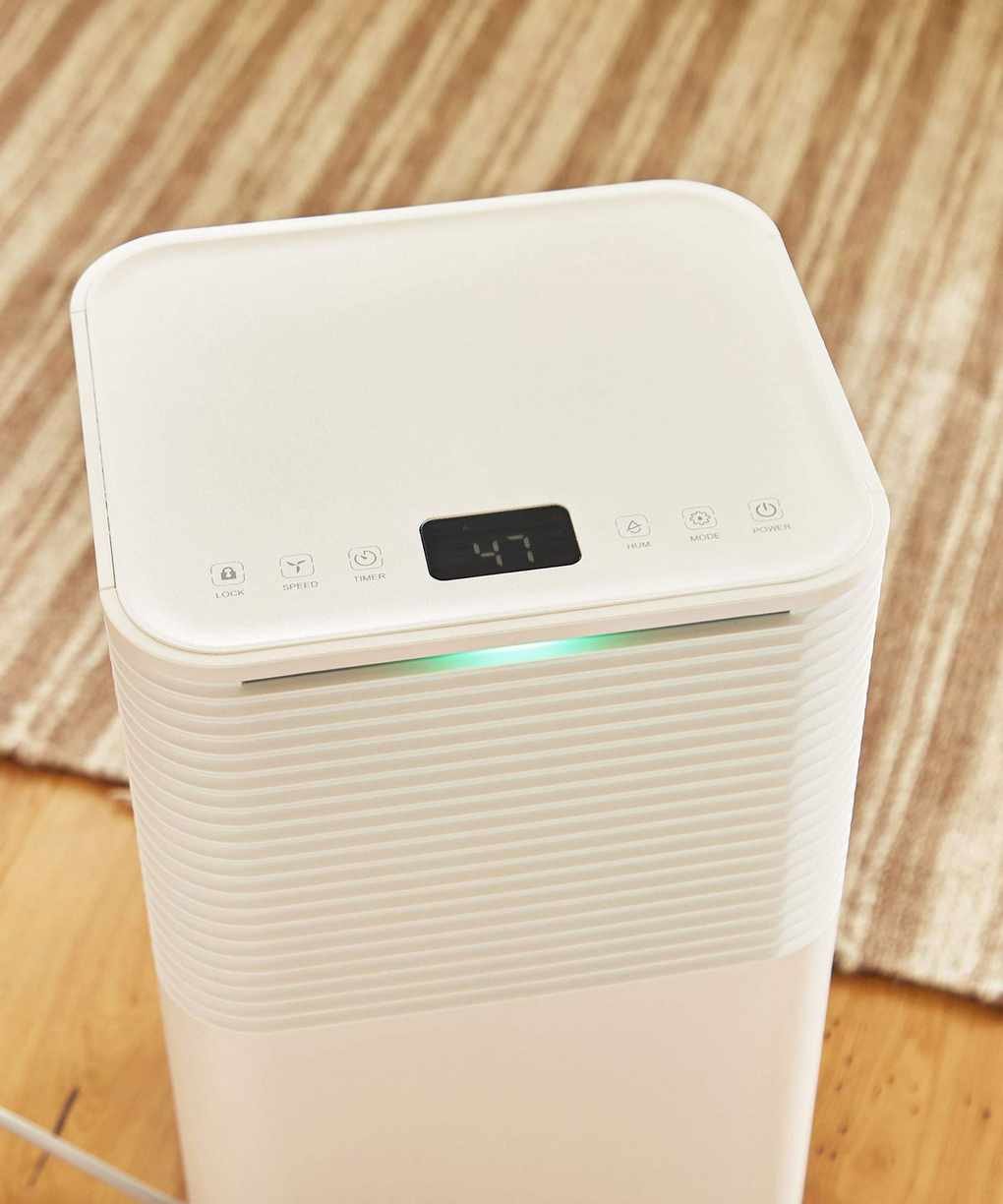
While opening windows in winter can help reduce condensation, it's best to limit this practice to necessary occasions—like airing out cooking smells or ensuring a good night's sleep—while turning off your dehumidifier.
Max Veggeberg, CEO and founder of Tetra, notes, "A dehumidifier is designed for enclosed spaces. Keeping a window open continuously allows humid air from outside to enter the space. If you want your dehumidifier to work effectively, keep all windows and doors closed in the area you're dehumidifying."
That said, HVAC expert Simon Bernath, founder of FurnacePrices.ca, points out that briefly opening windows for fresh air can be manageable. "Homeowners should consider investing in a humidity sensor to track relative humidity levels for a clearer understanding," he advises.
You might also want to use a fan instead of opening a window, suggests Steve Pacholski, brand president of Varsity Zone HVAC. "This will circulate air without altering the indoor humidity levels," he says.
 High accuracy
These best-selling hygrometers include a humidity level icon, allowing for quick checks of air conditions in your home.
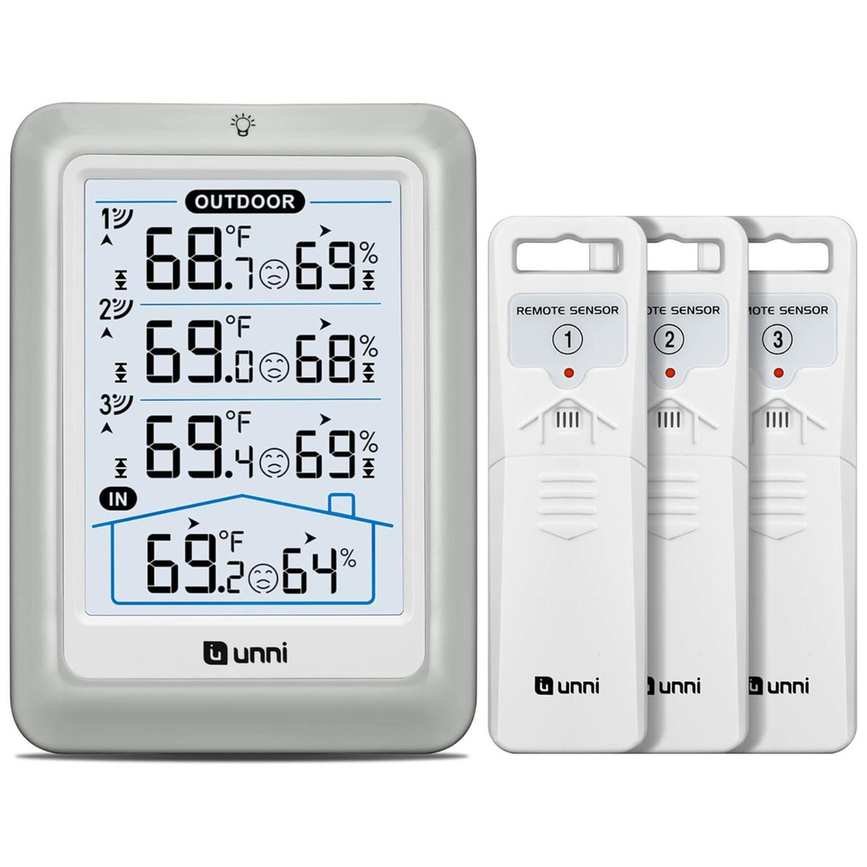 Wireless technology
This hygrometer works indoors and outdoors, providing real-time updates on temperature and humidity, complete with a comfort indicator and battery backup.
 Recommended
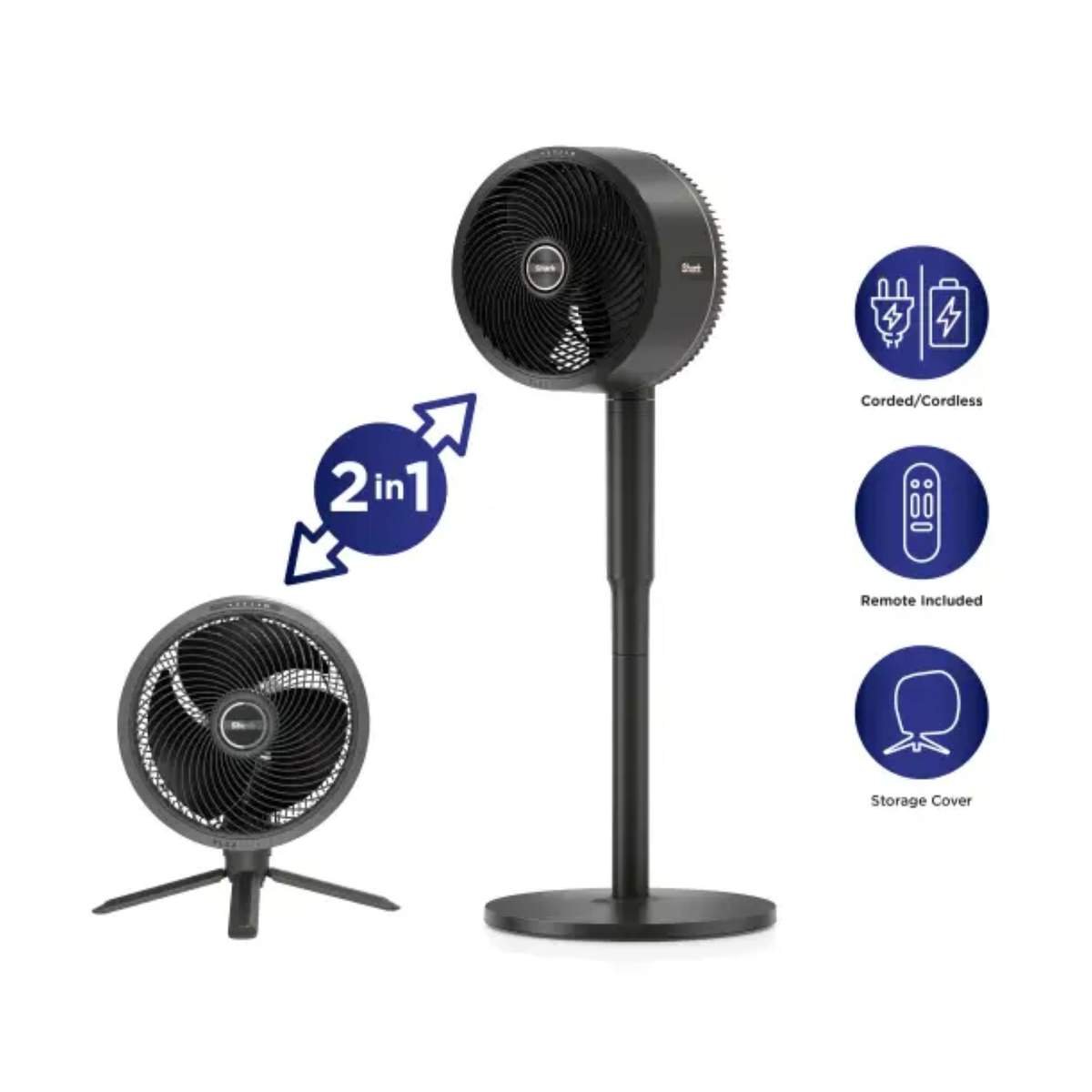
This fan, rated highly by our testing team, transforms from a pedestal to a table-top model in seconds, offering up to 24 hours of cordless use.
FAQs
Can a dehumidifier eliminate window condensation?
Absolutely! A dehumidifier effectively removes condensation from windows, making it one of the best solutions to prevent window moisture overnight, especially when you know the ideal placement for a dehumidifier. Position it near windows in rooms prone to humidity for optimal results.
When is it not advisable to use a dehumidifier?
A dehumidifier should not be used when windows are open, and you should avoid using it when temperatures drop below 60° Fahrenheit, as this may cause moisture to freeze on the coils. While a dehumidifier doesn't lower room temperatures, cooler conditions can damage the unit irreparably.
If you have a dehumidifier at home, discover how to reuse the water it collects in an eco-friendly manner rather than just pouring it down the drain.



