

City life is lively and exciting, but it comes with a downside: air pollution. Urban areas are densely populated, resulting in a constant influx of pollutants from vehicles, homes, and businesses.
Enhancing indoor air quality involves straightforward actions, but living in a city presents unique challenges. Adopting these habits can lead to significant health improvements, such as easier breathing and reduced allergy symptoms.
As someone dealing with asthma and allergies in a bustling city, I've learned firsthand how air quality impacts health. Through testing various air purifiers, I've come to appreciate their importance and how daily activities influence the air quality at home.
Improving Indoor Air Quality in Urban Living
I consulted several air quality specialists to compile this vital list for achieving cleaner, healthier air in urban settings.
1. Assess Your Air Quality
Understanding your air quality is the first step before implementing other measures.
Utilizing an air quality monitor can help you assess the air inside your home, available at Amazon and Home Depot. For outdoor air, apps like the official EPA AIRNow app provide current and forecasted air quality data for your area.
By tracking air quality both indoors and out, you can determine when to close windows, activate the air purifier, or take other necessary actions.
2. Invest in a Quality Air Purifier
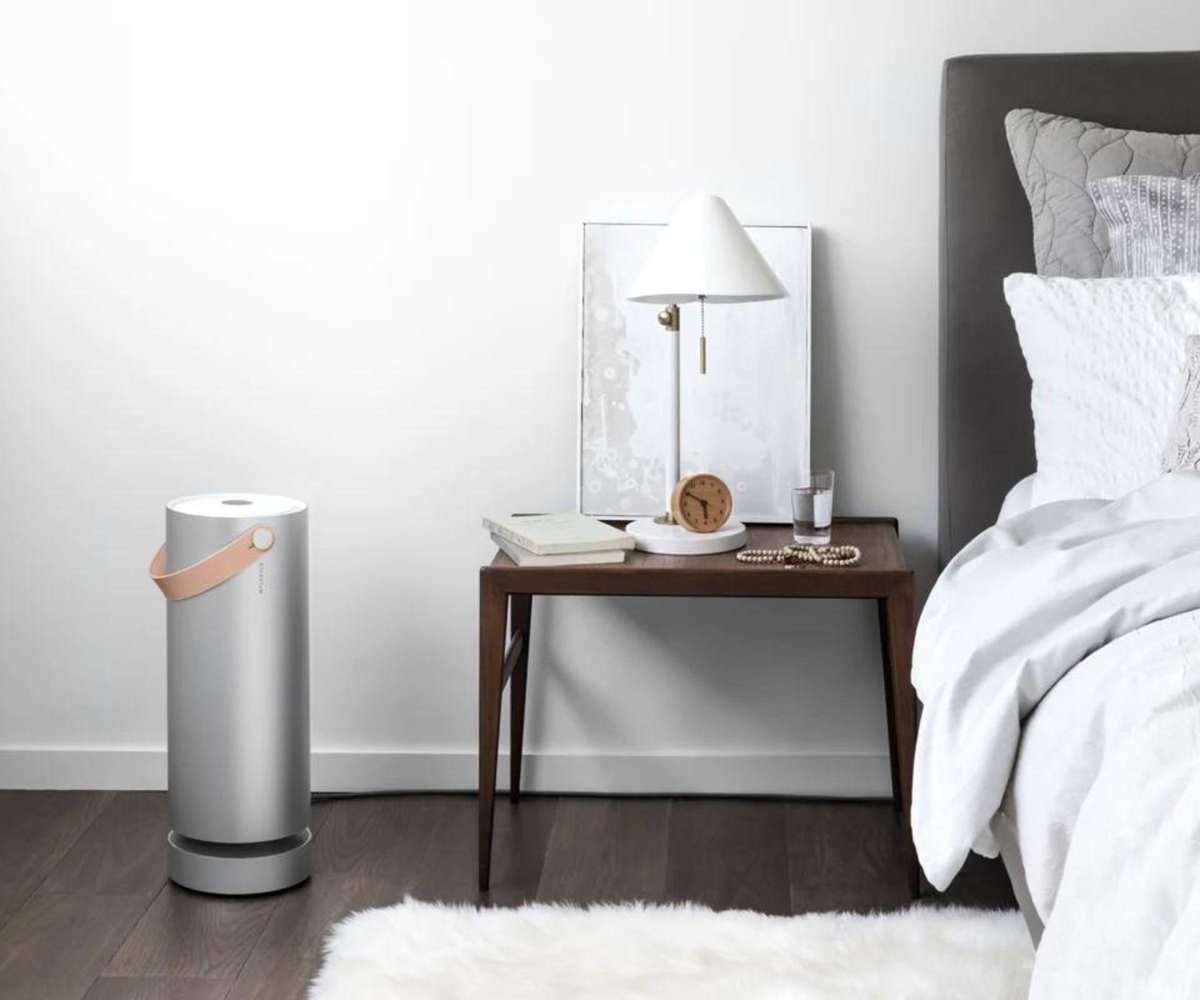
An air purifier is one of the most effective solutions for enhancing indoor air quality. City life exposes us to various contaminants, including pollen, vehicle emissions, and smoke.
Air purifiers effectively eliminate these harmful particles, releasing cleaner air back into your space. 'Air purifiers are crucial for filtering out pollutants, allergens, and toxins,' states Aaron Traub, an air quality expert.
Top-notch purifiers combine mechanical filters (like HEPA filters) with carbon filters, essential for filtering both particles and harmful gases in urban environments. You can learn more about selecting the right air purifier for your lifestyle.
Molekule's purifiers take it a step further, utilizing PECO technology to eradicate organic pollutants at a molecular level.
Molekule Air Pro | $1,014.99 at Molekule
Molekule's compact model, the Air Mini+, is priced at $359.99.
3. Maintain Your HVAC System Regularly
Ideally, service your HVAC system twice a year, once before summer and again before winter. This ensures optimal efficiency and functionality.
Aaron Traub emphasizes: 'Regularly replace air filters, clean ducts, and schedule professional inspections twice a year. A well-maintained HVAC system can significantly lower indoor pollutants.'
Over time, air filters in HVAC systems accumulate dust, grime, and moisture, creating conditions for microbial growth. Consistent maintenance leads to cleaner indoor air.
4. Keep Windows Closed When Needed
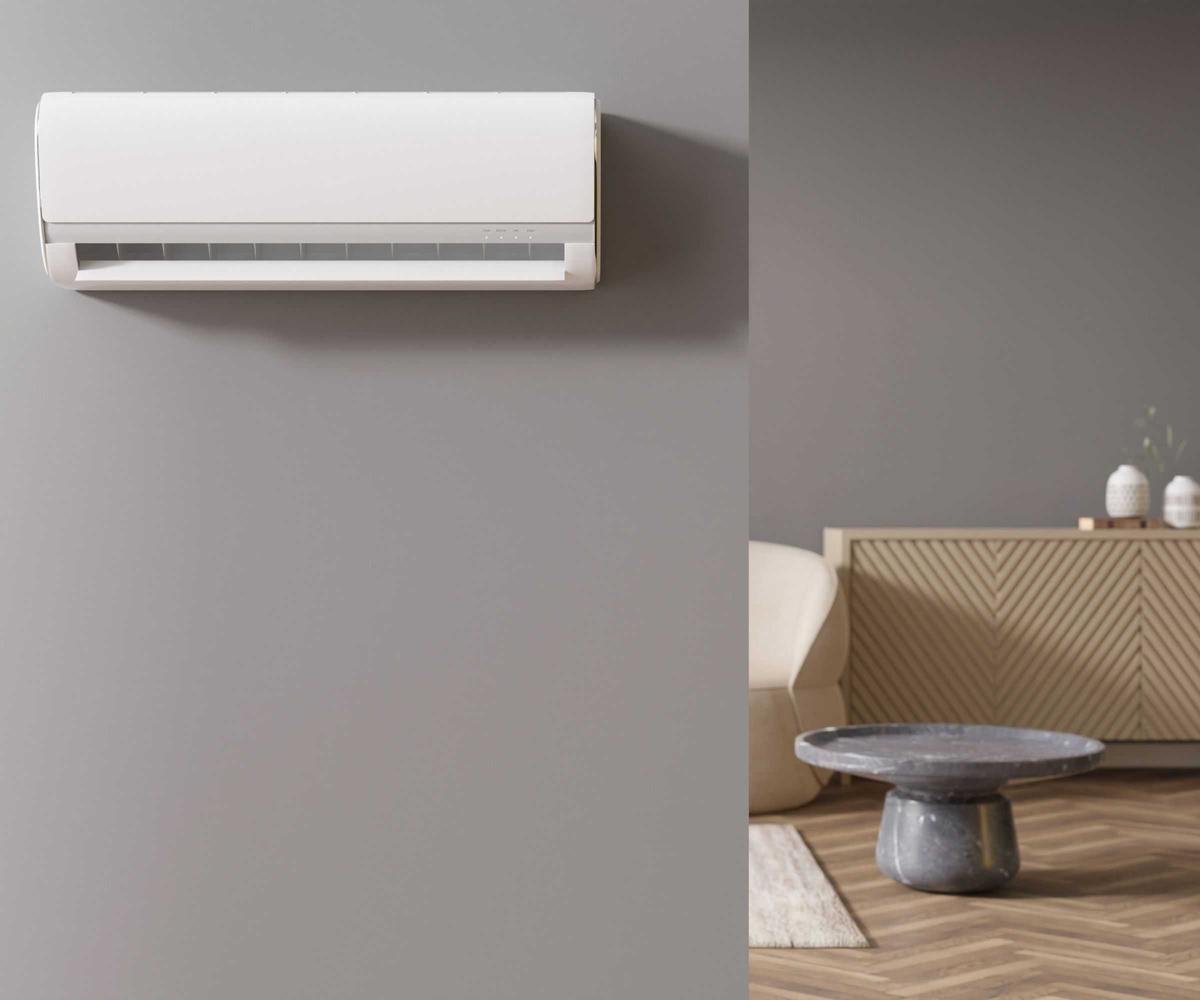
Knowing when to open or close windows depends on your indoor and outdoor air quality assessments. On days of high outdoor pollution, keep windows shut and use AC or fans to maintain comfort.
While fresh air can be beneficial, it often brings in pollutants in urban settings,' confirms Aaron Traub.
If outdoor air quality is decent with low humidity, opening windows can enhance indoor air quality. Activities like cooking and cleaning can impact indoor air, sometimes necessitating ventilation.
Alessandro Ronfini, a partner at DEMO Architects, adds: 'On extremely hot, stagnant days, outdoor air quality may be worse than indoors, making it wise to keep windows closed. Conversely, a gentle breeze with low humidity makes opening windows, especially for cross ventilation, a smart choice.'
5. Clean Your Home Regularly
Addressing common allergens requires regular cleaning. Many allergens, like pollen, infiltrate our homes and contribute to indoor dust.
Aaron Traub advises: 'Dust and vacuum frequently, using a vacuum equipped with a HEPA filter to capture dust, pet dander, and other allergens.'
Check out our guide to the best vacuums for pet hair that effectively deal with hair, dust, and allergens.
6. Consider Indoor Plants
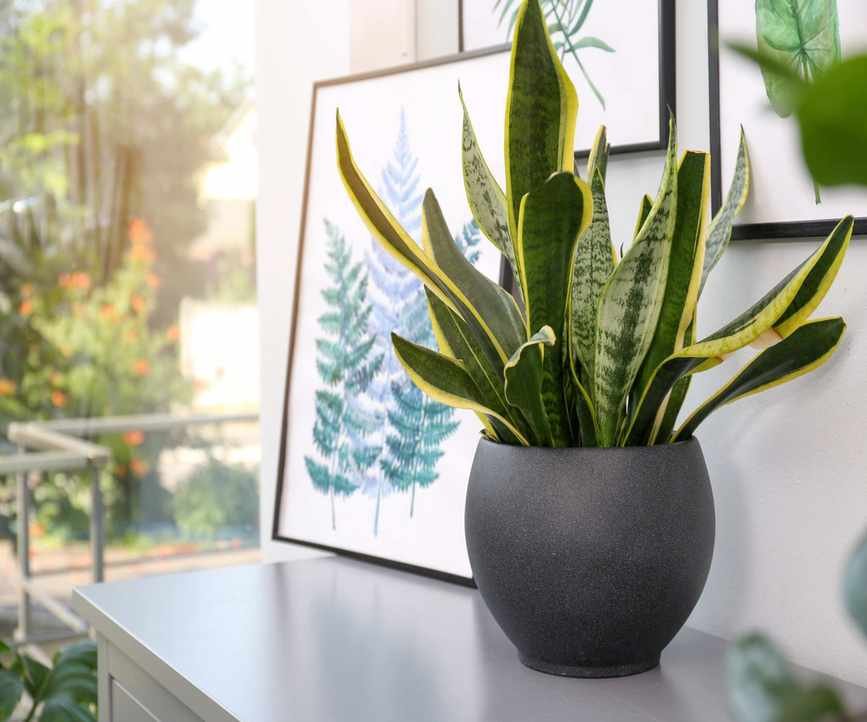
Numerous plants possess air-purifying properties. Indoor plants like bird's nest fern and areca palm can eliminate toxins such as formaldehyde, mold spores, and ammonia.
Even snake plants, known for their low-maintenance qualities, help reduce airborne formaldehyde, nitrogen oxides, benzene, xylene, and trichloroethylene — found in synthetic carpets, adhesives, and paints.
To further enhance your indoor air quality, consider using one of the best dehumidifiers. High humidity can lead to mold, dust mites, and various allergic reactions.
Also, familiarize yourself with the optimal placement for your air purifier.



