
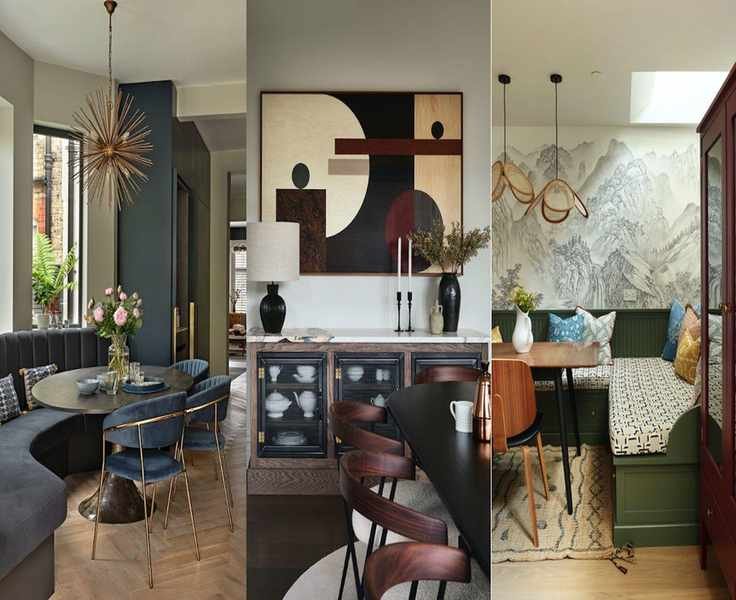
While traditional dining rooms are losing popularity, cozy dining nooks are gaining traction. Whether snuggled in a kitchen corner, merged with a living room, or nestled in an alcove, these nooks are becoming favored spots in homes.
Designing a functional and inviting dining nook in a limited area can be tricky. The goal is to create a deliberate, stylish look. Comfort should be prioritized, so opt for plush seating ideal for leisurely brunches.
We consulted design professionals to share their insights on crafting these chic, informal spaces that often serve a greater purpose than a formal dining room.
7 Creative Dining Nook Ideas
If you're into interior design trends, you might have noticed a shift away from traditional dining rooms. In-kitchen dining areas feel more relaxed and friendly, making a dining nook a stylish and efficient use of space. Plus, they offer more creative possibilities with colors and patterns.
1. Embrace Curved Shapes
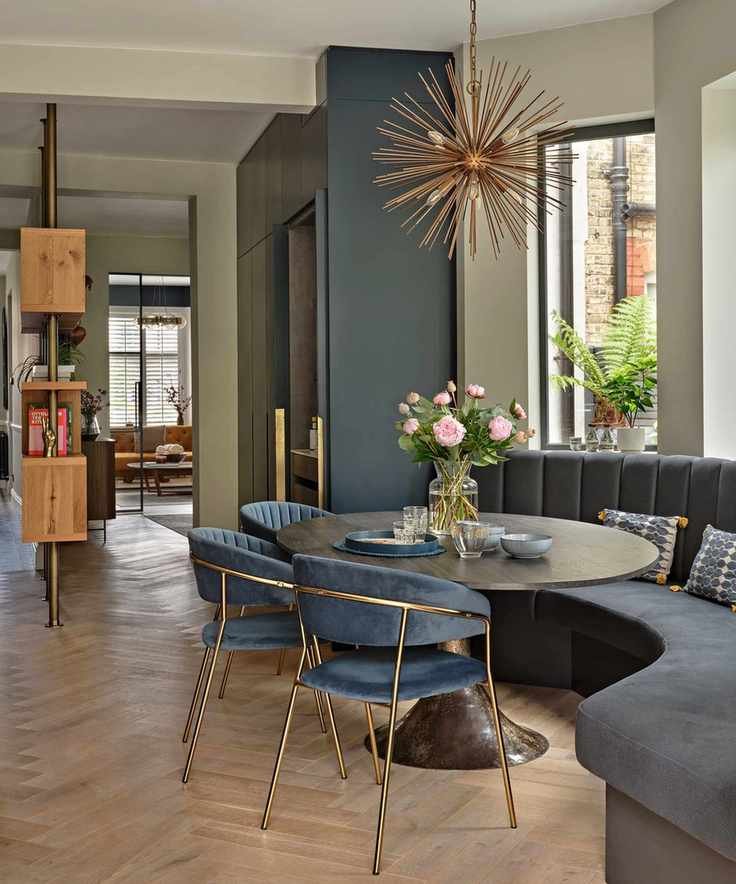
In narrow kitchens, incorporating a dining nook can be a challenge, but curves help soften the space. A sculptural nook designed by Caz Myers fits snugly into a bay window, promoting an open flow. 'The mix of the upholstered banquette and large oval table creates a sociable atmosphere,' Caz notes.

Caz Myers Design is known for creating beautiful, timeless interiors. Over 14 years, Caz and her team have transformed numerous unique properties, focusing on striking pieces and custom joinery.
2. Use Bold Artwork
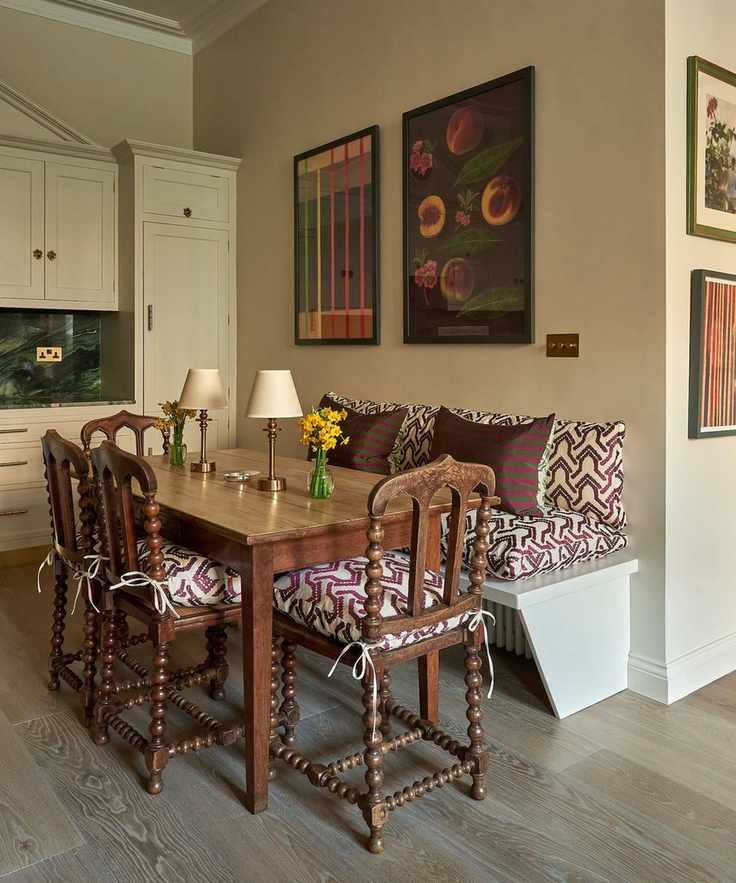
Make a statement in a small nook with oversized art. This approach is particularly effective in open-plan kitchens where defining areas is essential. Designer Sarah Vanrenen suggests that large art pieces can anchor a small dining space, especially with high ceilings.
'I love blending modern and traditional styles, using bold geometric prints alongside classic fruit illustrations,' she explains. 'The banquette offers the most comfortable way to blend the table into this open plan kitchen and living area.'
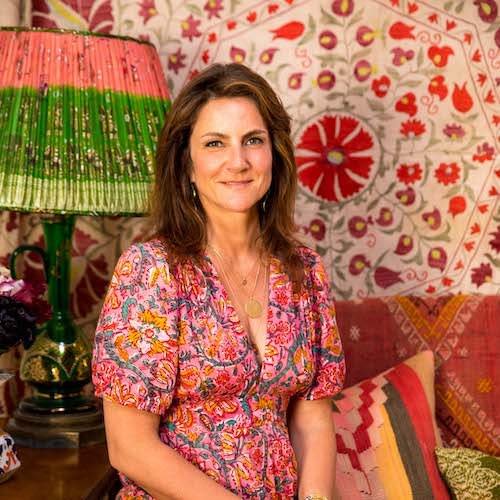
With over 20 years in the industry, Sarah Vanrenen describes her style as modern, infused with vintage elements. Her growing collection of furniture and accessories is crafted in the UK, reflecting her love for vibrant colors and patterns.
3. Layer Textures for Depth
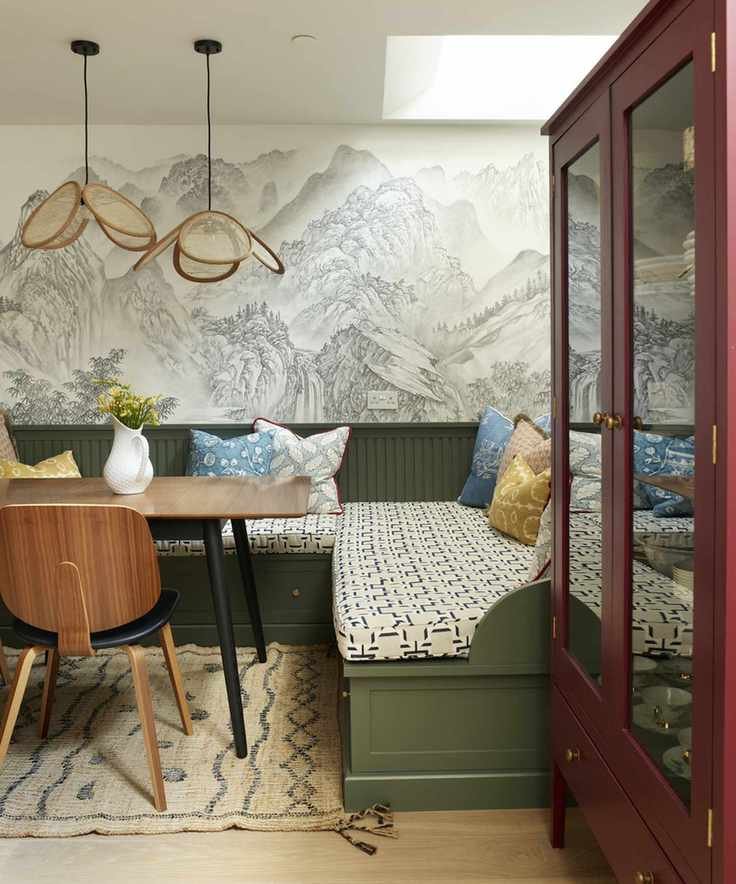
Don't underestimate the impact of texture in a compact dining area. Designer Cat Dal recalls a basement dining area lacking natural light. To create a transportive atmosphere, they added landscape wallpaper and layered upholstery for added depth.
Storage is also key; built-in drawers provide extra space. 'We painted the existing cabinet a deep burgundy and added vibrant cushions with natural materials for a tactile finish,' Cat shares.
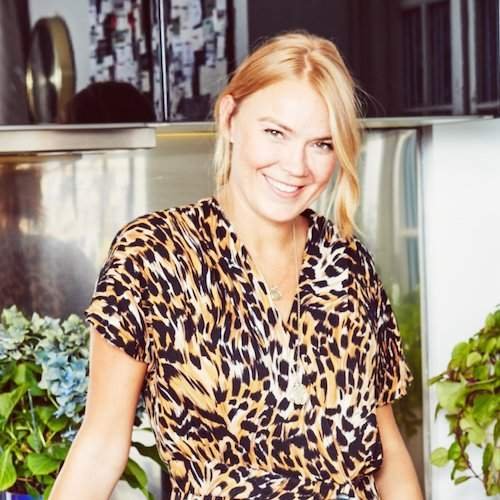
Originally from Copenhagen, Cat now resides in London, where her design studio focuses on luxury residential projects, emphasizing craftsmanship and natural light.
4. Define the Space with a Rug
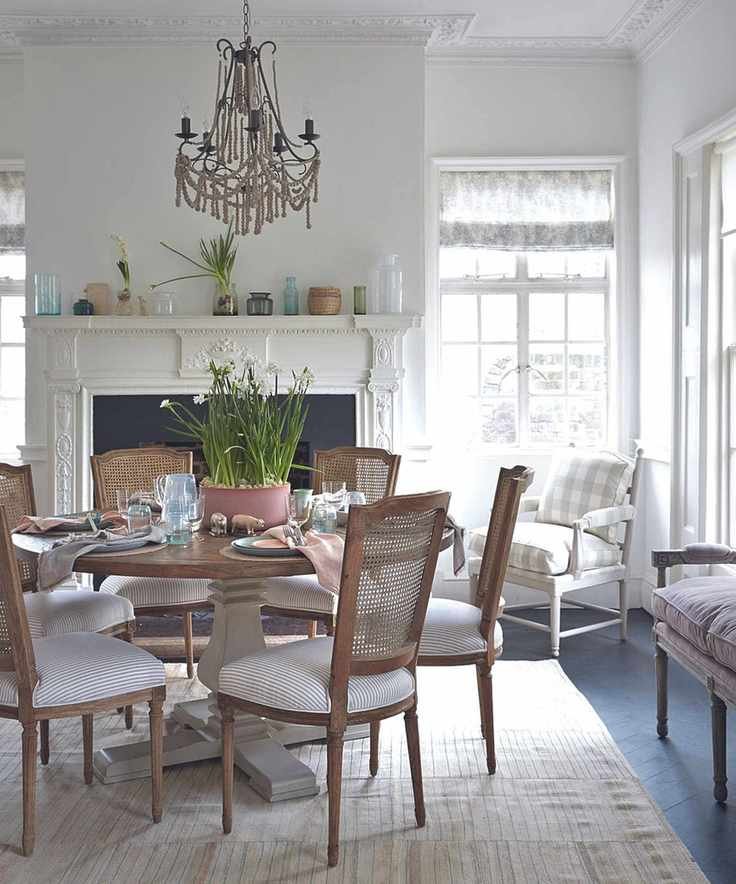
For dining nooks within larger open-plan areas, zoning is crucial. Designer Roger Higgins often uses rugs to define these spaces. 'Ensure the rug is large enough for chairs to rest comfortably on, even when pushed back,' he advises.
5. Choose the Right Table Shape
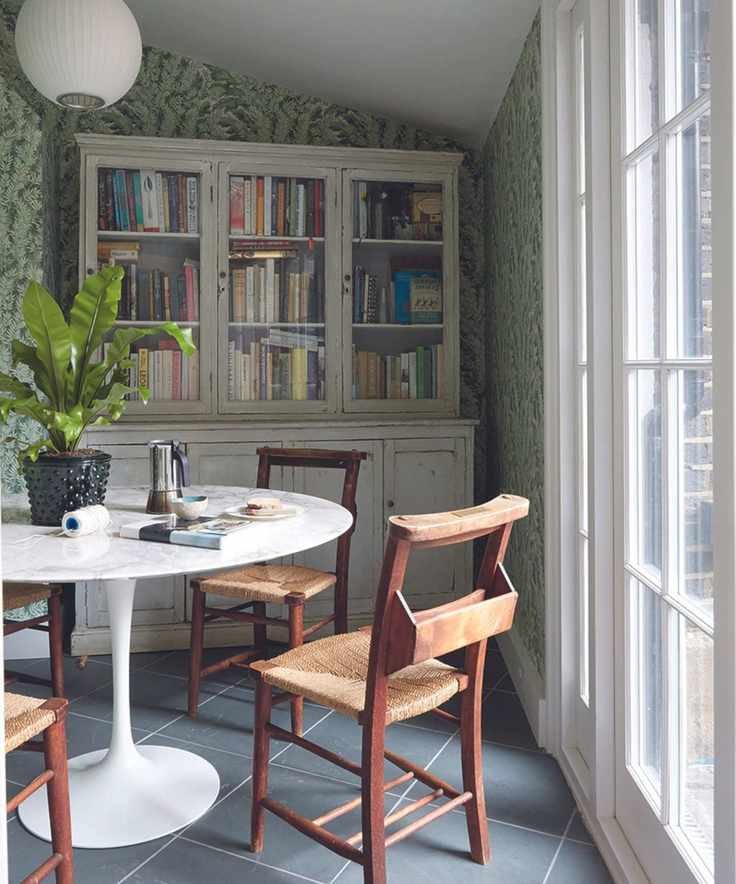
In a dining nook, seating often includes both benches and chairs, so the table shape should accommodate this. Circular or oval tables work best, especially in corners, to contrast sharp angles. Designer Juliette Byrne favors these shapes for small spaces.
'They allow for better movement and come without sharp edges. We often suggest a foldable design for flexibility. If space is tight, create paper templates to visualize how different sizes fit,' she recommends.
6. Introduce Symmetry for Elegance
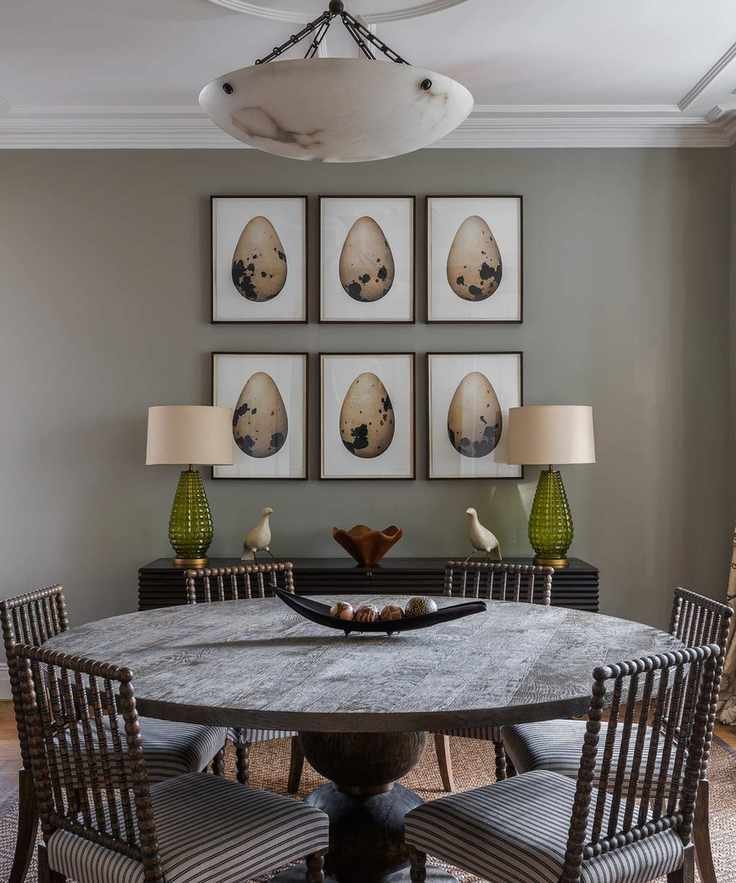
Using symmetry in art, lighting, and furniture arrangement can elevate a small dining nook's elegance. Interior designer Charlotte Crosland believes that achieving symmetry can create sophistication while minimizing clutter.
'I prefer neutral walls with subtle color accents. By embracing simplicity with intriguing details, you can craft a dining nook that feels both polished and welcoming.'
7. Experiment with Pattern Sizes
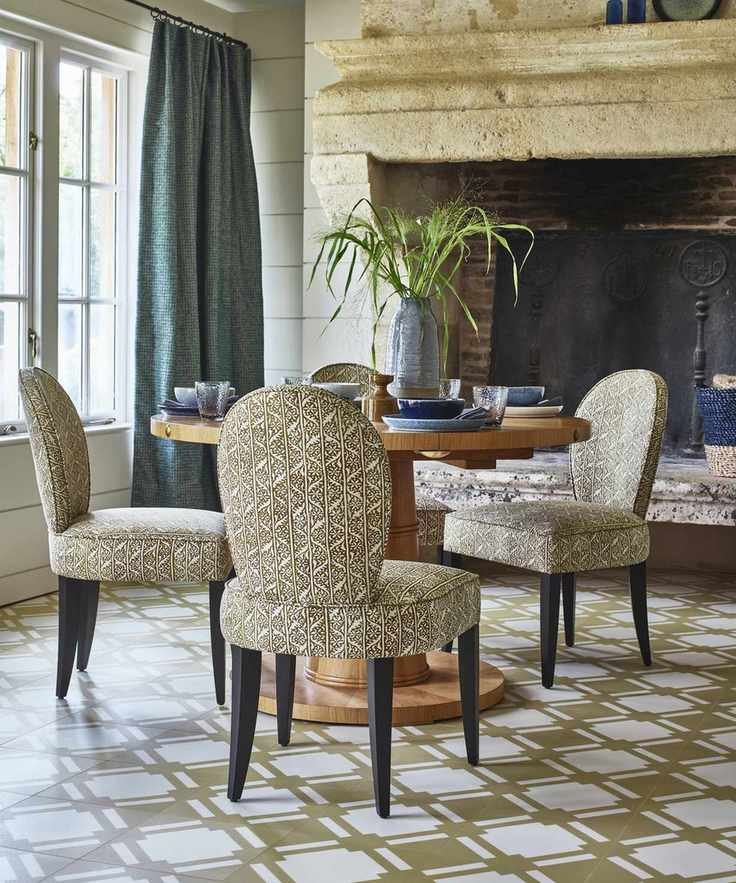
Combining different pattern sizes can create a striking effect in a small dining area. 'Select complementary patterns in terms of color and design,' advises Tim Walters, Managing Director of George Spencer Designs.
Using larger patterns on the floor can create a sense of space, while smaller prints on chairs add decorative flair. 'Choosing patterned tiles in a compact area helps define the space without needing a rug,' Tim highlights.
What Sets a Nook Apart from a Dining Room?
While formal dinner parties may be less common, modern dining room concepts still center around dining. In contrast, a dining nook typically serves as part of a multifunctional space. These nooks, often called breakfast nooks, are popular in kitchen diners and can also appear in living rooms or garden areas. Successful nooks often incorporate built-in or banquette seating, maximizing dining area within a smaller footprint.
A dining nook, whether achieved through a banquette, built-in seating, or simply designating a kitchen corner, seamlessly infuses dining space into your home. These nooks can also be adapted in other areas where your living room doubles as a dining zone, making them a fantastic solution.



