
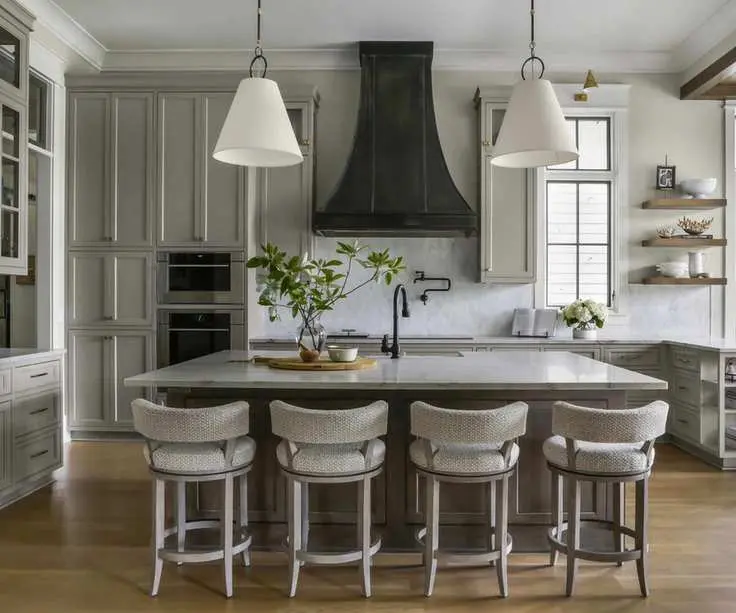
While some home decor trends stand the test of time, others become outdated. Though personal taste plays a significant role in decorating, there are a few styles that simply need to be retired for good.
However, don't feel pressured to abandon any style that brings you joy. Our preferences for certain designs, colors, and materials are deeply personal and influenced by our unique experiences. Choose decor that resonates with you and take any criticism with a grain of salt.
Trends That Have Lost Their Appeal
Yves Saint Laurent famously said, 'Fashion fades, style is eternal,' and this principle holds true in interior design as well. Occasionally, it's worthwhile to reflect on the once-popular decor trends that have since become outdated. If you still love your bold feature wall, popcorn ceiling, or mirrored closet doors, feel free to keep them. What matters is that it feels right for you.

Made for Living: Collected Interiors for All Sorts of Styles, Amber Lewis | From $24.58 at Amazon
This best-selling book features interior designer Amber Lewis sharing her favorite design secrets and tips.
1. All-Grey Interiors
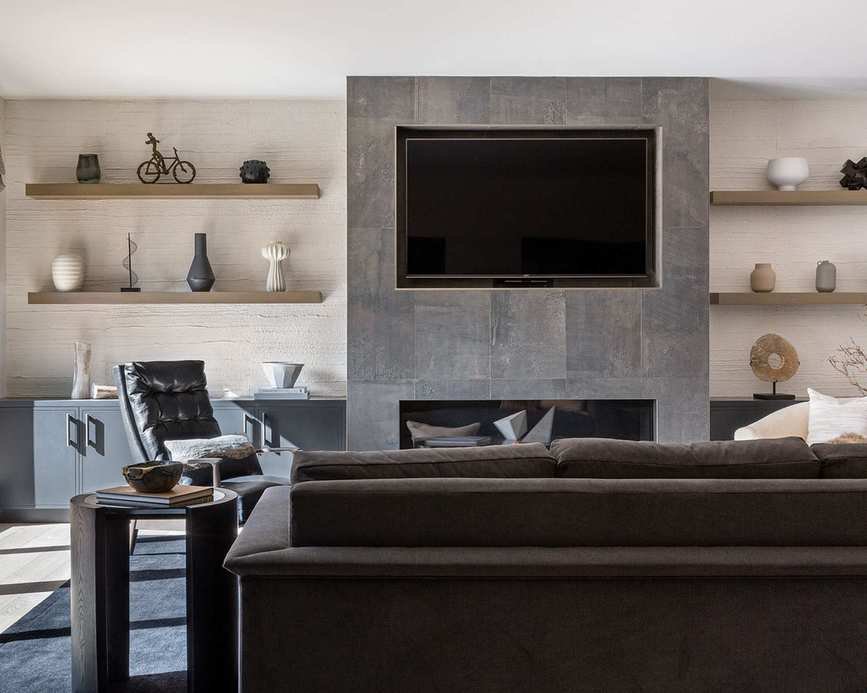
In Western culture, grey is often linked to dullness and a lack of vibrancy, which explains why this trend never quite lasted. Being surrounded by too much grey can feel draining, and many of us are ready to move on from the endless grey sofas, carpets, and walls that have dominated homes over the last decade.
Anthony Barzilay Freund, editorial director at 1stDibs, notes, 'The decline in all-grey color schemes reflects our ongoing desire to make our homes feel special and layered, especially as we spend more time in them. Patterns and colors that evoke nature are visually stimulating and emotionally comforting.'
That said, I don't entirely dismiss the use of grey in decor. There's an art to achieving a balanced grey or white palette, where layering textures and colors adds depth.
'A neutral scheme serves as a fantastic foundation for adding pops of color,' explains Kimberley Harrison Interior, the design studio behind the layered aesthetic shown above. 'To make a grey or neutral palette feel intentional, it's essential to mix textures and introduce subtle color variations, even within neutrals, and occasional splashes of color. Just because something is grey doesn't mean it has to be dull; the application matters too.'
2. The Feature Wall

While feature walls were once a popular way to add visual interest, this trend has begun to feel outdated. A single standout wall often gives an 'unfinished' look. If you're going to paint one wall, why not paint them all? If wallpapering, consider doing the same for all your walls. Alternatively, consider adding decorative flair to your ceiling—it has far more visual impact than a lone wall.
However, if you do choose to create a feature wall, do it right. Scenic murals are currently a hot trend in home decor—these beautifully atmospheric designs can transform a room and ignite the imagination.
Using wall mural ideas with a single striking image can be a bold choice, especially if you've previously used patterned wallpapers. 'A mural is a powerful tool for the adventurous,' says Andy Greenall, head of design at Paint & Paper Library. Many mural designs can now be found as wallpapers, making them more accessible. 'Three drops of paper can create a stunning panel that instantly uplifts the space,' adds Andy. Consider painting the surrounding walls in a complementary shade drawn from the mural.
3. Popcorn Ceilings

Few former trends have garnered as much disdain as popcorn ceilings.
Once a favorite in the '70s, popcorn ceilings, also known as acoustic or stucco ceilings, were designed to absorb sound and conceal imperfections. However, like many trends from that era, they have fallen out of favor, and many homeowners are now seeking advice on removing or disguising these now-unpopular features.
That said, your ceiling should not be left bare. This often-overlooked element of design holds endless creative potential and should be treated with the same care as your walls.
'Ceilings are a great opportunity to introduce another layer of interest and create a cozier atmosphere,' says interior designer Nicola Harding. 'Too often, they are an afterthought, yet we ensure to explore their potential.'
There are many ways to elevate your ceiling through the use of materials, colors, textures, and even wallpaper. 'Ceilings have often been overlooked in recent years,' remarks interior designer Rachel Chudley, 'but when visiting historic homes, the ceiling is frequently treated as a masterpiece.'
4. Mirrored Closet Doors

I admit I still have my mirrored closet from college. It's on its last legs, and I eagerly anticipate upgrading to built-ins. Why am I still holding onto this furniture faux pas? Although I'm not overly sentimental, I can't bring myself to part with a functional piece that has accompanied me from childhood to my teenage years.
Mirrored closet doors were a beloved staple of the '80s and early '90s, thought to add glamour (or so we wanted to believe) while creating the illusion of larger spaces. However, although the use of mirrors in decor has surged in popularity recently, mirrored furniture—especially closet doors—has fallen out of fashion.
In their place, stunning French doors, bi-folds, and pocket doors are bringing our homes into the modern age. In my opinion, closet doors deserve more consideration than they typically receive. Often, we focus more on what's behind them and their functionality, but they can significantly enhance a space, making it feel cozier, brighter, and richer in texture.
5. Mass-Produced Homeware
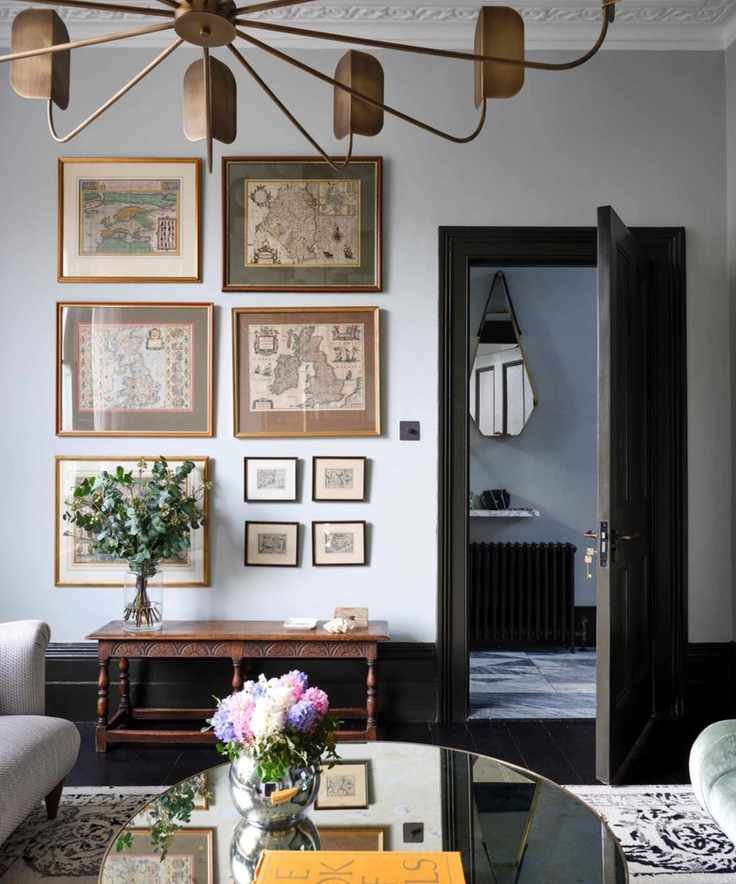
Interior design is a deeply personal journey, so why do so many of us fall into the trap of mass-produced homeware that lacks character?
The true purpose of a home is to reflect the needs and personalities of those who inhabit it, which is why over-produced, generic items can make our spaces feel outdated and, frankly, cheap.
Fortunately, recent trends are shifting towards creating more sustainable and unique environments. 'If in doubt, be bold,' suggests Tiffany Duggan, founder and director of Studio Duggan. 'Clients rarely regret investing in distinctive vintage pieces. Imagine your space as a carefully curated collection of treasures, each item more intriguing than the last.'
Indeed, maximalism is back—and it's better than ever. Not the overwhelming florals of the '80s, but a refined version that is not only stylish but also livable and unique. Designers like hotelier Kit Kemp excel at this art of maximalism. If you're new to this trend, however, proceed with caution to avoid chaos. Prefix maximalism with adjectives like 'considered,' 'elegant,' or 'curated' to ensure it works. The key to achieving 'elegant maximalism' is finding a common theme around which everything else revolves. Leave the matchy-matchy aesthetic to minimalists and embrace what you genuinely love.

Jennifer Ebert is a digital editor with a focus on popular interior design trends and the latest decorating rules to follow and avoid.
6. Carpet in Bathrooms
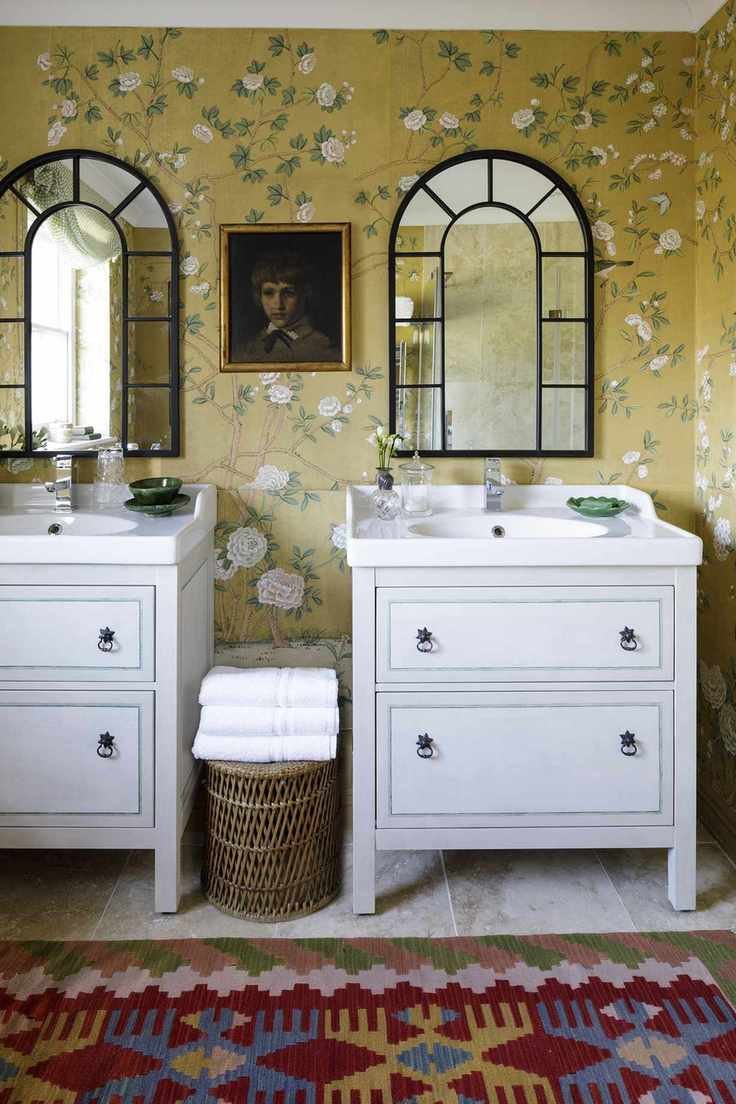
There are whispers that this unsanitary trend is making a comeback, but think twice before embracing it. While it may seem that everything from the '70s is returning, this is one trend I hope to see remain in the past, despite my fondness for eclectic interiors.
In the 1950s, wall-to-wall carpeting was considered luxurious and highly desired by American families. When the '70s rolled around, advancements in carpet manufacturing and an economic boom led to an obsession with keeping up with trends.
My aversion to this trend is not solely based on aesthetics—it's primarily a hygiene concern. Water damage can lead to mold and mildew, making this style particularly unappealing.
Over the past decade, while many opted for minimalist, easy-to-clean bathrooms, there's been a shift towards decorative textiles that embrace layers and decoration. 'Aesthetics are just as crucial as practicality in creating a cozy bathroom,' remarks interior designer Henriette von Stockhausen of VSP Interiors, who prefers avoiding cold, hard surfaces.
'In older homes with original floorboards, I recommend maintaining these and layering an antique rug over them to instantly warm up the space.'
If you're concerned about water damage to your bathroom rug ideas, consider opting for water-resistant, easy-to-clean performance rugs made from polypropylene or recycled plastic.
7. White Kitchen Appliances
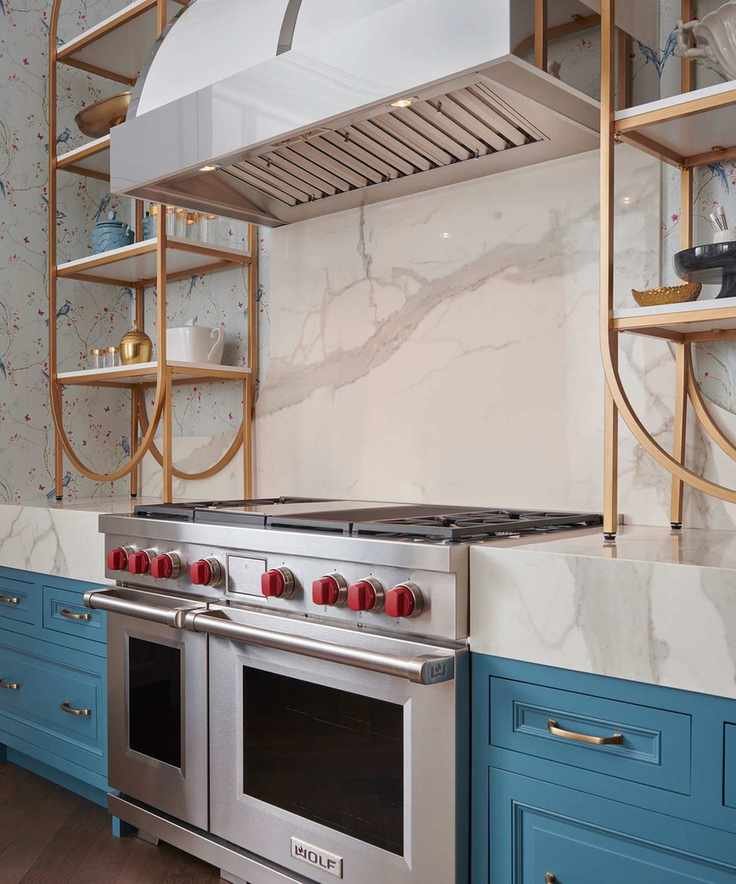
Kitchen appliances have evolved significantly in recent years, thanks to advancements in technology and design. It's not just technology that's changing the game; modern materials and colors have adapted to enhance both functionality and aesthetics.
When was the last time you noticed white appliances in a kitchen? Personally, I had to think back to the early '90s to remember a white microwave. While microwaves remain kitchen staples, their colors and materials have transformed to meet our ever-changing needs for kitchens that serve as the heart of our homes—a place for cooking, entertaining, and working.
When designing a chef's kitchen, Gary Singer, creative director at Eggersmann Design, often includes high-tech appliances that integrate seamlessly into the overall design while prioritizing hygiene. 'For kitchen appliances that are durable, heat-resistant, and hygienic, stainless steel is the way to go; it can handle anything a busy kitchen throws at it.'
While I will always have fond memories of retro white appliances, it's clear that change is often beneficial.



