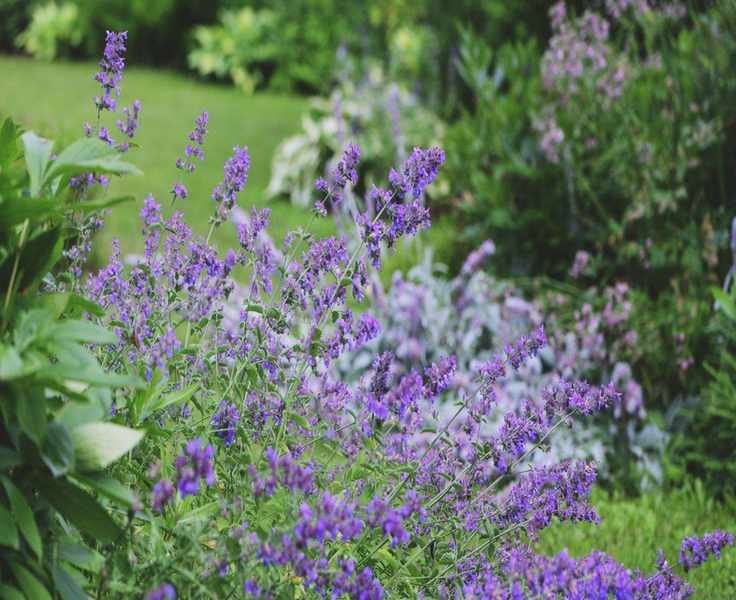
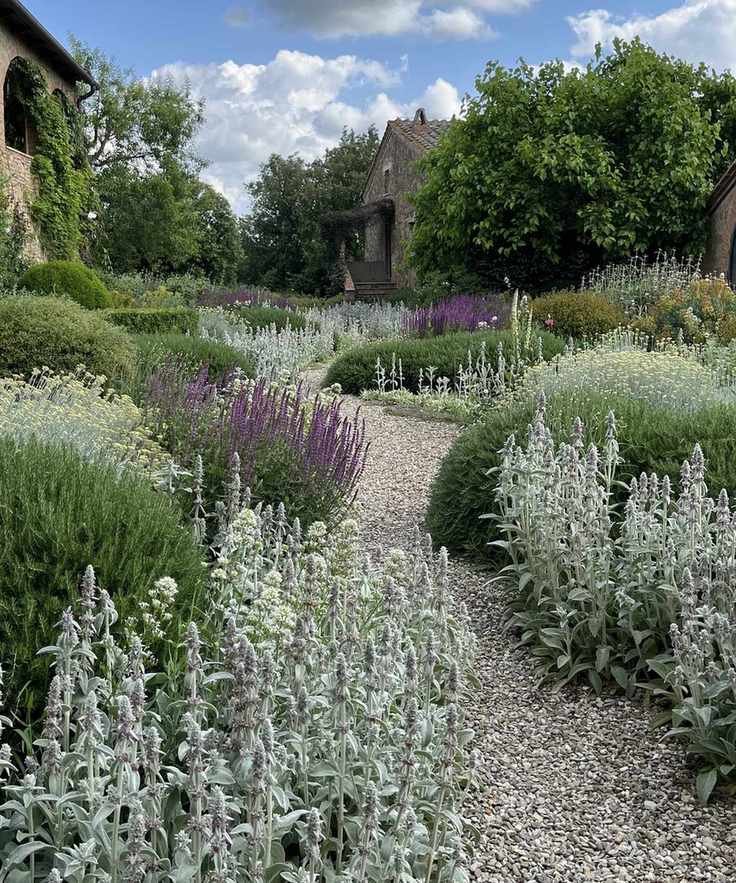
Catmint, known scientifically as Nepeta spp., is a stunning perennial that typically flowers from late spring until late summer. My love for catmint began a few years ago when I worked as a gardener in Italy, tending to a sun-soaked gravel garden near Pienza. The garden featured a delightful combination of silver stachys, flowering cistus, aromatic rosemary, and the soft purple clouds of catmint and salvia.
This garden thrived with low-maintenance plants that were perfectly matched to their environment. These Mediterranean varieties flourished in the hot and dry conditions. Based on my experience, once you establish the right conditions, catmint becomes a reliable choice for gardeners of all skill levels, from novices to seasoned pros.
If you're eager to introduce some fragrant plants into your garden or patio this year, understanding the best locations for catmint is crucial. In this straightforward guide, I'll share essential tips on where and how to successfully grow catmint to ensure a thriving summer garden.
Best Locations for Growing Catmint
Whether planting in pots or garden borders, selecting the right location for catmint is essential. Although catmint is known for its extended blooming period, placing it incorrectly can significantly diminish its floral display and overall health.
Investing time to learn the optimal growing conditions for catmint will pay off in the long run, enhancing both plant vitality and flowering potential.
Container Gardening with Catmint
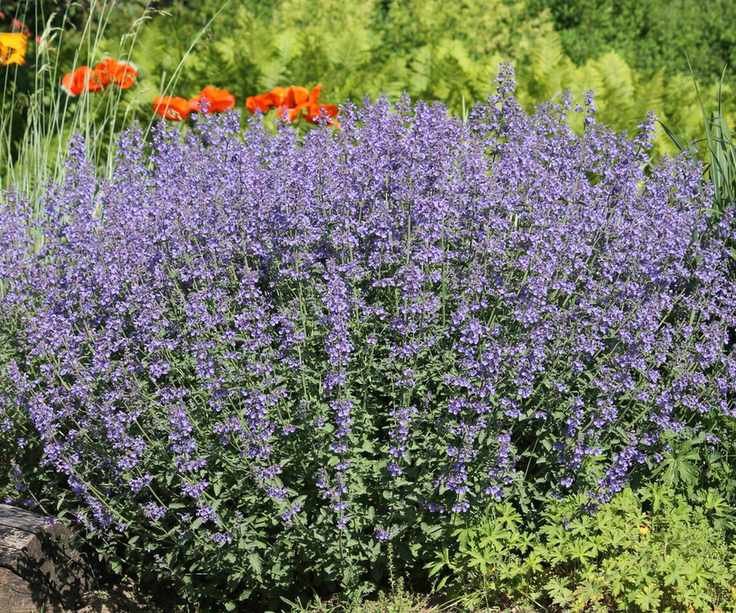
Catmint is a perfect choice for sunny patios, fitting well in both formal and casual garden designs.
If you're looking for an easy-to-grow option, consider the 'Walkers Low' variety, which has live plants available through Burpee. This low-maintenance perennial boasts fragrant foliage and vibrant purple flowers, thriving in sunny, sheltered spaces.
Depending on the species, catmint can typically grow in zones 3 to zone 9. In cooler northern climates like New York or Chicago, position your pot in a sheltered, sunny spot. Conversely, in warmer areas such as Florida or Texas, providing a few hours of afternoon shade can be beneficial.
Since many catmint varieties are native to Mediterranean regions, they prefer warm, dry conditions. Thus, placing your pots in warm nooks will be vital to their success.
Ensure that your pots have good drainage. You want to avoid overly free-draining conditions that prevent moisture retention, while also making sure your plants are not sitting in water. Striking the right balance is crucial.
For optimal drainage, try incorporating horticultural grit from Amazon or perlite from Walmart, combining it with quality potting soil for a suitable free-draining mix.
Planting Catmint in Borders

Catmint is an excellent choice for those interested in creating a cottage garden border this growing season. When planted in drifts alongside other fragrant and colorful perennials, it creates a stunning display.
I enjoy placing catmint at the front of borders, allowing it to gently spill onto pathways and soften the appearance of planting schemes.
When planting directly in the ground, ensure the site receives plenty of sunlight and features dry, well-draining soil. Similar to container gardening, avoid damp or shady locations, as these conditions can hinder the plant's potential.
To improve soil structure, retain moisture, and suppress weeds, consider using organic mulch from Back to the Roots, available at Walmart.
While catmint is considered a perennial that thrives on neglect, it's essential to ensure the lighting and soil conditions are suitable for these sun-loving and drought-resistant plants.
FAQs
Is it possible to grow catmint in damp, wet soil?
No, catmint does not thrive in soggy or overly moist soil. If your garden tends to waterlog during spring and fall, it's best to plant catmint or other herbs in pots to provide the necessary drainage these drought-tolerant plants require.
Regardless of your gardening location, be sure to give your catmint a thorough deep watering during the initial weeks and months after planting. Although they are resilient perennials, providing adequate moisture during their establishment phase will help them flourish in your yard.
For additional ideas, check out our guide on gravel garden concepts to fill your garden with eye-catching fragrant varieties that can endure a bit of neglect in poor, rocky soil.
Essential Supplies for Growing Catmint
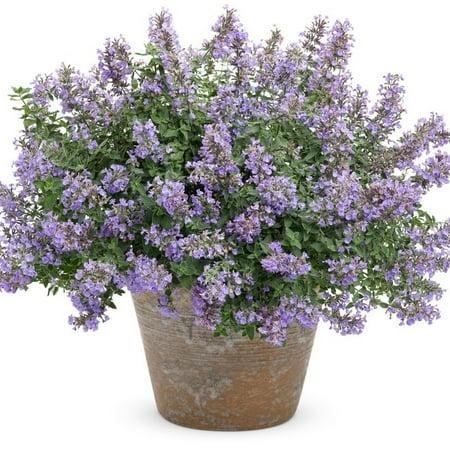
'Cat's Meow' Live Catmint Plant
This hardy plant thrives in zones 3 to 8, making it ideal for sunny borders or pots on patios.
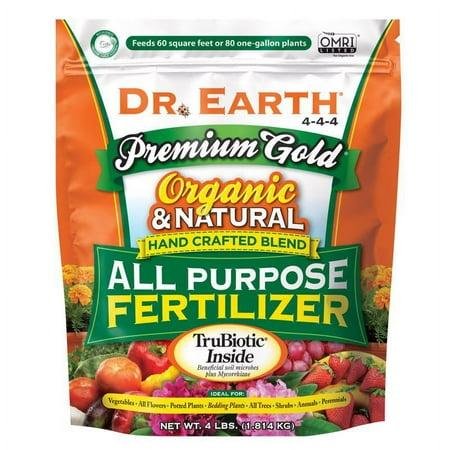
Dr. Earth Organic Fertilizer
This organic all-purpose fertilizer will keep your perennials healthy during the spring and summer months.

Resin Pot Planter
This 'Lanesborough Pot Planter' from Charlton Home is perfect for displaying your favorite perennials and shrubs.