

As summer winds down, mid-August often prompts gardeners to start thinking about fall preparations. However, there's a straightforward way to prolong your summer garden's vibrancy: deadheading.
By deadheading fading blooms, you can stimulate your plants to produce a fresh round of flowers before the chill of autumn arrives. Instead of letting wilting plants linger, take advantage of the warm days left to encourage reblooming.
Knowing which plants to deadhead and when can be challenging, as not all will reliably rebloom. To assist you, here’s a list of seven plants to deadhead this August, along with expert tips on how to do it, allowing you to check this task off your summer gardening list.
Why Deadhead Plants in August?
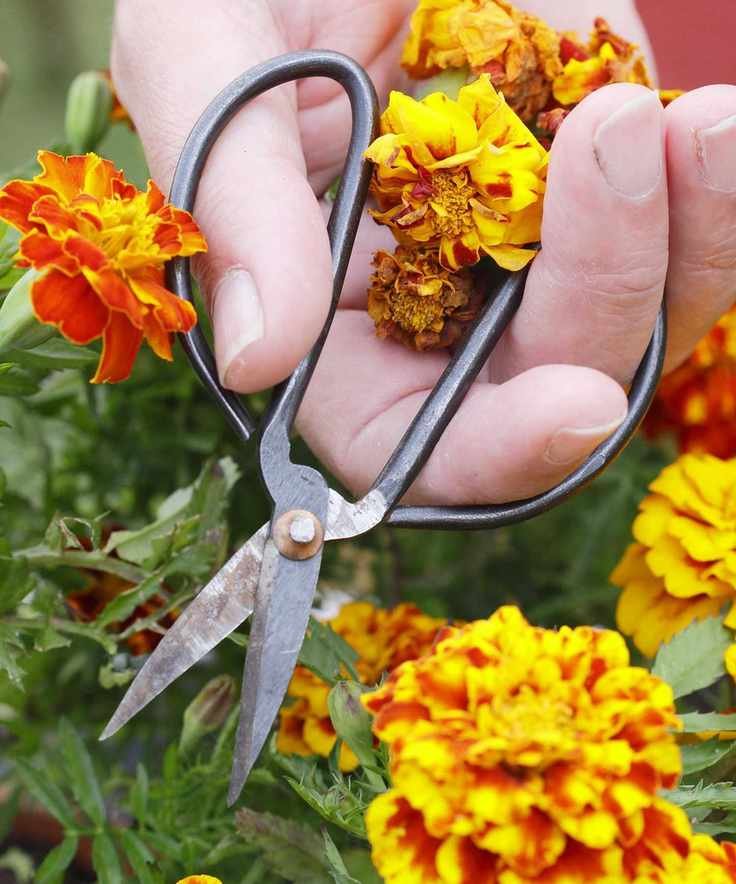
Not every plant should be deadheaded in August, as some may be left for winter interest with their seed heads. Plus, some fading flowers still provide resources for local wildlife.
However, certain plants will thrive with deadheading, utilizing their energy to produce another wave of blooms before the season ends.
Here are seven plants to consider deadheading this August to extend your summer color.
1. Pelargonium
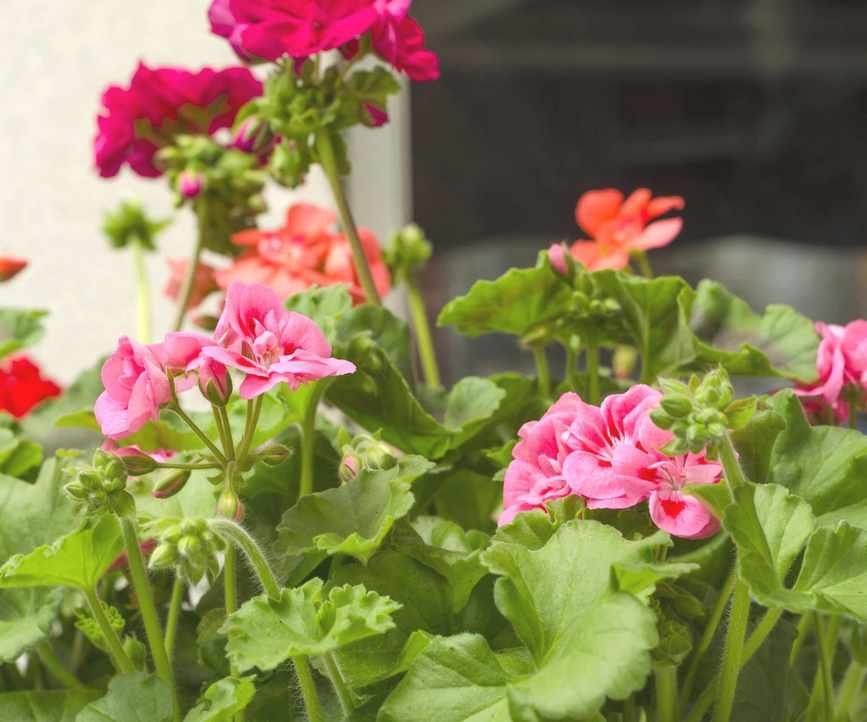
Commonly known as bedding geraniums, pelargoniums are beautiful tender perennials that can bloom from spring to fall. They come in a variety of bright colors, and regular deadheading will lead to a more prolific display.
“When flower heads start to fade, cut the entire stalk down to the main stem rather than just plucking the flower,” suggests gardening expert Michael Clarke. “Use scissors or your fingers for a clean break, which helps encourage ongoing blooms and prevents seed formation.”
While it's easy to pinch off these blooms, you can also utilize pruning tools (like these snips from Amazon) for more precision.
2. Veronica

Veronica adds a striking presence to any garden with its vibrant flower spikes. Typically blooming from June, deadheading in August allows for continued flowers into fall.
You'll know it’s time to deadhead when the bright flowers lose their color and show signs of browning. Cut spent flower stalks just above a healthy set of leaves to ensure new growth.
Remember, deadheading above leaf nodes or new buds can hinder your plant's ability to produce additional blooms.
3. Nepeta

Nepeta, or catmint, is a popular lavender alternative known for its abundant flowering. By August, it may start looking tired, but don’t worry! This plant is perfect for deadheading, which helps refresh its appearance and foster new growth.
“After the initial bloom fades, trim the entire plant back by a third with hedge shears (from Amazon),” recommends Michael. “Focus on spent blooms and some foliage to encourage a second wave of flowers and keep the plant looking tidy.”
4. Zinnia
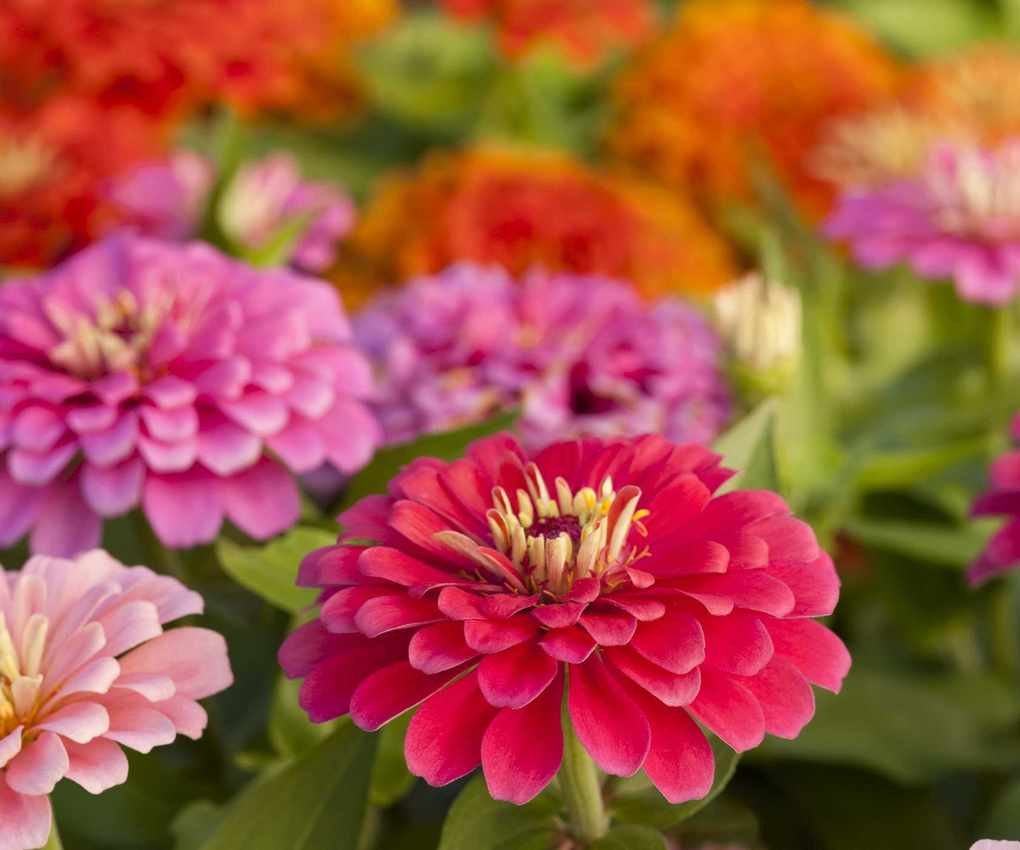
Don’t forget your annuals! Zinnias also benefit from deadheading in August. These cut-and-come-again flowers will reward your efforts by blooming again as summer lingers.
In my own garden, I’ve enjoyed harvesting zinnias for indoor displays. When they start to wilt, I cut back the flower stem just above a set of leaves.
For sturdy zinnia stems, I prefer pruning shears (from Amazon) for clean cuts.
5. Lantana
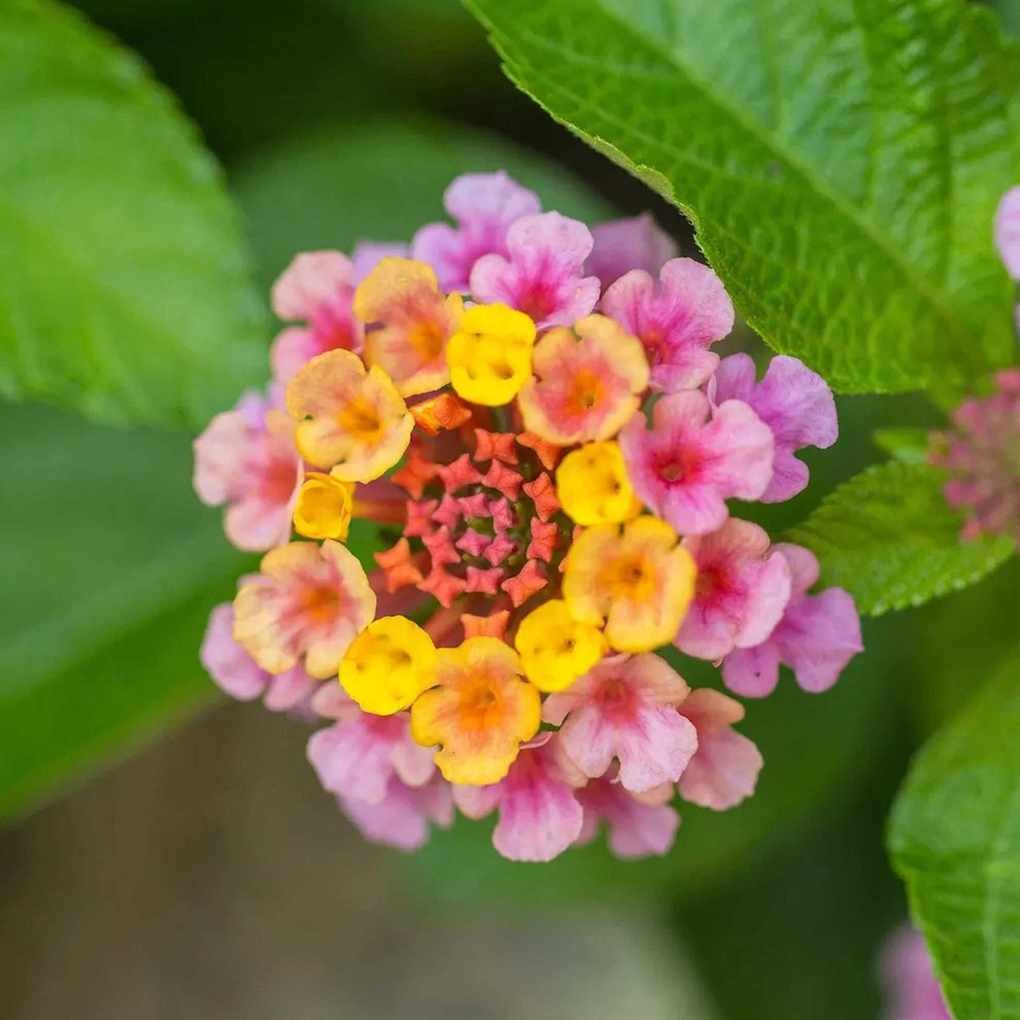
Lantana is often grown as a fast-growing annual, but it's technically a tender perennial. With its clusters of colorful blooms, it attracts pollinators and flourishes from early summer until the first frost.
To maintain its blooming period, deadheading is essential. Watch for seedpods forming and trim down to a leaf node.
Consider taking cuttings while deadheading to propagate these lovely plants for free. Regular fertilization throughout summer also boosts flower production (try this flower fertilizer from Amazon).
6. Coneflower

Coneflower is easily recognizable when it's time to deadhead; its color darkens, wilts, and petals may drop off.
“Trim the flower stalk down to a set of leaves or a side bud. Deadheading coneflowers extends their blooming period and encourages more branching,” says Michael.
However, consider leaving some faded coneflowers for winter beauty, as their seed heads provide winter sustenance for birds.
7. Lavender

It's easy to think lavender is finished for the year when its purple blooms fade mid-summer. However, deadheading lavender in August can yield fragrant blooms later in the season.
Should I Deadhead Any Shrubs in August?
Yes, some flowering shrubs can benefit from deadheading this month. Butterfly bushes, roses, and caryopteris may all produce a second flush of blooms if deadheaded. However, not all shrubs will respond positively, so research your specific plants to determine the best approach.
Once your second blooms start fading in fall, consider collecting seeds for next year’s garden. You can also use dried flower heads for decorative arrangements.
Shop Deadheading Essentials:
Fiskars Bypass Pruning Shears
These pruning shears ensure clean cuts when removing spent flowers.
Gardening Gloves with Sleeves
These gloves protect your hands while handling thorny or spiky plants.
Gardening Scissors
For smaller plants, these micro pruning snips allow for precise cuts.


