

Lavender remains a cherished choice in gardens. During summer, its vibrant purple flowers attract buzzing pollinators while releasing a delightful fragrance. With proper care, lavender can thrive for up to 20 years and grow impressively large in your garden.
Understanding the right way to prune lavender is essential. Without regular trimming, these plants can become overgrown and woody, appearing past their prime. If you've inherited older lavender or your garden has seen better days, don't despair—there's still hope!
As a seasoned gardener, I've tackled countless woody lavender plants. Though it may be tempting to buy new varieties, it's important not to give up on your existing woody lavenders. In this article, I'll share my insights on pruning and propagating lavender from cuttings.

Can You Restore Woody Lavender?
Pruning woody lavender plants carries some risk. Many might consider replacing them entirely, but just like with rosemary, taking the right approach to pruning can rejuvenate your lavenders.
When Is the Best Time to Prune Woody Lavender?
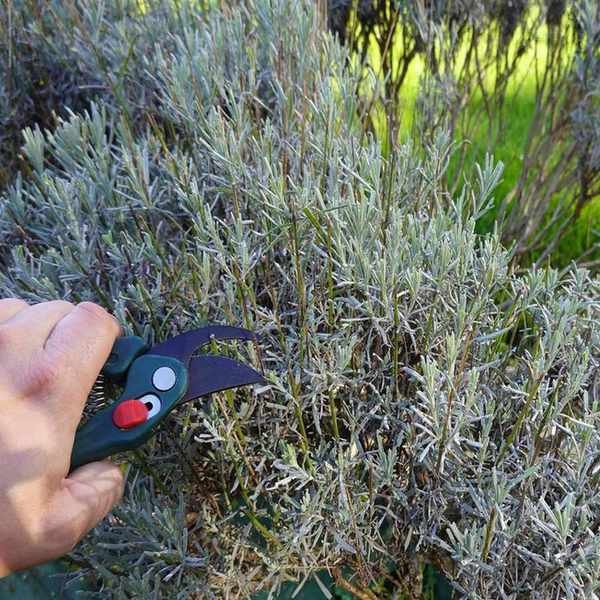
If your lavender plants look woody, it's time to act. Pruning is crucial for correcting common lavender errors and revitalizing growth, but timing is key. You don't need to fertilize old lavenders; it won't prevent them from becoming woody.
The best time to prune is in spring, right after the last frost. Depending on your US hardiness zone, aim for mid to late April when frost danger has passed, as frost can harm new growth.
Felco secateurs
Felco pruners are the top choice for pruning. Their forged aluminum handles and hardened steel blades make them ideal for any backyard task.
Steps to Prune Woody Lavender Plants

Before grabbing your secateurs, take a close look at your lavender. Look for signs of life, like green shoots or growth nodes. You can even lightly scratch the woody stems to check for green tissue underneath.
Depending on how your lavender looks and your willingness to take risks, start pruning cautiously. Some plants might only need light trimming above growth nodes for a fresh, rounded shape. However, others may be too far gone, as illustrated in the accompanying image.
If the stems are long and twisted, consider taking cuttings as a backup before a more aggressive prune. Though it's usually not advised, I've successfully done this on aging lavender, which often surprises you with new growth. Just remember, this method carries risks, so only proceed if you're okay with potentially losing the plant.
Another option is to gradually prune over three years, trimming a few woody stems at a time. This gentler approach minimizes stress on the plant compared to a drastic cut to the base all at once. While it may take longer, it can yield positive results.
Taking Lavender Cuttings

If you're concerned about your woody lavender, taking cuttings before pruning is wise. These cuttings can grow into new lavender plants in the coming years. Several methods exist to propagate lavender, but softwood cuttings are best taken in mid to late spring and early summer.
For detailed instructions on propagating lavender, including both hardwood and softwood techniques, refer to our comprehensive guide.
Always use clean, sharp secateurs for cuttings. When working with older plants, select this year's green growth, not woody parts. Aim for cuttings that are 3 to 4 inches long, featuring at least three leaf nodes and a few leaves at the top.
Common Questions
When Should You Take Lavender Cuttings?
Softwood cuttings should be taken in spring, post-frost. This timing allows the cuttings ample time to root before the growing season ends. Hardwood cuttings are typically done in the fall, focusing on the woody sections of the plant.
Reviving woody lavender plants is achievable, and while pruning involves some risks, with thoughtful care, you can restore their health. Don't forget to also tend to your old roses, another timely gardening task. For more tips on caring for lavender, check out our article on lavender pests and issues.



