
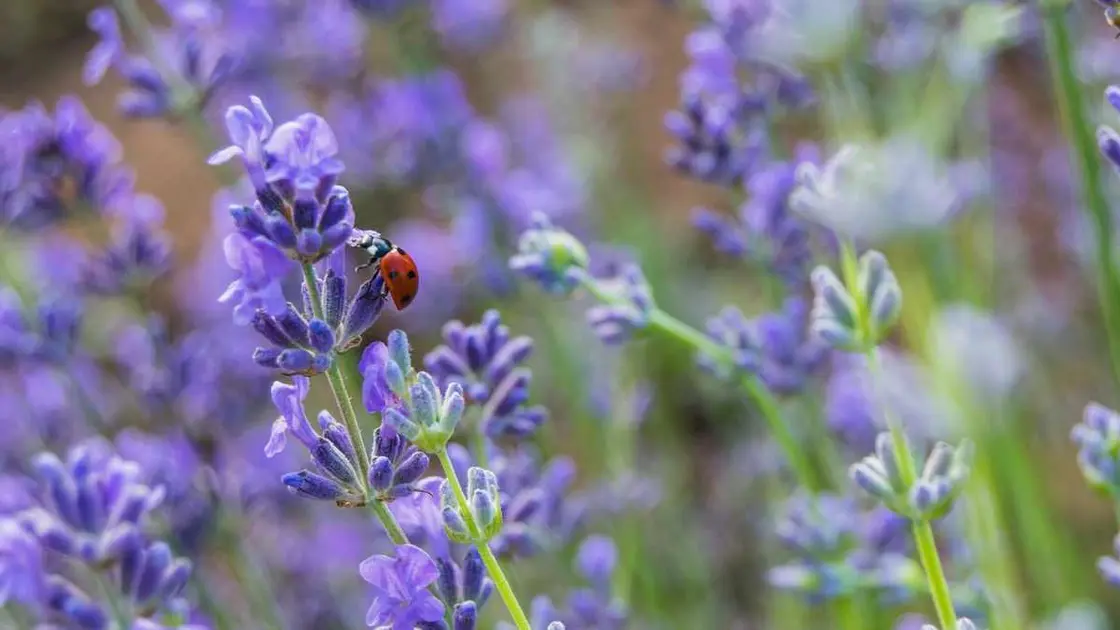
Lavender is a beloved herb among gardeners due to its fragrance and low-maintenance nature. These hardy plants can flourish for months during spring and summer, given the right conditions.
When growing lavender, understanding its needs is essential. These plants thrive in warm climates, requiring ample sunlight and well-drained soil. If you meet these criteria, lavender typically thrives with minimal intervention.
Although lavender is largely resistant to pests and diseases, there are a few issues to monitor. Addressing lavender pests and diseases promptly can prevent minor setbacks from evolving into significant problems, helping your plants bloom beautifully throughout their growing season.

Common Lavender Pests and Issues
Even though many lavender varieties are easy to cultivate, keeping an eye out for potential pests and problems is crucial. Early detection aids in effectively resolving any challenges. Here's what to watch for.
Wilting, Browning, or Graying Leaves
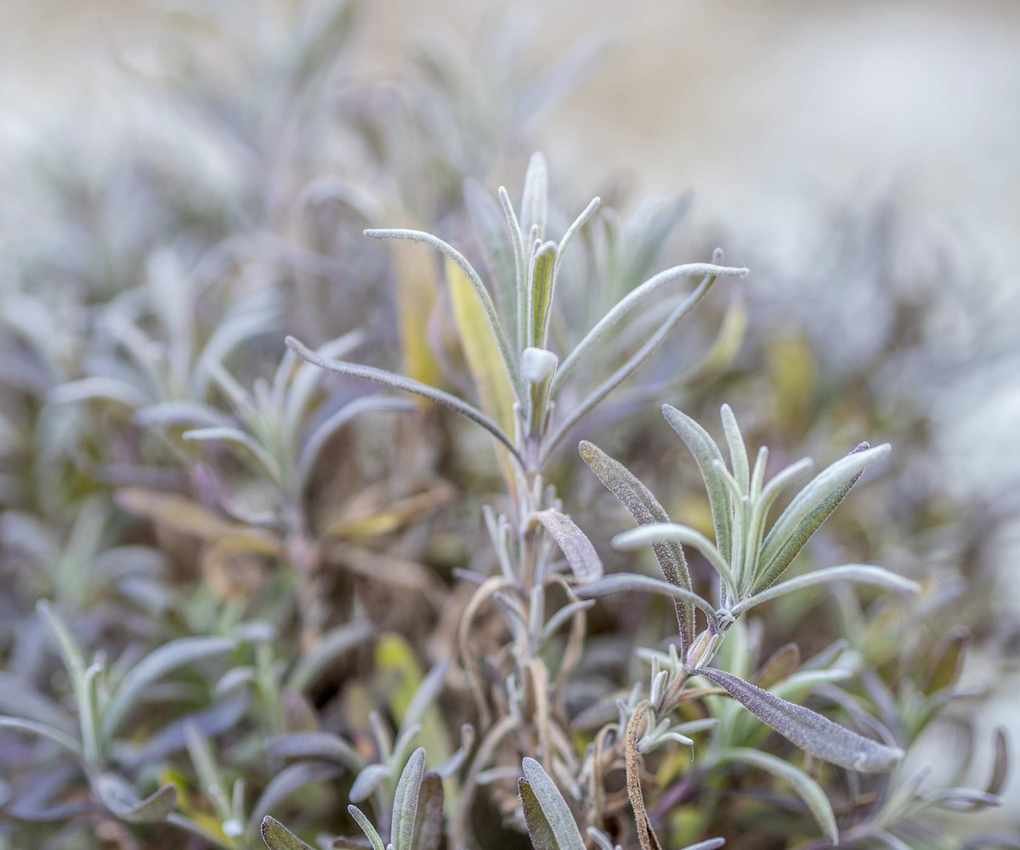
One frequent issue with lavender is the graying, browning, or wilting of leaves. This often results from excessive humidity and moisture in the soil—one of the common mistakes made by gardeners. Ensure your lavender is planted in well-draining soil that allows for adequate air circulation. Remember, these aromatic herbs are native to the Mediterranean and thrive in dry conditions.
Graying or browning foliage may also indicate a fungal infection known as botrytis, which tends to flourish in humid, moist environments. This infection can affect various plants, including lavender, and is a common problem in home gardens.
Infected foliage usually starts from the base and spreads upwards. It's best to remove affected stems and dispose of them to prevent further spread of the disease.
After removing infected parts, check the soil around your lavender. Consider adding drainage materials like grit or mulch to enhance drainage and boost air circulation by spacing out neighboring plants.
Using organic fungicides during the growing season can also help manage fungal issues.
Provence Lavender
Provence lavender, or Lavandula x intermedia 'Provence', is perfect for adding a French flair to your garden. These plants are simple to care for and need well-drained soil and plenty of sunlight, resulting in years of delightful blooms.
Rosemary Beetles on Lavender
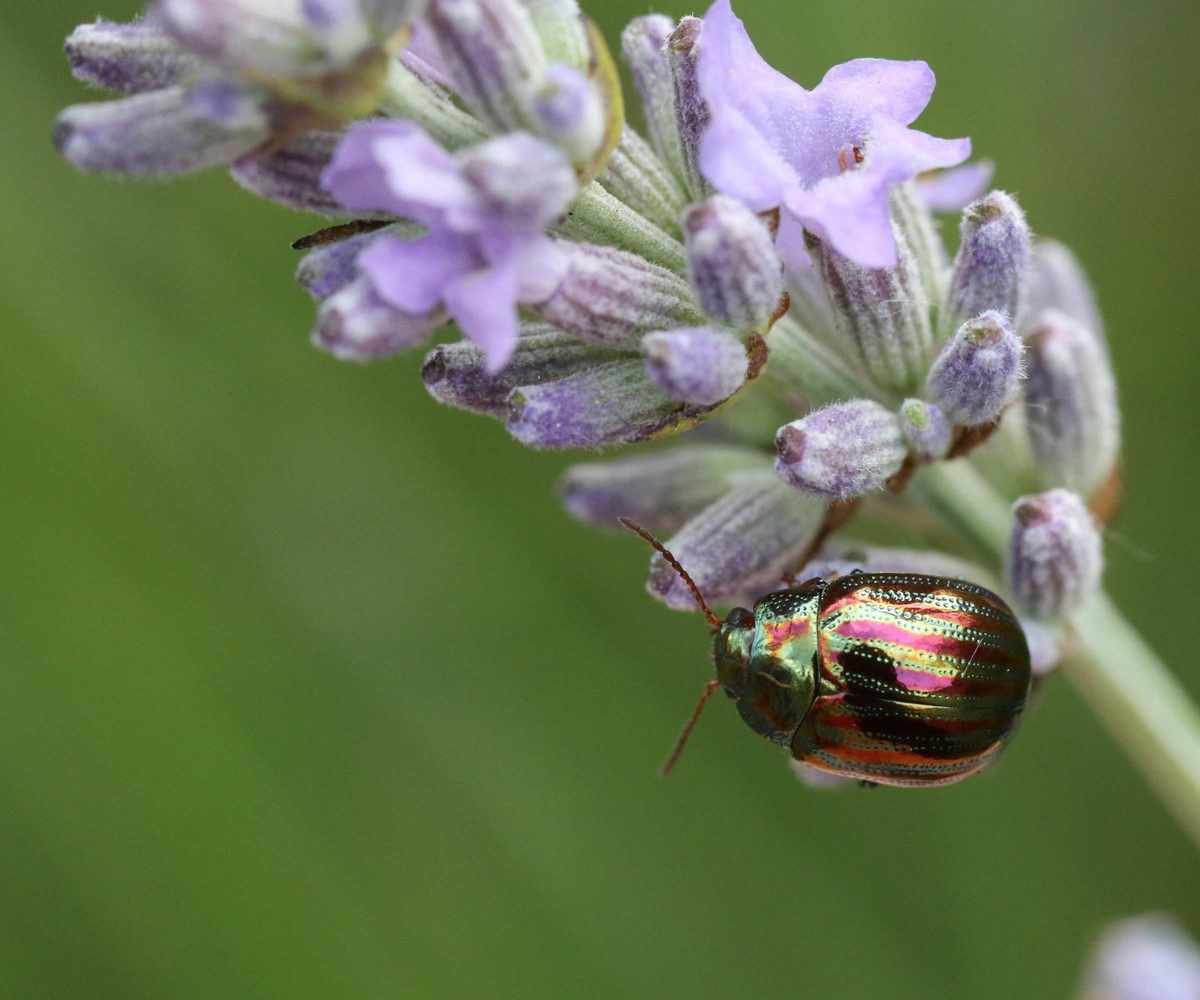
According to lavender expert Lisa Fontanarosa, rosemary beetles can significantly harm aromatic herbs like lavender and sage.
These vibrant insects, known scientifically as Chrysolina americana, are not commonly found in the Americas but are prevalent in Europe during the growing season.
Measuring about half an inch, their shiny green and purple appearance makes them easy to spot. Their damage is also noticeable, causing tips of lavender plants to turn brown and die.
Rosemary beetles typically feed on the new growth of herbs, appearing in late spring and increasing in numbers through summer. If you spot one, there are likely many more nearby.
To minimize damage, remove them by hand before they multiply. Gently shake the branches over a newspaper spread beneath the plant to collect the beetles and larvae, then dispose of them in soapy water.
Lisa advises against using pesticides, even organic ones, as they can harm beneficial wildlife and soil health.

Lisa is an entrepreneur and plant enthusiast with a lavender farm and flower gardens in Albuquerque, New Mexico. She has extensive experience in organic gardening.
Spittlebug on Lavender Plants
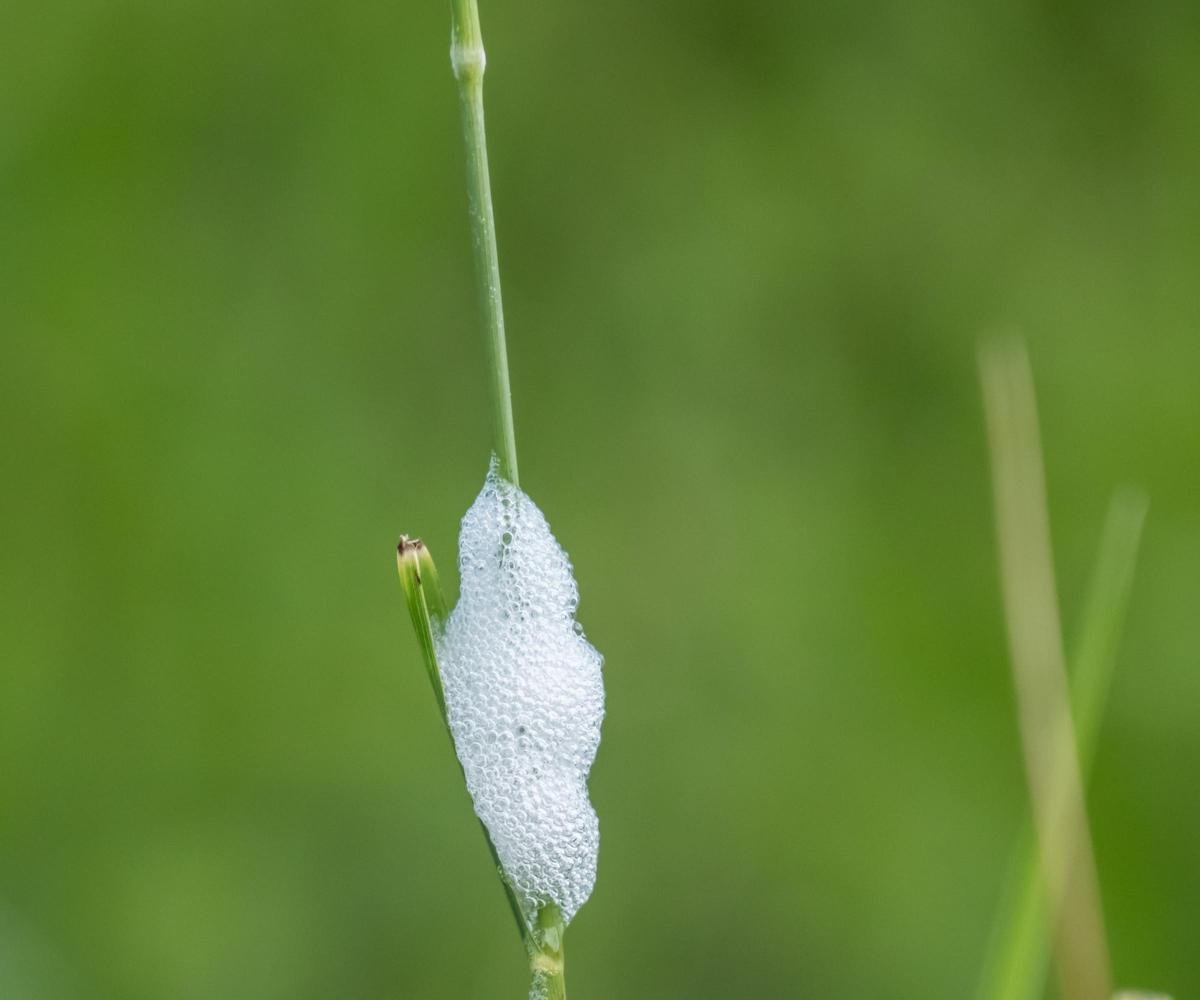
Spittlebugs, or froghoppers, are small insects with various colors. They leave behind a foamy white substance on plants while feeding. These pests are drawn to lavender and rosemary, and while they may seem unsightly, they usually pose minimal risk.
During spring and summer, you might notice the white foam on plants. Affected stems might wither, but spittlebugs generally don't cause significant harm. If their presence bothers you, a strong jet of water can dislodge them from your plants.
While lavender is typically easy to grow and resistant to pests, recognizing and managing potential issues is vital for a thriving garden. For more tips, check out our resources on deadheading lavender or reviving woody lavender plants to keep your herbs vibrant this season.



