
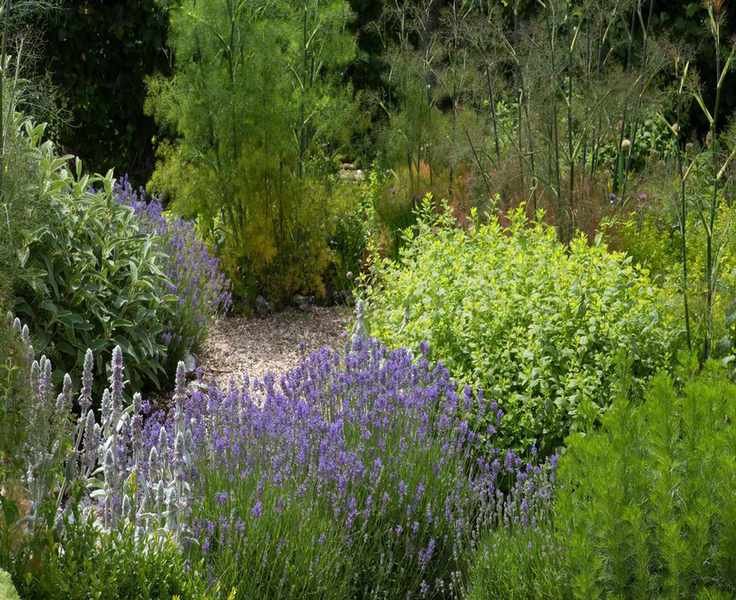
Aromatic herbs captivate our senses and serve both aesthetic and functional roles in the garden. Their fragrant foliage and blooms add color and texture, enriching the overall experience.
Beyond their culinary uses, the scents of these herbs can positively influence our emotions. For example, lavender is known for its stress-relieving properties, while fresh mint can enhance concentration.
These versatile plants adapt to various growing conditions, making them easy to incorporate into your garden—whether nestled among flowers, in dedicated herb patches, along walkways, or in pots.
Growing Aromatic Herbs
To fully enjoy their delightful scents, place aromatic herbs in locations where you can easily appreciate their fragrance. 'Scent is evocative,' shares herb specialist Jekka McVicar.
While most aromatic herbs thrive in sunny spots, some, like mint and lemon balm, tolerate partial shade. 'Many herbs originate from the Mediterranean and prefer full sun and well-drained soil,' notes gardening authority Melinda Myers.
For an optimal aromatic experience, plant herbs near pathways or elevated areas where their scent wafts as you pass by. Consider placing them in a sunny nook or on a windowsill to enjoy their aroma.
Aromatic herbs typically prefer well-draining soil, though mint can thrive in damp conditions. 'You can adjust soil drainage by incorporating horticultural grit into clay or adding organic matter to sandy soil,' advises Heather Birkett of the National Trust.
Experiment with various herb garden designs, including growing tender herbs in pots that can be moved indoors during winter. For container gardening, 'utilize soil-based compost for better moisture retention,' suggests Jekka.
Top 10 Aromatic Herbs to Cultivate
'Scented herbs are engaging and accessible for novice gardeners, offering a fantastic entry point into gardening,' explains Heather Birkett.
While many aromatic herbs prefer sunny locations, others can thrive in light shade. 'Part of the joy of gardening is experimenting and discovering what flourishes in your space,' adds Heather.
1. Lemon Verbena – Aloysia citrodora

Lemon verbena develops into a graceful shrub, reaching heights of up to 6 feet. Its leaves emit a refreshing scent when brushed, making it an excellent choice for pathways.
This herb prefers full sun and well-drained fertile soil, and it's suitable for container gardening, making it a great addition to your herb planter list.
'Lemon verbena is a favorite of mine,' states Jekka McVicar. 'Its scent resembles lemon sherbet, and carrying a leaf can brighten your day. It's fantastic for making tea,' she adds.
2. Mint – Mentha sp

Mint thrives in both sunny and lightly shaded areas and can tolerate moist soil. It boasts a strong fragrance and can produce lovely purple spike flowers, though frequent harvesting may limit flowering.
'There are various mint varieties to explore, including chocolate mint, orange mint, and Moroccan mint, each with its unique scent,' explains Heather.
'Mint can spread aggressively, so it's best to contain it to avoid domination in your garden,' she cautions.
3. Rosemary – Salvia rosmarinus

For smaller gardens, the upright growth of Salvia rosmarinus is manageable as a small to medium shrub.
Jekka McVicar recommends 'Rampant Boule', while Heather favors Salvia rosmarinus 'Foxtail', which elegantly hangs over pot edges. This herb produces fragrant silver leaves and blooms in white, pink, or purple from May to June.
Choose a sunny area for growing rosemary, as it is drought-resistant once established, though it can struggle in extreme cold.
'Rosemary can bloom again in the fall, benefiting both our well-being and attracting bees, especially bumblebees, as a late-season nectar source,' Jekka adds.
4. Chamomile – Chamaemelum nobile
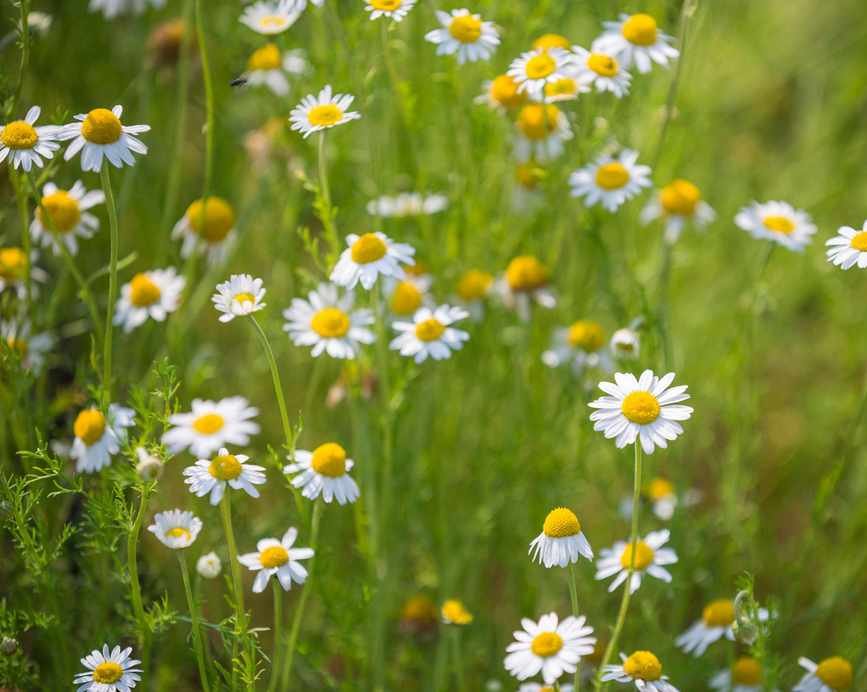
Chamomile grows low and spreads, creating a mat of charming yellow and white daisy-like flowers, making it suitable for cracks in pavements. 'The leaves emit their fragrance when crushed or stepped on, and they can handle some foot traffic,' says Heather.
Known for its calming effects, chamomile is popular in teas. These aromatic plants thrive in sun or light shade and can attract beneficial insects to enhance your vegetable garden's health and yield, according to Bonnie Plants.
5. Lavender – Lavandula

Lavender is a quintessential aromatic herb and is fantastic for attracting bees and butterflies.
With many varieties available, Jekka recommends angustifolia and intermedia types for smaller gardens. Lavandula angustifolia reaches about 23–27 inches wide, while intermedias can grow to around 40 inches.
For successful lavender cultivation, it requires well-drained light soil and a dry, sunny location. It can be grown from seeds in spring, cuttings, or through layering. Flora Scott, head gardener at a herbalist organization, emphasizes the importance of proper pruning. 'Trim it back by an eighth in August and avoid cutting into old wood,' she advises.
6. Fennel – Foeniculum vulgare

Fennel is a short-lived, aromatic herb.
'It produces striking stems up to 6 feet tall, adorned with large clusters of soft yellow flowers, all exuding aniseed fragrance,' explains Heather Birkett.
Fennel thrives in sunny spots and fertile, well-drained soil. 'When happy, it will self-seed, ensuring future plants,' she adds. While many grow fennel as a tender perennial in zones 6 to 10, it's often cultivated as an annual, according to Bonnie Plants.
7. Lemon Balm – Melissa officinalis

Lemon balm features fragrant leaves and small white or pale purple flowers.
'This herbaceous perennial thrives under regular harvesting, and comes in golden and variegated varieties that brighten up garden edges,' Heather notes.
It prefers sun or partial shade and fertile, well-drained soil. Lemon balm is excellent for flavoring teas, lemonades, and syrups. 'Propagation can be done through seeds, cuttings, or division in spring,' adds Flora Scott.
8. Garlic Chives – Allium tuberosum
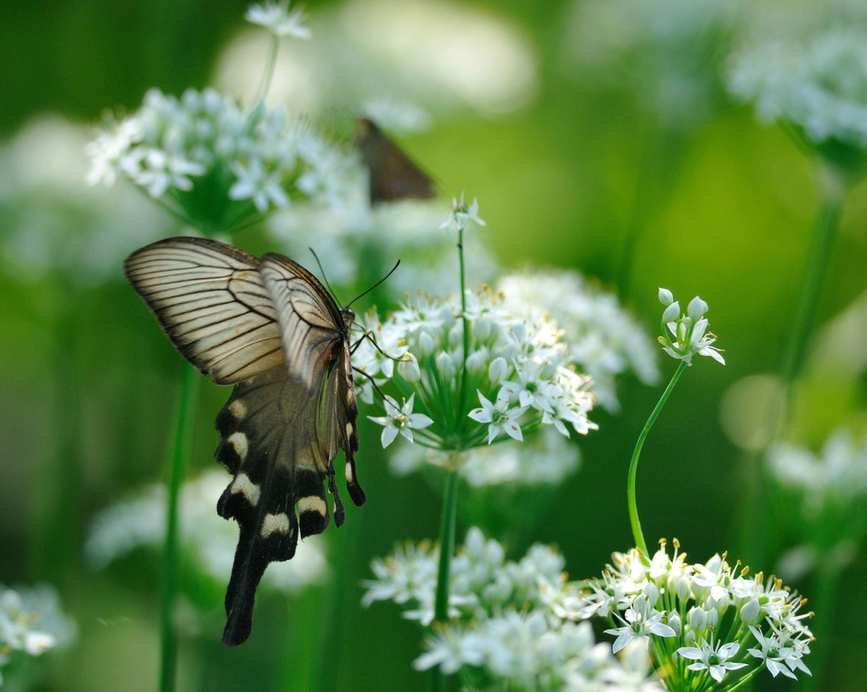
A unique member of the scented herb family, garlic chives grow from bulbs rather than seeds.
'This herb features flat leaves and lovely white spherical flowers that bloom late summer to fall—later than most alliums,' Heather explains.
Garlic chives prefer moist, well-drained soil in sunny locations.
9. Dill – Anethum graveolens

Dill is an annual aromatic herb easily grown from seed.
'It has aromatic grey-green leaves with yellow flower clusters and a strong aniseed scent,' Heather describes.
Research how to grow dill beforehand. It prefers well-drained soil and sunny conditions, ideally planted in spring or fall in frost-free areas, according to Bonnie Plants.
10. Lemon Thyme – Thymus 'culinary lemon'
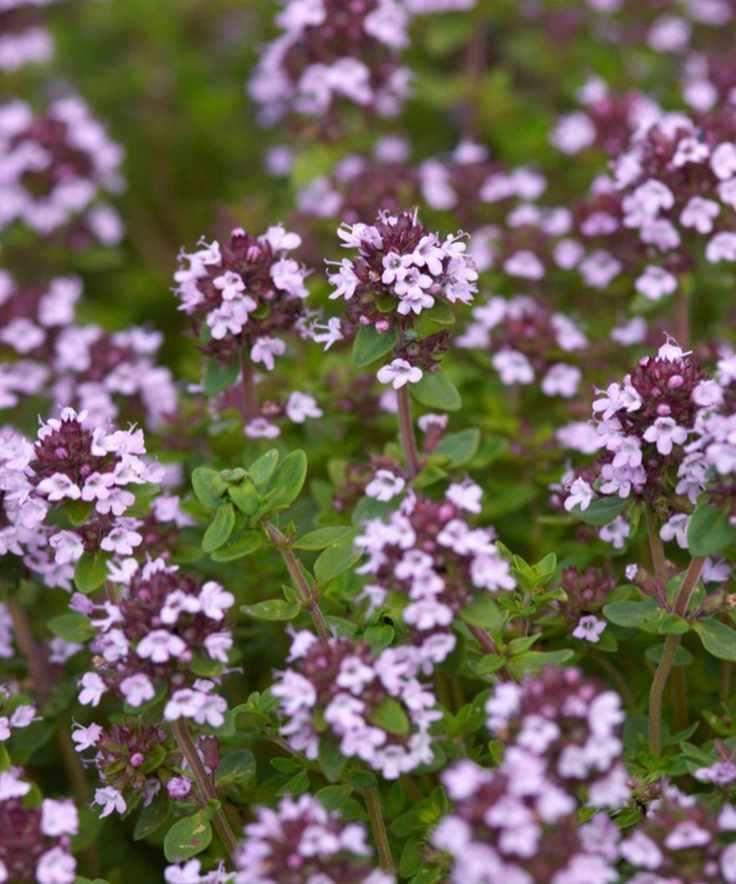
Lemon thyme, with its subtle lemon scent and lovely foliage, is a wonderful garden addition.
Easy to cultivate, this variety is 'fantastic for cooking, especially with fish, chicken, and vegetables,' notes Jekka McVicar. Not only does it appeal to humans, but it's also a magnet for bees and butterflies, drawn to its tiny flowers.
Lemon thyme works well as ground cover or along pathway edges.
Which Aromatic Herbs Are Most Fragrant?
Some of the most aromatic herbs listed above include rosemary, thyme, mint, lavender, and fennel.
For the best aromatic experience, strategically position these herbs in your garden to enjoy their scents while walking or relaxing outdoors.
Consider lining pathways with fragrant herbs or placing pots by your entrance for guests to appreciate their delightful aromas.
Which Scented Herbs Offer Beautiful Flowers?
Several aromatic herbs are also valued for their stunning blooms. Here are a few recommended by Flora Scott:
Red Bergamot (Monarda didyma) – boasts large red flowers with a spicy fragrance. The dried flowers add a beautiful maroon hue to potpourri.
Fennel Flowers (Foeniculum vulgare) – features vibrant yellow flower clusters that smell like aniseed. The seeds can be harvested and dried for culinary use.
Meadowsweet (Filipendula ulmaria) – showcases frothy, creamy white flowers with a sweet almond and honey aroma.
Pennyroyal (Mentha pulegium) – has tall spikes of fragrant mauve flowers arranged around the stem.
How to Dry Scented Herbs?
Perennial and shrubby herbs can be dried for year-round use.
Harvest sprigs in the morning, tie them in bunches, and hang them upside down in a dry, ventilated area for a few days to dry completely. Store dried herbs in labeled glass jars.
'For drying lavender, pick it just before the flowers open, as fully opened flowers will drop off,' advises Jekka McVicar.



