
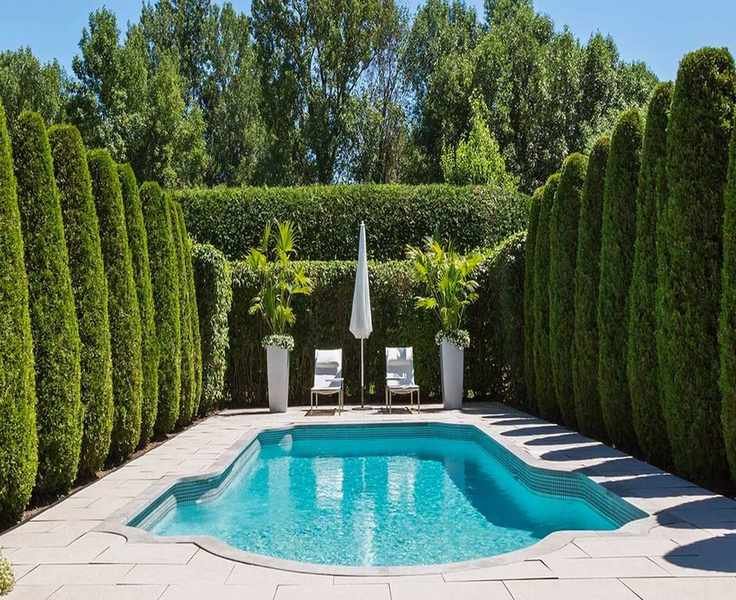
As summer reaches its peak, it's essential to know how to clean your pool tiles effectively, as they can quickly accumulate dirt and grime.
While stained pool tiles indicate a well-used and loved pool, they can also signal that your pool's water needs attention or that the chemical balance is off. Keeping your pool tiles clean is fundamental to understanding how to maintain your backyard swimming pool, and you can achieve this in just seven straightforward steps. We consulted experts for their insights.
How to Clean Your Pool Tiles and Recommended Frequency
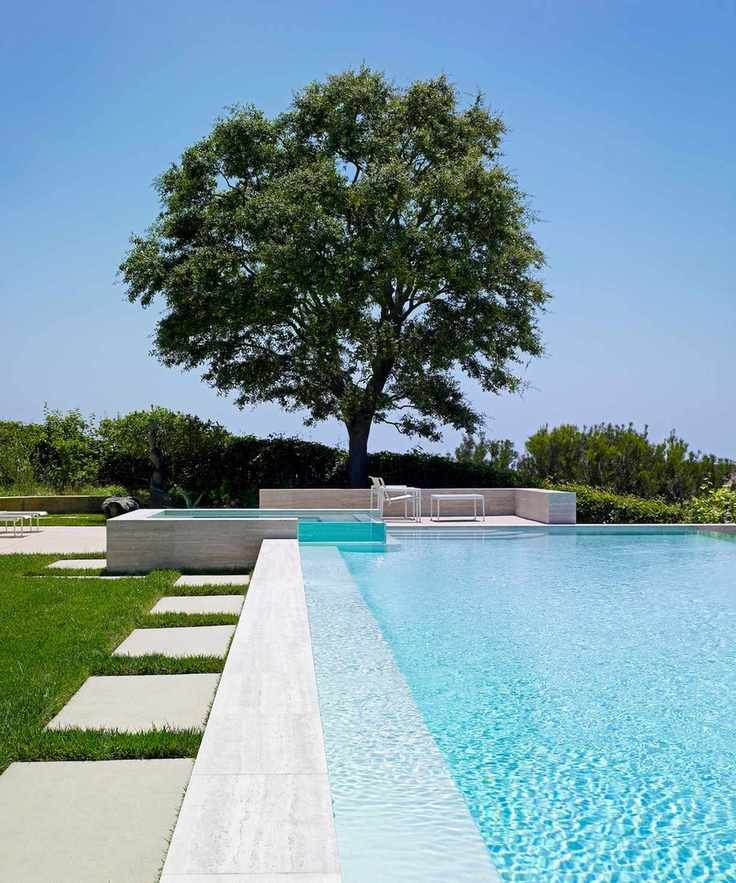
Pool tiles can easily become stained or dirty due to natural oils from your skin, sunscreen, mineral deposits, calcium buildup, and imbalances in pool chemicals. These substances stick to the tiles, dulling their shine.
The tiles at the waterline tend to show stains first, so it's wise to address any discoloration promptly. Regular cleaning of your pool tiles about once a month is advisable to avoid facing a more extensive cleaning challenge at the end of the season.
Cleaning pool tiles can take anywhere from one hour to half a day, depending on your pool's size, the condition of the tiles, and if you also need to clean grout. Consider the type of tiles in your pool to select the most suitable cleaning method.
1. Clear Debris from the Pool
Before tackling your pool tiles, the first step is to clear out debris using a pool net. Remove leaves, grass, insects, and any dead algae. If you lack a specialized pool net, we recommend the Professional Pool Nets for Cleaning available at Walmart.
For a more efficient approach, consider using a pool vacuum. An automatic pool vacuum can save you time and effort, allowing you to keep your pool clean with minimal effort. Regular use can help prevent stains from building up on your pool tiles.
Here are some additional recommended products:
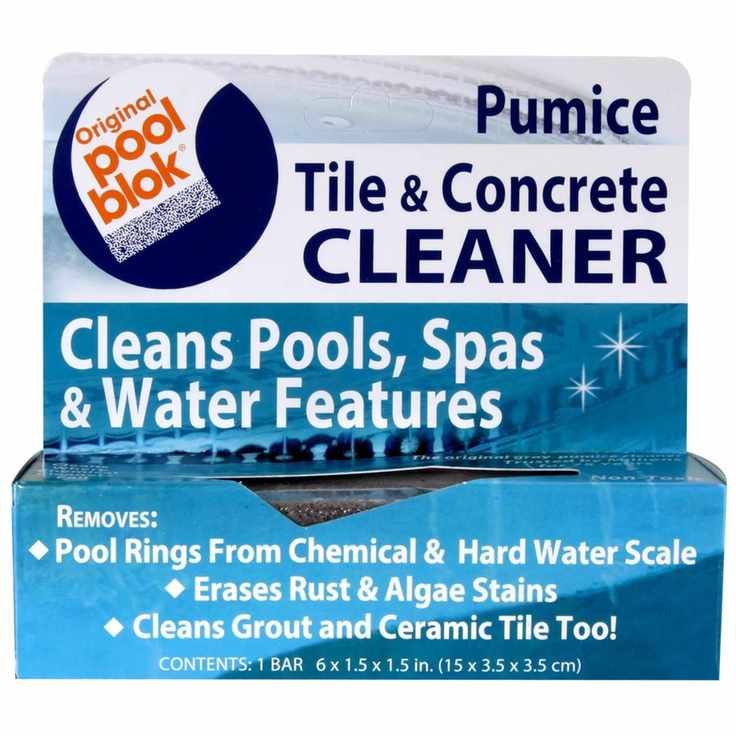
$6.97
This tile and concrete cleaner is effective at removing pool rings caused by chemicals and water scales, providing a solid alternative to traditional chemical cleaners.
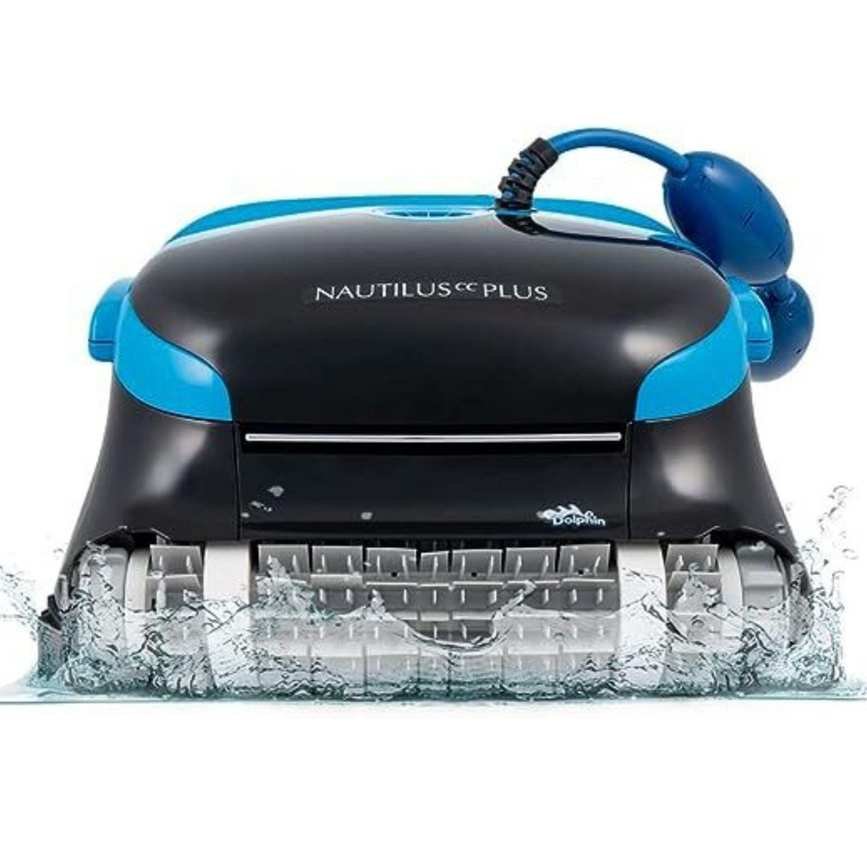
Was $899, now $799
This robotic vacuum operates for two hours, allowing you to clean the depths and sides of your pool efficiently.
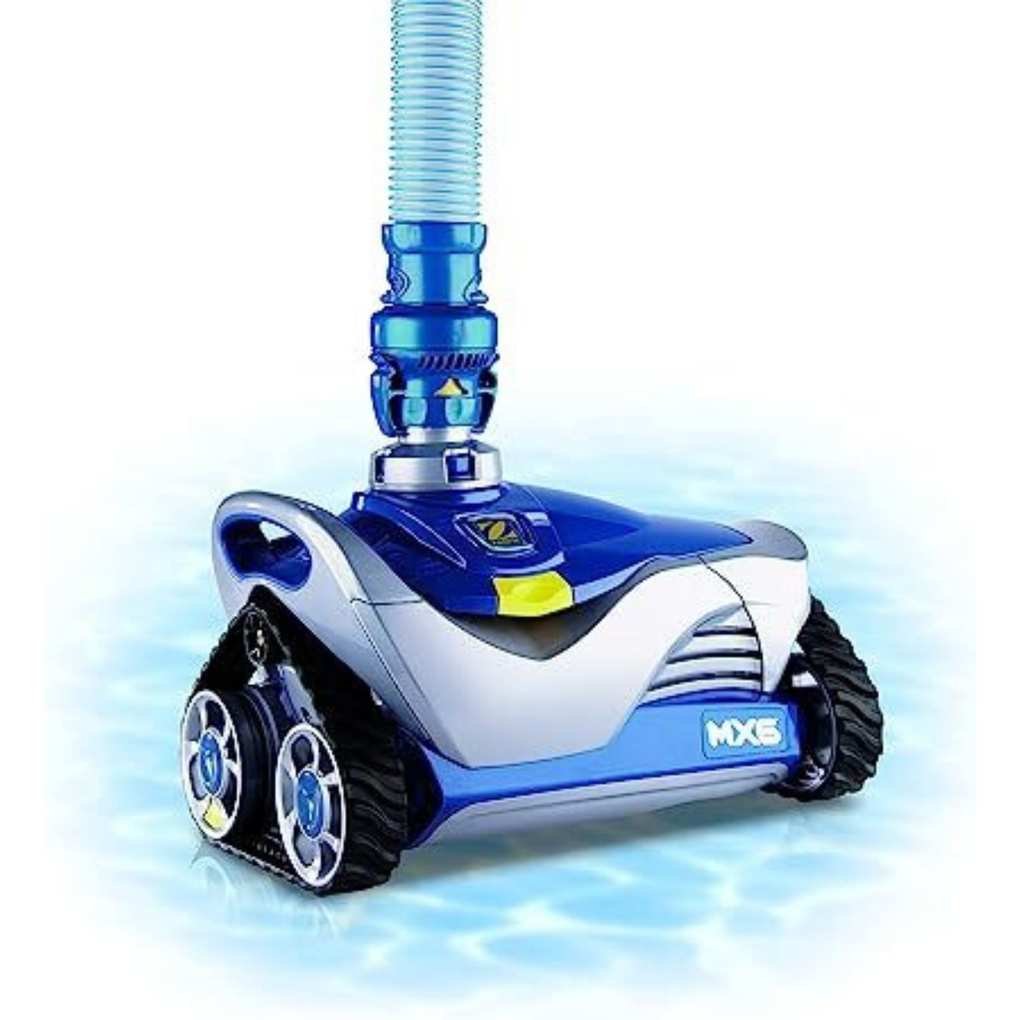
Was $499, now $349
The MX6 Elite is a compact yet powerful pool cleaner that scrubs fine debris while providing excellent vacuuming for thorough cleaning.
2. Lower the Pool's Waterline
Cleaning the waterline tiles is crucial since they are prominently visible and can suffer permanent damage from calcium buildup if not regularly addressed. When water evaporates, it leaves calcium deposits that can harm the tiles.
To effectively clean the waterline tiles, you should lower the pool's water level to allow easy access. You can use a pool pump or a garden hose to achieve this without wasting water, as you can direct the drained water to your lawn in some cases.
If you use a submersible pool pump, simply attach a drain hose, place it in the pool, and plug it in to start draining. Alternatively, if your filter has a multiport valve, such as the Multiport Valve, AquaPro AL50, 4-Way from Walmart, you can lower the waterline through its drainage port.
Hubert Miles, a certified pool and spa inspector, notes, 'You do not need to drain your pool completely for routine tile cleaning. Just lowering the water level below the tile line is adequate.'

Hubert Miles is a certified pool and spa inspector and the owner of Home Inspector Insider, covering various counties.
3. Start Scrubbing
Once you've lowered the waterline, grab a brush with stiff bristles and start scrubbing!
A sturdy brush is necessary to tackle dirt and stains on your pool tiles. However, be cautious not to damage the tiles by scrubbing too hard. Use a circular motion to minimize the risk of scratches, especially on glass tiles. A specially designed pool tile cleaning brush, like this top-rated option from Amazon, can deliver great results while protecting your tiles.
4. Utilize a Pumice Stone
A pumice stone is a lightweight cleaning tool that can simplify the tile cleaning process.
Hubert Miles advises, 'Pumice stones effectively remove mineral deposits and calcium buildup from pool tiles. They are perfect for targeting stubborn stains but should be handled with care to avoid scratching the tiles.'
The In The Swim Pumice Cleaning Stone from Walmart can be used with a brush without damaging tiles, but always test in a small area first and avoid using it on delicate surfaces like fiberglass or vinyl.
5. Use Water Pressure
If you're concerned about scratching tiles with a brush or pumice stone, consider using a pressure washer. This alternative allows you to clean your pool tiles efficiently without manual scrubbing.
Millie Hurst, a cleaning expert, suggests that the Westinghouse ePX3100 Electric Pressure Washer is a top choice on Amazon. It enables you to clean pool tiles efficiently from a distance. Start with a low setting to test a small area first. If it causes any harm, reconsider this method; otherwise, proceed with confidence!
A pressure washer can also be invaluable for an end-of-season clean.

Millie Hurst is a cleaning expert who offers practical advice and has tested numerous cleaning and DIY hacks.
6. Apply Cleaning Products
Using a tile cleaner is a seasonal solution for achieving clean pool tiles, ideally done when the pool is drained since the tiles need to be dry for the cleaner to work effectively. Follow the manufacturer's guidelines, which usually involve applying the cleaner, waiting a few minutes, scrubbing, and then rinsing.
This method is particularly useful at the beginning and end of the season, as draining the pool should only be a last resort.
Certified pool inspector Hubert Miles recommends, 'A mild pH-neutral cleaner designed for pool tiles will effectively remove common stains without disrupting the pool's water chemistry. Look for products specifically formulated for swimming pool tiles. One best seller on Amazon is Wipe Out 6012.
'Alternatively, a mixture of one part vinegar to three parts water can work well for mild stains, as the acetic acid in vinegar helps dissolve mineral deposits and grime,' adds Hubert.
7. Don't Forget to Rinse
The final step (unless you've already used a pressure washer) is to thoroughly rinse and wipe down the tiles to ensure all dirt is removed.
You might need to revisit the debris removal step, but an efficient pool filter will assist with this.
FAQs
How Can I Prevent Staining on My Pool Tiles?
Maintaining the right chemical balance in your pool is crucial for keeping your pool tiles clean. You may need to learn how to shock a pool, and regularly check the chemical levels with Swimming Pool Test Strips from Walmart.
Insufficient chlorine levels can lead to algae growth and harmful calcium buildup on your pool tiles, causing them to appear bleached. Proper chlorine levels will help keep your pool tiles cleaner for longer. The ideal pH range for pools is between 7 and 7.6.
A swimming pool serves not only as a refreshing retreat and a place for exercise and summer fun, but it also adds design value to your yard. Keeping it clean and inviting is essential for enhancing your outdoor space. Regular maintenance will save you on long-term costs while improving the hygiene of your pool water.



