
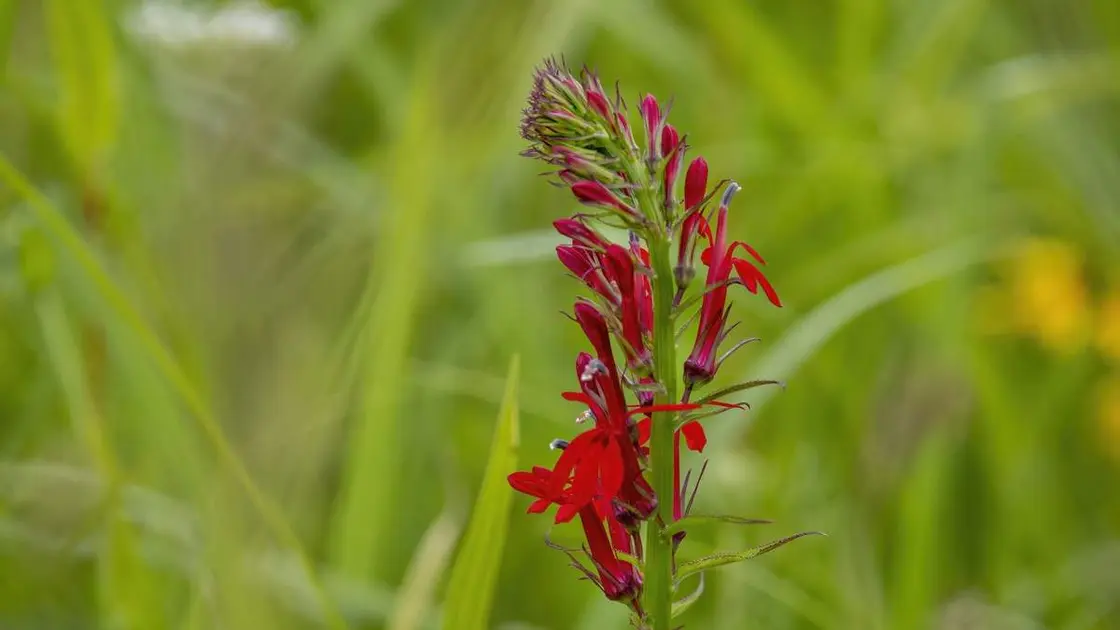
Cardinal flowers, Lobelia cardinalis, are beautiful perennials known for their striking crimson blooms. Originating from various regions in North, South, and Central America, they thrive in fertile, moist environments, often found along riverbanks, marshes, and woodland edges.
Celebrated for their vivid flower spikes, these plants are frequently regarded as some of the best perennials for gardeners aiming to incorporate native species that bring color and interest to their yards.
Although cardinal flowers are short-lived, typically lasting only 2 to 3 years, they are prolific self-seeders, producing numerous seeds that can sprout into future plants for your garden. Here, experts share their insights on how to cultivate cardinal flowers to enjoy their vibrant display throughout spring and summer.
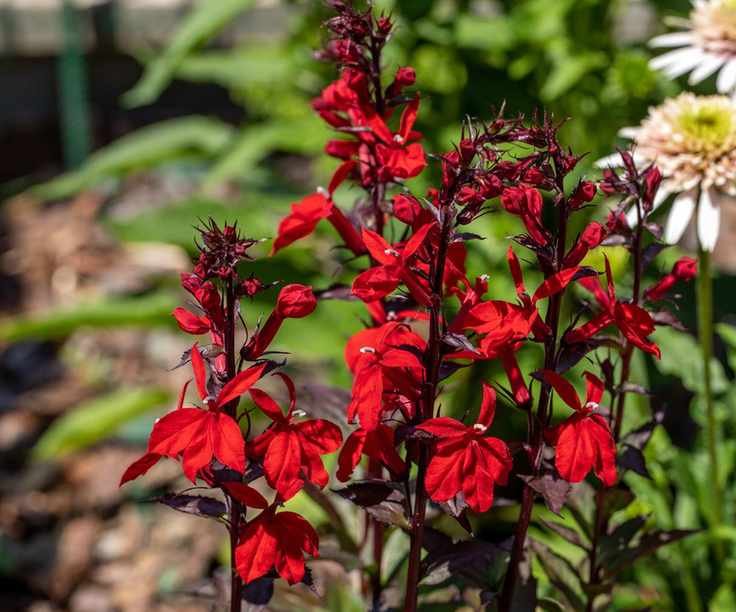
How to Cultivate Cardinal Flowers
Renowned for their vivid red blooms, cardinal flowers are not just loved by gardeners; they also attract beneficial pollinators like hummingbirds, bees, and butterflies. The open, two-lipped flowers invite these creatures to pause and feed. If you're looking for native perennials that support pollinators, cardinal flowers should be on your wish list.
Essential Information About Cardinal Flowers
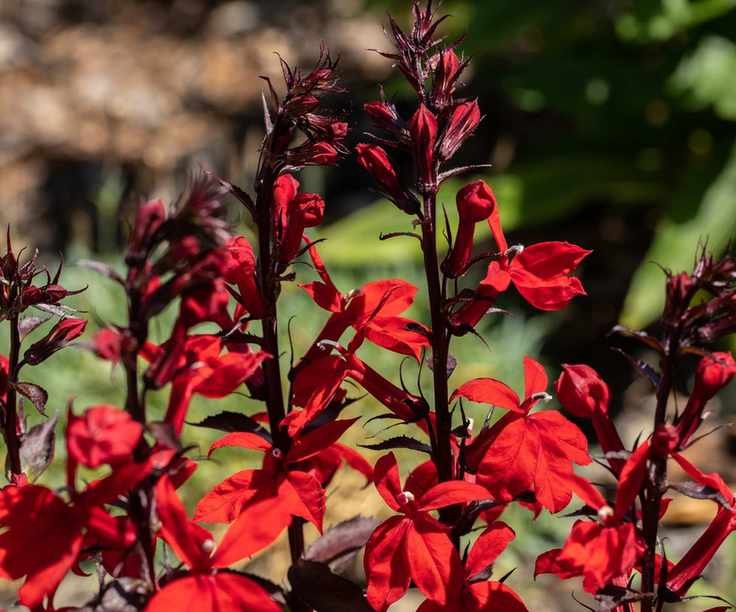
According to perennial plant expert Katie Sunderlage, "Cardinal flowers are a favorite among gardeners who aim to attract hummingbirds and butterflies. They are very hardy and can be grown in US hardiness zones ranging from 3 to 9."
These flowers are classified as part-shade perennials, thriving best with some sunlight each day. While they can grow in shady areas, fewer blooms may occur if they don't receive enough light.
Katie suggests, "In cooler regions, it's best to plant cardinal flowers in sunny locations, while warmer climates may benefit from planting them in shadier spots."
"It's crucial to keep the soil consistently moist for your perennials to flourish," Katie emphasizes. "If the soil dries out, your cardinal flowers may fail to bloom."
She also notes, "Cardinal flowers tend to be resistant to pests and diseases, which is a common characteristic of native species." So, if you're looking for a low-maintenance perennial, cardinal flowers might be the ideal addition to your garden.

Operations Manager at Holland Group, Katie oversees the customer service department and purchasing. With a degree in Horticulture earned in 2008, she has worked in various garden centers and sales roles, sharing her passion for plants.
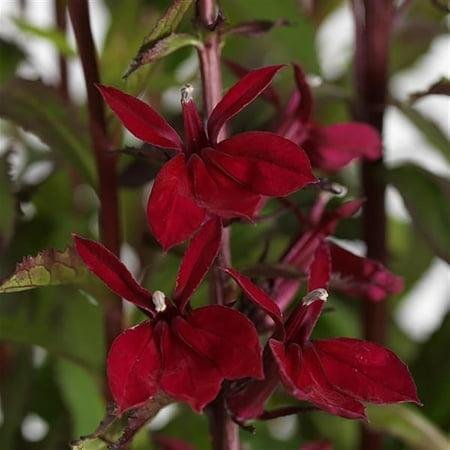
This plant dazzles in your garden with its impressive spires of crimson flowers standing tall on dark stems. A vigorous perennial, it will provide visual interest year after year.
Tips for Growing Cardinal Flowers
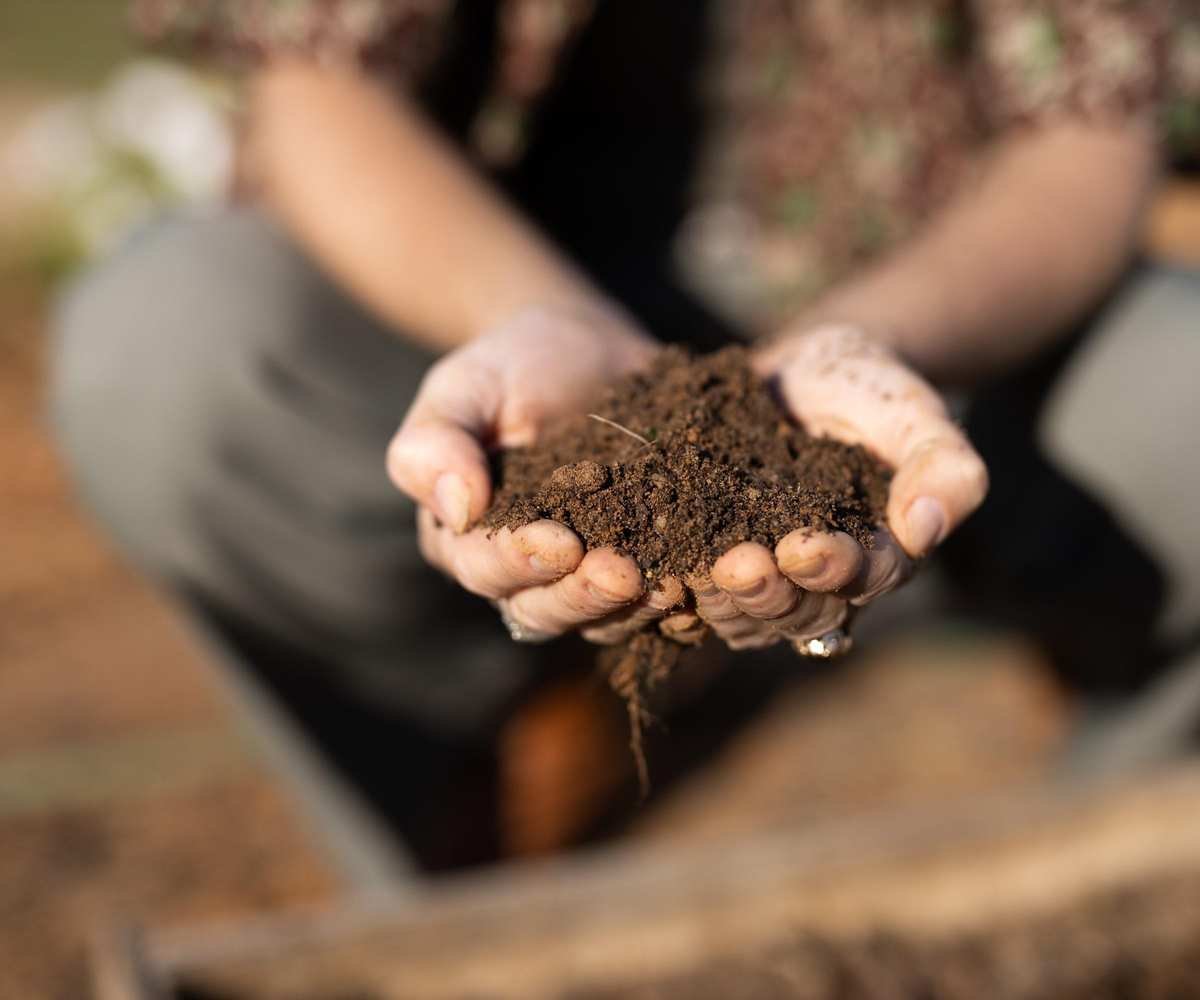
- Soil: "Maintaining evenly moist soil is essential for promoting blooms," Katie advises. "If the surrounding soil dries out, your plants may struggle to flower." To enhance soil health, consider mulching around your perennials to retain moisture. Organic mulch can be found in garden centers or online, such as this organic mulch from Amazon.
- Light: Cardinal flowers thrive in partial shade, preferring locations with moderate sunlight while being shielded from the harshest afternoon heat. "While they can tolerate shaded areas," Katie adds, "the blooms may be fewer in darker spots."
- Watering: These flowers flourish in moisture-retentive soil, typically found in wet areas like stream banks or rain gardens. "They thrive in damp soil and appreciate high humidity," Katie notes. Regular watering is crucial for newly planted perennials in their first months to help them establish strong roots; once mature, they will generally obtain sufficient moisture from the soil.
- Fertilizing: "Cardinal flowers typically do not require fertilization throughout the year," Katie explains. "I recommend applying organic matter or compost to your borders annually to enhance soil quality. Doing this in late winter will give the plants a boost as they emerge from dormancy."
- Deadheading: "Removing spent blooms periodically keeps the plants looking tidy," Katie advises. "Regular deadheading can encourage more blooms, but ensure to leave some flower stems to produce seeds." Since cardinal flowers are self-seeding, it's wise to leave a few stems for seed production to maintain a continuous supply of new plants in your garden.
- Planting: "The optimal time to plant cardinal flowers is in spring," Katie suggests. "They can be grown from seed, bare root, or as established starter plants. If planting seeds or bare roots, starting them indoors early in spring is advisable to allow a robust root system to develop before transferring them outdoors."
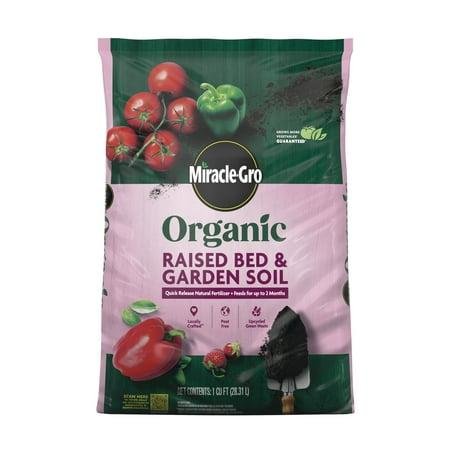
This Miracle-Gro organic soil is peat-free and contains a quick-release natural fertilizer, supporting plant growth for up to two months.
Common Questions
Can You Grow Cardinal Flowers in Containers?
Although it is possible to grow cardinal flowers in pots, it's generally not recommended. These perennials prefer consistently damp soil, which can be challenging to maintain in containers, especially during summer. Instead, consider growing other perennials that thrive in pots, such as astrantia or echinacea.
Learning how to grow cardinal flowers is an excellent way to introduce native plants into your garden. With their captivating red blooms, your borders will burst with color and attract a variety of pollinators. For additional ideas on red flowering plants, check out our guide on how to grow a bottlebrush plant.



