Baking soda is more than just a baking ingredient; it's a versatile cleaner and deodorizer that works wonders around the home.
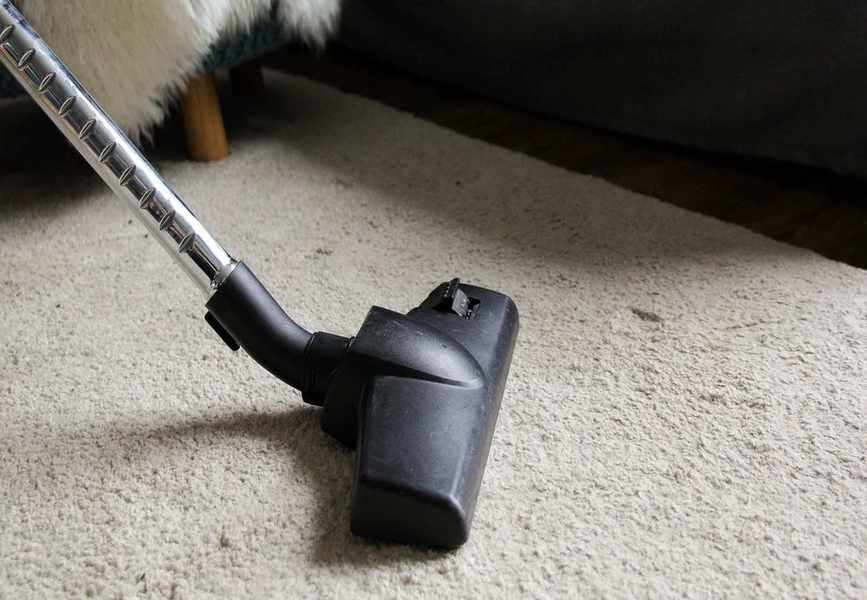
A popular cleaning hack involves spreading baking soda on carpets or upholstery and then vacuuming it up to eliminate odors and provide a deeper clean.
But can vacuuming up baking soda actually harm your vacuum cleaner? Since high-quality vacuums can be a significant investment, it's understandable to be cautious about potential damage.
Is it Safe to Vacuum Baking Soda?
Elizabeth Shields, an Operations Manager with extensive experience in cleaning, shares her insights on using baking soda and its effects on vacuum cleaners.
'Having worked in the cleaning industry for years, I've frequently used baking soda in my routines. It's affordable and highly effective at neutralizing odors! Throughout this time, I've never had an issue with my vacuum cleaners getting damaged from it,' Elizabeth explains.
While there are surfaces you should avoid cleaning with baking soda due to its sodium bicarbonate content, vacuum cleaners are generally quite robust, which explains why many don't suffer damage from it.
That said, some users have reported damage to their vacuum's inner components from baking soda. As sodium bicarbonate is a salt, it can act as an oxidizer, posing a risk to metal parts if left unchecked.
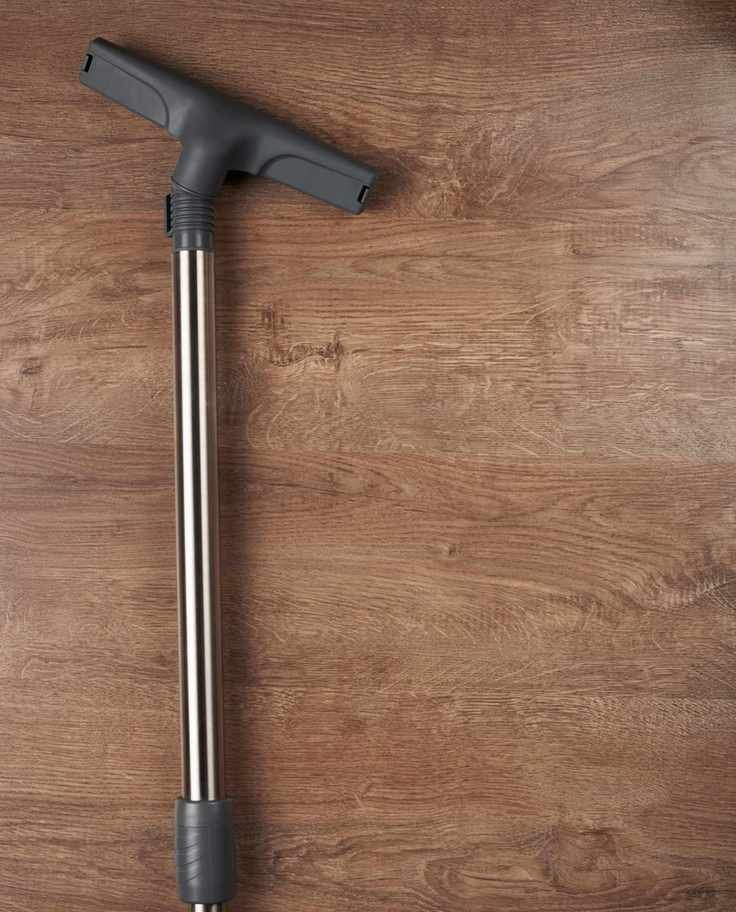
Reports suggest that baking soda can clog vacuum filters. On platforms like Reddit and Vacuumland, users have described instances where baking soda became trapped in filters, reducing suction power. This issue is common with many fine powders that can infiltrate vacuum filter pores.
It's important to note that many of these discussions date back several years, with some going as far back as 2015. Since then, vacuum cleaners have improved significantly, and many of the top models today are designed to effectively capture fine particles.
Vacuums equipped with HEPA filters are specifically designed to handle tiny particles, including the various debris that collects on our floors. Elizabeth explains her lack of vacuum damage experiences:
'Perhaps I've been lucky, or maybe it's due to my vacuums having HEPA filters that trap small particles like baking soda dust. These filters have multiple layers of fine fibers that create a barrier for microscopic debris.'
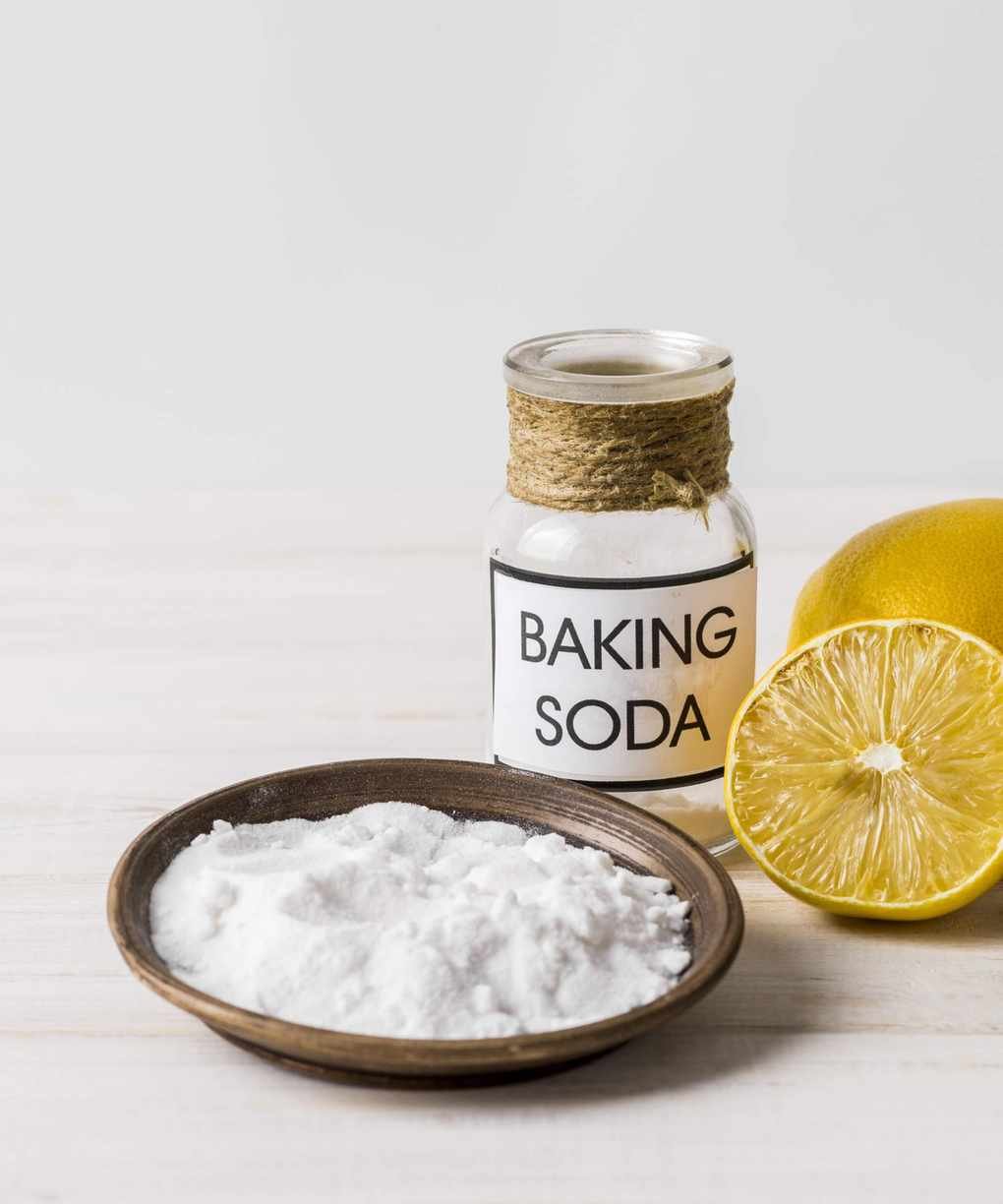
HEPA filters can capture at least 99.97% of particles as small as 0.3 microns. Many HEPA-equipped vacuums, such as the Shark Stratos Cordless, feature washable HEPA filters that you can clean regularly to prevent any build-up from fine particles.
Shark Stratos Cordless Vacuum | $349.99 from Shark
The Shark Stratos Cordless is an excellent choice for vacuuming up baking soda. Its washable HEPA filter, which many vacuums lack, can be cleaned regularly to prevent long-term damage to metal components or clogging.
We have reviewed several Shark products, including the Shark Stratos Upright, and consistently find that they excel at picking up fine particles.
Even vacuums without washable filters can be maintained to avoid particle build-up. Knowing how to clean a vacuum filter for any type is essential to prevent baking soda from settling in the pores and potentially harming metal parts over time.
Using baking soda sparingly and maintaining the filter regularly is the best approach to minimize damage. While many users report no adverse effects, there are also accounts of damage occurring from its use.
If you're concerned that your vacuum may not be powerful enough, it might be wise to avoid using baking soda altogether. Instead, refer to your manufacturer's recommendations on safe cleaning products.
Baking soda is a useful option for cleaning and deodorizing carpets, but how often should you vacuum carpet? It's best to do it regularly to prevent dirt and dust accumulation. Alternatively, the best robot vacuums can significantly ease your cleaning workload, giving you more time for other activities.