

Are you on the lookout for ways to cultivate spicier peppers to elevate your culinary creations? If you've ever been let down by the heat of your homegrown chilies at harvest time, there are several strategies you can employ to amp up their spiciness.
The spiciness of peppers is primarily determined by their capsaicin content, the compound responsible for the heat sensation. The way you grow your chili plants and their environment can significantly influence capsaicin production, thereby affecting the overall heat of the peppers.
To achieve hotter peppers, enhancing capsaicin accumulation is essential. Let's explore four effective methods, along with insights from experts on how to increase the heat of your chili harvest.
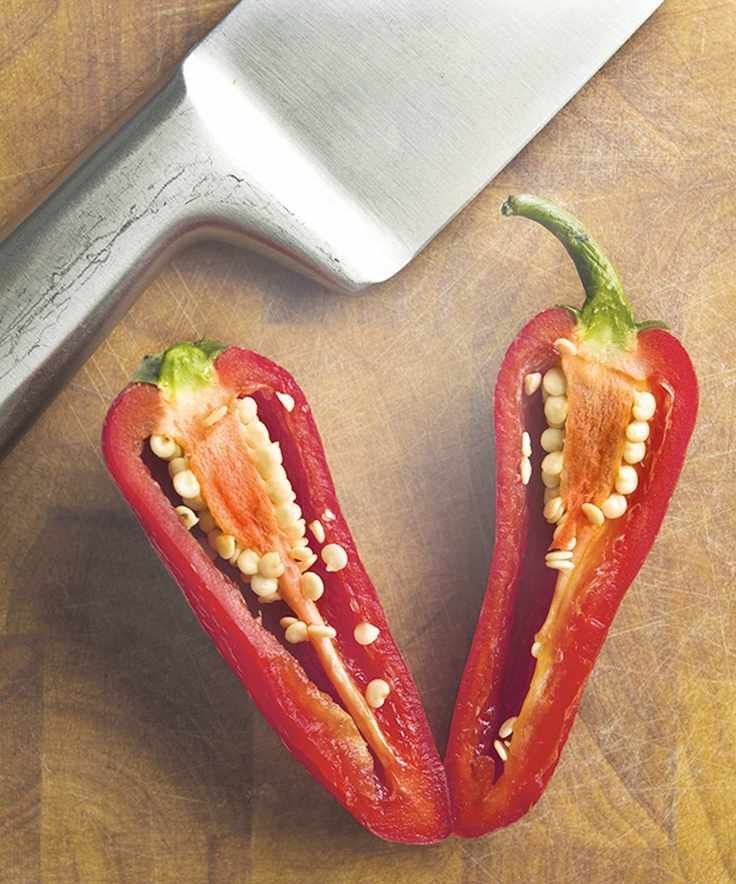
Capsaicin is primarily found in the flesh of the pepper, which houses the seeds.
4 Techniques for Growing Spicier Chili Peppers
With hundreds of chili pepper varieties available for home cultivation, their heat levels can vary dramatically. Some range from mild to the extraordinarily hot 'Pepper X,' which recently earned the Guinness World Record for the hottest chili at nearly 2.7 million Scoville Heat Units, surpassing the Carolina Reaper after holding that title for a decade.
To grow the hottest peppers, start with a spicy variety when selecting and ordering seeds for your garden. The heat levels are genetically predetermined, but there are techniques to maximize their potential.
Find Hot Chili Pepper Varieties
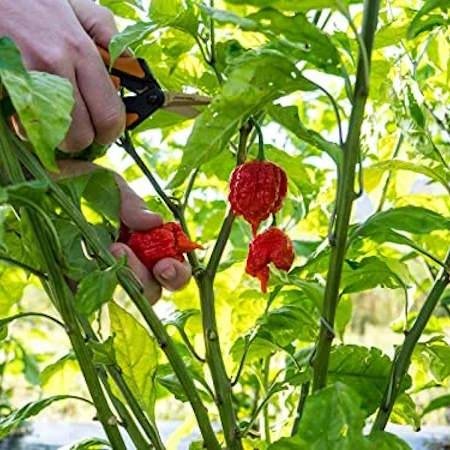
The Carolina Reaper is a well-known superhot pepper originally from South Carolina, boasting an average heat level of 1,569,300 Scoville Heat Units.
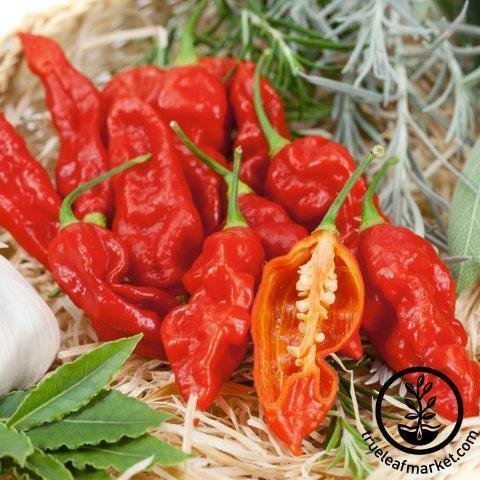
The Wicked Ghost F1 is a hybrid of the renowned Ghost pepper, producing red pointed peppers measuring 2.5 inches that exceed 800,000 on the Scoville scale.
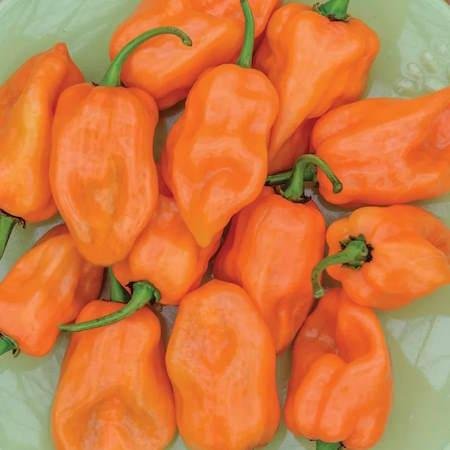
Originating from the Caribbean Islands and moving to Central America, the Habanero is closely related to the Jamaican Scotch Bonnet. This pepper's searing heat is complemented by its rich, smoky flavor.
1. Allow Peppers to Fully Ripen
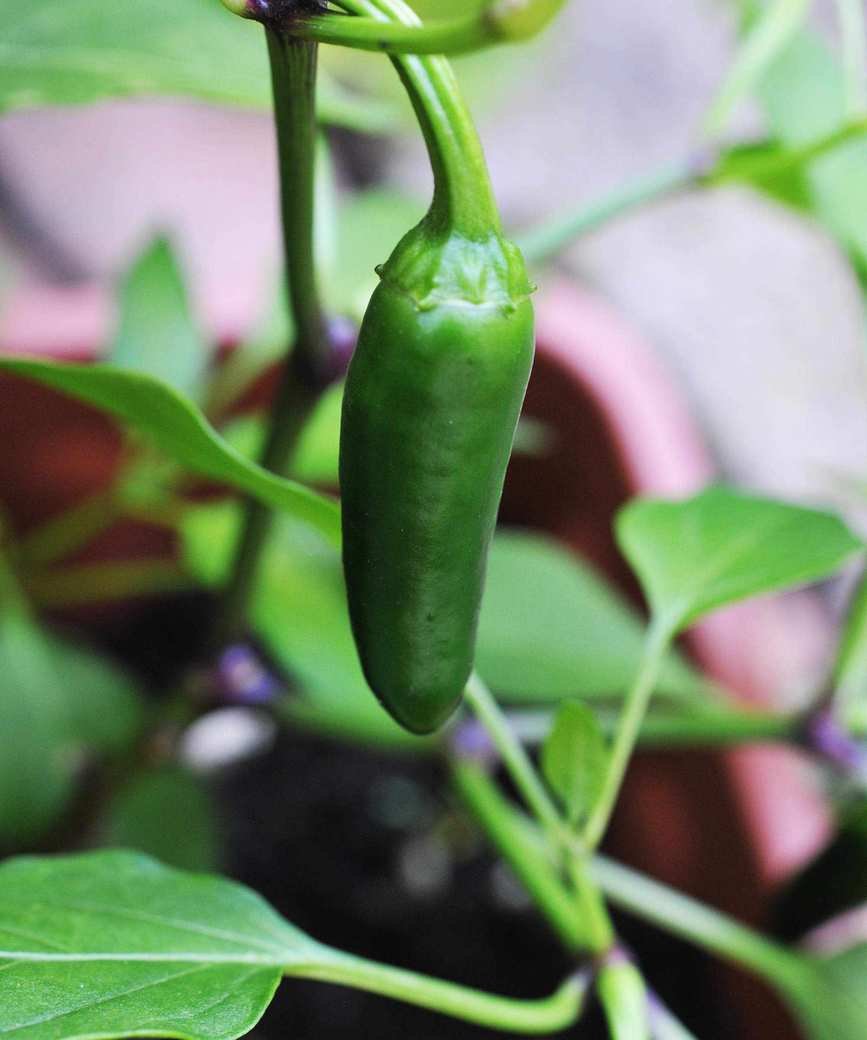
The color of a pepper can indicate its maturity and heat level.
Chili peppers require a lengthy growing season, and if you desire hotter fruits, patience is key. Starting seeds indoors early can help your plants gain a head start, and the longer they grow, the hotter they can become.
According to Charmaine Peters, the farm director at Arden, "To enhance the spiciness of your peppers, allow the fruit to completely ripen on the plant."
Although peppers can be picked as soon as they reach a harvestable size, their color and heat intensify if left to mature fully on the plant. This is because capsaicin levels rise as peppers ripen. Exercising restraint and allowing peppers to stay on the plant longer will yield spicier results.
Common advice suggests harvesting chili peppers while they are still immature to encourage the production of more fruits and extend the harvesting period. However, if you're aiming for more heat, you may need to sacrifice quantity for spice.
When deciding when to harvest jalapeno or cayenne peppers, it often boils down to personal preference—do you prioritize quantity or spiciness?

Charmaine Peters serves as the Farm Director at Arden, a community in South Florida that integrates agriculture and residential living. She is an accomplished farmer dedicated to promoting health, nutrition, and supporting local communities with organic produce.
2. Apply Stress to Your Plants

Hotter chili pepper varieties can vary in shape.
While it may seem counterintuitive, intentionally stressing your plants can actually result in hotter peppers.
One way to induce stress is by reducing watering after the pods have formed, which typically occurs a week or two post-flowering, and by allowing the plant to experience somewhat drier conditions.
As noted by Crystal Provenzano, general manager at Eden Brothers, "The amount of water a pepper plant receives influences its capsaicin production, the compound that delivers heat. Lesser amounts of water lead to increased capsaicin levels, resulting in spicier, more flavorful peppers."
However, it's important to note that while this approach can enhance heat, it may also yield fewer fruits due to the additional stress on the plant.

Crystal is a passionate gardener and the General Manager at Eden Brothers. She started in customer service but has evolved into a gardening expert, excelling in nurturing everything from vegetables to wildflowers.
3. Provide Extra Heat Indoors

Chili peppers achieve maximum heat when ripened fully on the plant.
Chili peppers thrive on ample sunlight and warmth to develop their spiciness. For growers situated in cooler US hardiness zones, utilizing a greenhouse or polytunnel can provide the necessary warmth for optimal growth.
A lack of adequate light and heat can hinder fruit maturation, and mature peppers are crucial for achieving higher capsaicin levels. Chili peppers are particularly suited for greenhouse cultivation, where they can benefit from the added warmth and produce impressive yields.
If you reside in warmer regions, ensure your chili plants receive 6-8 hours of direct sunlight and maintain temperatures consistently between 70-80°F.
4. Limit Nitrogen Fertilization

Spicy peppers add both heat and flavor to numerous dishes.
Chili peppers generally benefit from fertilization during planting and while developing fruit. While they can utilize nitrogen in their early growth stages, excessive nitrogen during fruit development can be detrimental.
High-nitrogen fertilizers promote rapid plant growth and lush foliage, but this can come at the cost of reduced flower and fruit production. For optimal flavor and capsaicin content, it's essential that fruits have ample time to mature on the vine. Switch to fertilizers higher in phosphorus and potassium once flowering begins to encourage fruiting.
On the other hand, withholding fertilizer altogether can also be a method to stress the plant, potentially resulting in spicier chilies. However, this approach may yield a smaller harvest due to the plant's struggle to thrive and produce fruit.
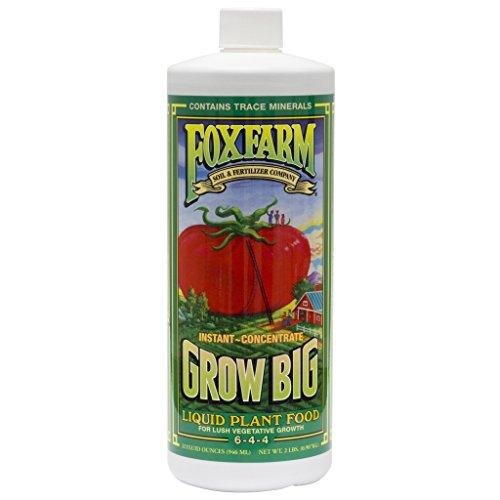
Grow Big is an organic concentrated fertilizer offering a balanced mix of essential nutrients.
FAQs
Why don't my homegrown peppers have heat?
A lack of heat in your peppers can stem from insufficient light, heat, water, or nutrients, which are essential for full maturation. Cross-pollination can also lead to milder peppers. Planting different hot and sweet pepper varieties too closely may result in cross-pollination that diminishes the heat of the fruits.
If you're cultivating jalapeno, serrano, or other hot pepper varieties, consider experimenting with the techniques discussed above to enhance their spiciness. Try implementing some methods on a few plants to compare outcomes, allowing you to enjoy both abundant yields and intensified heat from your harvest.



