
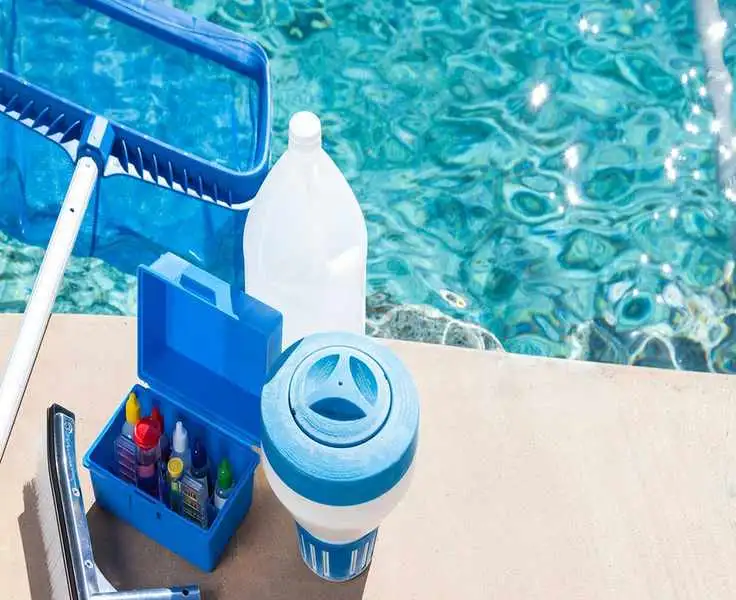
A swimming pool can be a wonderful addition to your backyard, offering a refreshing escape during hot weather. However, it demands consistent care to ensure it remains safe and inviting. Neglecting pool maintenance can lead to unsafe swimming conditions, putting your loved ones at risk. A pool filled with algae or murky water is certainly not appealing.
To maximize your enjoyment of your backyard oasis, keeping it in excellent shape is essential. While the process involves a few key steps, the effort is well worth it.
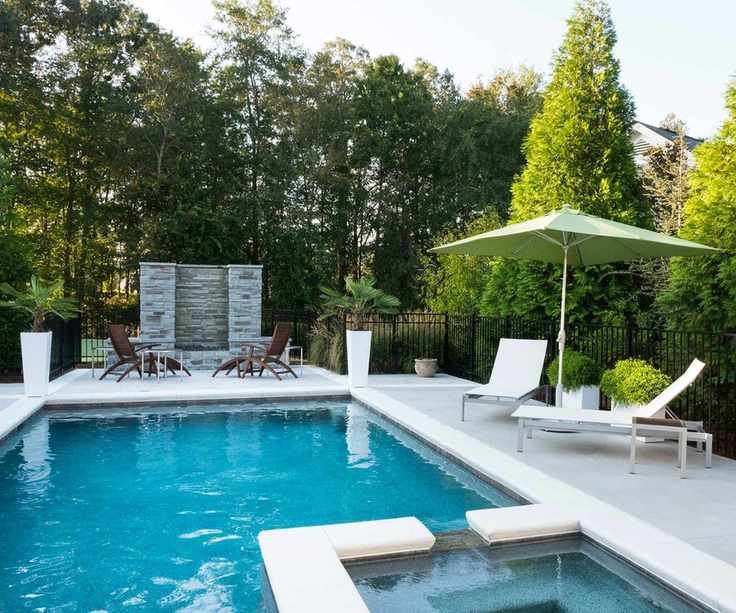
Maintain a sparkling clean pool
Three Key Steps for Effective Pool Maintenance
According to Alicia Toedter from a leading pool supplies company, there are three crucial elements to pool care: chemistry, circulation, and cleaning. This guide will walk you through each of these important aspects.

Alicia serves as the Education and Content Leader at a prominent pool and spa care brand in the United States. Over the past five years, she has focused on educating homeowners about safe pool enjoyment through engaging written and video content.
1. Balance the Water Chemistry
To keep your pool water clean and safe, apply a daily sanitizer and shock the pool weekly after testing the water. Alicia emphasizes the importance of regularly testing the water.
"During swimming season, you should test the pool water at least once a week, depending on usage, and address any issues as soon as they arise," she advises. Testing kits are readily available on Amazon, such as Easytest's 7-way pool testing strips.
It's vital to monitor various factors in your pool water.
Among these are Free Available Chlorine (FAC) and Total Available Chlorine (TAC) levels. FAC indicates the chlorine available for sanitizing and disinfecting the water. Clay Spann, a water-testing expert, points out, "A pool lacking sufficient FAC is susceptible to germs and algae, while excess FAC can lead to skin and eye irritation." TAC represents the total amount of chlorine compounds present in the water. "A significant difference between your TAC and FAC levels often indicates that it's time to shock the pool," he adds.
"Aim to maintain the chlorine level between 1 and 3 ppm," advises Thomas Reesbeck from a pool-maintenance equipment company. "Chlorine tabs with built-in stabilizers are popular as they last longer by resisting breakdown from sunlight."

Thomas is the head of technical product management at a leading company specializing in robotic pool vacuums. With a master's degree in mechanical engineering, he helps create innovative vacuums that simplify pool maintenance.
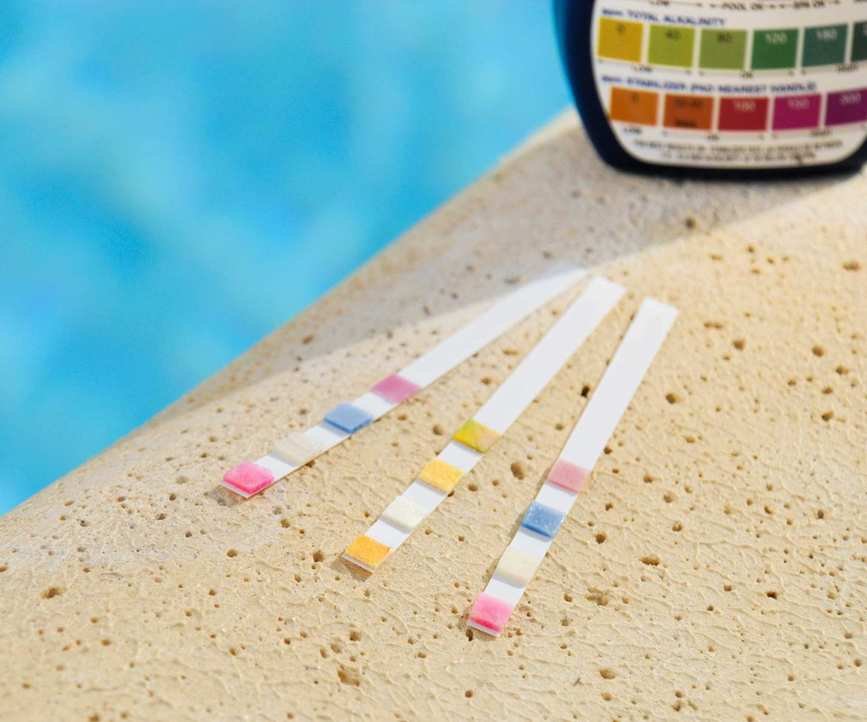
Regularly testing your pool's chemical balance is essential
Next, monitor the pH level to determine the water's acidity. Ideally, keep it between 7.4 and 7.6. Clay notes, "High pH can reduce chlorine effectiveness and lead to scale buildup and cloudy water, while low pH can cause rapid chlorine loss and corrode pool surfaces and equipment." Unbalanced pH can also cause skin and eye irritation.
You should also check for Total Alkalinity, which helps stabilize pH levels against sudden changes.
Other important factors to monitor include calcium hardness, cyanuric acid (which prevents chlorine degradation by UV rays), levels of iron or copper (which can stain), phosphates (which promote algae growth), and total dissolved solids (TDS), which comprise minerals, salts, and metals. Clay explains that excessive TDS can reduce chlorine's effectiveness.
Once you've analyzed your pool water and understand its chemistry, it's time to balance and sanitize. Alicia emphasizes that balancing is key to ensuring your sanitizer functions effectively and preventing damage to the pool.
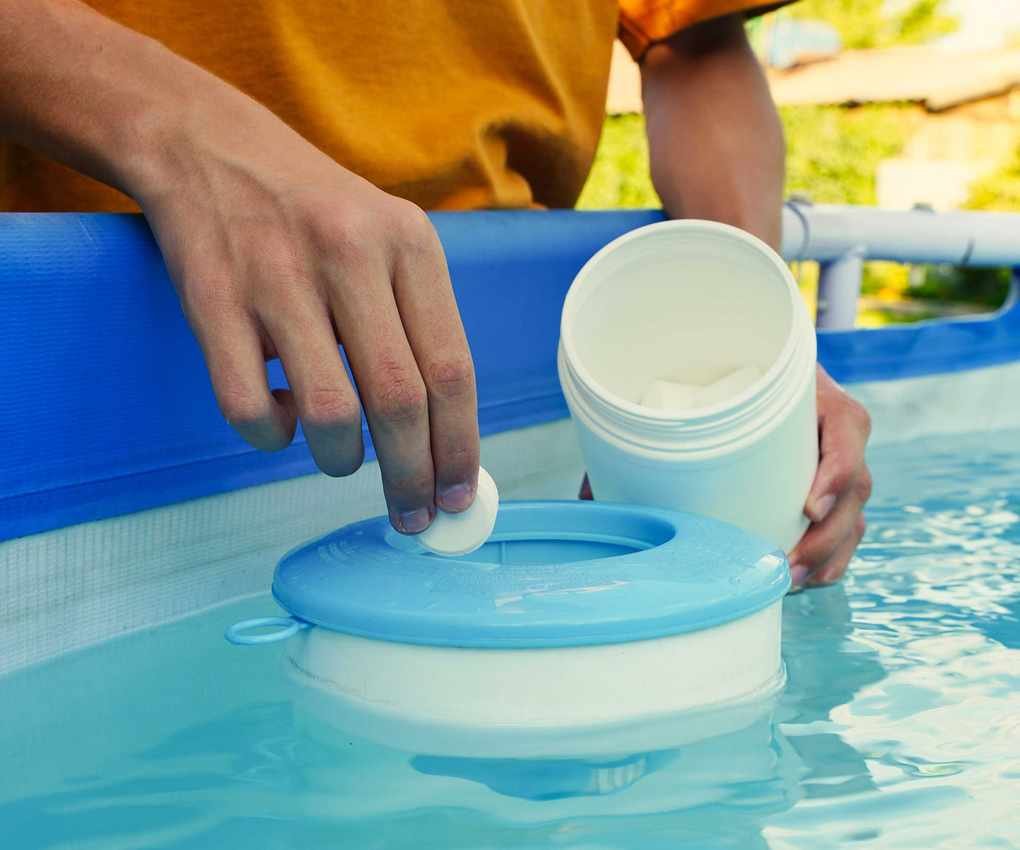
Chlorine keeps your pool water sanitized
2. Ensure Proper Water Circulation
The next step is ensuring proper circulation by running the pool pump, according to Alicia. This process filters out debris and contaminants while evenly distributing chemicals throughout the water.
Alicia points out that many pool owners fail to run their pumps long enough. "Warmer weather necessitates increased circulation, so adjust your pool timer settings as temperatures change," she says.
She suggests running the pump for at least one hour per day for every 10°F of air temperature when using a single-speed pump. "Variable-speed pumps should operate longer at lower speeds; many owners run theirs for 12 hours or more daily."
To maintain proper filtration, ensure your filter remains clean. "There are three main types of pool filters: cartridge, diatomaceous earth (DE), and sand," Alicia explains. "Typically, clean the filter when the pressure gauge reads 8-10 PSI above the clean starting pressure or follow the manufacturer's recommendations."
"Sand and DE filters require backwashing, while cartridge filters need manual cleaning with a hose. As filter media ages, its filtration capacity diminishes, so replace sand, cartridges, or grids when necessary to maintain optimal performance."
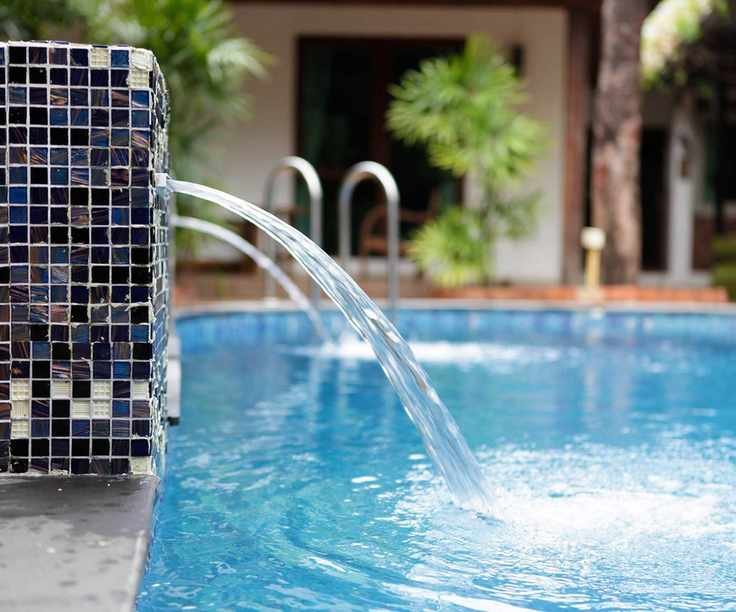
Proper pool maintenance ensures safety for swimmers
Additionally, check and clean any debris caught in the pump strainer and skimmer baskets to enhance water circulation.
Alicia recommends inspecting your pump strainer and skimmer baskets weekly and emptying them as needed. "If you observe any cracks or damages to the basket, replace it immediately," she cautions. "Even a small crack can allow debris to bypass under pressure, causing hidden clogs in your pool's plumbing."
3. Maintain Cleanliness
Alicia emphasizes that the final step is cleaning. This prevents algae growth, organic stains, and scale buildup, while also reducing chlorine usage by minimizing debris.
A few tasks are involved in cleaning. Use a pool net, like the Mowend Swimming Pool Skimmer from Amazon to regularly remove leaves and pollen from the water. Brush the pool's sides and bottom at least once a week to dislodge dirt and algae spores, improving filtration efficiency.
Additionally, vacuum the pool once a week or whenever there's a significant amount of debris, such as after a pool party or heavy storm, Thomas adds.
"An automatic pool cleaner can greatly reduce your weekly cleaning time by removing debris and scrubbing surfaces, but manual cleaning—such as skimming and brushing—remains essential," Alicia advises.
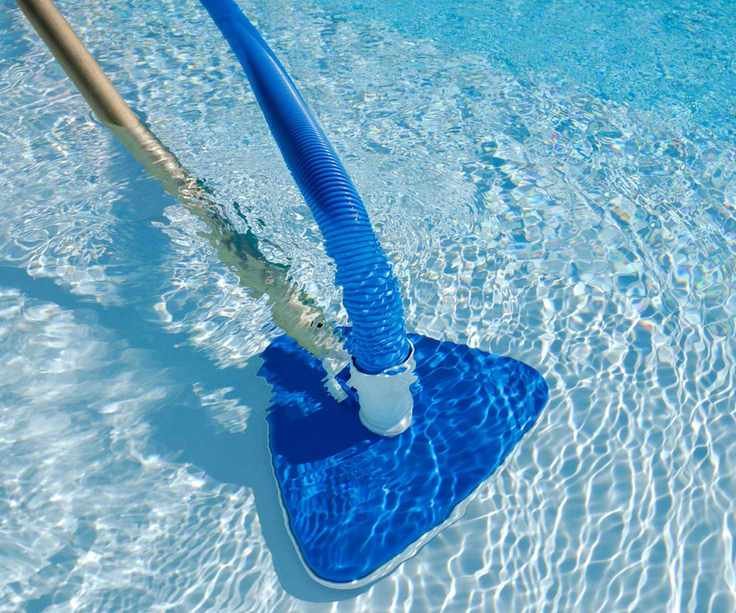
A pool vacuum effectively removes debris
Frequently Asked Questions
Why does my pool have a strong chlorine smell?
Clay Spann explains, "A strong chlorine odor indicates insufficient Free Available Chlorine in the pool. That odor is actually chloramines, which form when inactive chlorine reacts with ammonia molecules."
"Chloramines are ineffective as disinfectants and can irritate the eyes and respiratory system. Thus, that strong smell serves as a reminder to test your water's chlorine levels to ensure proper sanitation," he warns.
My pool water appears clear; can I swim safely?
Unfortunately, clear water doesn't guarantee safety. Clay warns, "A pool can look spotless, yet imbalanced water can pose health risks while swimming."
Proper disinfection is essential to eliminate harmful pathogens that could be present. "Regular testing is necessary to ascertain water chemistry and chlorine levels; otherwise, you won't know if your pool is safe to swim in," he stresses.
Even small pools, like plunge pools, require diligent maintenance. Hot tubs also need regular cleaning. Maintaining them not only benefits your health but also saves money in the long run.
Neglecting maintenance can lead to costly issues like algae blooms, Clay warns. Additionally, unbalanced water can damage the pool and its equipment, potentially voiding warranties.
With these essential maintenance tips in mind, you can also declutter your pool items after summer to keep your backyard tidy in the fall.



