
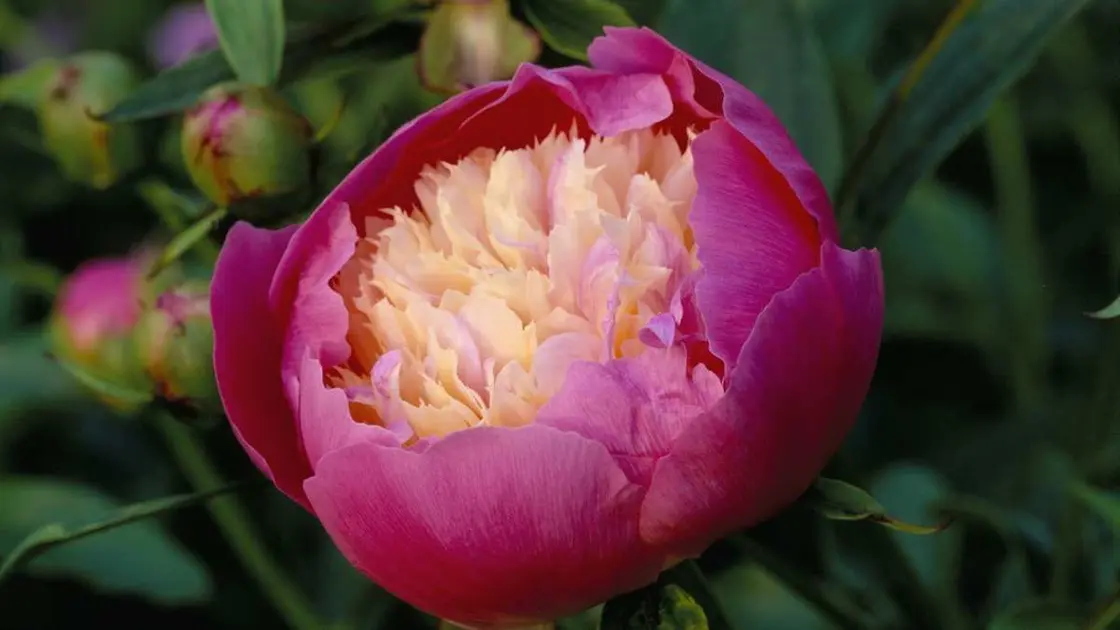
Peonies rank among the most beloved flowering plants, cherished for their lush, romantic blossoms that grace gardens from late spring to early summer. These flowers boast a wide spectrum of colors, from delicate pinks to rich mauves, with blooms that can reach up to 6 inches in diameter — a true showstopper.
However, like any flowering plant, peonies are vulnerable to a range of pests and diseases that can negatively affect their blooming and overall health. Common culprits include aphids, slugs, and spider mites, but there are also specific challenges unique to peonies that gardeners should be aware of.
Whether you're an experienced gardener familiar with peonies or a newcomer eager to learn how to cultivate these stunning blooms, recognizing and addressing peony pests and issues is essential for a successful gardening experience. Here, we offer insights and practical advice from gardening professionals.
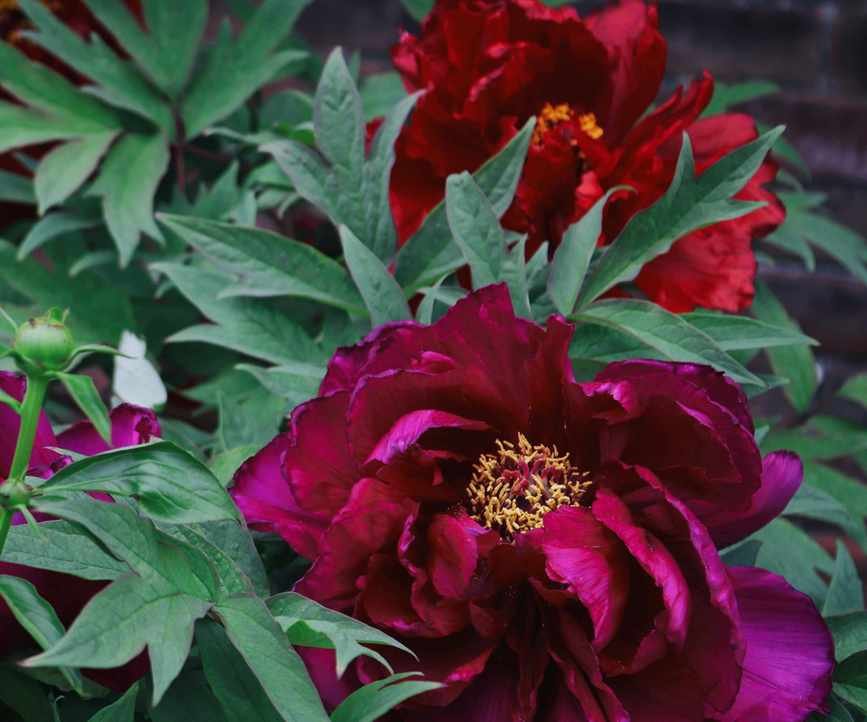
Peony flowers can measure up to 6 inches in diameter, blooming in a variety of colors
Common Peony Pests and Problems
Recognizing and addressing peony pests and problems is crucial to maintaining the health of these beautiful plants, which are known for their impressive cup-shaped flowers that capture attention each spring.
Gardeners who can identify the following common pests and diseases are better equipped to prevent and quickly tackle any issues, ensuring their peony plants flourish.
Understanding Peony Wilt
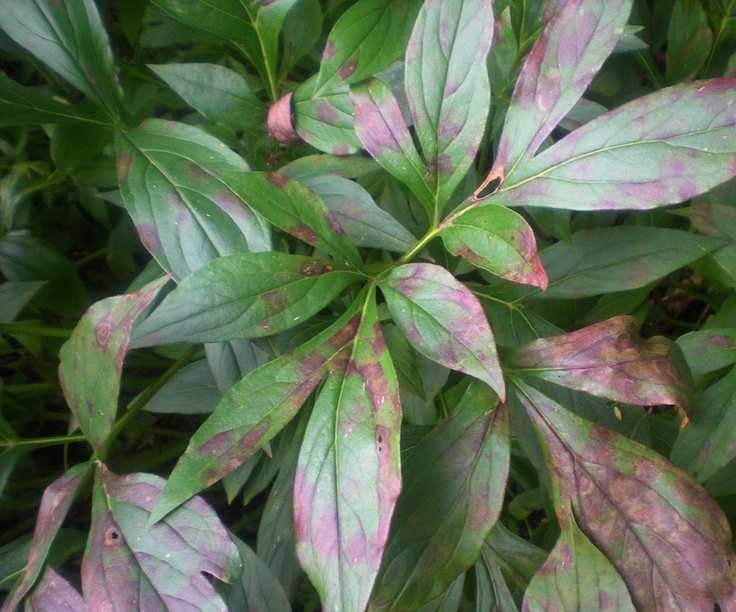
The first signs of peony wilt are brown or black spots that appear on the foliage of your plant
Peony wilt is arguably the most frequently encountered problem among those who cultivate peonies. This condition is characterized by wilting leaves and drooping flower stems, caused by a fungal infection known as botrytis.
According to Kady Adelman, a peony specialist and Retail Manager at Adelman Peony Gardens in Oregon, "Botrytis is a type of gray mold that typically thrives in damp conditions."
Kady continues, "The initial signs of peony wilt are brown or black spots appearing on the leaves," as illustrated in the image above. "We recommend applying a treatment that is effective against black spot on rose plants." Organic rose sprays can be found at Walmart.
"Always follow the instructions on the product you choose," Kady advises, "to help slow down the disease's spread. If you spot any leaves or stems that are entirely brown or black, it's best to prune them off."
To effectively manage peony wilt, your efforts should focus on "removing diseased stems and foliage and preventing further issues," explains Reese Robbins, gardening expert and founder of Just Pure Gardening. Reese adds, "Remove any fallen leaves and debris surrounding your peony plants to minimize the spread of the disease."
For those wondering when to prune peonies, the optimal time is during the fall. At this point, "cut back the peony stems and also trim nearby plants to enhance air circulation," Reese suggests. This can help to limit the future spread of mold and disease.
Moreover, when dealing with infected green waste, it's vital to dispose of it properly. Composting this material is not advisable, as it can lead to further problems and potentially infect other plants in your garden.

Kady is a peony expert and retail manager for Adelman Peony Gardens, which cultivates a vast collection of peonies across a thirty-acre site in Brooks, near Salem, Oregon, within the picturesque Willamette Valley. Adelman boasts at least 500 named peonies thriving in their fields.

Reese L. Robbins is the creator of Just Pure Gardening, where you can find an array of guides on growing fruits and vegetables, as well as garden inspiration and product reviews.
Identifying Mealybugs
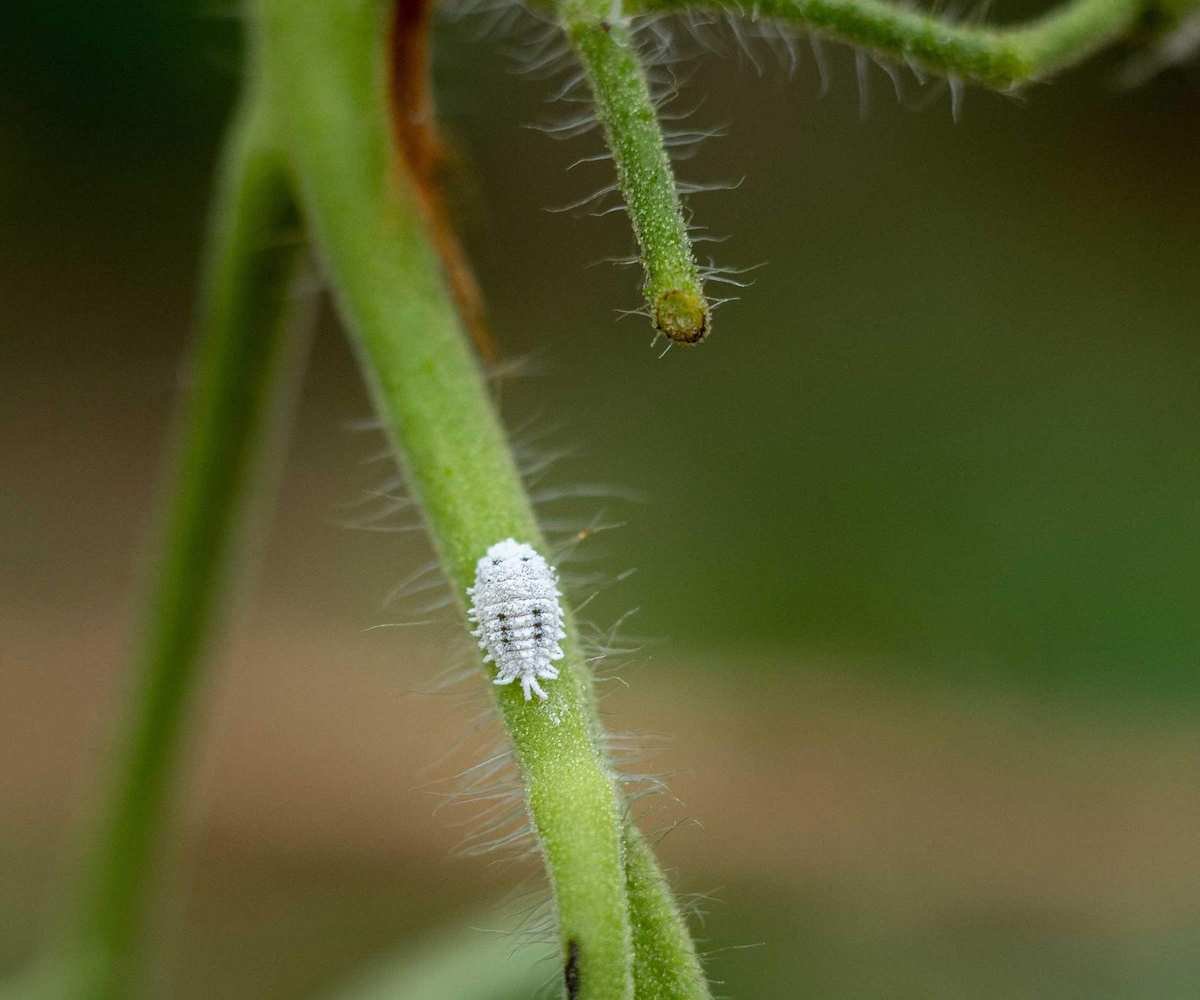
Mealybugs will appear on new, green growth, feeding on the foliage of plants
Mealybugs are tiny pests that can inflict considerable damage on your peony plants. Understanding how to manage mealybugs in your garden is essential for ensuring successful peony blooms.
These pests are usually found in large groups and are easily identifiable as they appear white against green foliage. Reese notes, "Mealybugs have a defense mechanism that produces a sticky white substance resembling cotton."
Reese recommends using an organic treatment. "Neem oil is a highly effective organic solution for tackling mealybugs," he states, "as it quickly eliminates them." You can find organic products like this neem oil solution at Walmart.
Managing Peony Mildew
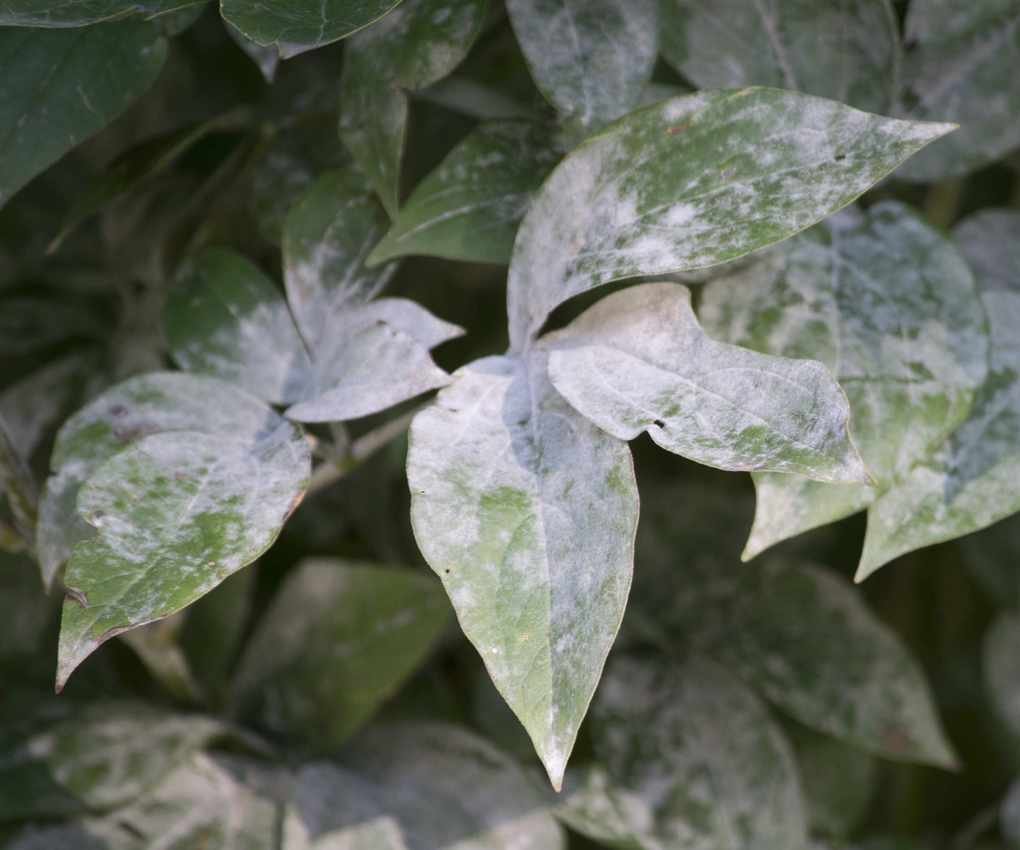
Peony mildew will appear like a white powder or dust on the foliage of plants
Mildew is a common concern for plants, especially in warm, humid climates. While it rarely poses a fatal threat to plants, it can be unsightly, and untreated mildew can hinder plant performance.
"Acting promptly is essential when dealing with mildew," Kady emphasizes. "At the first signs of mildew, apply a treatment designed for managing mildew on plants, like an organic fungicide spray."
Having faced mildew on peonies numerous times, I find it can detract from their beauty, yet it's generally not a significant concern. Mildew tends to thrive during the warmer months when humidity levels rise. While it may be unsightly, it's often a recurring issue that gardeners must accept. Thankfully, the abundance of blooms during summer directs our attention elsewhere.
"As with peony wilt, ensuring your plants receive adequate air circulation and sunlight is crucial," Kady adds. While it's tempting to fill our gardens with numerous plants, this can exacerbate the issue, so it may be beneficial to give your peonies a bit more room to breathe.
Understanding Ants on Peony Plants
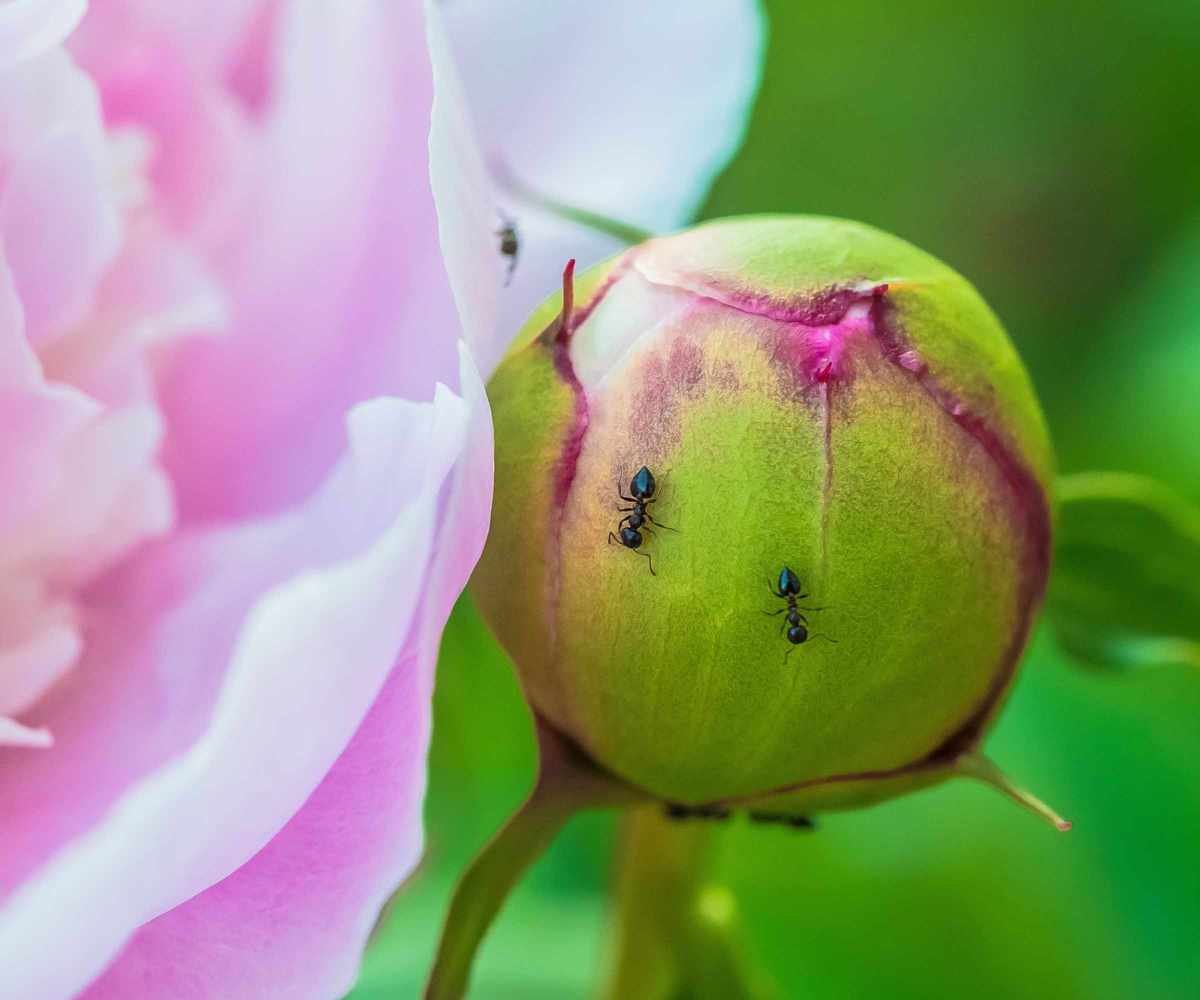
Ants are attracted to peony buds as they secrete a sugary sap just before blooming
Many gardeners often wonder why ants are drawn to peonies, particularly as they swarm the buds each spring. Kady addresses this, saying, "Contrary to popular belief, ants are not necessary for opening peony blooms — that's just an old wives' tale."
It's worth noting that ants pose little threat to peonies; once the buds bloom, the ants tend to disperse. Interestingly, ants can actually help control aphids and scale bugs, making their presence less of a concern. If the number of ants becomes bothersome, you can use an ant repellent available at local hardware or garden centers, or simply shake them off if you wish to bring the blooms indoors.
Products like diatomaceous earth can be effective in deterring ants and other insects from peony plants. Additionally, consider using spices to repel common garden pests; many gardeners recommend using cinnamon and cloves as natural deterrents.
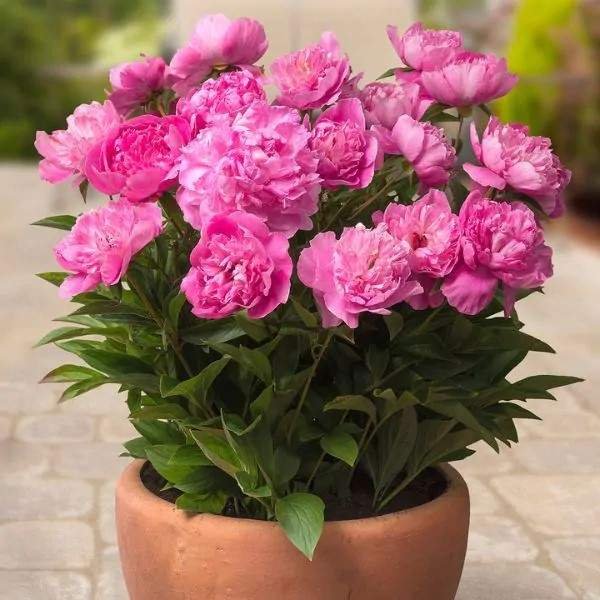
The Rome peony, Paeonia 'Rome', is a remarkable variety. It features a compact form compared to most peonies and is known for being easy to grow. This peony is perfect for those with limited garden space, such as small yards, terraces, or balconies, allowing them to enjoy stunning blooms with an incredible fragrance.
Addressing Drooping Peony Blooms
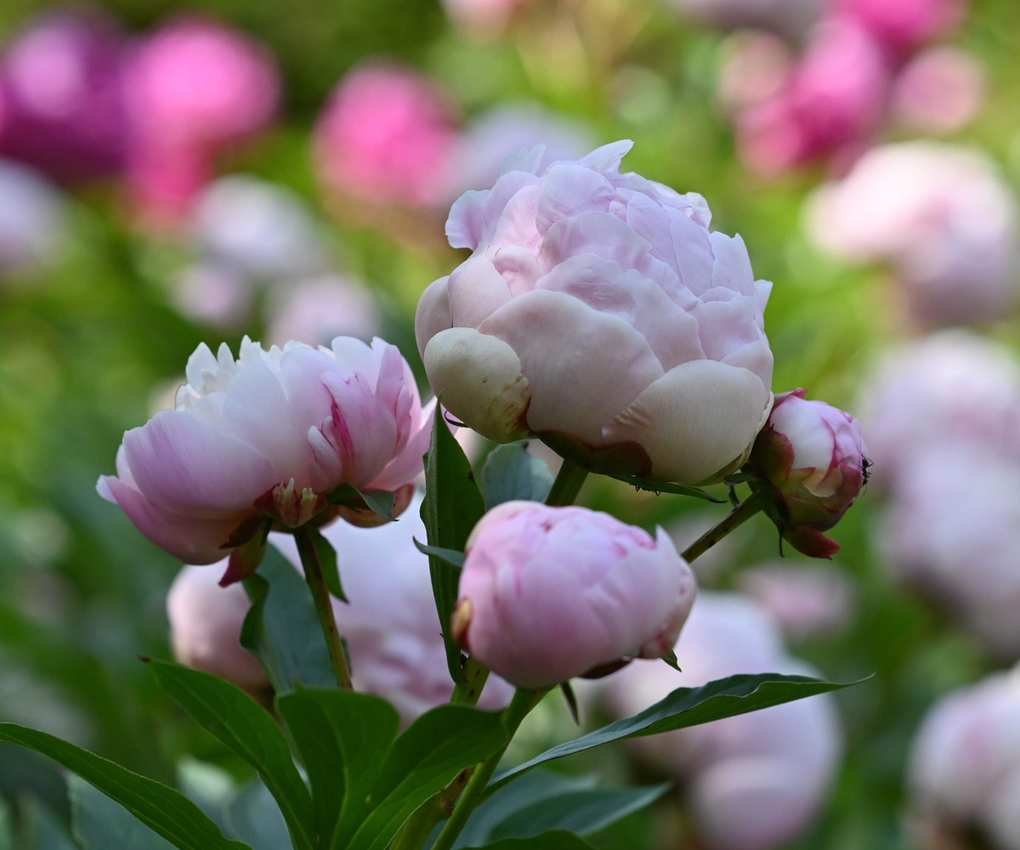
It is important to stake and support peony blooms, as large flowers can droop
Another issue to consider when growing peonies is the drooping of their large blooms, which can be alleviated by staking. Spring weather can often be unpredictable, with high winds and heavy rain posing a threat to these lovely flowers.
As Kady explains, "Peony blooms are quite heavy, and they become even heavier after rain as water accumulates between the petals." This is why providing support is beneficial. For those eager to take on a project, building hazel plant supports can add a natural and artisanal touch.
"There are many options for supporting plants, such as cages, sticks, or various types of supports," Kady suggests. "We prefer using bamboo and string, which can be discreetly tucked under the foliage, minimizing their visibility."
Frequently Asked Questions
What is the best treatment for peonies affected by mildew?
Mildew can be easily identified on peony plants, as it turns the leaves white or gray, similar to the image shown earlier. While it typically isn't fatal to the plant, it can be aesthetically displeasing, prompting gardeners to seek treatment. Utilizing an organic fungicide spray on the affected areas is recommended, repeating the application as necessary while adhering to the product instructions.
Being able to recognize and manage peony pests, problems, and diseases is vital, as prompt action can resolve many issues. Whenever possible, opt for organic and natural treatments for pest and disease control. For more tips on caring for peonies and growing advice, check out our guide on the best methods for deadheading peonies or how to cultivate a tree peony.



