
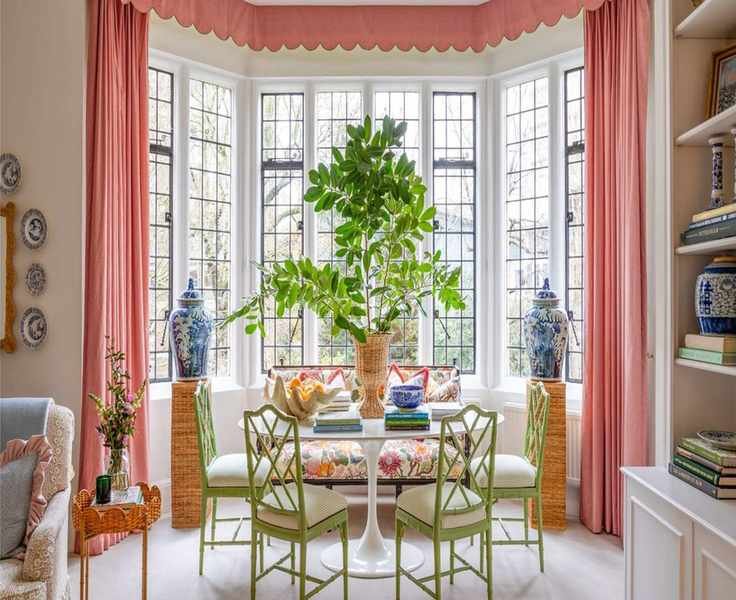
White paint is a versatile tool for any interior designer, often regarded as the ultimate neutral. While it seems like the perfect choice for any room, there are specific situations where painting a room white is not ideal.
When exploring room color ideas, you'll likely find stunning examples of white-painted spaces that exude timeless elegance. However, it's essential to remember that this aesthetic won't be achieved in every room; the right white can create a fresh, airy atmosphere, but in some contexts, it may feel stark, cold, or even clinical.
'White walls can serve as a timeless backdrop, but in certain scenarios, they can do more harm than good,' notes Jaime Zehner, a principal designer at JZ Interiors. 'A few years back, the trend for everything to be 'light and bright' led many spaces to feel bland and unremarkable.'
Below, we outline seven instances where it's better to steer clear of white paint, with insights from expert interior designers.
1. Rooms Lacking Natural Light
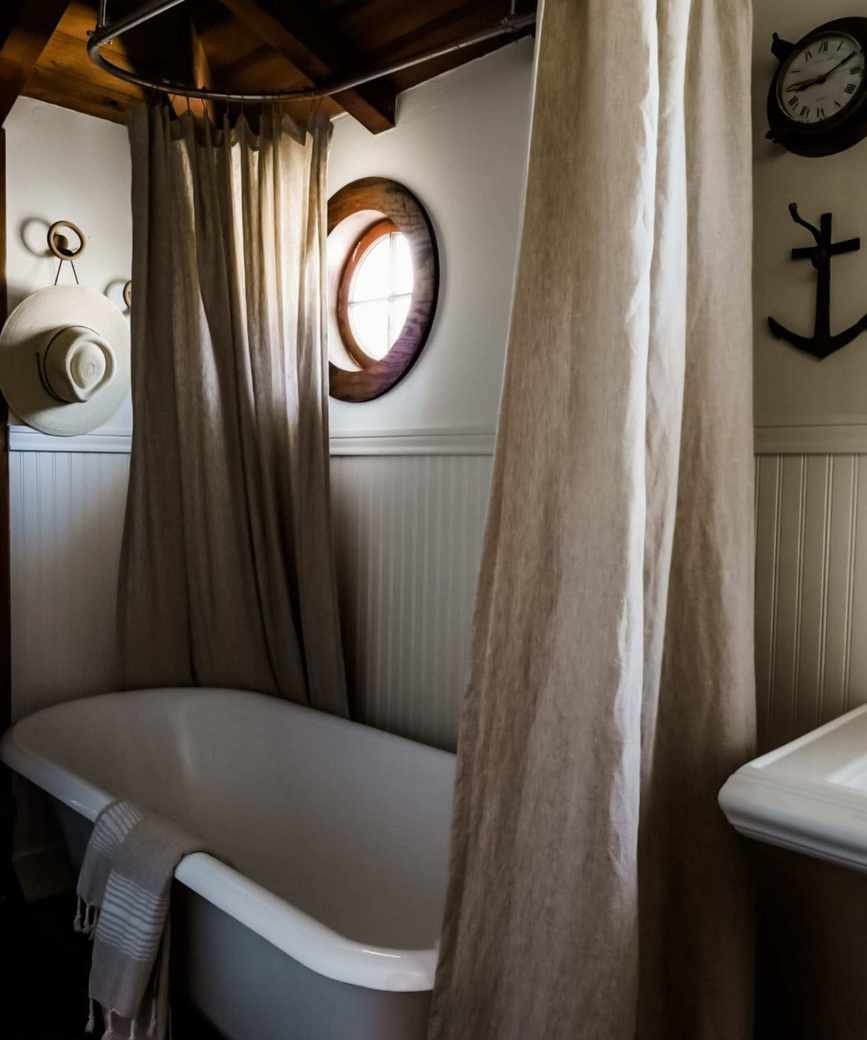
While white's reflective qualities might suggest it's a great choice for dimly lit rooms, it can actually create a 'bleached' effect in these spaces. Limited natural light can transform bright white into a dull and lifeless hue.
'I wouldn't recommend white in dark rooms, as it often has the opposite intended effect,' advises Megan Jay from Megan Jay Designs. 'Instead of feeling bright and open, it can turn the space cold and uninviting. Warmer tones can add coziness and balance to darker areas.'
2. Bathrooms
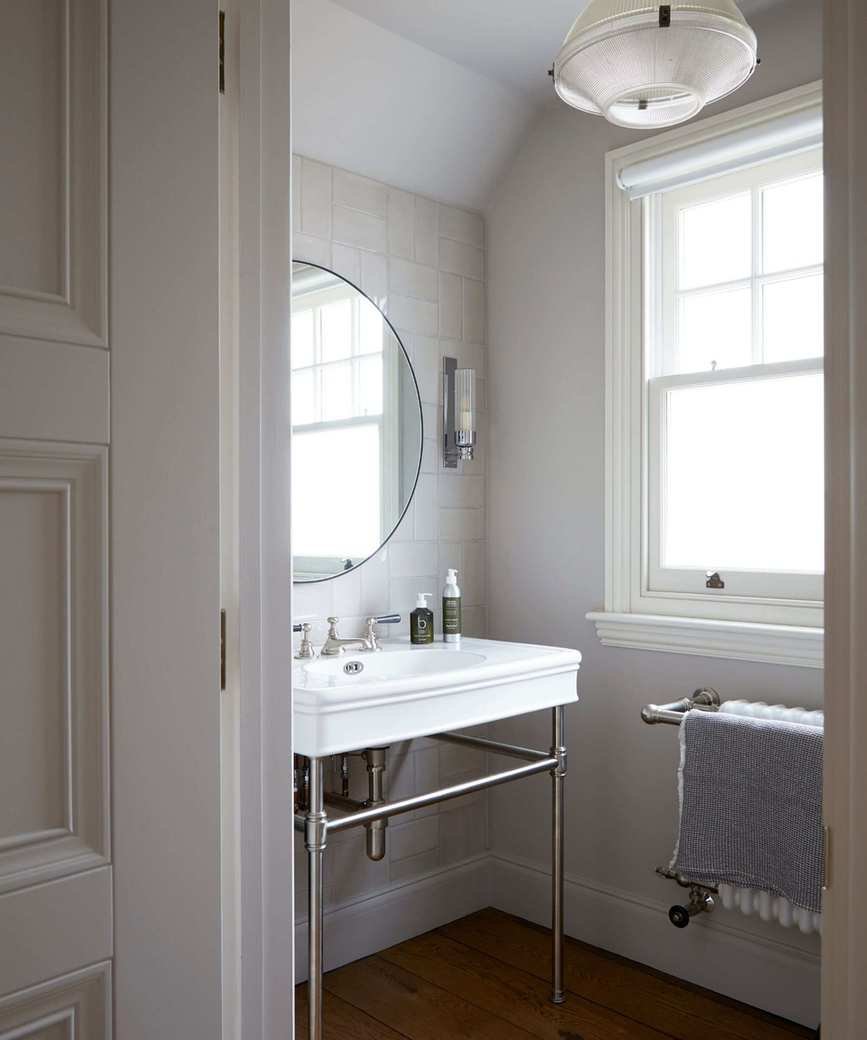
When searching for bathroom paint ideas, it's easy to gravitate towards white for its clean and simple look. However, bathrooms are filled with hard surfaces and fixtures, and white can make the space feel overly stark.
'While I appreciate the desire for a fresh, bright ambiance, an all-white bathroom can end up feeling clinical rather than welcoming,' explains UK designer Sean Symington. 'Bathrooms provide a fantastic opportunity to be bold with design. You can express creativity without overwhelming the space. With limited natural light, pure white can make such areas feel cold and uninviting.'
'One of my favorite strategies is to incorporate colorful wallpaper, which adds character and a built-in color palette. You can pull a lovely shade from the wallpaper for your vanity or tiling, injecting color into a typically muted environment.'
3. Spacious Open-Plan Areas
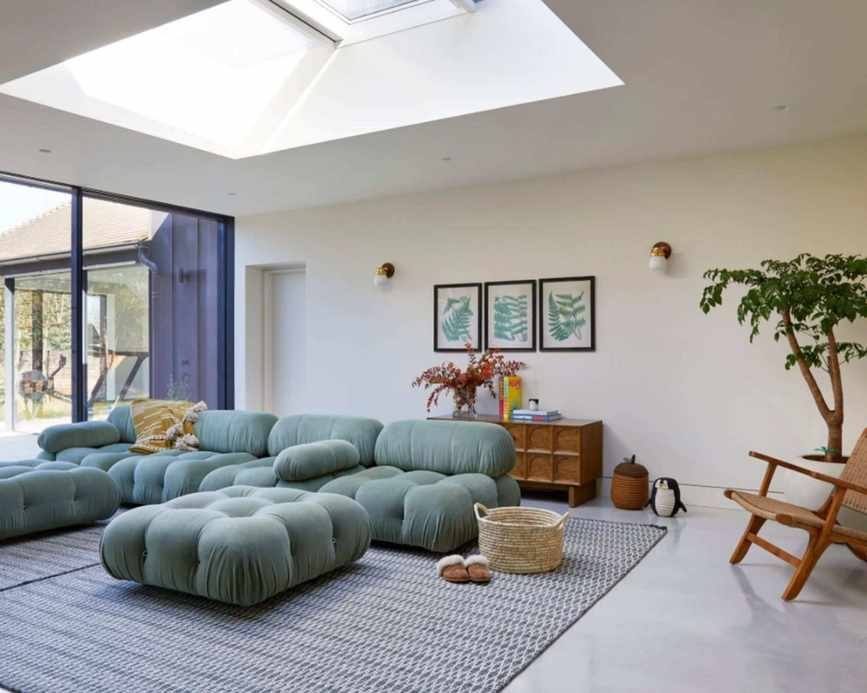
It might be tempting to cover large, open-plan areas in white, but doing so can often overwhelm the space visually. The expansiveness of open spaces means that a solid white can appear stark and uninviting without layers of color or texture.
While white can play a role in an open-plan color scheme, it's crucial to incorporate visual interest with color, however subtle.
'If you're aiming to create a light and airy atmosphere, consider alternatives to pure white,' suggests Arianna Barone, a color marketing manager at Benjamin Moore. 'Soft blues and greens evoke nature and can make a room feel more spacious.'
Sean Symington warns that an entirely white room can feel devoid of warmth. 'Although white might seem to enhance space, an all-white approach often results in a flat, characterless environment. It's key to find natural points to introduce color, as a large white room can feel unanchored.'
'A light blue ceiling can also help create an open ambiance,' Arianna adds. 'If you're hesitant to use bold colors, consider soft blues and greens with gray undertones for a subtle yet open feel.'
4. High-Traffic Areas
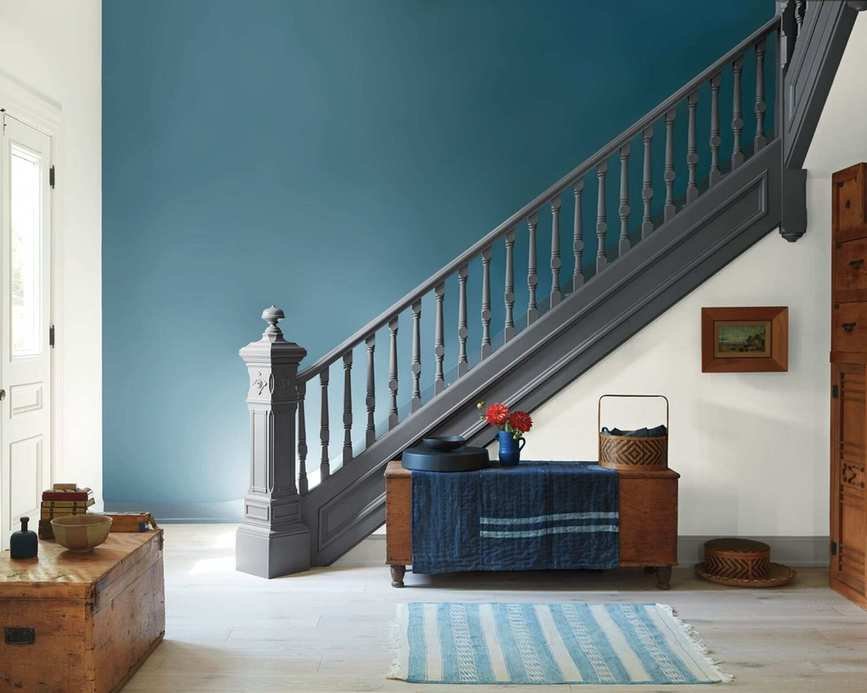
In your quest for entryway ideas, you'll see plenty of welcoming colors like warm yellows and vibrant greens. While white offers a classic, minimalist look, high-traffic areas pose unique challenges. If you frequently deal with muddy shoes and excited pets, white walls will require more upkeep.
These busy areas, like utility or mudrooms, might also be better served with colors that can handle wear and tear. Choosing white may seem easy, but it could lead to more frequent touch-ups.
'In high-traffic zones, white walls show dirt and damage quickly,' Jaime Zehner points out. 'Consider alternatives like textured clay or lightly tinted plaster, which add durability and interest. High-gloss finishes can also be effective in these areas.'
5. Bedrooms
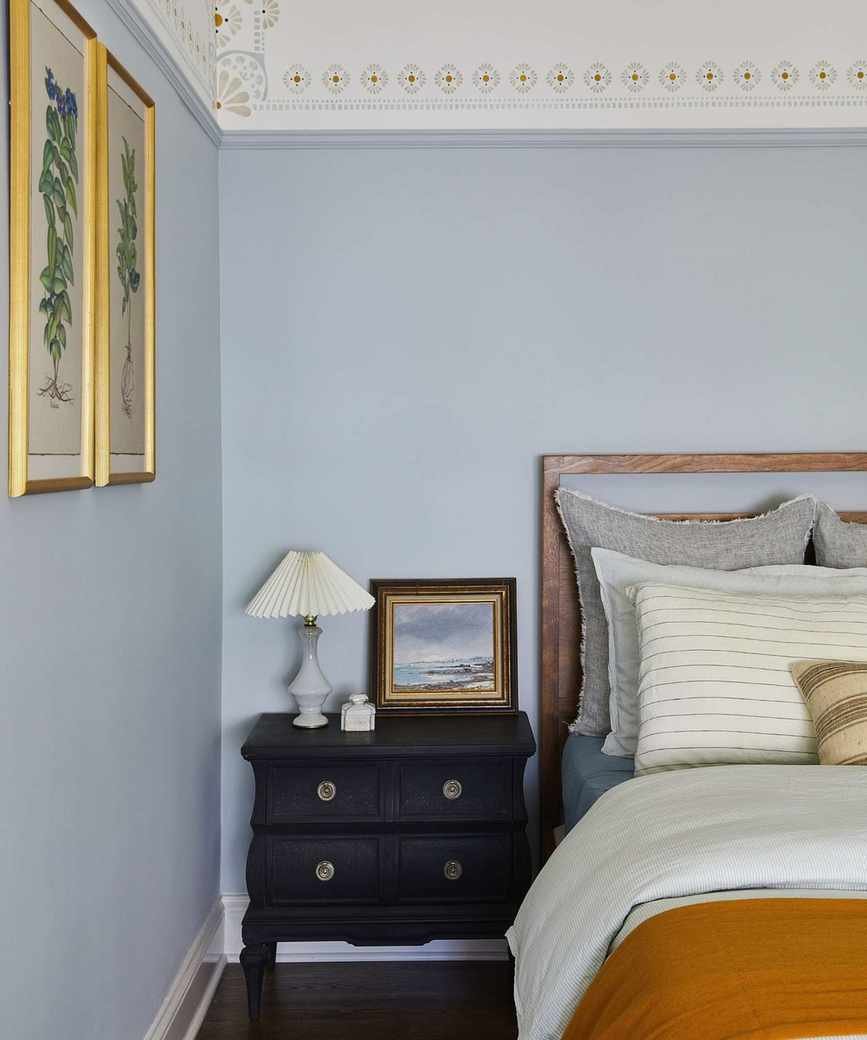
While a white bedroom can be successfully achieved, it's essential to proceed with care. Bedrooms should evoke restfulness, and stark whites can disrupt that serenity. Instead of opting for bright whites, consider warmer, softer tones that foster a calm atmosphere.
If your ideal bedroom features airy elements and light whites, remember that you can achieve brightness without resorting to harsh white shades. Creamier hues like Farrow & Ball's Scallop or Hollyhock by Little Greene can provide elegance without the starkness of pure white. Pastel shades like Eddy by Farrow & Ball or Mizzle can offer a sophisticated alternative.
'Avoid white for bedroom walls,' suggests Megan Jay. Instead, opt for pastel shades that reflect light gently. 'Pastels enhance daylight and evoke the lightness of spring, brightening without overwhelming. I particularly enjoy pastel blues for a serene bedroom, as they promote relaxation. In my own bedroom, I used Farrow & Ball Skylight. Entering the room feels refreshing, not like stepping into a cold, bright white space.'
6. Rooms Facing North

Even the gentlest whites can render a room feeling dull and lifeless in the absence of natural light. North-facing rooms are known for their subdued lighting, which can amplify feelings of gloom. These spaces benefit more from warm neutrals than stark white, which can exacerbate the somber ambiance.
For instance, Farrow & Ball Blackened might appear friendly at first glance, but its cold undertones would clash in a north-facing room. A better option would be Farrow & Ball String, which has warmer undertones that can enhance the soft light in these spaces.
'In a north-facing room, the cool light can render white sterile,' Jaime explains. 'For a cozy feel, lean towards textured materials like limestone or plaster. We're increasingly incorporating rich colors and wallpapers to foster warmth in our designs.'
7. Detailed Architectural Elements
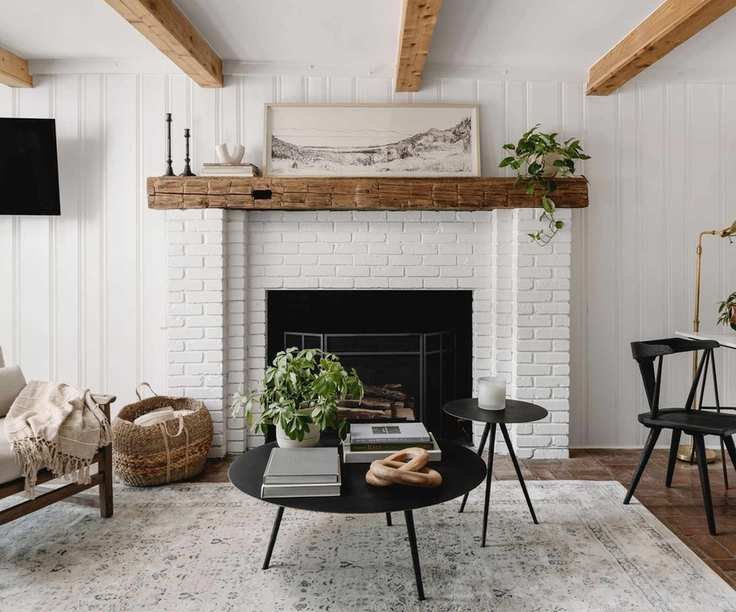
Contrary to what one might believe, intricate architectural details often become muted when painted white. 'If your space boasts elegant architectural features, avoid white,' cautions Jaime. 'Crisp white can strip depth from moldings and historical elements.'
'Opt for nuanced shades like Drop Cloth or School House White to enhance dimension while maintaining brightness,' Jaime adds. 'Never cover historic details with white paint; it feels cheap and uninspired. Embrace these unique features and choose wood-stained accents instead.'
If you're questioning whether white walls are still fashionable, rest assured that white remains a timeless choice. However, context is crucial.
'White reflects natural light beautifully, so in darker spaces, many mistakenly think white will brighten the room. The truth is, no amount of bright white will make a dim room feel lively,' shares Fiona Duke.
White works wonders in sunlit south-facing and east-facing rooms, perfect for breakfast areas or home offices. 'If you love white, focus on layering textures. Think clay, paneling, or, if budget allows, incorporate materials like limestone or stylish tiles to add subtle detail,' Jaime suggests.



