
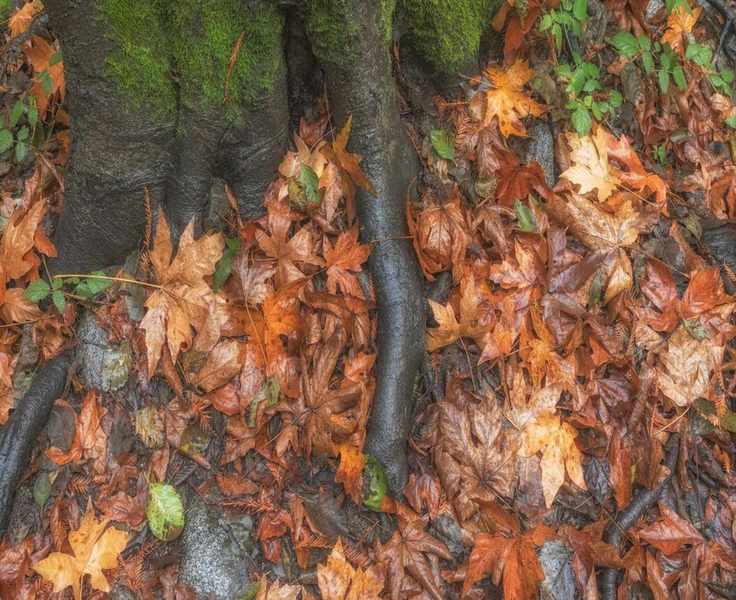
Have you considered the potential uses for the dead leaves piling up in your yard instead of simply tossing them in the trash? The fantastic news is that the suggestions below aren't just easier than lugging bags of leaves to the curb; they also support wildlife, promote plant health, and benefit your lawn.
While you might appreciate the vibrant colors of fall foliage, the cleanup that follows can often be a chore. However, there are plenty of productive ways to deal with those fallen leaves.
We consulted gardening expert Graham Barrett from Beanbags for his insights on how to utilize dead leaves effectively.
1. Enhance Your Lawn's Health
According to Graham, "Mowing over your dead leaves once a week is beneficial. The mower will cut the leaves into smaller pieces and distribute them across your lawn as leaf mulch." This method is particularly useful if you're seeking a gentler alternative to using dish soap to eliminate moss, as mulching can effectively prevent moss growth.
2. Nourish Your Plants
Graham notes, "Chopping up dead leaves also provides nutrients for your plants. Over time, the leaf particles will break down and enrich the soil, helping your plants develop stronger root systems."
3. Improve Soil Quality
Interested in boosting soil health? Composting is an excellent approach, and dead leaves can be a major component. If you have a significant amount of leaves, consider making a compost pile. You can use leaves alone or mix them with other organic materials like grass clippings and kitchen scraps.
To create compost, simply gather the leaves in a corner of your yard and let them decompose. Over time, they will transform into nutrient-rich soil that serves as fertilizer for your plants. Just be sure to let the compost sit through winter, occasionally turning it to aerate the mixture. If it appears dry, add some water while mixing it with a pitchfork. By spring, you will have a lovely compost ready to enrich your garden soil.
4. Benefit Your Flowers and Vegetables
If you're working on enhancing your vegetable garden or planning a flower garden, dead leaves can be quite helpful. Graham suggests, "If composting feels like too much work, consider making leaf mold instead. Just rake the leaves into a large pile in your garden. After a year, the leaves will break down into a dark, aromatic soil conditioner rich in calcium and magnesium."
This leaf mold retains moisture effectively, making it excellent for potting mixes and flower or vegetable patches.
5. Suppress Weeds
Graham explains, "Mulch refers to materials placed around plants to maintain soil moisture and suppress weeds by blocking sunlight from reaching their roots. Dead leaves are an effective mulch option because they're easy to collect, last longer than other types of mulch (like hay or newspaper), and don't need to be replaced as frequently as items like pine needles or bark chips."
However, before using leaves as mulch, they should be shredded. You can use your lawn mower for this, but ensure the leaves are dry to make the process easier.
6. Insulate Your Shed
If you have a shed or any small structure in your yard, consider using dead leaves as insulation. Just pile them inside the structure and cover them with plastic sheeting. This will keep moisture locked in while preventing the leaves from being blown away.
7. Protect Root Vegetables
In addition to insulating your shed, dead leaves can help protect root vegetables stored in the ground, such as carrots, kale, and leeks. According to Graham, "Simply cover the vegetables with dead leaves to keep them fresh throughout the fall and winter months."
Are Dead Leaves Beneficial for Your Garden?
Graham Barrett emphasizes, "While dealing with dead leaves can be a hassle, they're actually a fantastic resource for gardeners when used appropriately. Always remember not to bag them. When leaves are stored in bags, they begin to rot and produce unpleasant odors. Furthermore, bagging makes it harder to use them as mulch, so spreading them across your garden is the best option.
It's also essential to know when to collect leaves; wait until they are raked into piles and slightly dried out. Avoid collecting leaves that are too wet, as they will not decompose effectively in the compost pile.
If you live in an area where leaf blowers are commonly used, consider using a blower in your own garden rather than bagging leaves for collection. This method can save you the effort of bagging and moving multiple bags while allowing you to clear a larger area at once, all while reducing your environmental impact.



