
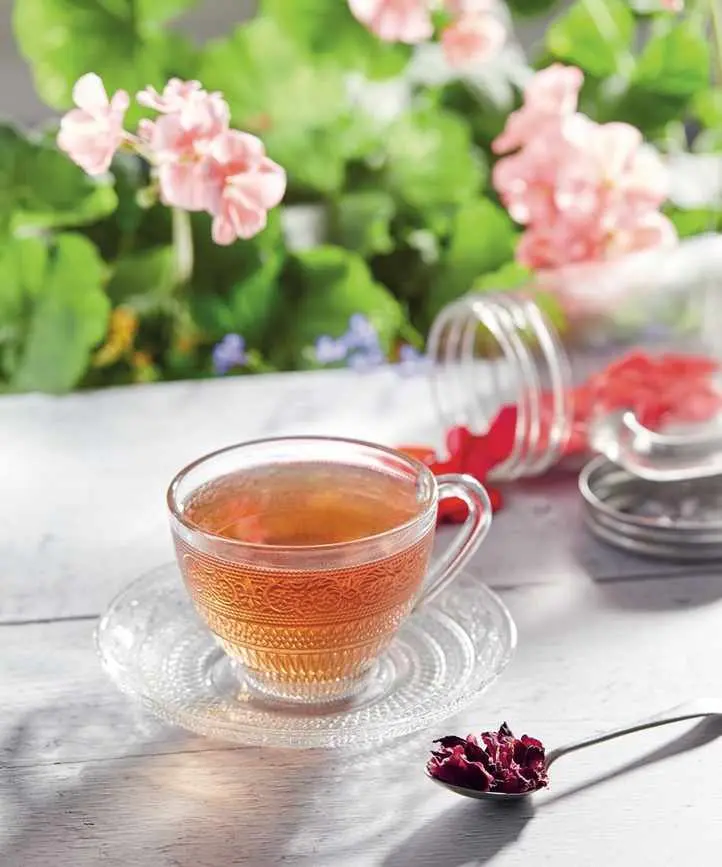
If you love herbal tea, you're in for a treat! Brewing your own tea with ingredients from your garden is not only a delightful experience but also a fulfilling one.
With more time spent at home, gardening has become a wonderful way to boost our health and happiness.
Explore how gardening can enhance your physical and mental health.
In recent times, many have turned to caffeine-free herbal infusions, leading to a significant rise in sales of fruit and herbal teas. While supermarket shelves offer a variety of flavors, nothing beats the joy of using your own homegrown or foraged ingredients.
Here, Nick Moyle and Rich Hood, known as the Two Thirsty Gardeners and authors of the book 'Wild Tea', share essential tips for those eager to embark on their own wild tea-making journey, covering what to cultivate, how to blend, and the health benefits involved.

Brewing Tea from Homegrown Ingredients
Which Tea-Making Ingredients Can You Grow?
The variety of plants you can use to brew tea at home is likely more extensive than you think. To help you get started, here are some foundational options categorized into leaves, flowers, and fruits.
Leaves
When it comes to herbal infusions, mint is a top favorite and is quite simple to grow, yielding an abundance of fresh leaves.
Herbs with citrus notes, like Lemon Verbena, make for delightful infusions. Surprisingly, both rosemary and sage can also create fantastic teas, along with leaves from raspberry and blackcurrant bushes.
Flowers
Chamomile is perhaps the most recognized floral tea and is easy to cultivate from seed. The lovely daisy-like blossoms of German Chamomile can brighten any garden or container. Pot Marigold not only adds vibrant color to your garden but also to your cup, while lavender offers soothing properties when brewed in a milky tea.

Fruits
Fragrant rose petals are another excellent addition for floral tea, but be sure to allow the rosehips (the fruit of the rose) to mature for an extra burst of fruity flavor. The Dog Rose variety produces particularly generous hips. Dried apple is a common ingredient for tea in various countries, including Turkey, while blackcurrant berries create a wonderfully tangy infusion.
What to Forage
For those interested in foraging, it's vital to be cautious about what you pick. Fortunately, some plants are easily identifiable for tea-making. Young nettle leaves can be harvested for a refreshing, tannic tea, and the tender tips of spruce trees can yield a unique, lemony brew.
Limeflowers from the Linden tree are also worth seeking out, as they produce a wonderfully fragrant tea popular in France, where it is known as Tilleul.

How to Brew
Most ingredients can be steeped fresh by placing them in a tea infuser or directly into your mug or pot, then covering with hot water. Experiment with different quantities and steeping times to find the flavor strength that suits you best. Most leafy ingredients benefit from being gently crushed to release their aromatic oils before adding water.
Drying Ingredients
If you have a particular tea you enjoy and have harvested a surplus, consider drying larger quantities for later use. Delicate flowers and leaves can be dried on a warm windowsill, but for sturdier leaves and fruits, a food dehydrator is a wise investment.
Blending Teas
As you learn your flavor preferences, try mixing different ingredients. Combine various fruits with a bit of ginger for a spicy kick; add lemon to your mint tea for an extra refreshing boost; or infuse dried rose petals into black tea for a delightful twist on the popular China Rose tea.

Health Benefits
The growing interest in tea alternatives often stems from their perceived health benefits. While we emphasize flavor, it's true that certain teas can support both physical and mental health (though always consult with a healthcare provider if you have health concerns or are pregnant). For example, mint is well-known for aiding digestion, limeflower is thought to promote calmness, and rosemary is believed to help with memory retention.
Nick Moyle and Richard Hood are the authors of the new book Wild Tea, released in hardback on June 4 by Eddison Books, priced at £16.99.
Discover more about growing tomatoes and the best methods for nurturing tomato plants.



