While tall trees with wide branches can enhance larger gardens, selecting the wrong trees for a small backyard can lead to overwhelming growth and an unmanageable space.
When considering the best trees for limited areas, it’s crucial to recognize which varieties to steer clear of to ensure your yard remains beautiful and functional. Factors such as root invasiveness, growth rate, and maintenance needs play a significant role. Although larger trees can be visually appealing, they may also damage property and create various challenges.
Below, we highlight some common pitfalls associated with popular tree species and suggest alternatives that can help you optimize your small backyard design.
Trees Best Avoided in Small Yards
From dropping messy fruit to overshadowing nearby plants, each of these seven tree types can quickly turn your backyard dreams into a maintenance nightmare.
1. Ginkgo
USDA hardiness zone: 4-8
Height: 50-80 feet
Botanical name: Ginkgo biloba
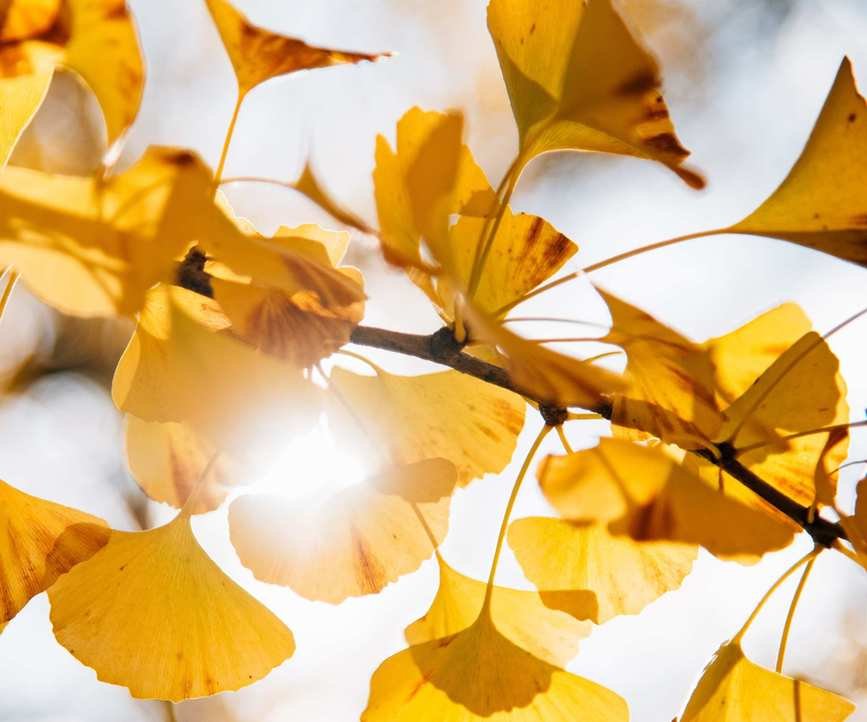
Known for their striking fan-shaped leaves and ancient lineage, Ginkgo trees are appealing but can become problematic in confined spaces.
These majestic trees can reach heights of 50-80 feet, with a spread of 30-40 feet—far too large for a small yard. Their expansive branches can quickly dominate a tiny space, overshadowing other plants and creating a daunting presence.
A notable drawback is the fruit produced by female Ginkgo trees, which emits an unpleasant odor as it decays. This becomes particularly troublesome if the tree is situated near a patio or outdoor kitchen. Additionally, Ginkgos shed a significant amount of leaves in the fall, leading to a labor-intensive clean-up.
2. Tree of Heaven
USDA hardiness zone: 4-8
Height: 60-70 feet
Botanical name: Ailanthus altissima
Another tree to avoid in small backyards is the misleadingly named 'Tree of Heaven.' Native to China, this invasive species is notorious for its rapid growth and adaptability to various environments. Despite its impressive stature and lush foliage, it poses several challenges for smaller areas.
These fast-growing trees create a significant amount of shade, and their aggressive root systems can damage sidewalks and home foundations.
This tree is also a maintenance headache,” explains Eric Preston Stout, a Master Gardener and Landscaper with TeachMe.To. “Due to its invasive nature, it sprouts suckers throughout your yard, necessitating constant trimming to keep it under control.”
3. Silver Maple
USDA hardiness zone: 3-9
Height: 60-80 feet
Botanical name: Acer saccharinum
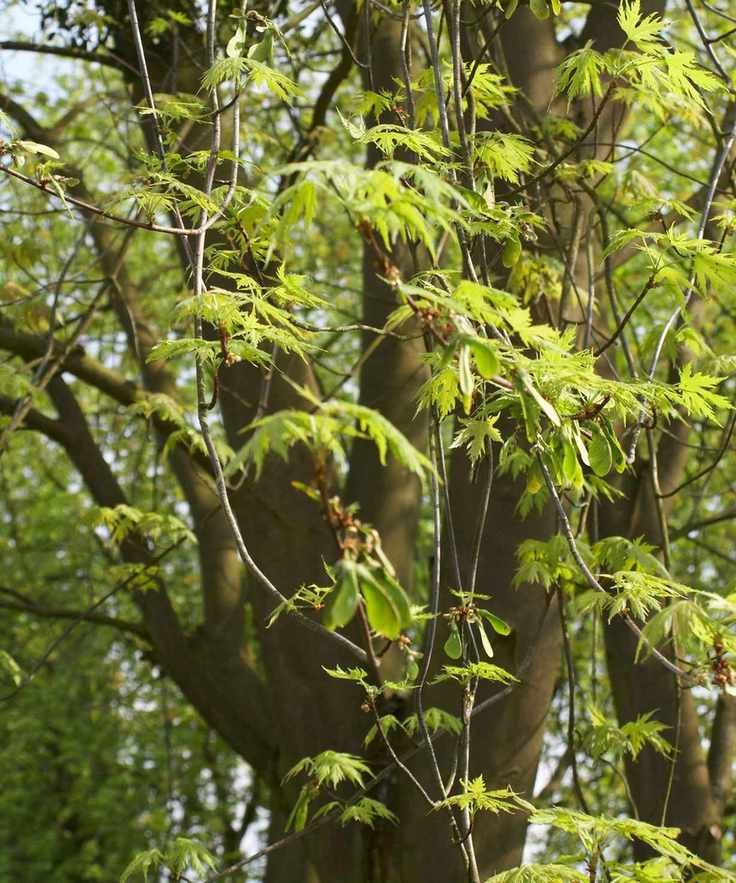
Silver maples are visually stunning with their lofty height and vibrant fall foliage, but they are poorly suited for small yards. These trees can grow up to 80 feet tall, and their invasive roots are infamous for damaging confined spaces.
“Unfortunately, their shallow root systems are known for breaking through hardscapes,” shares Blake Watkins, a Board Certified Master Arborist. This shallow rooting can infiltrate under decks and foundations, leading to significant damage and costly repairs.
Silver maples also create a lot of leaf litter that can be challenging to manage, often ending up in neighboring yards. Furthermore, their dense canopy can cast heavy shade, making a small backyard feel dark and congested.
“While their fall colors are breathtaking, silver maples can create more issues than they solve in limited spaces,” Blake advises. “If you love maples but lack the space, consider a Japanese maple instead. They grow slowly to about 20 feet, and smaller varieties thrive in shaded areas.”
Japanese maples are available at Nature Hills. They offer the beauty of a maple tree without the associated complications.
4. Black Walnut
USDA hardiness zones: 4-9
Height: 50-75 feet
Botanical name: Juglans nigra
Black walnut trees are undeniably attractive, boasting height and lush canopies. However, they are unsuitable for small spaces for multiple reasons.
This allelopathic effect complicates efforts to cultivate a diverse garden or lawn near a black walnut tree, as their roots extend far beyond the canopy, dispersing juglone widely. Even after removal, juglone persists in the soil, affecting plant health for several years.
Black walnuts also require significant upkeep. Growing up to 75 feet tall, their large size and extensive branching necessitate regular pruning to maintain health. Additionally, they produce large, hard nuts that can litter your lawn or deck, posing a tripping hazard and potentially damaging lawn equipment if not promptly cleaned up.
5. Plum Trees
USDA hardiness zones: 4-9
Height: Up to 25 feet
Botanical Name: Prunus domestica
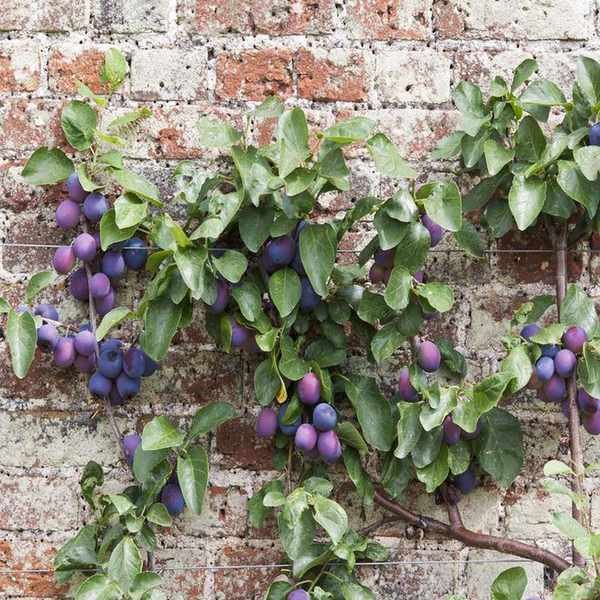
Plum trees are delicious and straightforward fruit trees for a backyard orchard, but many people are unaware of how quickly they can grow,” notes Blake Watkins. “They tend to grow faster than other stone fruits and can rapidly overwhelm a compact area.”
As they grow quickly, plum trees may produce fruit that is hard to reach, which then falls and creates a mess. The abundance of fallen fruit can attract pests and necessitate constant clean-up to keep your yard tidy. Additionally, plum trees can become so heavy with fruit that their branches break, requiring increased vigilance with pruning. This level of maintenance can be impractical for those with limited time and space.
Instead, consider planting fruit trees that are better suited for small yards, such as apple, pear, or apricot trees. These alternatives grow more slowly and are easier to care for, yielding delicious fruit without overwhelming your garden.
6. Eucalyptus
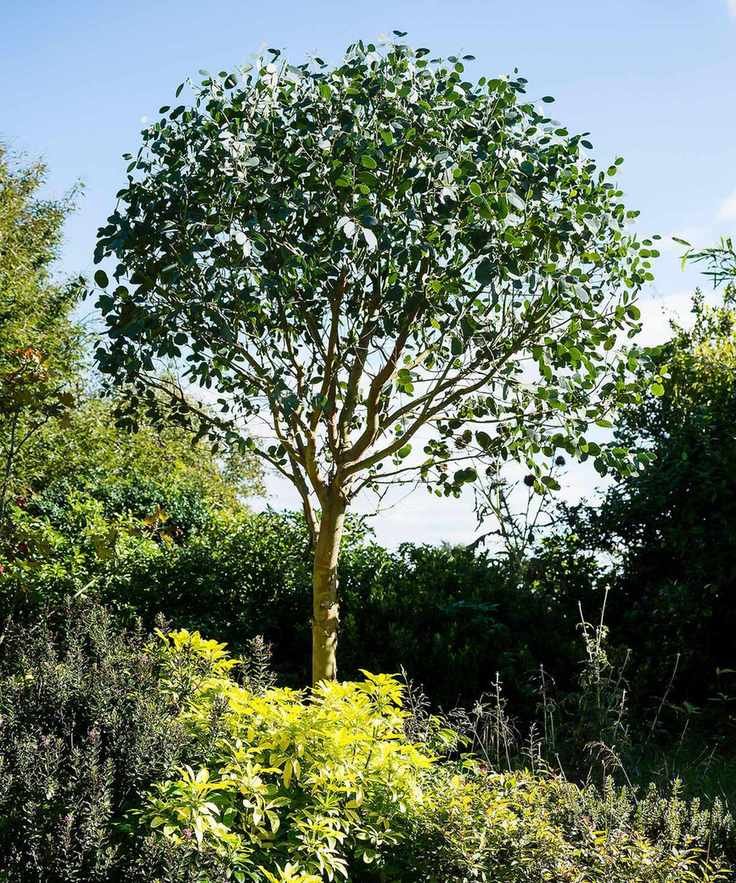
USDA hardiness zones: 8-10
Height: 50-100 feet
Botanical name: Eucalyptus
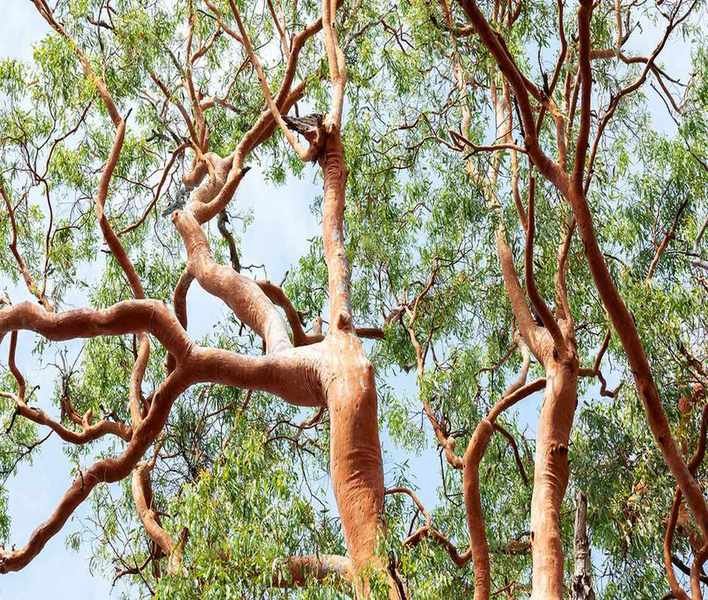
Eucalyptus trees are favored for their fragrant leaves and impressive stature, but they do not suit small backyards well. These trees can reach heights of 100 feet, quickly overshadowing a limited space and blocking sunlight.
During summer, eucalyptus trees shed bark, which is not much of an issue in larger gardens but can create a mess in smaller yards. Their oil-rich leaves and bark are also highly flammable, presenting a fire risk in dry regions.
For a small backyard, consider more appropriate choices, such as dwarf eucalyptus varieties that can be well-pruned, or other compact ornamental trees that provide a similar look in a manageable size.
7. Spreading Bamboo
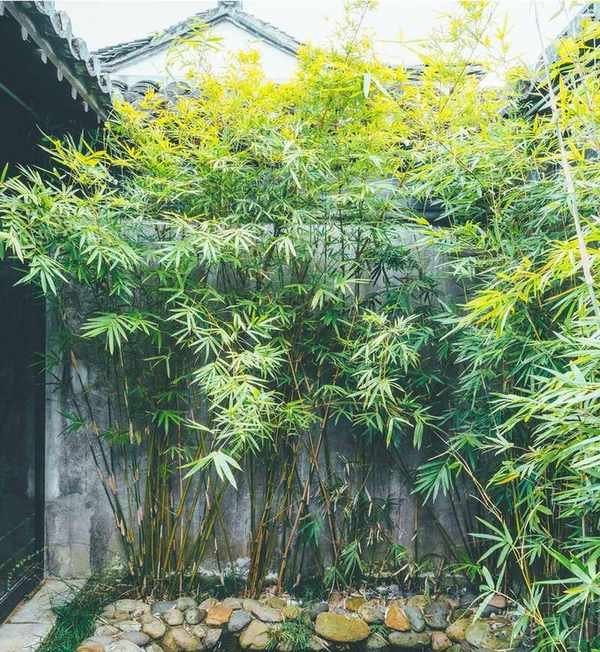
USDA hardiness zones: 5-10
Height: Up to 40 feet
Botanical Name: Bambuseae
While bamboo is often considered ideal for privacy and screening in backyards, it can quickly become problematic in small spaces. Its aggressive root system has a tendency to disrupt patios, foundations, and underground utilities. Additionally, maintaining bamboo is labor-intensive due to its constant pruning requirements.
Established bamboo can grow up to 40 feet tall, casting shade over yards and potentially blocking sunlight. Its dense canopy can create a dark, cluttered environment, obstructing pathways and leaving little room for other landscaping elements.
Instead of spreading bamboo, consider clumping varieties or other plants like ornamental grasses that provide privacy without the invasive tendencies of spreading bamboo.
Many of these trees also rank among the worst trees to plant near a pool, due to their invasive roots and tendency to shed. However, don't let this discourage you from pursuing your garden designs—there are also excellent tree options for planting near your house, should you wish to include trees in your small backyard plans.